
Introduction
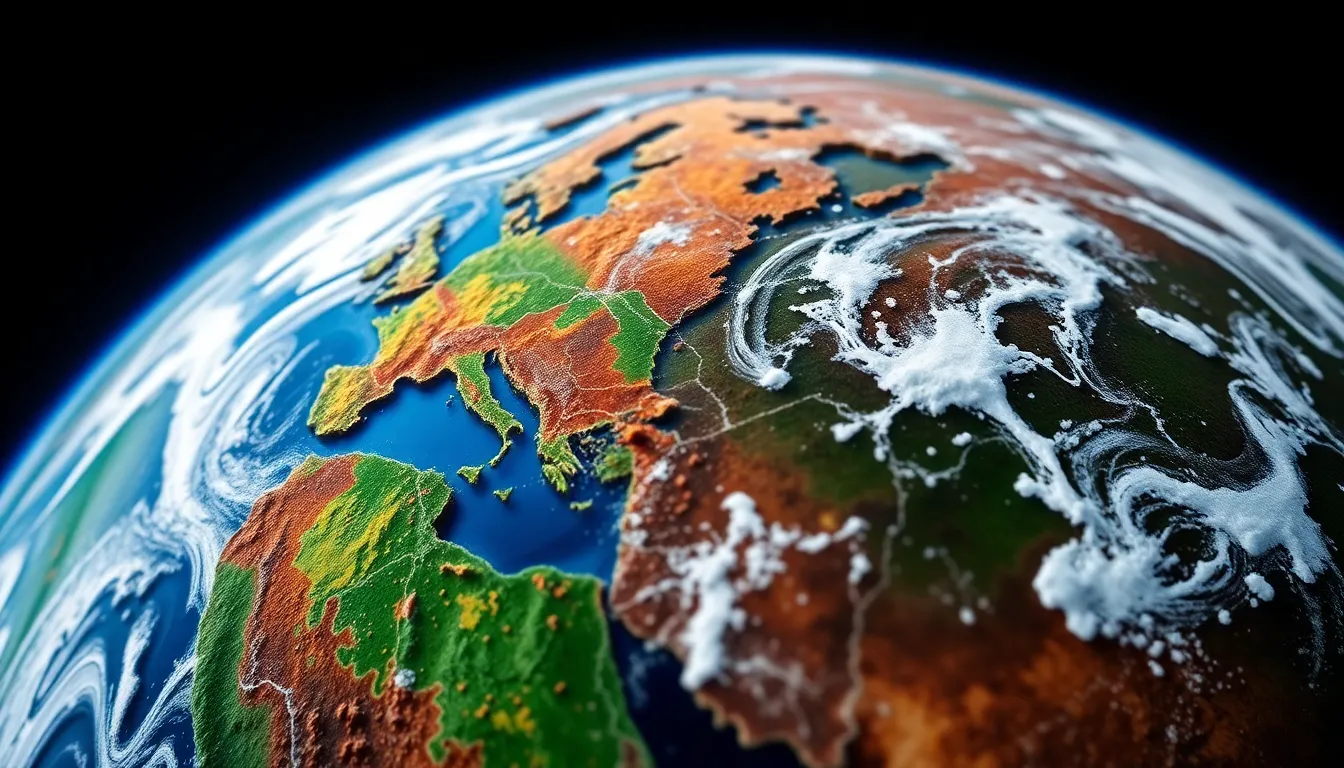
The carbon cycle is the planet’s grand circulation system, moving carbon atoms through the atmosphere, oceans, soils, plants, and rocks. Understanding how carbon moves through Earth’s systems is essential for grasping climate‑change basics, the greenhouse effect, and the long‑term health of the biosphere. This pillar article breaks down the cycle step by step, links it to global warming, extreme weather, and climate impacts, and highlights where adaptation and resilience strategies can make a difference.
Climate Change Basics
Climate change refers to long‑term shifts in temperature, precipitation, wind patterns, and other aspects of Earth’s climate system. While natural forces such as volcanic eruptions and orbital variations have always caused fluctuations, the modern era is defined by a rapid, human‑driven increase in greenhouse gases, especially carbon dioxide (CO₂). The carbon cycle sits at the heart of this transformation because it controls the balance between sources (places carbon is released) and sinks (places carbon is stored).
Global Warming and the Greenhouse Effect
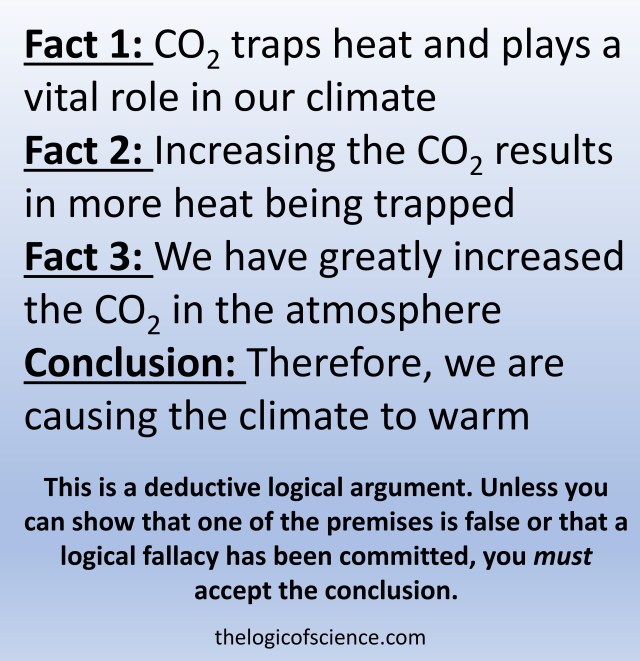
Global warming describes the observed rise in average surface temperatures since the late 19th century. The primary driver is the enhanced greenhouse effect—an atmospheric process where gases like CO₂, methane (CH₄), and nitrous oxide (N₂O) trap infrared radiation that would otherwise escape to space. By retaining more heat, the planet warms, altering weather patterns, sea‑level, and ecosystems.
In a simplified view:
- Solar radiation reaches Earth’s surface.
- Surface emits infrared radiation.
- Greenhouse gases absorb and re‑emit part of that infrared energy.
- Heat is retained, raising global temperatures.
Because carbon is the backbone of the most abundant greenhouse gas—CO₂—tracking carbon’s journey through the Earth system tells us how the greenhouse effect may intensify or weaken over time.
The Carbon Cycle: An Overview
The carbon cycle operates on three overlapping time scales: rapid (seconds to years), intermediate (decades to centuries), and geological (millions of years). Each scale involves distinct pathways, reservoirs, and feedbacks.
Key Reservoirs
- Atmosphere: Holds ~830 gigatons of carbon as CO₂.
- Terrestrial Biosphere: Living plants, animals, and soil organic matter store roughly 2,200 gigatons.
- Oceans: Dissolved inorganic carbon (DIC) accounts for ~38,000 gigatons, making the ocean the largest active carbon sink.
- Lithosphere: Carbon locked in rocks and fossil fuels represents >60,000,000 gigatons, a slow‑moving reservoir.
Major Fluxes
Fluxes are the movements of carbon between reservoirs. The most important natural fluxes include:
- Photosynthesis: Plants absorb CO₂ and convert it into organic matter.
- Respiration & Decomposition: Organisms release CO₂ back to the atmosphere.
- Ocean‑Atmosphere Exchange: CO₂ dissolves into seawater and outgasses depending on temperature and pressure.
- Weathering & Sedimentation: Carbonates form in soils and eventually become rock.
Human activities add a new set of fluxes—primarily fossil‑fuel combustion, cement production, and land‑use change—that tip the balance toward net carbon release.
Detailed Pathways of the Carbon Cycle
1. Atmospheric Carbon
Atmospheric CO₂ is measured in parts per million (ppm). Pre‑industrial levels hovered around 280 ppm; as of 2023 they exceed 420 ppm. This increase is directly linked to anthropogenic emissions, which amount to about 36 gigatons of CO₂ per year.
2. Terrestrial Photosynthesis
Plants capture carbon through photosynthesis:
6 CO₂ + 6 H₂O → C₆H₁₂O₆ + 6 O₂
Forests, grasslands, and croplands together remove roughly 120 gigatons of CO₂ annually. However, the net uptake depends on land‑use practices, temperature, and water availability.
3. Soil Carbon Storage
When plant material dies, microbes decompose it, converting a portion into stable organic matter that can persist for centuries. Soil organic carbon stores about 1,500 gigatons—more than vegetation and the atmosphere combined. Practices such as no‑till farming and cover cropping can enhance this sink.
4. Oceanic Uptake
CO₂ dissolves in seawater forming carbonic acid, which then dissociates into bicarbonate (HCO₃⁻) and carbonate (CO₃²⁻). The overall reaction is:
CO₂ + H₂O ⇌ H₂CO₃ ⇌ H⁺ + HCO₃⁻ ⇌ 2H⁺ + CO₃²⁻
Cold, high‑latitude waters absorb more CO₂, creating a “solubility pump.” Biological processes—phytoplankton photosynthesis and the “biological pump” of sinking organic matter—transport carbon to deep ocean layers, where it can remain for millennia.
5. Long‑Term Geological Storage
Over millions of years, carbon is locked into carbonate rocks (limestones) and fossil fuels (coal, oil, natural gas). Tectonic activity can release this carbon through volcanic eruptions, completing the slow geological loop.
Human Influence on the Carbon Cycle
Human actions have created a “carbon imbalance” by adding more carbon to the atmosphere than natural sinks can absorb. The main contributors are:
- Fossil‑Fuel Combustion: Burning coal, oil, and gas releases stored carbon as CO₂.
- Cement Production: Calcination of limestone releases CO₂ as a by‑product.
- Deforestation & Land‑Use Change: Removes the photosynthetic sink and often releases stored soil carbon.
- Agricultural Practices: Rice paddies and livestock emit methane, while fertilizer use releases nitrous oxide.
These emissions have increased the atmospheric carbon pool faster than the oceans and terrestrial biosphere can compensate, driving the observed rise in global temperatures.
Carbon Cycle and Climate Indicators
Scientists monitor a suite of climate indicators to assess how carbon dynamics are shifting:
- Atmospheric CO₂ Concentration: Measured at Mauna Loa and other stations.
- Ocean pH: Declining pH (ocean acidification) signals increased dissolved CO₂.
- Land‑Surface Carbon Fluxes: Satellite‑derived products such as NASA’s OCO‑2 track photosynthesis and respiration.
- Ice Core Records: Provide historical CO₂ levels over the past 800,000 years.
These indicators help scientists attribute observed climate changes to specific carbon sources and sinks, a field known as climate attribution.
Extreme Weather and the Carbon Cycle
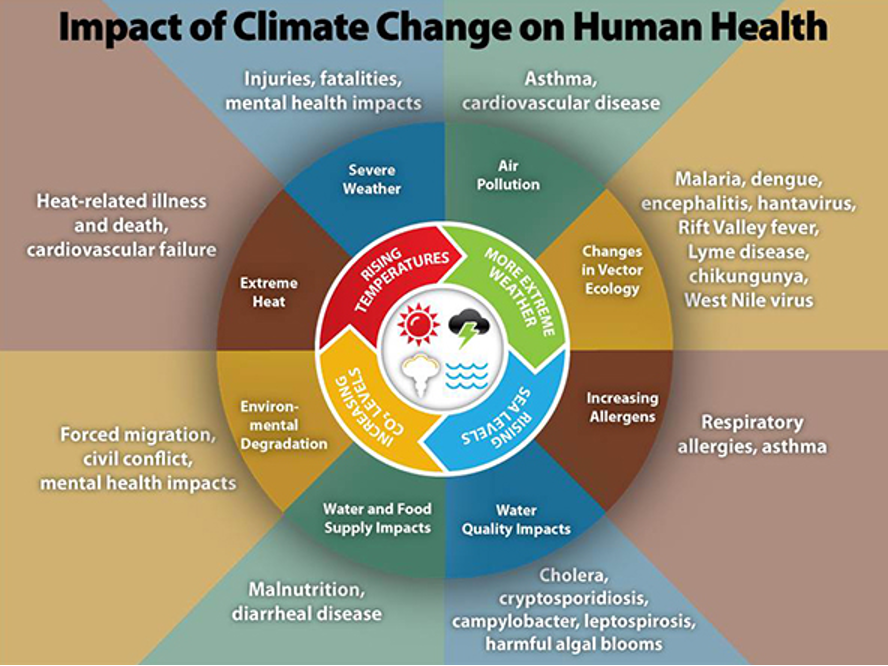
As the carbon‑driven greenhouse effect intensifies, the frequency and severity of extreme weather events increase. Key connections include:
- Heatwaves: Higher atmospheric CO₂ leads to more heat trapped, lengthening and intensifying heatwaves.
- Heavy Precipitation: Warmer air holds more moisture, resulting in stronger storms.
- Drought: Shifts in circulation patterns can create prolonged dry periods, reducing plant uptake of CO₂ and creating a positive feedback loop.
- Wildfires: Drier conditions increase fire frequency, releasing large amounts of stored carbon back to the atmosphere.
These events not only affect human societies but also perturb the carbon cycle itself, altering fluxes in unpredictable ways.
Climate Impacts Tied to Carbon Cycle Disruption
Disruption of the carbon cycle amplifies a range of climate impacts:
- Sea‑Level Rise: Thermal expansion and melting ice are fueled by warming, which is driven by excess CO₂.
- Ecosystem Shifts: Species migrate or face extinction when temperature and CO₂ thresholds are crossed.
- Ocean Acidification: More CO₂ dissolves in seawater, reducing carbonate availability for shell‑forming organisms.
- Food Security: Crop yields can decline under heat stress and altered precipitation patterns.
Understanding the carbon cycle helps policymakers design mitigation strategies that target the most influential fluxes.
Adaptation and Resilience Strategies
While mitigation focuses on reducing emissions, adaptation prepares societies for the changes already locked in. Effective adaptation leverages knowledge of carbon dynamics:
- Restoring Wetlands: Wetlands act as carbon sinks and buffer flood waters.
- Afforestation & Reforestation: Planting trees expands the terrestrial photosynthetic sink.
- Soil‑Carbon Management: Practices like agroforestry increase soil organic carbon and improve water retention.
- Blue Carbon Initiatives: Protecting mangroves and seagrasses stores carbon and shields coastlines from storms.
These measures simultaneously cut emissions, enhance resilience, and provide co‑benefits such as biodiversity conservation.
Future Outlook: Carbon Cycle in a Changing World
Looking ahead, several scenarios shape the future of the carbon cycle:
- Business‑As‑Usual: Continued high emissions push atmospheric CO₂ beyond 600 ppm by 2100, overwhelming natural sinks.
- Rapid Decarbonization: Aggressive shifts to renewable energy, carbon capture, and nature‑based solutions could stabilize CO₂ near 450 ppm.
- Negative‑Emission Technologies: Direct air capture, bioenergy with carbon capture and storage (BECCS), and enhanced weathering aim to draw down excess carbon.
Each pathway influences climate indicators, extreme‑weather risk, and the capacity of ecosystems to adapt. Continuous monitoring, robust climate‑attribution research, and integrated policy are essential to steer the carbon cycle toward a stable, livable climate.
Connecting the Dots: From Carbon Cycle to Climate Action
The carbon cycle is not an isolated scientific curiosity; it is the engine behind global warming, the greenhouse effect, and the cascade of climate impacts that affect every corner of the planet. By understanding how carbon moves, we can identify where to intervene—whether by cutting fossil‑fuel use, protecting forests, or enhancing oceanic uptake. The synergy of mitigation, adaptation, and resilience strategies offers the best chance to keep the Earth’s climate within safe bounds.
Key Takeaways
- The carbon cycle links atmosphere, oceans, land, and rocks through a series of rapid, intermediate, and geological fluxes.
- Human activities have tipped the cycle, adding more CO₂ than natural sinks can absorb, which intensifies the greenhouse effect.
- Climate indicators such as atmospheric CO₂, ocean pH, and satellite‑derived land‑surface fluxes track the health of the cycle.
- Extreme weather events both result from and influence carbon fluxes, creating feedback loops.
- Adaptation and resilience measures—forests, wetlands, soil‑carbon practices—can reinforce natural sinks while protecting communities.
Further Reading and Resources
For deeper exploration, visit the following sections of 24earth.org:
Frequently Asked Questions
What are the main reservoirs of carbon in the Earth system?
The primary carbon reservoirs are the atmosphere (about 830 Gt as CO₂), the terrestrial biosphere (≈2,200 Gt in plants, animals, and soils), the oceans (≈38,000 Gt dissolved inorganic carbon), and the lithosphere (over 60 million Gt in rocks and fossil fuels).
How does photosynthesis affect the carbon cycle?
Photosynthesis removes CO₂ from the atmosphere and converts it into organic matter in plants. This process stores carbon in vegetation and, after plant death, adds to soil organic carbon, acting as a major natural sink.
Why does increased atmospheric CO₂ lead to ocean acidification?
When CO₂ dissolves in seawater it forms carbonic acid, which releases hydrogen ions and lowers pH. This process reduces the availability of carbonate ions needed by shell‑forming organisms, altering marine ecosystems.
What role do wetlands play in carbon storage and climate resilience?
Wetlands act as blue‑carbon ecosystems, sequestering carbon in plant biomass and saturated soils. They also buffer floodwaters and provide habitat, making them valuable for both mitigation and adaptation.
How are extreme weather events linked to the carbon cycle?
Warmer temperatures from excess atmospheric carbon increase the energy available for storms, intensify heatwaves, and expand drought zones. These changes can trigger wildfires and alter vegetation, releasing more carbon and creating feedback loops.




Leave a Comment