
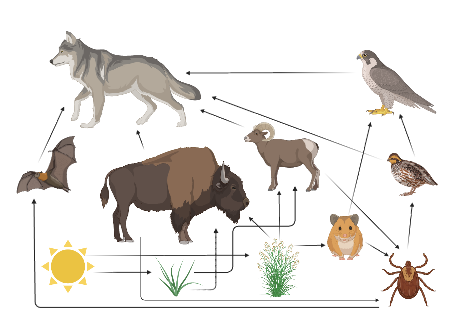
The American grey wolf (Canis lupus) is a keystone predator whose ecological role, population trends, and conservation challenges illustrate how a single species can shape ecosystems and signal broader environmental health.
\n\n
Quick Answer
\n
The American grey wolf is a large, socially complex carnivore that occupies the top of North‑American food webs; by regulating ungulate numbers it triggers trophic cascades that benefit vegetation, waterways, and biodiversity. Scientific monitoring shows that where wolf populations are stable, ecosystems demonstrate higher resilience, whereas removal leads to overgrazing and altered river dynamics. However, habitat fragmentation, persecution, and climate‑driven prey shifts create uncertainty about long‑term population viability.
\n
\n\n
Key Takeaways
\n
- \n
- Grey wolves are apex predators and keystone species that control herbivore populations.
- Reintroduction in Yellowstone (1995‑1996) produced measurable vegetation recovery and stream‑bank stabilization.
- Human‑induced mortality, road networks, and livestock conflicts remain the primary threats.
- Conservation success depends on adaptive management, compensation programs, and public outreach.
- Scientific confidence is high for wolves’ ecological effects; uncertainty remains for future climate interactions.
\n
\n
\n
\n
\n
\n
\n\n
What Is The American Grey Wolf: A Keystone Species Fighting for Survival?
\n
The American grey wolf (Canis lupus) is a subspecies of the gray wolf native to most of North America, from Alaska and Canada to the northern United States. It is defined by its large size (average weight 30–50 kg), pack‑based social structure, and reliance on large ungulates such as elk, deer, and moose. Unlike domestic dogs, wolves are wild, self‑sustaining predators whose presence signals a relatively intact trophic hierarchy. The term “keystone species” refers to organisms whose ecological influence is disproportionately large compared to their abundance, a role well documented for wolves.
\n\n
How Does It Work?
\n
Ecological Mechanism
\n
- \n
- Predation pressure: Wolves hunt primarily elk, deer, and bison, removing weak or sick individuals.
- Herbivore regulation: Reduced herbivore density lowers browsing pressure on young trees and shrubs.
- Trophic cascade: Vegetation recovery improves soil stability, increases shade, and supports a wider array of insects, birds, and mammals.
- Hydrological benefits: Restored riparian vegetation enhances bank cohesion, reduces sediment load, and cools streams, benefiting fish such as salmon.
\n
\n
\n
\n
\n\n
Social Dynamics
\n
Packs consist of a breeding pair and their offspring, with cooperative hunting and pup‑rearing. Pack stability influences hunting success; loss of a breeding individual can reduce predation efficiency and trigger dispersal, which in turn affects local prey dynamics.
\n\n
What Does the Evidence Show?
\n
Long‑term monitoring by the U.S. National Park Service and peer‑reviewed studies (e.g., Ripple & Beschta 2012) demonstrate that wolf reintroduction to Yellowstone led to a 30 % decline in elk browsing pressure within a decade, followed by a 20 % increase in aspen and willow cover (USGS, 2020). Similar patterns have been recorded in Idaho’s Sawtooth Ecosystem and Canada’s Yukon, where predator presence correlates with higher biodiversity indices. Meta‑analyses of over 40 studies conclude that wolves consistently generate positive vegetation and water‑quality outcomes across temperate forest and grassland biomes.
\n\n
Main Causes or Drivers
\n
Direct Causes of Decline
\n
- \n
- Historical eradication campaigns (late 1800s–mid 1900s) that reduced populations to fewer than 1,000 individuals.
- Modern lethal control (trapping, shooting) in livestock‑conflict zones.
- Habitat fragmentation from roads, urban expansion, and energy development.
\n
\n
\n
\n
Underlying Drivers
\n
- \n
- Economic incentives for ranchers to protect livestock.
- Legal frameworks that vary by state and province, creating inconsistent protection.
- Climate‑driven shifts in ungulate distribution that alter prey availability.
\n
\n
\n
\n\n
Environmental and Human Impacts
\n
Environmental Impacts
\n
When wolves are present, reduced ungulate pressure allows forest regeneration, which sequesters carbon and improves habitat connectivity. Stream banks experience less erosion, leading to clearer water and healthier fish populations. Conversely, wolf removal often results in overbrowsing, loss of riparian shade, and downstream sedimentation.
\n
Human Health and Social Impacts
\n
Reduced elk densities can lower the incidence of tick‑borne diseases such as Lyme disease, as fewer hosts support lower tick populations. Socially, wolf recovery can boost ecotourism revenue; a 2018 study in Montana estimated $30 million annual economic benefit from wildlife viewing.
\n
Economic and Infrastructure Impacts
\n
Livestock predation incurs direct losses estimated at $1.5 million per year in the Northern Rockies (USDA, 2021). Compensation programs and non‑lethal deterrents can mitigate these costs but require sustained funding and stakeholder cooperation.
\n\n
Regional Differences
\n
In the Greater Yellowstone Ecosystem, wolf packs are large (8–12 individuals) and rely on elk, while in the Arctic tundra of Alaska, wolves are smaller (4–6) and hunt caribou and muskoxen. The Pacific Northwest exhibits higher human‑wolf conflict due to dense livestock operations, whereas the Upper Midwest shows stable populations with lower conflict because of larger public lands.
\n\n
What Scientists Know With High Confidence
\n
- \n
- Wolves act as top‑down regulators of ungulate populations.
- Trophic cascades triggered by wolf presence improve vegetation structure and stream health.
- Pack social structure is essential for successful hunting and pup survival.
- Human‑induced mortality is the leading factor limiting population recovery.
\n
\n
\n
\n
\n
\n\n
What Remains Uncertain
\n
Key uncertainties include how climate‑induced changes in prey distribution will affect wolf diet breadth, the long‑term genetic health of fragmented populations, and the socioeconomic thresholds at which compensation programs become self‑sustaining. Ongoing telemetry studies and collaborative monitoring are needed to refine population models.
\n
\n\n
Common Misconceptions
\n
Misconception: Wolves only hunt livestock.
\n
Reality: Scientific diet analyses show that >90 % of wolf kills in protected areas are wild ungulates; livestock depredation accounts for a small fraction, often linked to insufficient wild prey.
\n
Misconception: Removing wolves will increase biodiversity.
\n
Reality: Studies consistently demonstrate that wolf removal leads to overbrowsing, reduced plant diversity, and poorer stream conditions, which in turn diminish overall biodiversity.
\n
Misconception: Wolves are “dangerous to humans.”
\n
Reality: Documented attacks on people in North America are extremely rare (<0.1 % of all wolf‑human interactions) and usually involve habituated individuals.
\n
\n\n
Solutions and Limitations
\n
Effective strategies combine legal protection, conflict‑mitigation, and habitat connectivity:
\n
- \n
- Legal protection: Endangered Species Act listing provides federal safeguards, but state‑level exemptions can undermine effectiveness.
- Non‑lethal deterrents: Guard animals, fladry, and range riders reduce predation, yet require ongoing maintenance and training.
- Compensation schemes: Financial reimbursement can lower retaliatory killings, but funding continuity is a common challenge.
- Connectivity corridors: Land‑use planning that preserves migration routes improves genetic flow, though competing development interests often limit corridor size.
\n
\n
\n
\n
\n\n
What Individuals, Communities, and Governments Can Do
\n
What Individuals Can Do
\n
- \n
- Support certified wildlife‑friendly products and local conservation NGOs.
- Participate in citizen‑science programs that monitor wolf tracks and vocalizations.
- Advocate for responsible land‑use policies through public comment periods.
\n
\n
\n
\n
What Communities and Organizations Can Do
\n
- \n
- Implement livestock‑guard programs and provide training on non‑lethal deterrents.
- Develop ecotourism initiatives that generate revenue while educating visitors about wolf ecology.
- Collaborate with tribal governments to integrate traditional ecological knowledge.
\n
\n
\n
\n
What Governments Can Do
\n
- \n
- Maintain and expand federal and state protections, ensuring consistent enforcement across jurisdictions.
- Fund long‑term monitoring networks (e.g., GPS collar studies) to track population health.
- Incentivize habitat connectivity through conservation easements and strategic infrastructure planning.
\n
\n
\n
\n\n
Looking Ahead: Synthesis
\n
The American grey wolf exemplifies how a single apex predator can shape entire ecosystems, from forest understory to riverine habitats. Robust evidence confirms its keystone role, while ongoing threats such as habitat loss and human conflict create uncertainty about future trajectories. Integrated solutions that blend legal protection, conflict mitigation, and community engagement offer the most promising path forward. By recognizing wolves as indicators of ecological integrity, societies can better align conservation actions with broader environmental stewardship goals.
\n\n
Frequently Asked Questions
What defines a keystone species and why is the American grey wolf considered one?
A keystone species exerts a disproportionately large influence on its ecosystem relative to its abundance. The American grey wolf fits this definition because its predation regulates ungulate numbers, which in turn allows vegetation to recover, improves water quality, and supports greater overall biodiversity.
How do wolves influence vegetation and water quality in ecosystems?
Wolves reduce herbivore browsing pressure, allowing young trees and shrubs to grow. This vegetation stabilizes soil, reduces erosion, and shades streams, leading to clearer water and healthier fish populations. These linked changes constitute a trophic cascade that benefits the entire ecosystem.
What are the main threats to grey wolf populations today?
The primary threats include direct lethal control by hunters and ranchers, habitat fragmentation from roads and development, and competition for prey as climate change shifts ungulate distributions. Legal inconsistencies across states and provinces also hinder uniform protection.
Which conservation strategies have proven most effective for wolf recovery?
Effective strategies combine legal protection (such as Endangered Species Act listing), non‑lethal livestock‑deterrent programs, compensation schemes for ranchers, and the creation of habitat corridors that maintain genetic flow. Success is greatest when these measures are coordinated across jurisdictions.
How can ordinary citizens help protect the American grey wolf?
Individuals can support wildlife‑friendly organizations, join citizen‑science monitoring projects, and advocate for responsible land‑use policies during public comment periods. Choosing products that promote sustainable land management also contributes to broader habitat conservation.









Leave a Comment