Where the Heat Goes When Fossil Fuels Are Burned
When fossil fuels burn, the released heat is first captured for power or warmth, then dissipates into the atmosphere, oceans, and land, influencing
December 23, 2025
When fossil fuels burn, the released heat is first captured for power or warmth, then dissipates into the atmosphere, oceans, and land, influencing
December 23, 2025
Life rebounds after mass extinction through a sequence of ecological opportunism, succession, and evolutionary innovation, eventually rebuilding biodiversity over millions of years despite
December 23, 2025
Species extinction rates differ because of biological traits, ecological roles, and human pressures, making some organisms far more vulnerable to loss than others.
December 22, 2025
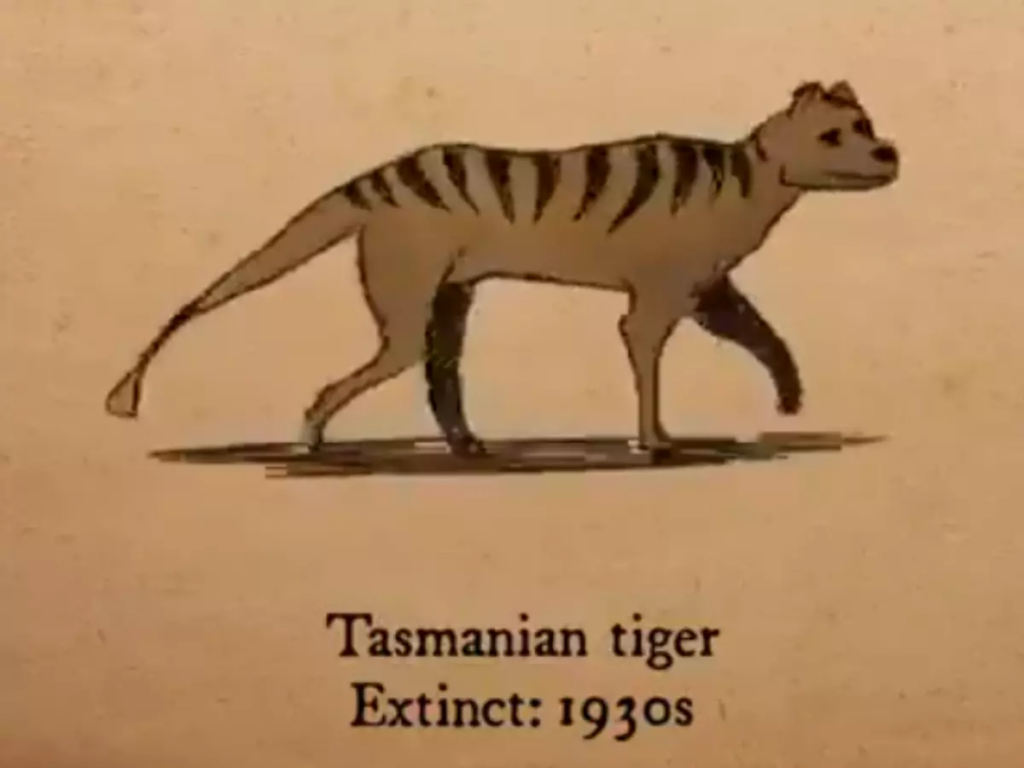
Human activity has caused the confirmed loss of hundreds of species since the 1500s, a rate far exceeding natural background extinction and threatening
December 22, 2025
Understanding how Africans perceive climate change, what they know, and where critical knowledge gaps remain is essential for effective education, policy, and resilience
December 22, 2025
The greenhouse effect, a natural atmospheric process amplified by human‑made emissions, traps heat and is the primary driver of observed climate change, with
December 20, 2025