
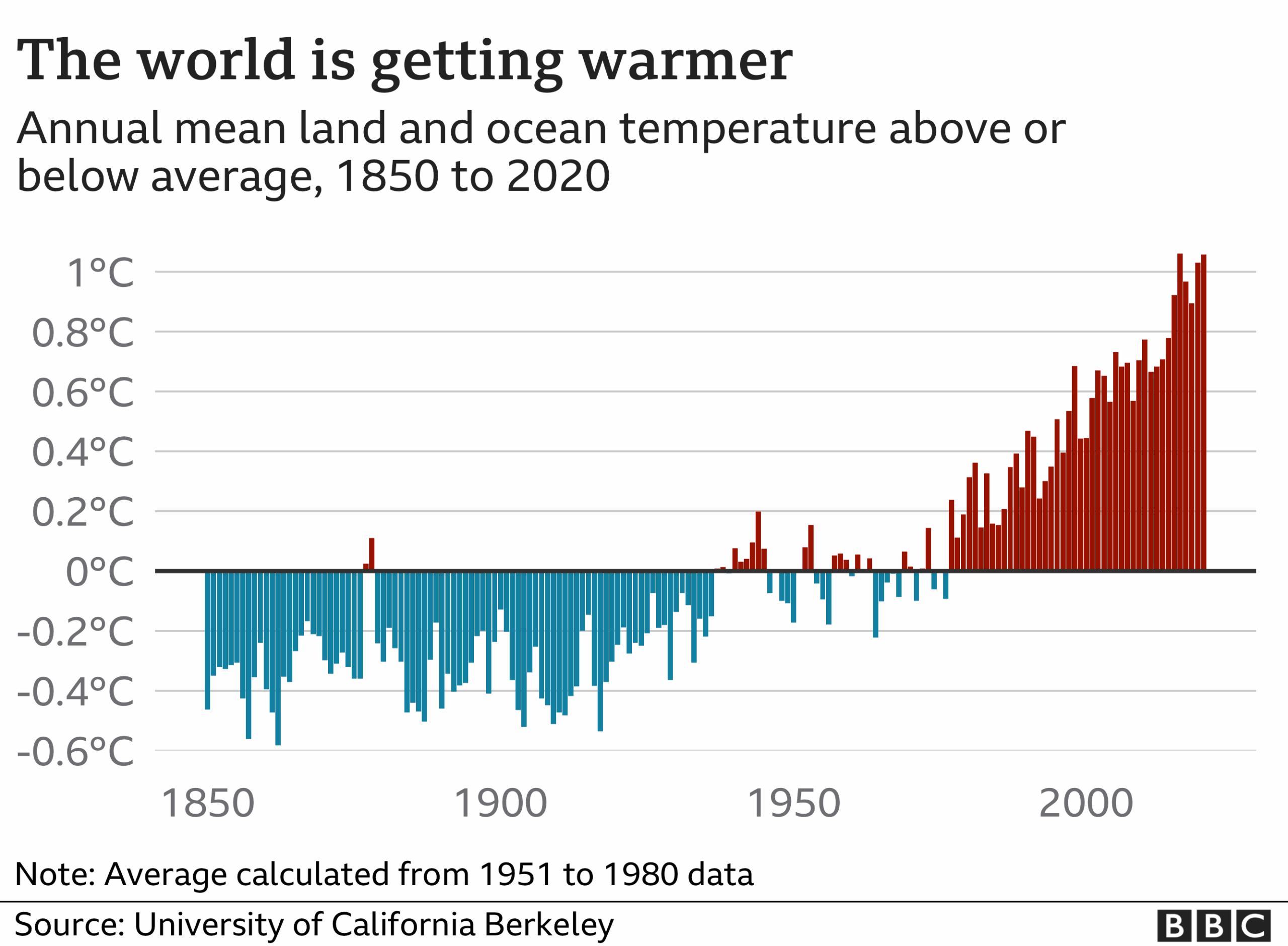
Short‑term climate changes are weather‑scale fluctuations that last weeks to a few years, driven by natural patterns and human activities, and they can alter ecosystems, health, and economies.
Quick Answer
Short‑term climate changes refer to measurable variations in temperature, precipitation, and wind that occur over periods of weeks to a few years. They arise from natural oscillations such as El Niño‑Southern Oscillation, volcanic eruptions, and from anthropogenic influences that amplify these patterns. Scientists agree that these fluctuations can increase the frequency and intensity of extreme events, though the exact timing of individual events remains uncertain.
Key Takeaways
- Short‑term climate changes span weeks to a few years and are distinct from long‑term climate trends.
- Natural cycles (e.g., ENSO) and human‑driven factors (e.g., greenhouse‑gas emissions) interact to shape these variations.
- Evidence from satellite records, ocean buoys, and long‑term monitoring shows a rise in extreme heat waves, heavy rainfall, and droughts linked to short‑term shifts.
- Impacts differ by region, affecting agriculture, health, and infrastructure in ways that depend on local exposure and adaptive capacity.
- Effective responses combine early‑warning systems, resilient infrastructure, and policies that limit the underlying greenhouse‑gas drivers.
What Is Short‑Term Climate Change?
Short‑term climate change describes climate‑scale deviations that persist longer than daily weather but shorter than the multi‑decadal trends used in climate‑change assessments. The time window typically ranges from a few weeks up to three years. Within this window, scientists track anomalies in surface temperature, precipitation patterns, and atmospheric circulation. Key subtypes include:
- El Niño and La Niña episodes (warm and cool phases of the Pacific Ocean).
- Volcanic aerosol events that temporarily cool the globe.
- Rapid shifts in the Arctic Oscillation or North Atlantic Oscillation.
Understanding these fluctuations matters because they can trigger floods, droughts, and heat waves that directly affect societies, even while the planet’s longer‑term warming continues in the background.
How Does It Work?
Natural Oscillations
Oscillations such as ENSO arise from interactions between ocean surface temperatures, wind patterns, and the thermocline. During an El Niño, weakened trade winds allow warm water to spread eastward across the central Pacific, altering global convection patterns and shifting storm tracks. La Niña represents the opposite state, with stronger trade winds pushing warm water westward and cooling the eastern Pacific.
Human Amplification
Human activities raise the baseline temperature of the atmosphere and oceans. A warmer baseline makes it easier for natural oscillations to produce extreme outcomes. For example, a modest El Niño‑driven temperature rise can combine with anthropogenic warming to create record‑breaking heat waves. The same principle applies to moisture: a warmer atmosphere holds about 7 % more water per degree Celsius, intensifying rainfall when storms occur.
Feedback Loops
Short‑term changes can trigger feedbacks that reinforce the original anomaly. A heat wave may dry soils, reducing evapotranspiration and allowing surface temperatures to climb further—a positive feedback that prolongs the hot period. Similarly, heavy rainfall can saturate soils, increasing runoff and flooding risk.
What Does the Evidence Show?
Multiple lines of evidence confirm that short‑term climate fluctuations are real, measurable, and increasingly linked to extreme events. Satellite observations since the 1970s reveal that El Niño years consistently produce higher global average temperatures by about 0.1 °C (IPCC, 2021). Ground‑based rain‑gauge networks show a statistically significant rise in heavy‑precipitation days during El Niño phases across the United States and South America. A systematic review of peer‑reviewed studies (Nature Climate Change, 2020) concluded that the probability of a heat wave exceeding the 95th percentile has doubled in regions experiencing strong ENSO signals.
Main Causes or Drivers
Natural Drivers
- Sea‑surface temperature anomalies in the equatorial Pacific (ENSO).
- Volcanic aerosol injections that reflect sunlight for 1–3 years.
- Large‑scale atmospheric patterns such as the Arctic Oscillation.
Anthropogenic Drivers
- Elevated greenhouse‑gas concentrations that raise the mean state of the climate system.
- Land‑use changes that modify surface albedo and moisture fluxes.
- Increased aerosol emissions that can alter cloud microphysics and regional circulation.
Environmental and Human Impacts
Environmental Impacts
Short‑term shifts can stress ecosystems. A sudden drought may reduce river flow, harming fish spawning, while an intense rainstorm can cause soil erosion and sedimentation in coastal waters, affecting coral reefs. Phenological mismatches—such as earlier leaf‑out but unchanged pollinator emergence—have been documented in temperate forests during unusually warm springs.
Human Health and Social Impacts
Heat waves increase heat‑related illnesses, especially among older adults and outdoor workers. Heavy rainfall and flooding can spread water‑borne pathogens and create breeding grounds for disease‑carrying mosquitoes. Disruptions to food production from drought or flood can raise prices, disproportionately affecting low‑income households.
Economic and Infrastructure Impacts
Extreme storms damage roads, bridges, and power lines, leading to costly repairs. In 2020, the United Nations Office for Disaster Risk Reduction reported that climate‑related losses from short‑term events accounted for roughly 15 % of total global disaster losses over a ten‑year period, with higher shares in vulnerable coastal nations.
Regional Differences
Because the drivers are unevenly distributed, impacts vary. In the Pacific Northwest, La Niña often brings cooler, wetter winters, increasing landslide risk. In contrast, East Africa experiences more severe droughts during El Niño years, threatening livestock and crop yields. Tropical islands are especially sensitive to short‑term sea‑surface temperature spikes that fuel powerful cyclones.
What Scientists Know With High Confidence
- ENSO phases cause measurable, global shifts in temperature and precipitation patterns.
- A warmer atmospheric baseline intensifies the magnitude of extreme events linked to short‑term fluctuations.
- Multiple independent observations confirm that heavy‑rainfall and heat‑wave frequencies have risen in recent decades.
What Remains Uncertain
Key uncertainties include the precise timing of individual ENSO events, how future greenhouse‑gas pathways will interact with natural oscillations, and the extent to which regional land‑use changes may amplify or dampen short‑term impacts. Improved ocean‑monitoring networks and higher‑resolution climate models are needed to narrow these gaps.
Common Misconceptions
Misconception: Short‑term climate changes are the same as daily weather.
Reality: Weather describes conditions on a single day or week, while short‑term climate changes refer to statistically significant anomalies that persist for months to a few years.
Misconception: Only natural forces cause short‑term climate variations.
Reality: Natural cycles are the primary triggers, but human‑induced warming raises the baseline, making extreme outcomes more likely.
Misconception: One extreme event proves climate change.
Reality: Single events cannot be causally linked without attribution studies; however, the overall increase in frequency and intensity of such events is well documented.
Solutions and Limitations
Addressing short‑term climate impacts requires both mitigation (reducing greenhouse‑gas emissions) and adaptation (building resilience). Mitigation lowers the baseline temperature, thereby reducing the amplification of natural cycles, but it does not eliminate short‑term variability. Adaptation measures—such as early‑warning systems, flood‑plain management, and heat‑resilient building designs—can reduce exposure, yet they require substantial investment and may be less effective in the poorest regions.
What Individuals, Communities, and Governments Can Do
What Individuals Can Do
Adopt heat‑protective practices during extreme warm periods (stay hydrated, limit outdoor activity), support local policies for green infrastructure, and reduce personal carbon footprints through energy efficiency and sustainable transportation.
What Communities and Organizations Can Do
Develop and maintain community‑based early‑warning networks, invest in climate‑smart agriculture (e.g., drought‑tolerant crops), and retrofit public buildings to withstand floods and storms.
What Governments Can Do
Implement and enforce building codes that consider projected short‑term extremes, fund research to improve ENSO forecasting, and integrate climate risk assessments into urban planning and disaster‑risk reduction strategies.
Closing Synthesis
Short‑term climate changes are natural fluctuations that have become more consequential because a warmer planet magnifies their effects. Robust observations confirm that phenomena like ENSO shape temperature and rainfall patterns worldwide, leading to more frequent extreme storms, heat waves, and droughts. While scientists are confident about the mechanisms and trends, uncertainties remain in predicting exact timing and regional intensity. Combining emissions reductions with targeted adaptation offers the most realistic path to protect ecosystems and societies from the ripple effects of these short‑lived but impactful climate swings.
Frequently Asked Questions
What are short‑term climate changes?
Short‑term climate changes are measurable shifts in temperature, precipitation, or wind that last from a few weeks up to several years, caused by natural cycles like ENSO and amplified by human‑driven warming.
How does El Niño affect weather in the short term?
During an El Niño, warm Pacific waters shift global atmospheric circulation, often bringing heavier rain to the U.S. West Coast and drought to parts of Southeast Asia, lasting several months to a year.
Why do extreme storms become more intense during short‑term climate fluctuations?
A warmer baseline atmosphere holds more moisture (about 7 % per degree Celsius), so when a short‑term pattern like El Niño adds heat, storms can draw extra water and energy, increasing rainfall and wind intensity.
What actions can communities take to reduce vulnerability to short‑term climate impacts?
Communities can develop early‑warning systems, enforce flood‑plain zoning, invest in climate‑smart agriculture, and retrofit public buildings to withstand heat, heavy rain, and wind.
Which uncertainties still exist in predicting short‑term climate changes?
Uncertainties involve the exact timing of ENSO events, how future greenhouse‑gas scenarios will interact with natural cycles, and the regional influence of land‑use changes; better monitoring and higher‑resolution models are needed.









Leave a Comment