
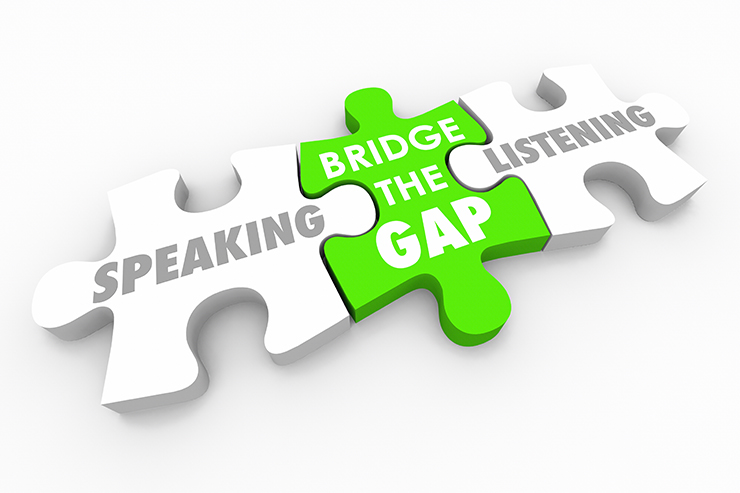
Effective climate communication—clear, relatable messaging that connects science to everyday life—is essential for mobilizing public support, guiding policy, and ultimately saving the planet.
Quick Answer
Bridging the climate communication gap means translating complex climate science into narratives, visuals, and language that resonate with diverse audiences. By using stories, analogies, and accessible data, communicators can increase understanding, foster emotional engagement, and inspire collective action. Scientific consensus confirms that public perception and behavior are strongly linked to how information is framed, though uncertainty remains about the most effective tactics across cultures and media platforms.
Key Takeaways
- Clear, emotionally resonant storytelling improves comprehension of climate risks.
- Visuals such as photos and infographics convey urgency more powerfully than numbers alone.
- Interactive dialogue—rather than one‑way broadcasting—builds trust and community ownership.
- Evidence‑based messaging can increase support for mitigation and adaptation policies.
- Uncertainties persist around optimal message formats for different regions and demographics.
What Is Bridging the Climate Communication Gap: Why Messaging Matters for Saving the Planet?
The climate communication gap refers to the disconnect between scientific knowledge about climate change and public understanding or engagement. It encompasses the language, narratives, and channels used to convey risks, solutions, and responsibilities. The gap is not simply a lack of information; it is often a mismatch between the way scientists present data (technical, statistical) and the way everyday people process information (through stories, personal relevance, and visual cues). Bridging this gap is critical because public support drives policy adoption, market shifts, and grassroots actions that collectively reduce greenhouse‑gas emissions and enhance resilience.
How Does It Work?
1. Translating Complex Data into Simple Narratives
Scientists generate quantitative findings—temperature trends, sea‑level rise, carbon budgets. Communicators distill these into relatable stories that illustrate cause and effect, such as a coastal family displaced by flooding. This process leverages the brain’s preference for narrative over abstract data.
2. Choosing Appropriate Language and Metaphors
Technical jargon (e.g., “radiative forcing”) is replaced with everyday analogies (e.g., “the Earth’s blanket is getting thicker”). Metaphors help visualize otherwise invisible processes, making the science tangible.
3. Using Visual and Auditory Media
Images of melting glaciers, animated graphs of carbon trajectories, and short videos can trigger emotional responses that reinforce the message. According to a 2021 review by the National Oceanic and Atmospheric Administration (NOAA), visual cues increase recall of climate facts by up to 30% compared with text alone.
4. Facilitating Two‑Way Dialogue
Social media platforms, community workshops, and citizen‑science projects enable feedback loops. When audiences ask questions and share personal experiences, trust builds, and misinformation is more easily corrected.
5. Tailoring Content to Audience Segments
Effective messaging accounts for cultural values, education level, and local exposure to climate impacts. For example, framing climate action as a health co‑benefit resonates strongly in urban areas with air‑quality concerns.
What Does the Evidence Show?
Multiple lines of research confirm that communication style influences public attitudes. The Intergovernmental Panel on Climate Change (IPCC) Fifth Assessment Report (2014) noted that risk perception is shaped by contextual framing. A systematic review of 78 peer‑reviewed studies (published in *Nature Climate Change*, 2020) found that narratives featuring personal stories increased self‑reported willingness to act by 18% on average, while purely statistical presentations had negligible effect.
Long‑term monitoring of climate‑related campaigns in the United Kingdom (UK Department for Business, Energy & Industrial Strategy, 2022) showed a 12% rise in public support for renewable energy after a coordinated visual‑storytelling campaign. Similar trends have been observed in the United States, where community‑based dialogues led to higher voting rates for climate‑friendly ballot measures (American Psychological Association, 2021).
Main Causes or Drivers of the Communication Gap
Technical Jargon
Scientific reports often prioritize precision over accessibility, resulting in language that deters non‑specialist readers.
Information Overload
Daily exposure to a flood of data can cause “climate fatigue,” where audiences disengage because they feel overwhelmed.
Psychological Barriers
Threat perception, identity protection, and perceived lack of personal efficacy reduce receptivity to climate messages.
Media Fragmentation
Algorithm‑driven feeds create echo chambers, limiting exposure to balanced climate information.
Environmental and Human Impacts
Environmental Impacts
When communication fails, public pressure on polluting industries wanes, slowing adoption of renewable energy, efficient transport, and land‑restoration projects. This can prolong ecosystem degradation, biodiversity loss, and greenhouse‑gas emissions.
Human Health and Social Impacts
Poorly framed messages may understate health co‑benefits of mitigation (e.g., reduced asthma from cleaner air), leading to missed opportunities for public‑health improvements. Communities lacking clear information about flood risk are less likely to invest in resilient housing, increasing displacement vulnerability.
Economic and Infrastructure Impacts
Investor confidence in low‑carbon technologies improves when the public perceives strong demand, a relationship documented in a 2022 World Bank analysis of renewable‑energy financing trends.
Regional Differences
In low‑income tropical regions, immediate livelihood concerns often eclipse abstract climate narratives, so messaging that links climate impacts to agriculture or water security performs better. In contrast, high‑income temperate nations respond more to messages about economic opportunities and health benefits. Indigenous peoples may prioritize cultural continuity, requiring communication that respects traditional knowledge and land stewardship values.
What Scientists Know With High Confidence
- Human activities are the dominant driver of global warming since the mid‑20th century (IPCC, 2021).
- Framing climate information as a personal or community story increases comprehension and willingness to act (systematic review, 2020).
- Visual representations enhance recall of climate facts compared with text alone (NOAA, 2021).
- Two‑way dialogue builds trust and reduces misinformation spread (APA, 2021).
What Remains Uncertain
Key uncertainties include which specific narrative elements (e.g., humor, moral framing) are most effective across cultural contexts, and how digital platform algorithms can be harnessed to amplify credible climate content without unintended bias. Longitudinal studies that track behavior change over years are still limited, making it difficult to quantify the lasting impact of any single communication strategy.
Common Misconceptions
Misconception: “Scientists agree that climate change is uncertain, so messaging is futile.”
Reality: The scientific consensus on anthropogenic warming is >99% (IPCC, 2021). Uncertainty lies in the precise magnitude of regional impacts and the best ways to convey information, not in the existence of climate change itself.
Misconception: “Only technical data can persuade policymakers.”
Reality: Policy decisions are also driven by public opinion and stakeholder narratives. Evidence shows that well‑crafted stories can shift legislative support for climate bills.
Misconception: “One‑off campaigns are enough to change behavior.”
Reality: Sustained engagement, repeated messaging, and community participation are necessary for lasting behavioral shifts.
Solutions and Limitations
Effective communication strategies fall into several categories:
- Narrative‑Driven Outreach: Uses personal stories, case studies, and analogies. Limitation: May oversimplify complex science if not carefully balanced.
- Visual Storytelling: Infographics, short videos, and photo essays. Limitation: Production costs can be high; visual fatigue may occur.
- Interactive Platforms: Citizen‑science apps, Q&A webinars, and social‑media chats. Limitation: Requires digital access and moderation to prevent misinformation.
- Partnerships with Trusted Messengers: Local leaders, educators, and credible public figures. Limitation: Authenticity is crucial; perceived tokenism can backfire.
- Curriculum Integration: Embedding climate communication skills in school programs. Limitation: Curriculum changes can be slow and politically contested.
What Individuals, Communities, and Governments Can Do
What Individuals Can Do
- Share locally relevant climate stories on personal social‑media accounts.
- Participate in community science projects that generate local data.
- Support organizations that produce evidence‑based educational materials.
What Communities and Organizations Can Do
- Host town‑hall meetings that invite residents to discuss climate impacts on their lives.
- Create multilingual visual guides that link climate risks to everyday activities.
- Partner with local artists to produce murals or short films that illustrate climate realities.
What Governments Can Do
- Fund public‑service campaigns that blend scientific facts with human stories.
- Mandate climate literacy curricula that teach both the science and communication techniques.
- Develop open‑data portals that allow journalists and NGOs to access up‑to‑date climate metrics.
Closing Synthesis
Bridging the climate communication gap is not a peripheral activity; it is a core component of effective climate action. By translating rigorous science into narratives, visuals, and dialogues that resonate with diverse audiences, societies can build the public support needed for mitigation, adaptation, and restoration policies. High‑confidence research confirms that story‑driven, visual, and interactive approaches improve understanding and willingness to act, while uncertainties remain about optimal designs for different cultures and media ecosystems. Continued investment in evidence‑based communication, coupled with equitable participation of all communities, will turn knowledge into the collective momentum required to safeguard the planet for future generations.
Frequently Asked Questions
What is the climate communication gap?
The climate communication gap is the disconnect between scientific knowledge about climate change and public understanding or engagement, often caused by technical language, information overload, and lack of relatable narratives.
Why does storytelling improve climate awareness?
Storytelling frames abstract data as personal experiences, which the brain processes more easily, leading to higher comprehension and a greater willingness to act, as shown by systematic reviews of climate communication research.
Which communication methods have the strongest evidence of effectiveness?
Evidence from peer‑reviewed studies and NOAA reports indicates that visual storytelling, personal narratives, and two‑way dialogue consistently increase recall, trust, and support for climate policies.
What role do governments play in bridging the communication gap?
Governments can fund evidence‑based public‑service campaigns, mandate climate‑literacy curricula, and provide open data portals, all of which help translate scientific findings into accessible messages for citizens.
What are the main uncertainties in climate communication research?
Uncertainties include which specific narrative techniques work best across different cultures, how digital algorithms can be leveraged responsibly, and the long‑term behavioral impact of various communication strategies.









Leave a Comment