Plastic alternatives—such as bioplastics, natural fibers, mycelium, glass, and reusable products—can significantly lower pollution and carbon emissions when they replace fossil‑based plastics, provided that production, use, and end‑of‑life practices are supported by sound infrastructure and policy.
Quick Answer
Plastic alternatives are materials or product systems that fulfill the same functional role as conventional petroleum‑based plastics while generating less environmental harm. They work by using renewable feedstocks, enhancing biodegradability, or enabling closed‑loop recycling, which cuts greenhouse‑gas emissions from extraction, manufacturing, and waste disposal. The scientific consensus is that, when paired with proper waste‑management infrastructure, these alternatives can reduce lifecycle carbon emissions by 20‑80% compared with traditional plastics. Uncertainty remains around large‑scale adoption costs and regional feasibility.
Key Takeaways
- Bioplastics derived from crops or algae can lower fossil carbon use but often need industrial composting to biodegrade.
- Natural fibers such as hemp, jute, and bamboo sequester carbon during growth and provide fully biodegradable packaging.
- Mycelium‑based materials offer high biodegradability and a low‑energy production process, cutting carbon footprints by up to 70%.
- Glass is infinitely recyclable with no quality loss, creating a closed‑loop system that reduces both emissions and microplastic pollution.
- Reusable products extend product lifespans, reducing the demand for single‑use plastics and associated emissions.
- Policy incentives, infrastructure upgrades, and consumer behavior shifts are essential for realizing these benefits at scale.
What Is Plastic Alternatives That Can Cut Pollution and Carbon Emissions?
Plastic alternatives encompass any material or system that replaces conventional petroleum‑based plastics while delivering comparable performance (e.g., barrier properties, flexibility, durability) and generating fewer environmental impacts. The scope includes:
- Bioplastics – polymers made from renewable biomass such as corn starch, sugarcane, or algae.
- Natural fibers – hemp, jute, bamboo, and other plant‑based fibers used for textiles, bags, and molded products.
- Mycelium composites – fungal root networks grown into shapes that can serve as packaging or leather substitutes.
- Glass and metal – materials that can be reused or infinitely recycled.
- Reusable products – durable items (stainless steel, silicone, silicone‑coated fabrics) designed for many use cycles.
The term differs from “recyclable plastic” because the alternatives aim to avoid the creation of plastic waste in the first place, rather than relying on downstream recycling.

How Does It Work?
Bioplastic Production
Bioplastics start with plant sugars that are fermented into monomers (e.g., lactic acid) and polymerised into polymers such as polylactic acid (PLA). Because the carbon in the feedstock originates from atmospheric CO₂ captured during photosynthesis, the net carbon intensity can be lower than fossil‑based plastics, especially when production uses renewable energy (UNEP, 2022).
Natural Fiber Processing
Fibers are harvested, mechanically or chemically processed into yarns or non‑woven sheets. The carbon sequestered in the plant biomass offsets emissions from manufacturing, and the end‑product biodegrades in soil or compost without leaving micro‑plastic residues.
Mycelium Cultivation
Mycelium is grown on agricultural waste substrates in temperature‑controlled rooms. The fungus binds the substrate into a solid shape, which can replace expanded polystyrene. The process consumes less energy than polymer extrusion and the material fully decomposes into harmless organic matter.
Glass Recycling Loop
Glass is melted and re‑formed repeatedly. Each melt cycle saves about 30% of the energy required for virgin glass production because the melting point of cullet (recycled glass) is lower. No chemical additives are needed, and the material can be reused indefinitely.
Reusable Product Lifecycle
Durable items such as stainless‑steel straws or silicone storage bags are manufactured once and used many times. Lifecycle assessment studies show that after 50–100 uses, the cumulative emissions are lower than those of single‑use plastic equivalents (European Environment Agency, 2021).
What Does the Evidence Show?
Systematic reviews of lifecycle assessments (LCAs) published by the International Council on Clean Transportation (2020) indicate that:
- PLA packaging can reduce greenhouse‑gas emissions by 30–40% relative to PET when composted industrially.
- Hemp‑based bags exhibit a carbon‑sequestration benefit of 1.5 kg CO₂ eq per kilogram of fiber, offsetting production emissions.
- Mycelium packaging demonstrates a 70% lower carbon footprint than expanded polystyrene, largely due to minimal energy use.
- Closed‑loop glass recycling avoids the 0.8 kg CO₂ eq per kilogram of new glass that would otherwise be emitted.
These findings are consistent across multiple peer‑reviewed LCAs, suggesting robust evidence for emission reductions when alternatives replace conventional plastics.
Main Causes or Drivers
Demand for Fossil‑Based Plastics
Global plastic production reached 368 million tonnes in 2020, driven by cheap petrochemical feedstocks and versatile material properties (PlasticsEurope, 2021).
Inadequate Waste Management
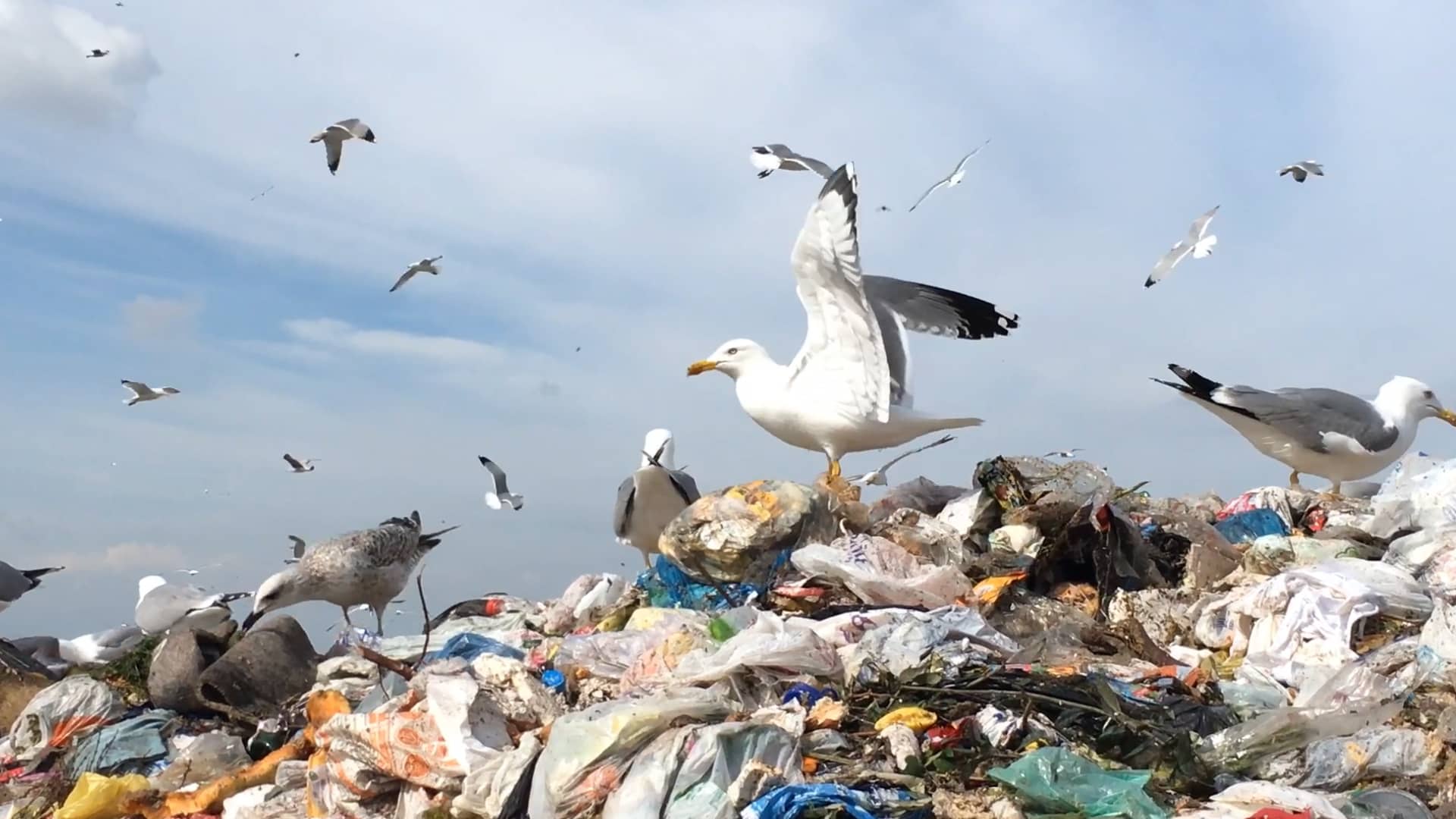
Only 9% of plastic waste is recycled worldwide; the remainder ends in landfills, incineration, or the environment (UNEP, 2022).
Carbon‑Intensive Manufacturing
Polymerisation and extrusion processes emit 2–4 tonnes CO₂ per tonne of plastic, depending on energy source (IEA, 2021).
Consumer Preference for Convenience
Single‑use items dominate food‑service and retail sectors, reinforcing a linear “take‑make‑dispose” model.
Environmental and Human Impacts
Environmental Impacts
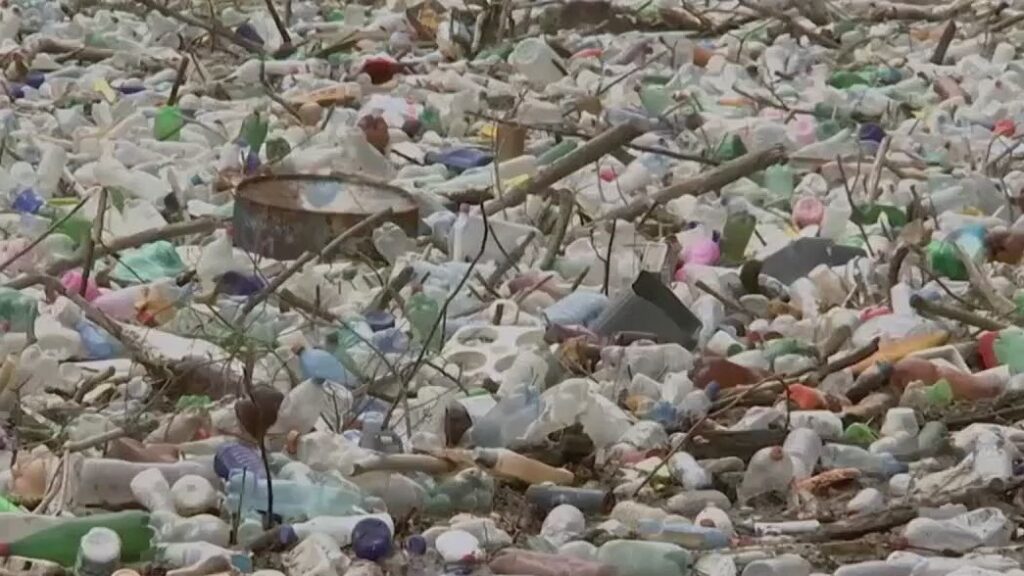
Conventional plastics persist for centuries, fragmenting into micro‑plastics that affect marine life and enter food webs. Production contributes to 3.4% of global greenhouse‑gas emissions (IPCC, 2022). By contrast, biodegradable alternatives reduce soil and water contamination, and their lower carbon intensity mitigates climate change.
Human Health and Social Impacts
Micro‑plastics have been detected in drinking water and seafood, raising concerns about long‑term exposure. Communities near plastic incineration facilities experience higher rates of respiratory illness (WHO, 2020). Substituting cleaner materials can alleviate these health risks and create new jobs in sustainable agriculture and bio‑manufacturing.
Regional Differences
High‑income countries typically have more extensive recycling infrastructure, making glass and metal reuse more feasible. In many low‑income regions, open‑burning of plastic waste is common, so biodegradable alternatives that can be composted locally (e.g., bamboo, hemp) offer greater benefits. Tropical climates accelerate biodegradation of natural fibers, whereas colder regions may require industrial composting for PLA.
What Scientists Know With High Confidence
- Fossil‑based plastic production is a major source of global CO₂ emissions.
- Biodegradable alternatives can lower lifecycle emissions when end‑of‑life pathways (composting, recycling) are available.
- Mycelium and other bio‑based composites have a substantially lower energy demand than petroleum plastics.
- Closed‑loop recycling of glass and metal prevents the need for virgin material extraction.
What Remains Uncertain
Key uncertainties include the scalability of industrial composting facilities, the true field‑level degradation rates of bioplastics in diverse environments, and the socioeconomic barriers that limit adoption in developing economies. Long‑term monitoring of soil health after large‑scale use of plant‑based fibers is also limited.
Common Misconceptions
Misconception: All bioplastics are compostable in backyard bins.
Reality: Most commercial bioplastics, such as PLA, require temperatures above 60 °C found in industrial composters; home composting rarely achieves these conditions.
Misconception: Reusable items have no environmental impact.
Reality: Production of stainless steel or silicone involves mining and energy use; the net benefit appears only after many reuse cycles.
Misconception: Mycelium packaging is always cheaper than plastic.
Reality: Current manufacturing scale is limited, making unit costs higher; economies of scale are needed to achieve price parity.
Misconception: Glass is too heavy to be a sustainable alternative.
Reality: Although heavier, its infinite recyclability offsets transport emissions over multiple life cycles, especially when local recycling loops exist.
Solutions and Limitations
Effective strategies combine material innovation with system‑level changes:
- Policy measures such as bans on single‑use plastics and subsidies for bio‑based production can accelerate market shift, but may face lobbying resistance.
- Infrastructure development for industrial composting and glass collection is essential; without it, alternatives may end up in landfills.
- Consumer education can increase demand for reusable items, yet behavioral change alone cannot offset the scale of current plastic use.
- Research investment in low‑cost mycelium and algae bioplastics can reduce price barriers, though lifecycle impacts of large‑scale algae cultivation need further study.
What Individuals, Communities, and Governments Can Do
What Individuals Can Do
Choose certified compostable or reusable products, avoid single‑use plastics, and support brands with transparent supply chains. Participating in local composting programs ensures proper end‑of‑life treatment.
What Communities and Organizations Can Do
Establish collection points for glass and metal, partner with suppliers of hemp or mycelium packaging, and run pilot projects that track carbon savings.
What Governments Can Do
Implement extended producer responsibility (EPR) schemes, fund research on scalable bio‑based materials, and create standards for industrial composting to guarantee that bioplastics degrade as intended.
What Businesses and Industries Can Do
Redesign product packaging to incorporate natural fibers or mycelium, report lifecycle emissions, and set procurement targets for recycled glass or metal.
Closing Synthesis
Plastic alternatives offer a scientifically supported pathway to cut both pollution and carbon emissions, but their success hinges on coordinated action across material innovation, waste‑management infrastructure, policy incentives, and consumer behavior. High‑confidence evidence confirms that renewable‑based polymers, natural fibers, mycelium composites, and reusable systems can reduce lifecycle emissions substantially. Remaining uncertainties—particularly around large‑scale composting and regional adoption—must be addressed through targeted research and investment. By aligning the strengths of each alternative with realistic implementation strategies, societies can move toward a lower‑impact material economy.
Frequently Asked Questions
What are plastic alternatives and how do they reduce carbon emissions?
Plastic alternatives are materials like bioplastics, natural fibers, mycelium composites, glass, and reusable items that perform the same functions as conventional plastics but are made from renewable resources or can be fully recycled. By avoiding fossil‑based feedstocks and enabling lower‑energy production or infinite recycling, they lower the lifecycle greenhouse‑gas emissions associated with plastic manufacture and disposal.
Are bioplastics always biodegradable?
No. While many bioplastics are designed to biodegrade, most commercial types such as PLA require industrial composting conditions—temperatures above 60 °C and specific microbial activity—to break down effectively. Home composting or natural environments often lack these conditions, so the material may persist similarly to conventional plastics.
How does mycelium‑based packaging compare to traditional plastic in terms of carbon footprint?
Mycelium packaging is grown on agricultural waste and uses far less energy than polymer extrusion. Lifecycle assessments show a carbon‑footprint reduction of up to 70% compared with expanded polystyrene, mainly because the fungus binds waste into a solid form without fossil fuel inputs, and the final product fully decomposes into harmless organic matter.
What role can consumers play in promoting plastic alternatives?
Consumers can choose certified compostable or reusable products, avoid single‑use plastics, and support brands that use sustainable packaging. Participating in local composting or recycling programs ensures that alternatives reach the proper end‑of‑life pathways, amplifying their environmental benefits.
Which plastic alternatives have the biggest impact in low‑income regions?
In low‑income areas, natural fibers such as hemp, jute, and bamboo are especially impactful because they can be cultivated locally, sequester carbon, and biodegrade without requiring high‑tech waste facilities. Mycelium and algae bioplastics also hold promise, but their large‑scale production infrastructure is still emerging.





Leave a Comment