California’s Attorney General has filed a consumer‑protection lawsuit accusing ExxonMobil of marketing many single‑use plastics as recyclable or containing recycled material, even though internal research shows those plastics are not processable by most U.S. recycling systems.
Quick Answer
California’s lawsuit alleges that ExxonMobil used deceptive advertising to label a range of plastic packaging as “recyclable” or “made with recycled content” while internal engineering documents classified most of those polymers as non‑recyclable under current U.S. curb‑side programs. The case highlights a gap between marketing claims and the technical reality of the nation’s recycling infrastructure, and it could set precedent for stricter labeling standards. The outcome remains pending, and the broader implication is that consumers may be misled into “wish‑cycling,” increasing contamination and waste‑management costs.
Key Takeaways
- ExxonMobil’s internal studies label many advertised plastics as non‑recyclable under existing U.S. systems.
- Misleading labels encourage consumers to place unsuitable items in recycling bins, raising contamination rates.
- The lawsuit could force industry‑wide proof of recyclability before using recycling symbols.
- Effective change requires upgrades to collection infrastructure, redesign of packaging, and clearer consumer education.
What Is California Sues ExxonMobil Over Alleged Plastic Recycling Deception?
The lawsuit, filed in 2023 by California’s Attorney General, claims that ExxonMobil violated state consumer‑protection statutes by promoting a variety of plastic packaging as recyclable or containing recycled content when the company’s own engineers concluded that most of those polymers cannot be processed by municipal recycling facilities. The legal complaint focuses on specific marketing language, the use of the recycling triangle symbol, and statements on product labels that may mislead consumers about the material’s end‑of‑life fate. This action is part of a broader effort to hold corporations accountable for environmental claims that lack scientific or logistical support.
How Does It Work?
1. Marketing Claims vs. Recycling Reality
ExxonMobil’s packaging often displays statements such as “recyclable” or “made with recycled material.” Internally, research teams documented that mixed‑plastic films, multi‑layer laminates, and certain polymer grades are not accepted by most U.S. curbside programs. The discrepancy creates a false perception that the product will re‑enter the material loop.
2. Consumer Decision‑Making
When shoppers see a recycling claim, they are more likely to purchase the item, assuming it aligns with personal sustainability goals. This “green‑washing” effect can increase overall plastic consumption, creating a feedback loop that amplifies waste generation.
3. Waste‑Management Response
Municipal facilities sort plastics by resin code. Non‑accepted items that are mistakenly placed in recycling bins become contaminants, raising processing costs—estimated at about $150 per ton of contaminated plastic (U.S. EPA, 2022)—and often resulting in diversion to landfills or incineration.
What Does the Evidence Show?
Multiple independent assessments confirm that the vast majority of single‑use plastics are not recyclable at scale in the United States. The United Nations Environment Programme reported in 2022 that only about 9 % of global plastic waste was recycled, with the U.S. lagging behind many European nations. A systematic review in *Resources, Conservation and Recycling* (2021) found that consumer misunderstanding of recycling symbols contributed to a 30 % increase in “wish‑cycling.” Internal ExxonMobil documents obtained through discovery reveal that company engineers classified several contested polymers as “non‑recyclable under existing U.S. infrastructure.” Together, these lines of evidence indicate a substantial gap between advertised recyclability and practical capability.
Main Causes or Drivers
Corporate Marketing Strategies
Companies use eco‑labels to differentiate products in competitive markets. Limited regulatory oversight creates incentives to exaggerate environmental benefits.
Insufficient Recycling Infrastructure
The United States recycles roughly 30 % of plastic waste generated domestically (EPA, 2022). Technical challenges with mixed polymers, low market demand for recycled resin, and uneven collection systems constrain capacity.
Consumer Knowledge Gaps
Surveys by the Pew Research Center (2021) show that more than 60 % of U.S. adults cannot correctly identify which plastics are accepted in their local programs, making them vulnerable to misleading claims.
Environmental and Human Impacts
Environmental Impacts
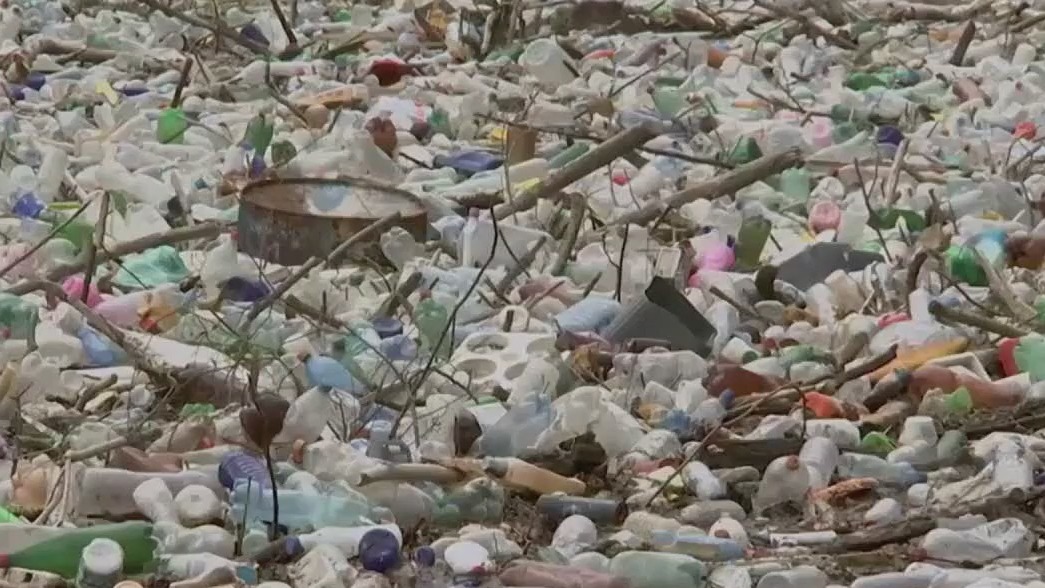
Misleading recycling claims lead to higher volumes of plastic entering landfills and oceans. Persistent debris fragments into microplastics that infiltrate marine food webs, as documented by the International Union for Conservation of Nature (IUCN, 2023).
Human Health and Social Impacts
Microplastics have been detected in drinking‑water supplies worldwide (World Health Organization, 2022). While causal health effects are still under investigation, exposure pathways raise concern for children and communities relying on untreated water sources.
Economic and Infrastructure Impacts
Contamination of recycling streams forces municipalities to divert more material to landfills, increasing waste‑management costs. The EPA estimates an additional $150 per ton for processing contaminated plastic, straining city budgets.
Regional Differences
Recycling rates vary widely across the United States. California, with aggressive state policies, recycles about 31 % of its plastic waste (2022), yet still struggles with multi‑layer packaging. Midwestern states often recycle less than 15 %, making deceptive claims especially harmful where infrastructure is limited. Internationally, the European Union’s Packaging and Packaging Waste Directive mandates clearer labeling, resulting in higher consumer awareness and recycling performance.
What Scientists Know With High Confidence
- Only a small fraction of single‑use plastics are recycled under current U.S. infrastructure.
- Misleading recycling labels increase the likelihood of wish‑cycling and overall plastic consumption.
- Plastic pollution persists in marine and terrestrial ecosystems, causing documented ecological harm.
- Improved labeling standards can reduce consumer confusion and improve stream quality.
What Remains Uncertain
Key uncertainties include the long‑term health effects of chronic microplastic exposure, the economic viability of scaling advanced chemical recycling technologies, and the magnitude of behavior change that litigation‑driven awareness can produce. Ongoing research by academic institutions and government agencies aims to fill these gaps.
Common Misconceptions
Misconception: All plastics with the recycling triangle are recyclable.
Reality: The triangle indicates a resin type, not whether local facilities accept it. Many flexible films and multi‑layer packages are excluded from most U.S. programs.
Misconception: “Made with recycled content” means the product is environmentally benign.
Reality: Recycled content can reduce virgin material use, but if the product remains single‑use and poorly designed for end‑of‑life, overall environmental benefit is limited.
Misconception: Consumer recycling alone can solve plastic pollution.
Reality: Individual actions are important, but systemic changes in product design, waste‑management infrastructure, and corporate accountability are required for meaningful reductions.
Solutions and Limitations
Effective responses combine policy, technology, and behavior change:
- Regulatory standards: Requiring proof of recyclability before a label can be used could curb green‑washing, but enforcement demands resources and may face industry resistance.
- Infrastructure investment: Expanding collection for flexible films improves actual recycling rates, yet capital costs and market demand for recycled resin remain challenges.
- Product redesign: Using single‑polymer packaging and eliminating adhesives makes materials easier to recycle, but redesign cycles can be costly for manufacturers.
- Advanced recycling: Chemical depolymerization can handle mixed streams, but energy use and lifecycle emissions are still under study, making it a supplementary rather than primary solution.
- Consumer education: Clear, standardized labeling reduces wish‑cycling, though campaigns require sustained funding and must overcome entrenched habits.
What Individuals, Communities, and Governments Can Do
What Individuals Can Do
- Check local recycling guidelines before discarding plastics.
- Prefer products with minimal packaging or verified recyclable materials.
- Support brands that provide transparent life‑cycle information.
What Communities and Organizations Can Do
- Implement curbside collection programs for flexible films where feasible.
- Partner with local recyclers to create markets for recycled resin.
- Run outreach workshops that explain label meanings and the limits of recycling.
What Governments Can Do
- Adopt statewide labeling standards that require documented proof of recyclability.
- Provide grants for modernizing recycling facilities and for research into low‑energy chemical recycling.
- Enforce penalties for false environmental claims under consumer‑protection statutes.
What Businesses and Industries Can Do
- Invest in design‑for‑recycling research and adopt single‑polymer packaging.
- Disclose the actual recyclability of each product line in a standardized format.
- Participate in extended producer responsibility programs that fund collection and recycling.
Closing Synthesis
The California lawsuit against ExxonMobil spotlights a fundamental mismatch between marketed recycling claims and the technical capability of existing U.S. waste‑management systems. Robust scientific evidence confirms that most single‑use plastics are not currently recyclable, and deceptive labeling can exacerbate waste generation and environmental harm. While uncertainties remain regarding health impacts of microplastics and the scalability of advanced recycling, high‑confidence findings support stronger labeling regulations, infrastructure upgrades, and product redesign as essential strategies. Systemic policy change, combined with informed consumer behavior and industry accountability, offers the most realistic path toward reducing plastic pollution.
Frequently Asked Questions
What is the basis of California’s lawsuit against ExxonMobil?
California’s Attorney General alleges that ExxonMobil used deceptive advertising to label single‑use plastics as recyclable or containing recycled content, even though internal documents show many of those plastics cannot be processed by existing U.S. recycling systems.
How do misleading recycling labels affect municipal waste streams?
Misleading labels cause “wish‑cycling,” where unsuitable plastics end up in recycling bins, increasing contamination, raising processing costs (about $150 per ton), and often leading to diversion of the material to landfills or incineration.
What evidence shows that most single‑use plastics are not recyclable in the United States?
The United Nations Environment Programme (2022) reported low global recycling rates, the U.S. EPA (2022) noted that only about 30 % of plastic waste is recycled domestically, and a 2021 systematic review found consumer misunderstanding of recycling symbols contributes to higher contamination.
What are the primary drivers behind deceptive plastic‑recycling claims?
Key drivers include corporate marketing strategies that exaggerate eco‑benefits, limited recycling infrastructure that cannot handle many polymer types, and widespread consumer knowledge gaps about what local programs actually accept.
What actions can individuals take to avoid contributing to plastic waste when faced with “recyclable” labels?
Individuals can check local recycling guidelines, choose products with minimal or verified recyclable packaging, and support brands that provide transparent life‑cycle information rather than relying solely on recycling claims.







Leave a Comment