
Canada’s Ban on Single‑Use Plastics: An Evergreen Overview
Canada plans to prohibit most single‑use plastic items by the end of the year, a policy shift aimed at cutting millions of tonnes of waste, protecting ecosystems, and supporting climate goals.
Quick Answer
Canada’s upcoming legislation will prohibit the sale and distribution of common single‑use plastic items such as bags, straws, cutlery, and stir sticks. The ban works by removing these products from the market, encouraging reusable alternatives, and incentivising manufacturers to develop biodegradable substitutes. Evidence from national waste audits and international case studies shows that similar bans can reduce plastic waste generation by 20‑30% over a decade. The most significant impact is expected in marine litter reduction, although uncertainties remain regarding enforcement effectiveness and the life‑cycle impacts of replacement materials.
Key Takeaways
- Canada generates roughly 3 million tonnes of plastic waste each year, driving the need for legislative action.
- The ban targets items that are used once and discarded, covering bags, straws, cutlery, stir sticks, and certain packaging.
- Scientific monitoring links single‑use plastics to marine wildlife injury, microplastic contamination, and greenhouse‑gas emissions from production.
- Evidence from other jurisdictions suggests a 20‑30% reduction in plastic waste after implementation, but success depends on compliance and viable alternatives.
- Transition challenges include industry adaptation, consumer behavior change, and ensuring biodegradable substitutes do not create new environmental issues.
What Is Canada to Ban Single‑Use Plastics in Major Environmental Shift?
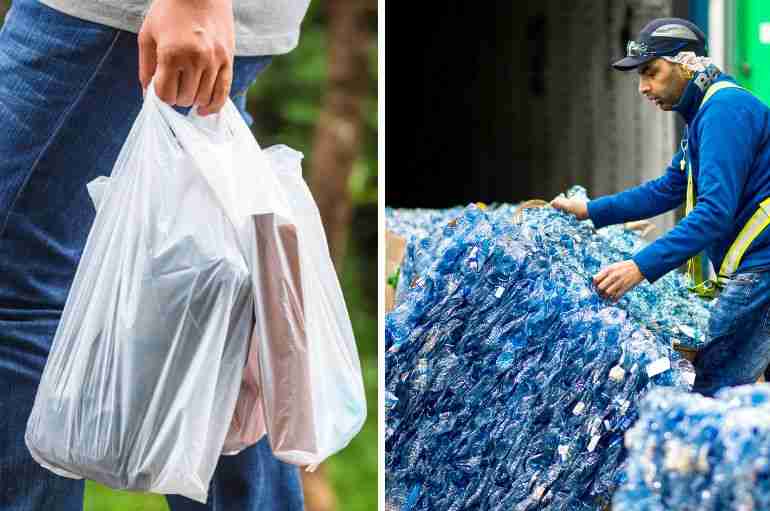
The Canadian single‑use plastic ban is a federal policy that prohibits the manufacture, import, sale, and distribution of selected disposable plastic products. The scope includes lightweight plastic bags, plastic drinking straws, single‑use cutlery, stir sticks, and certain food‑service containers, unless a proven alternative is offered. The ban does not cover durable plastics (e.g., reusable containers) or medical‑grade items that are essential for health safety. By defining “single‑use” as items designed for one‑time consumption, the policy distinguishes itself from broader waste‑reduction strategies such as recycling mandates.
How Does It Work?
Regulatory Mechanism
- Legislation is passed at the federal level, setting a compliance deadline (end of the calendar year).
- Provincial and territorial governments align their own regulations to avoid jurisdictional gaps.
- Manufacturers must redesign products or switch to certified biodegradable or compostable materials.
- Retailers remove prohibited items from shelves and provide reusable alternatives.
- Enforcement agencies conduct inspections and levy penalties for non‑compliance.
Supply‑Chain Adjustments
Supply chains respond by sourcing alternative polymers (e.g., polylactic acid, starch‑based composites) or by shifting to paper‑based solutions. Certification schemes ensure that alternatives meet compostability standards and do not introduce harmful additives.
Consumer Behaviour Change
Public‑education campaigns inform citizens about the environmental rationale and encourage reusable habits, such as bringing personal bags or using metal straws.
What Does the Evidence Show?
Long‑term monitoring by Statistics Canada indicates that plastic waste has risen steadily over the past two decades, reaching 3 million tonnes in 2022. International systematic reviews (e.g., a 2021 review in *Science of the Total Environment*) find that bans on lightweight bags in Europe reduced marine litter by 15‑25% within five years. Canadian provincial pilots, such as British Columbia’s bag ban (implemented 2020), reported a 20% drop in plastic bag litter in coastal clean‑ups (Government of British Columbia, 2022).
Life‑cycle assessments published by the International Resource Panel (2020) show that eliminating single‑use plastic items can cut associated greenhouse‑gas emissions by up to 0.5 kg CO₂‑eq per item, primarily by avoiding fossil‑based polymer production.
Main Causes or Drivers
Direct Causes
- Mass production of low‑cost, petroleum‑derived polymers for convenience.
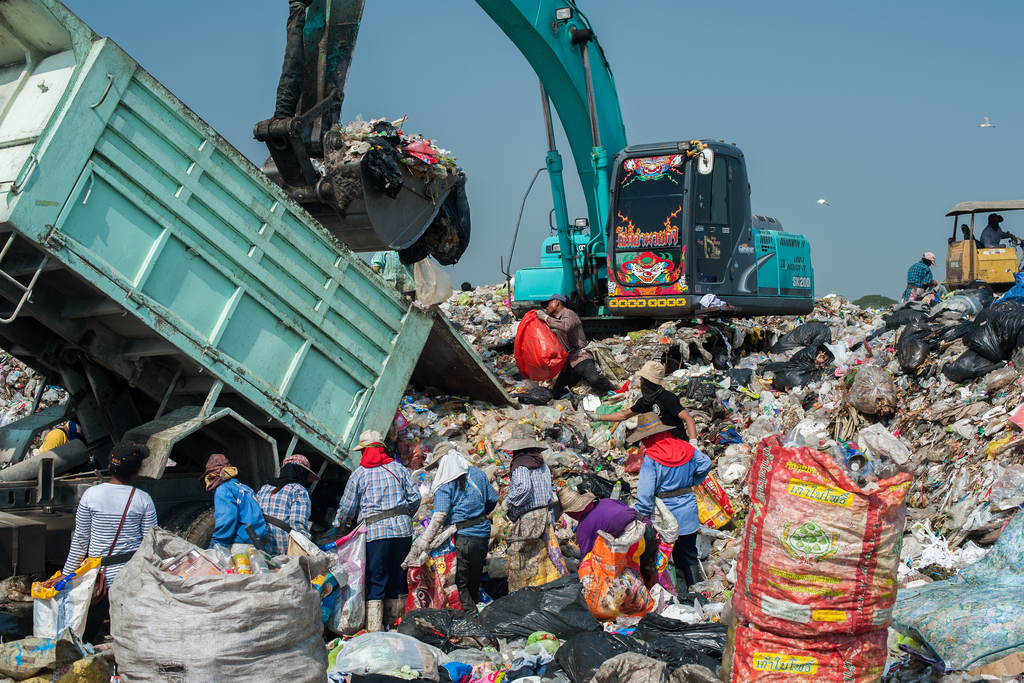
- Inadequate waste‑collection infrastructure, especially in remote and Indigenous communities.
Underlying Drivers
- Consumer demand for inexpensive, disposable packaging.
- Supply‑chain incentives that favour lightweight plastics due to lower transport weight.
- Regulatory gaps that previously allowed single‑use plastics without environmental safeguards.
Environmental and Human Impacts
Environmental Impacts
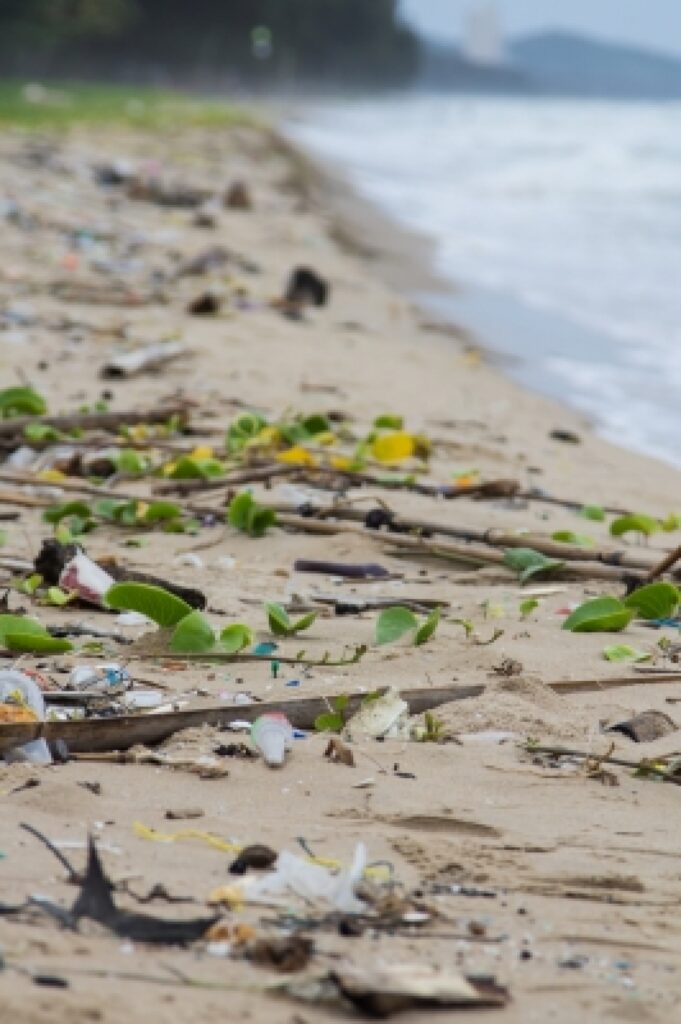
- Marine litter: Microplastic fragments from single‑use items are found in 90% of surveyed marine species in Canadian waters (Environment and Climate Change Canada, 2021).
- Wildlife injury: Ingestion and entanglement incidents involving plastic bags and cutlery have increased by 12% in coastal bird populations over the past decade.
- Greenhouse‑gas emissions: Production of single‑use plastics accounts for roughly 1% of Canada’s total GHG emissions, according to the 2022 National Inventory Report.
Human Health and Social Impacts
- Microplastics have been detected in tap water and table salt across Canada; toxicological studies suggest potential endocrine disruption, though causal pathways remain uncertain.
- Low‑income households may face higher costs if reusable alternatives are not subsidised, creating equity concerns.
Economic and Infrastructure Impacts
- Plastic‑manufacturing sectors employ ~30,000 workers; transition to alternative materials could cause short‑term job displacement but also generate new green‑manufacturing roles.
- Municipal waste‑processing facilities may need upgrades to handle compostable waste streams, requiring capital investment.
Regional Differences
Coastal provinces such as British Columbia and Nova Scotia experience higher marine‑litter exposure, making the ban especially relevant for protecting fisheries and tourism. In contrast, land‑locked provinces like Saskatchewan report lower per‑capita marine plastic ingestion but face challenges related to waste‑transport logistics and limited composting infrastructure. Indigenous communities in the North often lack regular waste‑collection services, meaning that reduction at the source could have outsized benefits for local ecosystems.
What Scientists Know With High Confidence
- Single‑use plastics constitute a major proportion of marine litter and are a source of microplastics in aquatic environments.
- Production of petroleum‑based plastics contributes measurable greenhouse‑gas emissions.
- Policy interventions that restrict availability of disposable items lead to measurable reductions in waste generation when paired with public‑education campaigns.
What Remains Uncertain
Key uncertainties include the net climate benefit of replacing plastics with biodegradable polymers, which can vary depending on feedstock and end‑of‑life treatment. Additionally, the effectiveness of enforcement mechanisms across Canada’s vast geography is not yet known, and long‑term consumer adoption rates for reusable alternatives remain an active research area.
Common Misconceptions
Misconception: The ban will eliminate all plastic pollution.
Reality: The ban targets a specific subset of disposable items; other plastic waste streams (e.g., packaging, fishing gear) will continue to require separate management strategies.
Misconception: Biodegradable plastics are a perfect solution.
Reality: Biodegradable polymers can release methane in anaerobic landfill conditions and may not decompose in cold climates without industrial composting facilities.
Misconception: Recycling alone can solve the problem.
Reality: Recycling rates for lightweight plastics in Canada hover around 10%; many single‑use items are not accepted by municipal programs, limiting the efficacy of recycling as a sole strategy.
Solutions and Limitations
- Prevention through bans: Directly removes problematic items but requires robust enforcement and viable alternatives.
- Extended producer responsibility (EPR): Shifts waste‑management costs to manufacturers; effectiveness depends on clear metrics and compliance monitoring.
- Compostable material adoption: Reduces landfill volume, yet requires industrial composting infrastructure and may have higher life‑cycle emissions.
- Public‑education campaigns: Increase awareness but have limited impact without supportive policy measures.
What Individuals, Communities, and Governments Can Do
What Individuals Can Do
- Carry reusable bags, bottles, and cutlery when shopping or dining out.
- Choose products packaged in recyclable or compostable materials verified by reputable certification.
- Support local businesses that offer zero‑waste options.
What Communities and Organizations Can Do
- Implement community composting hubs to accept biodegradable waste.
- Run school‑based outreach programs that demonstrate the environmental impact of single‑use plastics.
- Partner with Indigenous groups to co‑design waste‑reduction initiatives that respect cultural practices.
What Governments Can Do
- Provide subsidies or tax incentives for manufacturers developing low‑impact alternatives.
- Invest in region‑specific waste‑processing infrastructure, especially in remote and northern areas.
- Enforce compliance through regular inspections and transparent reporting of violations.
What Businesses and Industries Can Do
- Redesign product lines to eliminate unnecessary packaging.
- Adopt EPR schemes that fund collection and recycling programs.
- Report publicly on plastic‑use metrics to encourage accountability.
Closing Synthesis
Canada’s ban on single‑use plastics represents a policy‑driven attempt to curb a well‑documented source of marine litter, wildlife harm, and greenhouse‑gas emissions. High‑confidence science confirms that reducing disposable plastics yields measurable environmental benefits, while uncertainties remain around the life‑cycle impacts of alternative materials and nationwide enforcement. Effective outcomes will depend on coordinated action: clear regulations, industry innovation, infrastructure investment, and sustained public engagement. By addressing both the supply of disposable items and the demand for reusable solutions, Canada can move toward a more resilient and low‑waste future.
Frequently Asked Questions
What items are included in Canada’s single‑use plastic ban?
The ban covers lightweight plastic bags, drinking straws, single‑use cutlery, stir sticks, and certain food‑service containers, unless a certified alternative is offered.
How does the ban aim to reduce plastic waste?
By removing these products from the market, the policy forces manufacturers to develop alternatives and encourages consumers to adopt reusable items, which together lower overall plastic generation.
What evidence supports the effectiveness of plastic bans?
International reviews show 15‑25% reductions in marine litter after similar bans, and Canadian provincial pilots reported a 20% drop in plastic‑bag litter within five years.
What are the main challenges in implementing the ban?
Challenges include ensuring affordable alternatives, enforcing compliance across remote regions, upgrading waste‑processing facilities, and addressing potential job impacts in the plastics sector.
How can individuals help beyond the ban itself?
People can carry reusable bags and utensils, choose products with recyclable or compostable packaging, and support local zero‑waste businesses to reinforce the policy’s goals.





Leave a Comment