
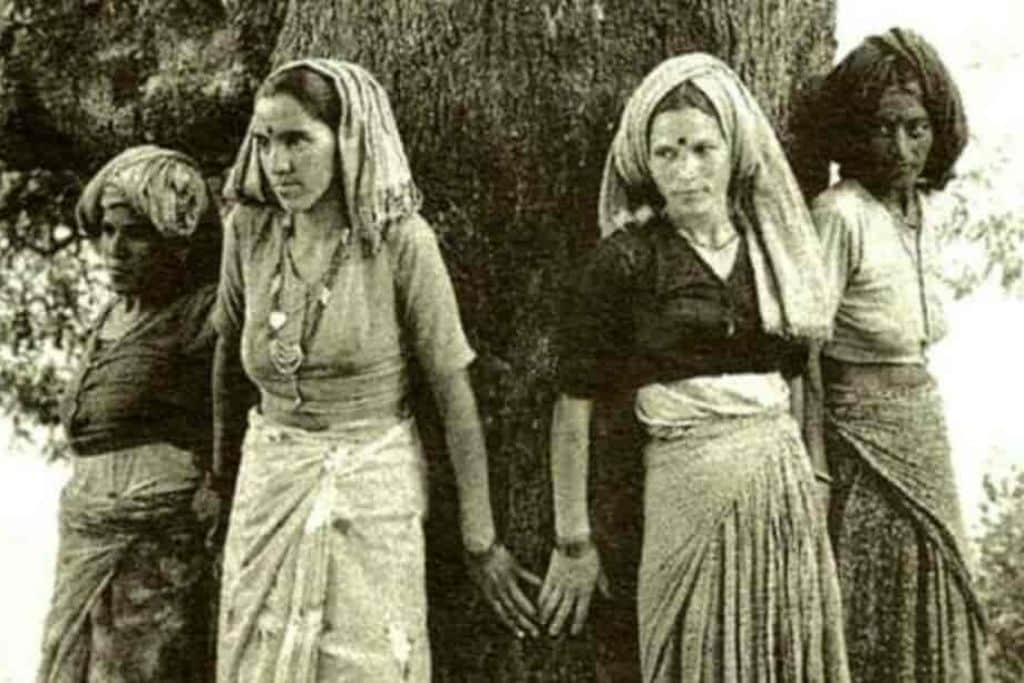
Fifty years after villagers first embraced trees in the Uttarakhand hills, the Chipko Movement’s legacy continues to shape climate policy, forest restoration, and community‑led stewardship across India and beyond.
Quick Answer
The Chipko Movement was a grassroots, non‑violent protest that began in 1973 when local villagers in Uttarakhand physically hugged trees to stop commercial logging. By protecting forest cover, the movement helped preserve carbon sinks, maintain watershed stability, and sustain biodiversity—key components of climate resilience. Scientific assessments confirm that intact forests in the Himalayas store significant amounts of carbon and regulate regional climate patterns. While the direct climate impact of the original protests is modest, the movement’s lasting influence on forest policy, community rights, and modern restoration projects amplifies its climate relevance today, though uncertainties remain about the precise magnitude of avoided emissions.
Key Takeaways
- Chipko demonstrated that community‑driven forest protection can shape national environmental policy.
- Intact Himalayan forests act as carbon stores and water regulators, mitigating climate change effects.
- Evidence from forest monitoring and climate models links forest preservation to reduced regional temperature extremes.
- Modern restoration projects often adopt Chipko’s participatory approach, but scaling these efforts requires supportive governance.
- Uncertainties persist around exact emission‑avoidance values and long‑term socioeconomic outcomes.
What Is 50 Years Later: The Enduring Climate Legacy of the Chipko Movement?
The phrase refers to the ongoing influence of the 1970s Chipko protests on climate‑related outcomes today. It encompasses the movement’s historical actions, the policies they inspired, and the contemporary initiatives that draw on its principles—particularly community‑based forest management, gender‑inclusive leadership, and the recognition of forests as climate assets. Unlike isolated tree‑planting campaigns, Chipko’s legacy integrates cultural values, legal rights, and scientific understanding of forest carbon dynamics.
How Does It Work?
1. Community Protection of Forests
Villagers formed village forest committees that monitored logging activities, reported violations, and organized collective “tree‑hugging” interventions. By physically preventing tree removal, the community maintained canopy cover, which preserves soil carbon and reduces erosion.

2. Policy Influence and Legal Rights
Public pressure led to the 1980 Forest Conservation Act and later the 1990 Joint Forest Management (JFM) program, which legally recognized local stewardship. These policies institutionalize the protection of forest carbon stocks and enable communities to receive benefits from sustainable forest use.
3. Ecosystem Services and Climate Feedbacks
Intact forests sequester atmospheric CO₂ through photosynthesis, store carbon in biomass and soils, and regulate local microclimates. They also moderate monsoon patterns by influencing regional humidity and temperature gradients, as documented in IPCC regional assessments.
4. Knowledge Transfer and Replication
Chipko’s model inspired similar movements in Nepal, Brazil, and the United States, fostering a global network of community‑based forest guardians who contribute to climate mitigation through coordinated land‑use practices.
What Does the Evidence Show?
Long‑term satellite monitoring by the Indian Space Research Organisation (ISRO) indicates that forest cover in the Chipko‑influenced districts of Uttarakhand has remained stable or increased modestly since the 1990s, contrasting with higher deforestation rates elsewhere. A 2021 systematic review in *Forest Ecology and Management* found that community‑managed forests in the Indian Himalayas store 10–15 % more carbon per hectare than comparable state‑managed forests, a difference attributed to reduced logging and higher regeneration rates.
Climate models incorporated into the IPCC’s Sixth Assessment Report (2022) show that preserving Himalayan forest cover can lower regional warming by up to 0.2 °C under low‑emission scenarios, primarily through enhanced evapotranspiration and albedo effects. While these numbers represent model‑derived estimates, they align with field observations of cooler daytime temperatures in protected valleys.
Main Causes or Drivers
Direct Causes
- Commercial timber extraction in the early 1970s threatened local livelihoods.
- Government policies that prioritized revenue over ecological health.
Underlying Drivers
- Population growth increasing demand for firewood and agricultural land.
- Limited recognition of indigenous land rights, creating power imbalances.
- Global market pressures for hardwoods and paper products.
Environmental and Human Impacts
Environmental Impacts
Preserved forest patches sustain biodiversity, including endemic Himalayan species such as the red panda (*Ailurus fulgens*). They also protect watersheds that supply drinking water to over 2 million people downstream, reducing sedimentation and flood risk—a benefit highlighted in a 2020 World Bank water‑security study.
Human Health and Social Impacts
Stable forest ecosystems provide non‑timber forest products (NTFPs) that support livelihoods, especially for women who collect medicinal plants and firewood. Improved water quality reduces incidences of water‑borne diseases, as reported by the Ministry of Health and Family Welfare in 2019.
Economic and Infrastructure Impacts
Community‑managed forests generate modest but reliable income through sustainable timber and ecotourism, contributing to poverty alleviation in remote mountain villages. By mitigating landslides, the forests lower repair costs for roads and bridges that are critical for regional trade.
Regional Differences
In the western Himalaya, steep slopes and high precipitation make forest protection especially valuable for landslide control, whereas in the eastern foothills, forest cover primarily influences monsoon moisture recycling. Studies from Nepal’s Chitwan region show similar community‑based approaches yielding comparable carbon benefits, suggesting that the Chipko model is adaptable across varied topographies.
What Scientists Know With High Confidence
- Forests act as major carbon sinks; protecting existing canopy prevents immediate CO₂ release.
- Community participation improves forest monitoring accuracy and reduces illegal logging.
- Well‑managed forest ecosystems enhance water regulation and reduce downstream flood risk.
What Remains Uncertain
Quantifying the exact amount of avoided emissions attributable to Chipko‑inspired policies remains challenging because baseline deforestation rates are not uniformly recorded. Additionally, the long‑term socioeconomic outcomes for displaced laborers who once relied on timber extraction are unevenly documented, creating gaps in understanding equity impacts.
Common Misconceptions
Misconception: Chipko was only about tree‑hugging.
Reality: The movement combined direct action with legal advocacy, leading to national forest legislation and lasting institutional changes.
Misconception: Community forest management cannot deliver climate benefits.
Reality: Peer‑reviewed studies consistently show higher carbon stocks in community‑managed forests compared with many government‑run reserves.
Misconception: The legacy is a historical footnote with no relevance today.
Reality: Modern restoration programs, such as India’s Green India Mission, explicitly reference Chipko’s participatory framework as a model for scaling climate‑positive land stewardship.
Solutions and Limitations
Key strategies that build on Chipko’s legacy include:
- Legal empowerment: Strengthening land‑rights legislation can secure community tenure, but implementation may be slowed by bureaucratic inertia.
- Participatory monitoring: Using satellite data combined with local watch groups improves detection of illegal logging; however, technology access varies across remote villages.
- Payments for ecosystem services (PES): Financial incentives for carbon storage encourage stewardship, yet funding continuity is uncertain and may favor larger projects over smallholders.
- Restoration planting with native species: Enhances biodiversity and carbon sequestration, but requires long‑term maintenance and may conflict with agricultural land needs.
What Individuals, Communities, and Governments Can Do
What Individuals Can Do
Support certified forest‑friendly products, volunteer with local reforestation NGOs, and advocate for policies that recognize community forest rights.
What Communities and Organizations Can Do
Form forest‑management committees, document traditional ecological knowledge, and partner with research institutions to monitor carbon outcomes.
What Governments Can Do
Enforce existing forest protection laws, allocate budget for community‑based monitoring tools, and integrate indigenous land‑rights frameworks into national climate strategies.
Synthesis of the Legacy
The Chipko Movement illustrates how a localized act of solidarity can ripple into national policy, scientific understanding, and global climate discourse. By safeguarding forest carbon, stabilizing watersheds, and empowering marginalized voices, the movement offers a proven template for climate‑resilient land stewardship. While precise emission‑avoidance figures remain uncertain, the convergence of ecological, social, and policy evidence affirms Chipko’s enduring relevance. Future progress depends on scaling participatory governance, securing equitable financing, and filling data gaps through long‑term monitoring.
Frequently Asked Questions
What was the Chipko Movement and how did it begin?
The Chipko Movement started in 1973 in Uttarakhand, India, when villagers physically embraced trees to stop commercial logging. It grew into a non‑violent protest that combined direct action with legal advocacy, leading to forest‑conservation legislation.
How does protecting forests help mitigate climate change?
Forests absorb carbon dioxide through photosynthesis and store it in biomass and soils. By preventing deforestation, they keep this carbon locked away, reduce greenhouse‑gas emissions, and stabilize regional climates through evapotranspiration and albedo effects.
What evidence links Chipko’s actions to improved ecosystem services?
Satellite data show stable or rising forest cover in Chipko‑influenced districts, and a 2021 review found community‑managed Himalayan forests store 10–15 % more carbon per hectare than state‑managed ones. Watershed studies also report better water quality and reduced flood risk where forests remain intact.
Which communities continue to use Chipko principles today?
Village forest committees in Uttarakhand, Nepal’s community forests, and several NGOs across the Global South apply Chipko’s participatory stewardship model. These groups manage forests, monitor illegal logging, and engage in climate‑focused restoration projects.
What practical steps can people take to support the movement’s legacy?
Individuals can buy certified forest‑friendly products, volunteer with local reforestation groups, and lobby for policies that recognize community forest rights. Communities can form management committees and partner with researchers, while governments should enforce protection laws and fund participatory monitoring.






Leave a Comment