
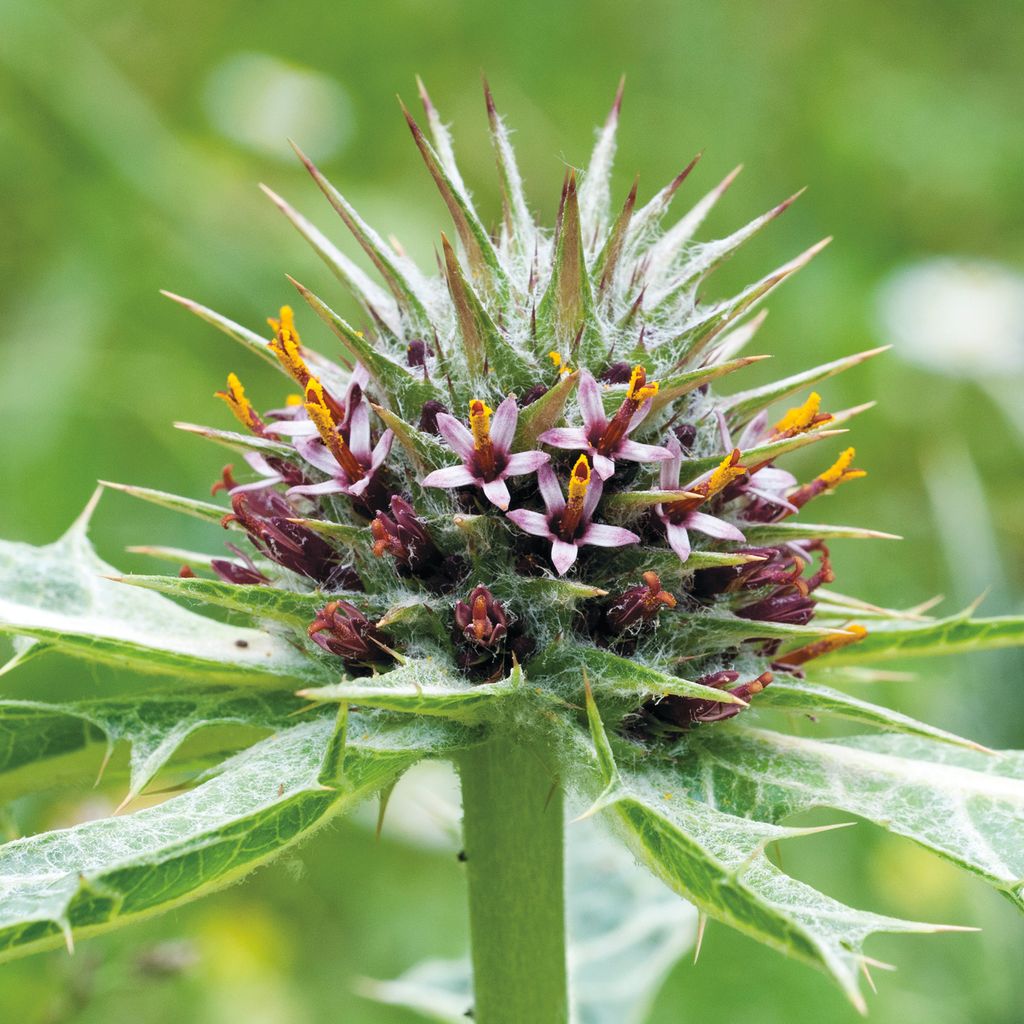
Human activities such as habitat conversion, over‑harvesting, and invasive species have caused the extinction of dozens of plant species, undermining ecosystem services and biodiversity worldwide.
Quick Answer
Plant species become extinct when human‑induced pressures—chiefly habitat loss, unsustainable exploitation, and invasive competitors—eliminate all viable populations. Scientific assessments (e.g., IUCN Red List, IPBES 2019) show that roughly 40% of vascular plants face a high risk of extinction, and several have already vanished. The loss of each species erodes ecological functions, reduces genetic resources for food and medicine, and can trigger cascading effects on dependent wildlife. While the overall trend is well‑documented, uncertainties remain about the exact number of undocumented extinctions and the long‑term recovery potential of ecosystems.
Key Takeaways
- Habitat conversion and over‑harvesting are the leading direct drivers of plant extinction.
- Invasive species and disease can accelerate loss by outcompeting native flora.
- Extinctions reduce ecosystem resilience, affecting services such as pollination, water regulation, and carbon storage.
- Conservation actions that protect habitats and regulate trade have the strongest evidence of success.
- Uncertainties persist around undocumented extinctions and the effectiveness of restoration in highly degraded landscapes.
What Is Plant Species Humans Have Driven to Extinction?
The phrase refers to any vascular plant—trees, shrubs, herbs, or cycads—whose last wild individuals have been eliminated because of direct or indirect human actions. Extinction is confirmed when exhaustive surveys, guided by IUCN criteria, fail to locate any surviving individuals in natural habitats. This differs from “critically endangered” (still extant) or “locally extinct” (extinct in a specific area but surviving elsewhere). The phenomenon matters because plants form the foundation of most terrestrial ecosystems, providing food, habitat, and biochemical cycles.
How Does It Work?
Direct Human Pressures
1. Habitat loss: Deforestation, agricultural expansion, and urban development remove the physical space plants need to grow.
2. Over‑exploitation: Harvesting for timber, ornamental trade, or traditional medicine can deplete entire populations faster than they can regenerate.
3. Invasive species: Non‑native plants, insects, or pathogens introduced through trade outcompete or infect native species.
4. Pollution: Soil contamination and eutrophication alter nutrient balances, making conditions unsuitable for sensitive taxa.
Ecological Cascades
When a plant disappears, species that depend on it—for food, shelter, or pollination—may decline or disappear as well. This can lead to reduced pollinator abundance, altered fire regimes, and weakened soil stability, creating feedback loops that further degrade the habitat.
What Does the Evidence Show?
Long‑term monitoring by the International Union for Conservation of Nature (IUCN) indicates that, as of the 2022 Red List update, over 21,000 plant species are threatened, and at least 300 have been recorded as extinct in the wild. The Intergovernmental Science‑Policy Platform on Biodiversity and Ecosystem Services (IPBES) 2019 Global Assessment links land‑use change to 70 % of documented plant extinctions. Case studies—such as the extinction of the Mauritian palm Raphia taedigera due to plantation agriculture, and the loss of the South African cycad Encephalartos woodii from illegal collecting—illustrate these patterns across continents.
Main Causes or Drivers
Habitat Loss and Conversion
Conversion of forests to cropland or pasture eliminates the microclimates required by many understory species. Satellite analyses (NASA, 2020) show a 15 % decline in tropical forest cover between 2000 and 2019, correlating with increased plant extinction risk in those regions.
Over‑exploitation for Horticulture and Timber
Demand for exotic ornamental plants has driven poaching of rare taxa. The Franklinia tree (Franklinia alatamaha) survived only in cultivation after wild populations were cleared for timber and ornamental use in the 19th century.
Invasive Species and Disease
Introduced pathogens such as the fungus Phytophthora spp. have caused rapid die‑offs of native trees in Europe and North America. Invasive grasses in the Mediterranean outcompete endemic herbs, leading to local extinctions.
Environmental and Human Impacts
Environmental Impacts
Loss of plant diversity reduces carbon sequestration capacity, alters hydrological cycles, and diminishes soil fertility. For example, the disappearance of native wetland reeds in the Everglades has lowered water‑filtration efficiency, increasing nutrient runoff.
Human Impacts
Communities that rely on wild plants for food, medicine, or cultural practices face reduced livelihoods. Indigenous groups in the Amazon have reported loss of traditional medicinal species following forest clearance, threatening cultural heritage and health security.
Regional Differences
In tropical hotspots such as the Congo Basin, rapid logging and mining intensify habitat loss, leading to higher rates of plant extinction than in temperate regions where land‑use change has slowed. Island ecosystems (e.g., Madagascar, New Zealand) are especially vulnerable because many species have restricted ranges; a single invasive rat species can precipitate multiple plant extinctions.
What Scientists Know With High Confidence
- Habitat conversion is the primary driver of plant extinction globally (IPBES 2019).
- Over‑harvesting for trade has directly caused the loss of at least 75 documented plant species.
- Invasive species are a leading cause of extinction on islands and in isolated ecosystems.
- Plant extinctions have measurable impacts on ecosystem services such as pollination and water regulation.
What Remains Uncertain
Key gaps include the true number of undocumented extinctions, especially among poorly surveyed groups like cryptic orchids, and the long‑term effectiveness of restoration projects in re‑establishing functional plant communities. Limited baseline data in many tropical regions hampers precise risk assessments.
Common Misconceptions
Misconception: Plant extinctions are rare compared with animal extinctions.
Reality: While charismatic megafauna receive more media attention, plants comprise the majority of known extinctions; estimates suggest that plant extinctions outnumber animal extinctions by a factor of three.
Misconception: Only exotic or ornamental plants are at risk.
Reality: Many endemic wild species with no commercial value are disappearing because their habitats are converted for agriculture or urban use.
Misconception: Once a species is extinct in the wild, it cannot be saved.
Reality: Ex‑situ conservation (seed banks, botanical gardens) can preserve genetic material, and re‑introduction programs have succeeded for species like the Chilean wine palm (Jubaea chilensis), though success depends on habitat restoration.
Solutions and Limitations
Effective responses combine habitat protection, sustainable use regulations, and invasive‑species management. Protected‑area networks, when adequately funded, reduce habitat loss but may not address illegal harvesting outside boundaries. International trade controls (CITES) curb over‑exploitation, yet enforcement varies across jurisdictions. Restoration ecology can rebuild degraded landscapes, but high‑cost, long‑term commitments are required, and restored communities may differ functionally from original ecosystems.
What Individuals, Communities, and Governments Can Do
What Individuals Can Do
- Support native‑plant nurseries and avoid purchasing wild‑collected specimens.
- Participate in citizen‑science monitoring programs that document local plant diversity.
- Advocate for policies that protect critical habitats in your region.
What Communities and Organizations Can Do
- Establish community‑managed conservation areas that balance sustainable livelihoods with habitat protection.
- Implement invasive‑species removal projects and educate residents about preventing accidental introductions.
- Partner with botanical gardens to develop seed‑bank collections of locally threatened species.
What Governments Can Do
- Integrate plant‑conservation targets into national biodiversity strategies and allocate long‑term funding.
- Strengthen enforcement of existing trade regulations and expand protected‑area coverage to include under‑represented ecosystems.
- Invest in systematic monitoring networks (e.g., GBIF) to improve data on plant distributions and trends.
Closing Synthesis
Human activities have directly driven dozens of plant species to extinction by destroying habitats, over‑harvesting, and facilitating invasive threats. Robust evidence from the IUCN Red List and IPBES confirms these patterns, while uncertainties remain about undocumented losses and restoration outcomes. Protecting remaining habitats, regulating trade, and supporting restoration offer the most reliable pathways to prevent further loss, but they require coordinated action across individuals, communities, and governments. By safeguarding plant diversity, we preserve the ecological foundations essential for a resilient planet.
Frequently Asked Questions
What defines a plant species as extinct?
A plant species is classified as extinct when exhaustive surveys following IUCN criteria fail to locate any living individuals in their natural habitats, confirming that no wild populations remain.
Which human activities most often cause plant extinctions?
The primary drivers are habitat loss from agriculture and urban expansion, over‑harvesting for timber or ornamental trade, and the introduction of invasive species that outcompete native flora.
How does the loss of a single plant species affect ecosystems?
When a plant disappears, species that rely on it for food, shelter, or pollination can decline, leading to reduced biodiversity, altered nutrient cycles, and weakened ecosystem services such as water filtration.
Are there successful examples of preventing plant extinction?
Yes. Protected‑area designation, strict trade regulations under CITES, and ex‑situ conservation in botanical gardens have helped preserve species like the Franklin tree, which now survives only in cultivation.
What actions can individuals take to help stop plant extinctions?
Individuals can choose native plants for gardening, avoid buying wild‑collected specimens, support seed‑bank projects, and engage in citizen‑science monitoring to document local plant diversity.







Leave a Comment