
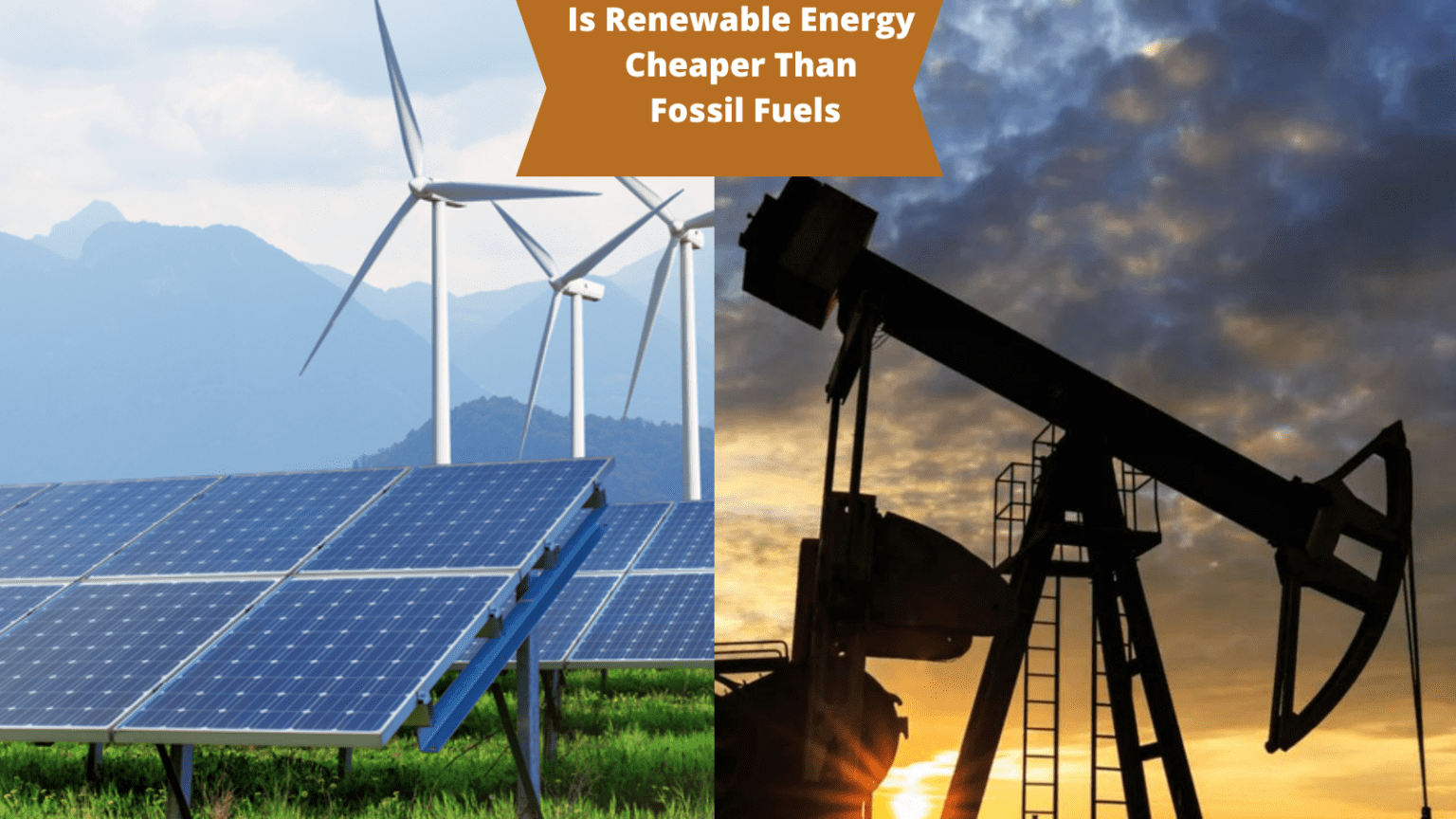
Wind power’s levelized cost has fallen enough that it now often undercuts coal and gas, but a full cost comparison must include intermittency, storage and hidden health impacts of fossil fuels.
Quick Answer
Modern on‑shore wind farms produce electricity at a levelized cost of $30‑40 per megawatt‑hour (MWh) in many regions, while new coal plants typically cost $60‑110/MWh and natural‑gas combined‑cycle plants range from $45‑70/MWh (International Energy Agency, 2023). When externalities such as air‑pollution health costs and carbon pricing are added, wind becomes even more cost‑competitive. The main uncertainty lies in the cost of large‑scale storage needed to smooth wind’s variability, but rapid battery price declines are reducing that gap.
Key Takeaways
- On‑shore wind LCOE is roughly half that of new coal plants in most mature markets.
- Including health and climate externalities makes wind clearly cheaper than fossil fuels.
- Intermittency requires storage or grid flexibility, adding cost but decreasing as battery prices fall.
- Wind projects create local jobs and reduce dependence on imported fuels.
- Policy support (tax credits, renewable portfolio standards) accelerates cost reductions.
What Is Is Wind Energy Cheaper Than Fossil Fuels Today??
The question asks whether the total cost of generating electricity from wind – including capital, operation, financing and external costs – is lower than the comparable total cost of electricity from fossil‑fuel plants such as coal or natural gas. The comparison uses the levelized cost of energy (LCOE), which spreads all costs over the plant’s expected lifetime and output, allowing a like‑for‑like economic assessment.
How Does It Work?
1. Generating Electricity from Wind
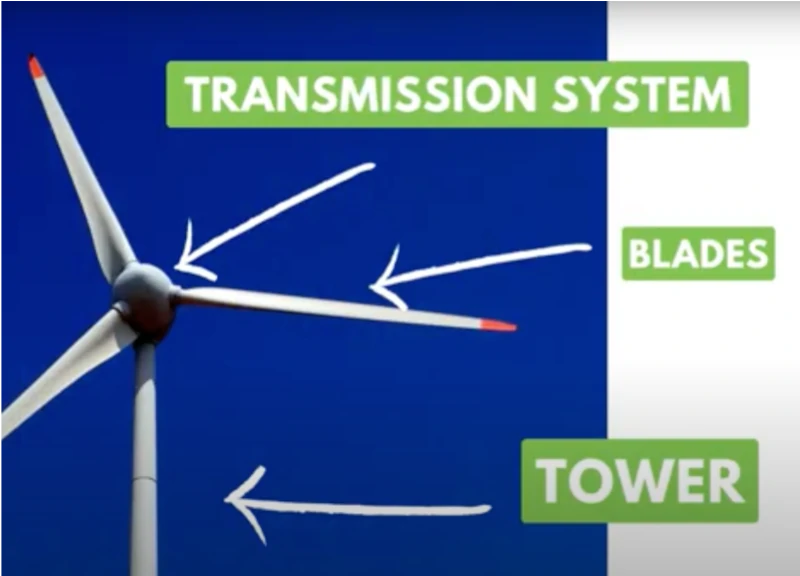
- Wind turbines convert kinetic energy of moving air into mechanical rotation.
- The rotor drives a generator that produces alternating current.
- Power electronics condition the electricity to match grid standards.
- Transmission lines deliver the power to consumers.
2. Calculating Levelized Cost of Energy (LCOE)
LCOE = (Capital + Operations + Fuel + Financing) ÷ Total electricity generated over the plant’s lifetime. For wind, fuel cost is zero, and operations are modest; the dominant expense is the upfront turbine and installation cost.
3. Accounting for Externalities
External costs include air‑pollution–related health impacts, climate damages from CO₂ emissions, and ecosystem degradation from mining or drilling. Economists estimate these using damage‑cost studies and incorporate them as a price per tonne of CO₂ or per kilogram of pollutant.
What Does the Evidence Show?
Multiple independent assessments converge on the same conclusion: wind’s LCOE has fallen dramatically and now competes with, and often undercuts, fossil‑fuel LCOE.
- The International Energy Agency’s 2023 World Energy Outlook reports average on‑shore wind LCOE of $30‑40/MWh in the United States, Europe and parts of Asia, compared with $60‑110/MWh for new coal plants and $45‑70/MWh for new gas plants.
- A 2022 meta‑analysis of 112 wind projects (published in *Renewable and Sustainable Energy Reviews*) found a 48 % reduction in capital cost per MW between 2010 and 2020, driven by larger turbine sizes and supply‑chain efficiencies.
- The World Health Organization estimates that ambient air pollution from fossil‑fuel power plants contributes roughly $5 trillion in health costs globally each year (WHO, 2021). When these costs are internalised, wind’s comparative advantage widens further.
- Battery storage costs have halved since 2015 (BloombergNEF, 2023), decreasing the additional expense needed to mitigate wind intermittency.
Main Causes or Drivers
Technological Advances
Increased rotor diameters, higher hub heights and improved blade aerodynamics have raised capacity factors from ~25 % to >40 % in many sites.
Economies of Scale
Global wind‑farm capacity grew from 14 GW in 2010 to over 100 GW in 2022, allowing manufacturers to spread R&D and production costs over larger volumes.
Policy Incentives
Tax credits such as the U.S. Production Tax Credit (PTC) and feed‑in tariffs in Europe have lowered financing costs and attracted investment.
Fossil‑Fuel Market Pressures
Regulatory carbon pricing, stricter emission standards and volatile commodity prices increase the effective cost of coal and gas.
Environmental and Human Impacts
Environmental Impacts
Wind turbines emit no greenhouse gases during operation and have a small land‑use footprint—typically <1 % of the area is occupied by foundations and access roads. Life‑cycle analyses show wind’s carbon intensity is 10‑20 g CO₂‑eq/kWh, far below coal’s 820‑1050 g CO₂‑eq/kWh (IEA, 2023).
Human Health and Social Impacts
Replacing coal with wind eliminates fine‑particle (PM₂.₅) emissions that cause respiratory and cardiovascular disease. The WHO links a 10 µg/m³ increase in PM₂.₅ to a 6 % rise in premature deaths; wind avoids this exposure for communities near power plants.
Economic and Infrastructure Impacts
Wind construction creates 1.5 MW‑year of jobs per MW installed (U.S. Bureau of Labor Statistics, 2022). However, transmission upgrades may be required to move power from often remote, windy sites to demand centers.
Regional Differences
Cost competitiveness varies with wind resource quality, labor costs and grid conditions.
- In the Great Plains of the United States, average wind speeds exceed 8 m/s, yielding LCOE near $30/MWh.
- In Southern Europe, higher population density raises land‑use conflicts, but offshore wind projects achieve $45‑55/MWh, still below new gas plants.
- In developing regions such as Sub‑Saharan Africa, capital scarcity and limited grid capacity raise effective wind costs, but international financing mechanisms (e.g., Green Climate Fund) are narrowing the gap.
What Scientists Know With High Confidence
What Scientists Know With High Confidence
- Wind turbines generate electricity without direct CO₂ emissions.
- The LCOE of on‑shore wind has declined by roughly 50 % over the past decade.
- Air‑pollution health costs from fossil‑fuel power are substantial and can be monetised.
- Battery storage costs are falling rapidly, improving the economics of variable renewables.
What Remains Uncertain
What Remains Uncertain
Key uncertainties centre on the future cost trajectory of long‑duration storage, the speed of policy adoption in emerging economies, and the ecological impacts of large‑scale offshore wind on marine mammals, which remain under‑studied.
Common Misconceptions
Common Misconceptions
Misconception: Wind energy is always more expensive than coal.
Reality: In most mature markets, wind LCOE is roughly half that of new coal plants when capital, operations and financing are considered.
Misconception: Wind turbines cause more wildlife deaths than fossil‑fuel plants.
Reality: Bird and bat collisions are measurable but represent far fewer fatalities than the millions of premature deaths attributed to air‑pollution from coal combustion.
Misconception: Wind cannot supply baseload power.
Reality: While wind is variable, a mix of storage, demand‑response and complementary generation (e.g., hydro) can provide reliable, continuous electricity.
Misconception: All wind farms are built on pristine wilderness.
Reality: Most on‑shore farms occupy agricultural or marginal lands, and land beneath turbines can continue to be used for grazing or crops.
Solutions and Limitations
Key strategies to maximise wind’s cost advantage include:
- Grid Modernisation: Upgrading transmission and implementing smart‑grid controls reduces curtailment, but requires significant capital investment.
- Energy Storage: Lithium‑ion batteries and emerging flow‑battery technologies smooth supply, yet current storage duration (4‑8 hours) may be insufficient for multi‑day low‑wind periods.
- Policy Instruments: Carbon pricing internalises fossil‑fuel externalities, making wind comparatively cheaper; however, policy stability varies across jurisdictions.
- Hybrid Projects: Co‑locating wind with solar or pumped‑hydro can balance output, but site‑specific constraints limit applicability.
Each solution carries trade‑offs: storage adds upfront cost, transmission upgrades may face land‑use opposition, and policy incentives can be politically volatile.
What Individuals, Communities, and Governments Can Do
What Individuals Can Do
- Support utilities that source electricity from wind through green‑power purchase agreements.
- Advocate for local wind‑farm permitting processes that include community benefit agreements.
What Communities and Organizations Can Do
- Partner with developers to host turbines on agricultural or municipal land, generating lease revenue.
- Invest in community‑owned wind cooperatives that retain profits locally.
What Governments Can Do
- Implement or raise carbon pricing to reflect health and climate externalities.
- Provide stable, long‑term renewable portfolio standards that guarantee market demand for wind.
- Fund research into long‑duration storage and offshore wind environmental monitoring.
Closing Synthesis
Evidence from multiple reputable sources shows that on‑shore wind’s levelized cost now routinely undercuts new coal and gas plants, especially when health and climate externalities are internalised. While intermittency and storage remain the primary technical challenges, rapid advances in battery technology and grid flexibility are narrowing those gaps. Policymakers, investors and communities that address the remaining uncertainties—particularly long‑duration storage and offshore ecological impacts—can accelerate the transition to a cost‑effective, low‑carbon electricity system.
Frequently Asked Questions
How is the levelized cost of energy (LCOE) calculated for wind and fossil fuels?
LCOE spreads all lifetime costs—capital, operation, fuel (zero for wind), and financing—over total electricity generated, giving a $/MWh figure that lets wind, coal and gas be compared directly.
Why do externalities make wind cheaper than fossil fuels?
Externalities such as air‑pollution health costs and CO₂ climate damages are not paid by fossil‑fuel plants. When these are monetised, wind’s total cost advantage grows because wind emits no pollutants during operation.
What are the main uncertainties affecting wind’s cost competitiveness?
Key uncertainties include the future price of long‑duration storage, the speed of policy adoption in emerging markets, and incomplete knowledge of offshore wind’s marine ecosystem impacts.
Can wind power provide reliable baseload electricity?
Wind alone is variable, but when combined with storage, demand‑response, hydro or other renewables, it can contribute reliably to a continuous electricity supply.
What actions can local communities take to benefit from wind projects?
Communities can host turbines on marginal land, negotiate lease payments, form wind cooperatives, and participate in decision‑making to ensure local economic benefits and environmental safeguards.





Leave a Comment