
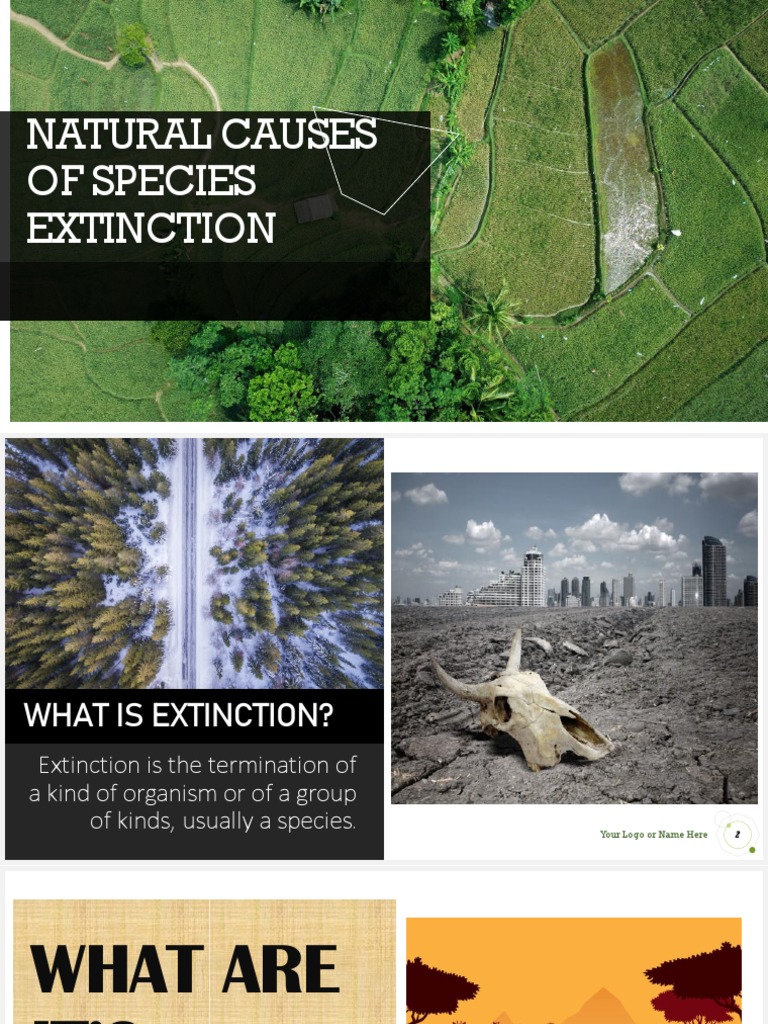
Extinction is a natural evolutionary process that has shaped life for billions of years, but human activities now accelerate species loss far beyond background rates, threatening ecosystems and human‑wellbeing.
Quick Answer
Extinction is an inherent part of the Earth’s evolutionary history; species disappear when they cannot adapt to changing environments, competition, or catastrophic events. In the fossil record, background extinction rates average about one to five species per million per year, but the current rate is estimated to be 100‑1,000 times higher because of habitat loss, climate change, overexploitation, pollution, and invasive species caused by humans. This accelerated loss reduces biodiversity, weakens ecosystem services, and increases the risk of cascading collapses, although the exact future trajectory remains uncertain.
Key Takeaways
- Extinction has occurred throughout Earth’s history and is a driver of evolutionary innovation.
- Five major mass‑extinction events reshaped life, the most severe being the Permian‑Triassic loss of ~95% of marine species.
- Human‑induced drivers now push species to extinction at rates far exceeding natural background levels.
- Loss of keystone or ecosystem‑engineer species can trigger cascading effects across food webs.
- Conservation, habitat protection, and climate mitigation can reduce the anthropogenic extinction rate, but trade‑offs and limited resources remain.
What Is Extinction?
In biological terms, extinction is the permanent disappearance of the last viable individual of a species. It differs from local extirpation, where a species disappears from a particular region but persists elsewhere. Extinction can be classified as:
- Background extinction: the steady, low‑level loss of species over geological time.
- Mass extinction: a rapid, widespread loss of many taxa, typically linked to major environmental upheavals.
- Anthropogenic extinction: species loss directly or indirectly caused by human activities.
Understanding extinction matters because each species contributes to ecosystem functions, cultural values, and potential scientific discoveries.
How Does Extinction Work?
1. Environmental Change
Shifts in climate, sea level, or habitat availability alter the conditions a species requires for survival. When change outpaces a species’ capacity to migrate, evolve, or acclimatize, mortality rises.
2. Biological Interactions
Predation, competition, disease, and mutualistic breakdown can push vulnerable populations below viable numbers. The loss of a pollinator, for example, can reduce plant reproduction, feeding back into animal food webs.
3. Demographic Decline
Small populations suffer from inbreeding depression, Allee effects, and stochastic events (e.g., fires, floods). Once numbers fall below a critical threshold, recovery becomes unlikely.
4. Catastrophic Events
Asteroid impacts, massive volcanism, or rapid oceanic anoxia can cause abrupt, global‑scale mortality, as documented for the Cretaceous‑Paleogene extinction that eliminated non‑avian dinosaurs.
What Does the Evidence Show?
Long‑term fossil records demonstrate that life has endured five major mass‑extinction intervals (Bambach et al., 2019). The Intergovernmental Science‑Policy Platform on Biodiversity and Ecosystem Services (IPBES) 2019 Global Assessment reports that approximately 1 million species are at risk of extinction within decades, a rate 100‑1,000 times faster than background levels (IPBES, 2019). The International Union for Conservation of Nature (IUCN) Red List, updated 2023, lists more than 37,400 species as threatened, confirming a rapid upward trend in risk categories.
Comparative studies of the fossil record and modern monitoring indicate that current drivers—habitat conversion, overexploitation, climate change, pollution, and invasive species—are synergistic, amplifying each other’s impacts (Ceballos et al., 2020). While uncertainties remain about exact extinction numbers (many species are undescribed), the convergence of paleontological, ecological, and socio‑economic data supports the conclusion of an unprecedented anthropogenic wave of loss.
Main Causes or Drivers
Natural Drivers
- Gradual climate oscillations (e.g., ice‑age cycles).
- Geological processes such as mountain building or oceanic circulation shifts.
- Biological interactions like predation and competition.
Human‑Induced Drivers
- Habitat destruction: Deforestation, wetland drainage, and urban expansion reduce available living space. The World Wildlife Fund (WWF) 2020 Living Planet Report notes a 68% decline in vertebrate population abundance since 1970, largely linked to habitat loss.
- Overexploitation: Unsustainable fishing, hunting, and trade drive many species toward extinction; the IUCN reports that 34% of marine species are overfished.
- Climate change: Rising temperatures and altered precipitation shift suitable habitats poleward and upward, outpacing many species’ dispersal abilities (IPCC, 2021).
- Pollution: Chemical contaminants, plastic debris, and eutrophication cause direct mortality and reproductive failure.
- Invasive species: Non‑native organisms outcompete or prey upon native species, exemplified by the brown tree snake’s impact on Guam’s bird fauna.
Environmental and Human Impacts
Environmental Impacts
- Loss of ecosystem services: Pollination, water purification, carbon sequestration, and soil formation decline as functional species disappear.
- Trophic cascades: The removal of apex predators or keystone species (e.g., sea otters) can lead to overabundance of prey and habitat degradation.
- Genetic erosion: Reduced genetic diversity limits adaptive potential, making ecosystems more vulnerable to future stressors.
Human Health and Social Impacts
- Reduced availability of medicinal plants and potential pharmaceutical compounds.
- Increased exposure to zoonotic diseases when wildlife habitats are fragmented, as seen with Ebola and COVID‑19 spillovers.
- Cultural loss for Indigenous peoples whose identities are tied to specific species.
Economic and Infrastructure Impacts
- Declines in fisheries and tourism revenues; the World Bank estimates that biodiversity loss could cost up to 2% of global GDP annually.
- Greater vulnerability of coastal communities to storm surges when mangrove forests, which rely on diverse species, are degraded.
Regional Differences
Extinction pressures vary by geography. Tropical rainforests, which harbor over 50% of known species, face the highest deforestation rates—approximately 10 million hectares per year according to the Food and Agriculture Organization (FAO, 2022). In contrast, many temperate regions experience slower habitat loss but higher climate‑change‑related range shifts. Island ecosystems display disproportionate vulnerability; the Pacific Islands Report (2021) documents that 75% of endemic bird species are threatened, reflecting limited ranges and invasive predator impacts.
What Scientists Know With High Confidence
- Background extinction rates are low (1‑5 species per million per year) compared with current anthropogenic rates.
- Human activities are the primary driver of the accelerated extinction observed since the Industrial Revolution.
- Loss of keystone or ecosystem‑engineer species can trigger measurable ecosystem function declines.
- Climate change is already altering species distributions and phenology at observable rates.
What Remains Uncertain
Key uncertainties include the exact number of species yet to be described, the long‑term adaptive capacity of ecosystems under simultaneous stressors, and the precise thresholds at which ecosystem services collapse. Improved global monitoring, taxonomic research, and integrated modeling are needed to narrow these gaps.
Common Misconceptions
Misconception: Extinction is always a recent, human‑caused phenomenon.
Reality: Extinction has occurred throughout Earth’s history; however, the current rate is anomalously high and linked to human influence.
Misconception: If a species is rare, it is automatically endangered.
Reality: Rarity alone does not determine risk; population trends, distribution, and threats are the critical factors used by the IUCN Red List criteria.
Misconception: One‑off conservation projects can stop extinction.
Reality: Effective mitigation requires systemic changes in land‑use policy, climate mitigation, and sustainable resource management, not isolated actions.
Solutions and Limitations
- Habitat protection: Establishing protected areas preserves biodiversity, but effectiveness depends on adequate enforcement and connectivity.
- Climate mitigation: Reducing greenhouse‑gas emissions slows climate‑driven range shifts, yet mitigation alone cannot reverse habitat loss.
- Restoration: Reforestation and wetland reconstruction can rebuild ecosystems, but restored habitats may lack the original species composition and take decades to mature.
- Invasive‑species management: Eradication programs can protect native fauna, but they are costly and risk non‑target impacts.
- Sustainable resource use: Certification schemes (e.g., FSC, MSC) promote lower exploitation rates, yet market demand and illegal trade remain challenges.
What Individuals, Communities, and Governments Can Do
What Individuals Can Do
- Choose sustainably sourced products (e.g., certified timber, seafood).
- Support organizations that fund habitat conservation and anti‑poaching efforts.
- Reduce personal carbon footprints through energy efficiency and low‑carbon transport.
What Communities and Organizations Can Do
- Develop local land‑use plans that integrate green corridors and community‑managed reserves.
- Implement citizen‑science monitoring to track species trends and inform management.
- Promote education programs that highlight the links between biodiversity and human well‑being.
What Governments Can Do
- Enact and enforce robust biodiversity legislation aligned with the Convention on Biological Diversity targets.
- Allocate funding for large‑scale protected area networks that ensure ecological connectivity.
- Integrate biodiversity considerations into climate‑policy, agriculture, and infrastructure planning.
- Support international cooperation to curb wildlife trafficking and invasive‑species introductions.
Closing Synthesis
Extinction is an intrinsic, natural component of Earth’s evolutionary narrative, but the present human‑driven surge threatens to outpace the planet’s capacity for renewal. Robust evidence from the fossil record, modern monitoring, and global assessments confirms that anthropogenic pressures have dramatically accelerated species loss, especially for those fulfilling critical ecological roles. While uncertainties remain about exact species counts and ecosystem thresholds, the high‑confidence findings guide actionable pathways: protect habitats, mitigate climate change, restore degraded systems, and adopt sustainable resource use. By aligning individual choices, community initiatives, and governmental policies, society can temper the unprecedented extinction tide and preserve the biodiversity essential for resilient ecosystems and human prosperity.
Frequently Asked Questions
What is the difference between background extinction and mass extinction?
Background extinction is the low, steady rate of species loss (about 1‑5 species per million per year) that occurs naturally over geological time, whereas mass extinction involves a rapid, widespread loss of many taxa, typically triggered by catastrophic events such as volcanic eruptions or asteroid impacts.
How do scientists estimate current extinction rates?
Scientists combine fossil‑record baselines, Red List assessments, and long‑term monitoring data to compare the number of species disappearing today with background rates. The IPBES 2019 report estimates current rates are 100‑1,000 times higher than natural background levels.
Which human activities most directly cause species extinction?
The primary drivers are habitat destruction (deforestation, urbanization), overexploitation (unsustainable fishing, hunting), climate change, pollution, and the introduction of invasive species. These pressures often act together, amplifying their overall impact.
Can protecting a single species prevent ecosystem collapse?
Protecting a keystone or ecosystem‑engineer species can help maintain ecosystem function, but broader conservation of habitats and ecological networks is needed to prevent cascade effects and ensure long‑term stability.
What actions can individuals take to help reduce extinction rates?
Individuals can choose sustainably sourced products, support conservation organizations, reduce their carbon footprint, and participate in citizen‑science projects that monitor local wildlife, thereby contributing to broader biodiversity protection efforts.









Leave a Comment