
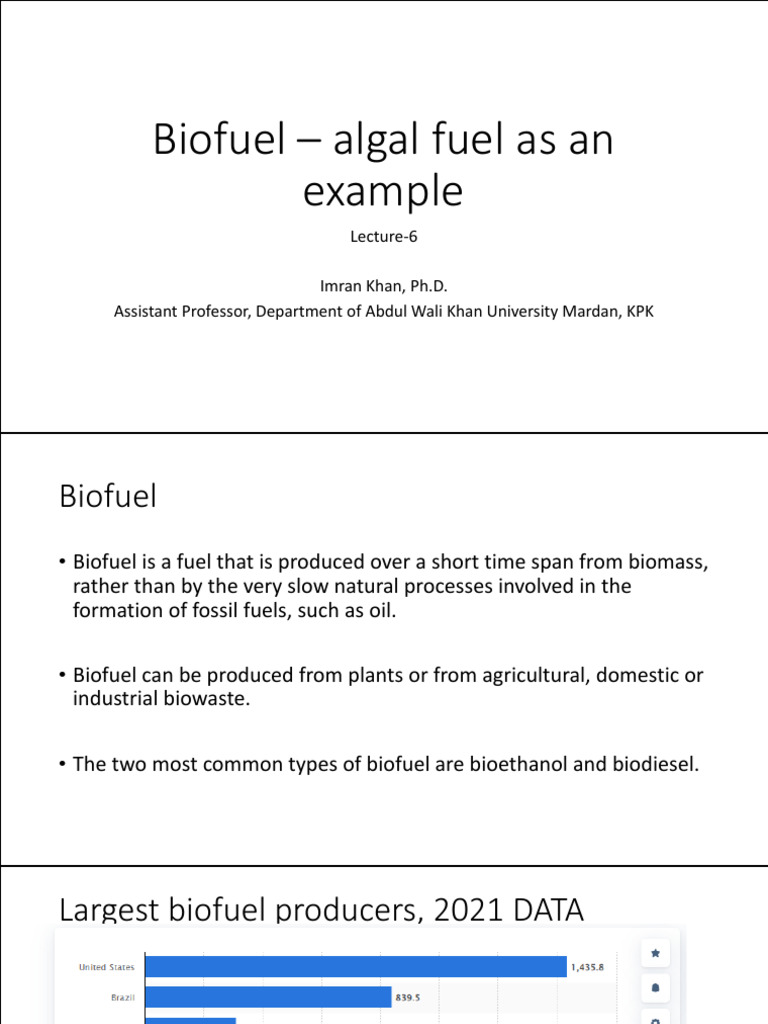
Algal biofuel converts sunlight, CO₂, and nutrients into oil‑rich biomass, offering a renewable fuel that could reduce reliance on fossil fuels while sequestering carbon, though technical and economic challenges remain.
Quick Answer
Algal biofuel is a renewable fuel produced from microscopic algae that accumulate lipids, which are extracted and refined into biodiesel or jet fuel. The process harnesses photosynthesis to capture carbon dioxide, turning it into energy‑dense oil. Scientific assessments agree that algae can yield far more fuel per unit area than terrestrial crops, but large‑scale production is still cost‑lier than petroleum and requires advances in cultivation, harvesting, and processing. Consequently, algal biofuel may become a meaningful supplement to the energy mix, yet it is not yet a standalone solution for eliminating fossil‑fuel use.
Key Takeaways
- Algae can produce up to 100 times more oil per hectare than corn or soybeans.
- Growth consumes CO₂, providing a potential carbon‑capture pathway.
- Current production costs exceed those of conventional diesel and jet fuel.
- Genetic engineering and photobioreactor design are narrowing the cost gap.
- Policy incentives and infrastructure investment are essential for commercial viability.
What Is Algal Biofuel?
Algal biofuel refers to liquid fuels derived from the lipids (oils) stored in photosynthetic microorganisms called algae. These organisms include micro‑algae (single‑cell species) and macro‑algae (seaweed), but commercial research focuses on fast‑growing micro‑algae that can be cultivated in open ponds or closed photobioreactors. The term is distinct from first‑generation biofuels such as corn ethanol because algae do not compete directly with food crops for arable land and can use saline or wastewater, reducing pressure on freshwater resources.
How Does It Work?
1. Cultivation
Algae are grown in large volumes of water supplied with carbon dioxide, nutrients (nitrogen, phosphorus, trace metals), and light. Two main systems exist:
- Open ponds: Shallow, raceway ponds that rely on natural sunlight and are inexpensive to construct but are vulnerable to contamination and evaporation.
- Closed photobioreactors: Enclosed tubes or panels that allow precise control of temperature, CO₂ supply, and light intensity, yielding higher productivity at greater capital cost.
2. Lipid Accumulation
Under optimal nutrient and light conditions, many algal species divert up to 50 % of their dry weight into triglycerides, the molecules that become biodiesel after transesterification. Stressors such as nitrogen limitation can trigger even higher lipid accumulation, albeit with slower overall growth.
3. Harvesting and Extraction
Harvesting concentrates the algal slurry by centrifugation, flocculation, or membrane filtration. Lipids are then extracted using solvents (e.g., hexane) or mechanical methods such as press‑squeezing. Emerging techniques include supercritical CO₂ extraction, which reduces solvent residues.
4. Conversion to Fuel
The extracted oil undergoes transesterification to produce biodiesel, or hydroprocessing to create renewable jet or diesel fuel compatible with existing engines. Co‑products such as protein‑rich residual biomass can be used as animal feed or fertilizer, improving overall economics.
What Does the Evidence Show?
Multiple lines of evidence indicate that algae have high theoretical yields. A 2018 review in Energy & Environmental Science calculated a potential maximum of 20 000 L of oil per hectare per year, far exceeding the ~400 L/ha from soybeans. Field trials by the U.S. Department of Energy’s Aquatic Species Program (1998‑2007) demonstrated pilot‑scale production of 2 000 L/ha/yr, confirming feasibility but also highlighting cost barriers.
Life‑cycle assessments (LCAs) from the International Energy Agency (IEA, 2021) show that algal biodiesel can achieve a net carbon reduction of 50‑80 % compared with petroleum diesel when powered by low‑carbon electricity and when CO₂ is sourced from industrial flue gases. However, LCAs also reveal that energy inputs for harvesting and drying can offset gains if powered by fossil electricity.
Economic analyses consistently report production costs between US$5–10 per gallon (2020 USD), whereas diesel averages around US$3 per gallon. Ongoing research aims to lower costs through strain engineering, high‑density photobioreactors, and integration with wastewater treatment.
Main Causes or Drivers
Direct Drivers
- Rising demand for low‑carbon transport fuels, especially in aviation and maritime sectors where electrification is limited.
- Policy mechanisms such as renewable fuel standards and carbon pricing that create market incentives.
Underlying Drivers
- Climate‑change mitigation goals outlined in the IPCC’s 2021 assessment, which call for rapid decarbonization of the energy system.
- Technological advances in synthetic biology that allow the insertion of oil‑production pathways into fast‑growing algal strains.
Environmental and Human Impacts
Environmental Impacts
- Carbon sequestration: Algae absorb CO₂ during growth, potentially offsetting emissions from fuel combustion.
- Water use: Closed systems recycle water, reducing freshwater withdrawals; however, large open ponds can increase evaporation.
- Biodiversity: If non‑native algae escape, they could alter local aquatic ecosystems, a risk mitigated by containment measures.
Human Health and Social Impacts
- Job creation in biotechnology, engineering, and plant operations, particularly in regions with existing marine infrastructure.
- Potential health risks from solvent exposure during extraction, which can be minimized by adopting greener solvent‑free technologies.
Regional Differences
Production potential varies with climate and infrastructure. Sun‑rich, warm regions such as the Gulf Coast of the United States, southern Spain, and parts of Southeast Asia can achieve higher algal growth rates, reducing the energy needed for heating. In contrast, temperate zones rely on greenhouse‑covered photobioreactors, raising capital costs. Some pilot projects in Europe integrate algal cultivation with wastewater treatment, leveraging existing municipal facilities.
What Scientists Know With High Confidence
- Algae can convert CO₂ and sunlight into oil at efficiencies far higher than terrestrial oilseed crops.
- Life‑cycle modelling shows a net greenhouse‑gas reduction when low‑carbon electricity powers the process and when CO₂ is sourced from point‑source emissions.
- Genetic manipulation can increase lipid content without completely halting growth, as demonstrated in laboratory strains of Chlamydomonas reinhardtii and Nannochloropsis spp.
What Remains Uncertain
The primary uncertainties concern commercial scalability and cost. Key questions include:
- How will large‑scale photobioreactors perform over multi‑year periods under real‑world weather variability?
- What is the true net carbon balance when accounting for all upstream energy inputs, especially in regions dependent on fossil‑based electricity?
- Can strain engineering achieve stable, high‑lipid yields without compromising robustness against contamination?
Common Misconceptions
Misconception: Algal biofuel can instantly replace gasoline.
Reality: Current production costs and infrastructure gaps mean algal fuels are presently a niche supplement rather than a wholesale replacement.
Misconception: Algae grow anywhere without environmental impact.
Reality: Open‑pond systems can affect local water quality and biodiversity if not properly managed; closed systems mitigate many of these risks but require more energy.
Misconception: All algae are the same.
Reality: Species differ dramatically in growth rate, lipid content, and tolerance to temperature or salinity, so strain selection is critical for economic viability.
Solutions and Limitations
Several strategies aim to improve algal biofuel viability:
- Integrated biorefineries: Co‑producing fuels, animal feed, and high‑value chemicals spreads capital costs, yet market demand for side products must be stable.
- Carbon‑capture coupling: Using flue‑gas CO₂ reduces emissions, but transport and cleaning of the gas add complexity.
- Policy incentives: Renewable fuel mandates and tax credits improve economics, yet reliance on subsidies can hinder long‑term market independence.
Each approach carries trade‑offs, such as increased water use, land footprint for supporting infrastructure, or heightened regulatory scrutiny.
What Individuals, Communities, and Governments Can Do
What Individuals Can Do
- Support policies that fund clean‑energy research and renewable fuel standards.
- Choose transportation options with lower carbon footprints, such as public transit or electric vehicles, while algal fuels mature.
What Communities and Organizations Can Do
- Partner with local universities or start‑ups to host pilot photobioreactors on municipal land or wastewater treatment sites.
- Develop educational programs that explain the science and safety of algal biofuel to build public acceptance.
What Governments Can Do
- Provide targeted R&D grants for strain engineering and low‑energy harvesting technologies.
- Implement carbon pricing mechanisms that make the carbon‑capture benefit of algal fuels financially attractive.
- Establish clear regulatory pathways for the approval and distribution of algal‑derived fuels.
Closing Synthesis
Algal biofuel transforms sunlight and CO₂ into a high‑energy liquid, offering a renewable pathway that can reduce fossil‑fuel dependence and provide a carbon‑capture co‑benefit. Robust scientific evidence confirms its high theoretical yield and net greenhouse‑gas reduction under optimal conditions. Yet, significant uncertainties around large‑scale economics, energy balance, and ecological safety mean that algal biofuel is unlikely to be the sole answer to decarbonization. Instead, it should be pursued as part of a diversified renewable‑energy portfolio, supported by focused research, sensible policy, and transparent public engagement.
Frequently Asked Questions
What is algal biofuel and how is it produced?
Algal biofuel is a liquid fuel derived from the lipids of microscopic algae. Algae are cultivated in ponds or photobioreactors, supplied with CO₂, nutrients, and light; they accumulate oil, which is harvested, extracted, and refined into biodiesel or jet fuel.
How does algal biofuel help reduce carbon emissions?
During growth, algae photosynthesize, converting CO₂ from the atmosphere or industrial flue gases into biomass. When the extracted oil is burned, the CO₂ released is roughly equal to that previously captured, resulting in a net reduction of greenhouse‑gas emissions compared with fossil fuels.
What are the main technical challenges limiting large‑scale algal biofuel production?
Key challenges include high costs for harvesting and drying algae, maintaining optimal growth conditions in large systems, preventing contamination, and achieving stable, high‑oil‑yield strains without sacrificing growth speed.
Can algal biofuel be used in existing engines and infrastructure?
Yes. After processing, algal oil can be blended with or fully replace conventional diesel, gasoline, or jet fuel, allowing use in current engines, pipelines, and fueling stations without major modifications.
What actions can governments take to accelerate algal biofuel development?
Governments can fund research and development, create carbon pricing or renewable fuel standards that make algal fuel economically competitive, and streamline regulatory approval for new biofuel products.








Leave a Comment