
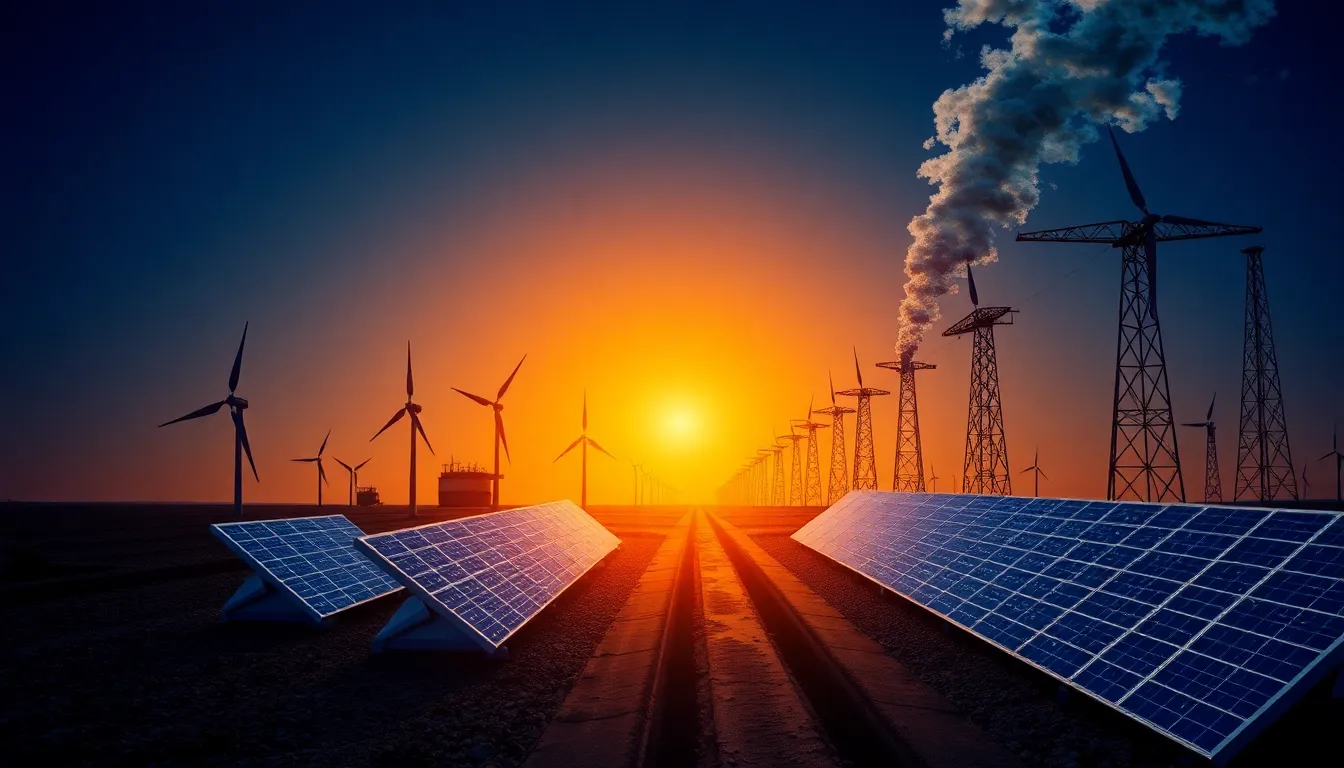
What Is the Energy Transition?
The energy transition refers to the global shift from carbon‑intensive fossil fuels toward low‑carbon and renewable power sources. It is driven by the need to limit global warming, reduce air pollution, and secure a resilient energy supply for future generations.
Why the Transition Matters Today
Fossil‑fuel combustion accounts for the majority of greenhouse‑gas emissions. By replacing coal, oil, and natural gas with cleaner alternatives, countries can meet climate policy goals, protect public health, and stimulate new economic opportunities in emerging clean‑technology sectors.
Key Pillars of a Clean‑Energy Future
Renewable Power Generation
Renewable energy is the backbone of the transition. Major technologies include:
- Solar Energy: Photovoltaic panels and concentrated solar power convert sunlight into electricity with rapidly falling costs.
- Wind Energy: On‑shore and offshore turbines harness wind kinetic energy, providing large‑scale, dispatchable power.
- Hydropower: Dams and run‑of‑river projects generate reliable baseload electricity, though environmental impacts must be managed.
- Geothermal Energy: Heat from the Earth’s interior supplies steady power and direct heating, especially in tectonically active regions.
- Nuclear Energy: While not renewable, low‑carbon nuclear can complement renewables for grid stability.
Energy Storage and Grid Modernisation
Renewables are variable; storage and smart grids smooth supply and demand. Energy storage technologies—lithium‑ion batteries, pumped hydro, flow batteries, and emerging hydrogen solutions—allow excess solar or wind power to be saved for later use.
Modern electricity grids incorporate digital controls, demand‑response programs, and decentralized resources, making the system more flexible and resilient.
Energy Efficiency and Sustainable Buildings
Reducing the amount of energy needed is the cheapest carbon‑reduction strategy. Energy‑efficiency measures—insulation, LED lighting, high‑efficiency HVAC, and smart thermostats—cut consumption in homes, offices, and industry.
Designing sustainable buildings integrates passive solar design, green roofs, and net‑zero energy targets, further lowering emissions.
Clean Transportation
Transportation accounts for a large share of fossil‑fuel use. Electrified vehicles, hydrogen fuel‑cell trucks, and public transit powered by renewable electricity are central to decarbonising travel. See the clean‑transportation hub for detailed options.
Carbon Removal and Adaptation Solutions
Even with aggressive decarbonisation, some emissions persist. Carbon removal technologies—afforestation, bioenergy with carbon capture, and direct air capture—help draw CO₂ from the atmosphere.
Adaptation solutions, such as climate‑resilient infrastructure and water‑management systems, prepare societies for the impacts that are already unavoidable.
How the Transition Works in Practice
Policy Frameworks
Effective climate policy provides clear signals to investors. Carbon pricing, renewable‑energy standards, and subsidies for clean tech accelerate deployment while phasing out coal subsidies.
Financing the Shift
Public and private capital flows into clean‑energy projects through green bonds, venture capital, and multilateral development banks. De‑risking mechanisms, such as guarantees and insurance, make large‑scale projects financially viable.
Technology Deployment Steps
- Assess local resource potential (solar irradiance, wind speed, water flow).
- Select the most suitable generation technology and size the plant.
- Integrate storage to manage intermittency and plan for grid interconnection.
- Implement energy‑efficiency upgrades to reduce overall demand.
- Monitor performance and optimise operations using digital tools.
Benefits and Challenges
Benefits
- Reduced emissions: Cleaner power cuts CO₂ and pollutants.
- Energy security: Diversified domestic sources lower reliance on imported fuels.
- Economic growth: New jobs in manufacturing, installation, and maintenance of clean‑energy systems.
- Health improvements: Less air‑quality degradation reduces respiratory disease.
Challenges
- Intermittency: Solar and wind require storage or backup capacity.
- Infrastructure lag: Upgrading grids and building transmission lines takes time and public acceptance.
- Resource constraints: Materials for batteries and turbines must be sourced responsibly.
- Policy uncertainty: Inconsistent regulations can deter long‑term investment.
Real‑World Examples
Several regions illustrate the transition in action:
- Germany’s Energiewende combines wind, solar, and storage while phasing out coal.
- California’s clean‑energy mandate targets 100 % renewable electricity by 2045, supported by aggressive solar and battery deployments.
- Denmark’s offshore wind farms now supply more than 40 % of national electricity demand.
Practical Steps for Individuals and Communities
- Switch to a renewable‑energy utility or install rooftop solar.
- Upgrade home insulation, appliances, and lighting for higher energy efficiency.
- Choose electric or hybrid vehicles and use public transit when possible.
- Support local policies that promote clean power and carbon‑removal projects.
- Invest in community energy storage or micro‑grid initiatives.
Looking Ahead: The Future of the Energy Transition
Advances in battery chemistry, artificial‑intelligence grid management, and low‑cost solar modules suggest that a fully decarbonised electricity system could be achievable within the next few decades. Continued collaboration among governments, businesses, and citizens will determine how quickly the world moves away from fossil fuels toward a sustainable, clean‑energy future.
Conclusion
The energy transition is a multi‑dimensional process that replaces fossil‑fuel reliance with renewable power, efficient use, and innovative storage. By aligning policy, finance, and technology, societies can lower emissions, boost resilience, and create new economic opportunities. The path forward requires coordinated action, but the tools and knowledge are already in place to make a clean‑energy future a reality.
Frequently Asked Questions
What does the term "energy transition" mean?
The energy transition is the shift from carbon‑intensive fossil fuels to low‑carbon and renewable energy sources, aiming to reduce greenhouse‑gas emissions and improve energy security.
Which renewable technologies are most important for the transition?
Key renewable technologies include solar, wind, hydropower, geothermal, and low‑carbon nuclear energy, each contributing to a diversified clean‑energy mix.
How does energy storage support renewable power?
Energy storage captures excess electricity from variable sources like solar and wind, releasing it when generation is low, thereby balancing supply and demand and enhancing grid reliability.
What role do policy and financing play in the energy transition?
Clear climate policies such as carbon pricing and renewable standards guide investment, while financing tools like green bonds and public‑private partnerships provide the capital needed for large‑scale clean‑energy projects.
What practical actions can individuals take to support the transition?
Individuals can adopt rooftop solar, improve home energy efficiency, switch to electric vehicles, support clean‑energy policies, and participate in community storage or micro‑grid projects.







Leave a Comment