
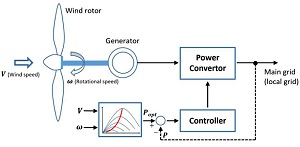
Wind energy is captured by turbines that turn kinetic air motion into electricity, then delivered through grids to power homes and industry, offering a low‑carbon, widely distributed energy source.
Quick Answer
Wind energy is produced when the kinetic energy of moving air turns the blades of a turbine, driving a generator that creates electricity. Modern turbines convert this mechanical power into electrical power that is fed into transmission networks for distribution. The technology is supported by strong scientific consensus that wind power reduces greenhouse‑gas emissions and diversifies energy supplies, though challenges remain in storage, grid integration, and local ecological impacts.
Key Takeaways
- Wind turbines transform wind’s kinetic energy into electricity without emitting greenhouse gases during operation.
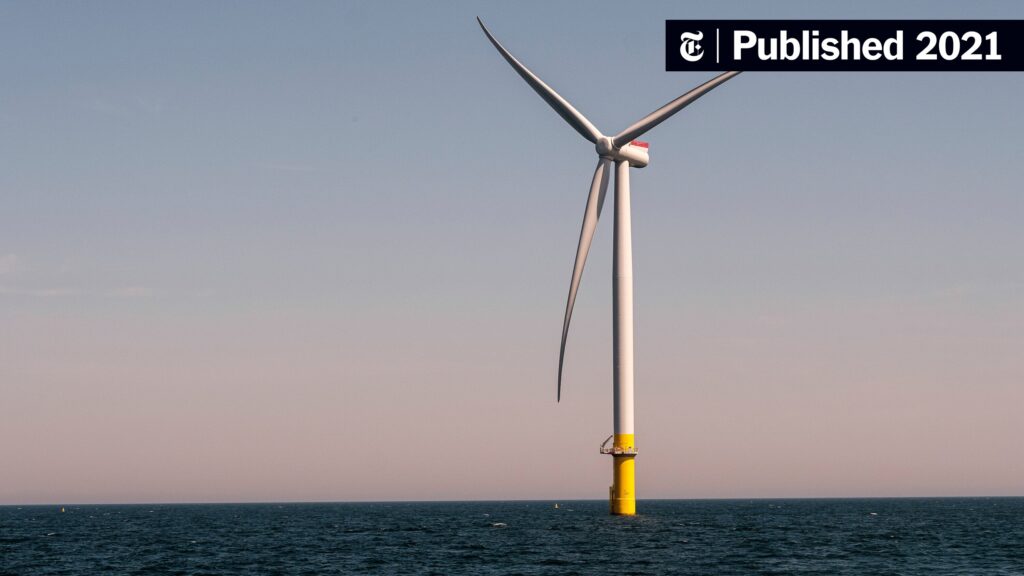
- Onshore farms are common in windy plains, while offshore farms exploit stronger, steadier marine winds.
- Global wind capacity reached about 1,000 GW in 2022, with China, the United States, and Europe leading production (International Energy Agency, 2023).
- Environmental benefits include carbon‑offsetting, reduced air‑pollutant emissions, and enhanced energy security.
- Key uncertainties involve long‑term turbine material durability, wildlife interactions, and the economics of large‑scale storage.
What Is Wind Energy and How Is It Harnessed Worldwide?
Wind energy refers to the conversion of atmospheric kinetic energy into usable electricity. The scope includes small‑scale rooftop turbines, utility‑scale on‑ and offshore wind farms, and the associated transmission infrastructure that delivers power to end‑users. Unlike fossil‑fuel generation, wind power does not involve combustion; its primary subtypes are onshore wind (land‑based) and offshore wind (sea‑based). Understanding wind energy matters because it directly addresses climate‑change mitigation, reduces reliance on imported fuels, and can be deployed in diverse geographic settings.
How Does It Work?
1. Wind Formation
Solar heating creates temperature gradients across Earth’s surface, generating pressure differences that cause air to move from high‑pressure to low‑pressure zones. This movement is wind. The Coriolis effect and terrain features shape wind speed and direction, creating predictable wind corridors that turbines can exploit.
2. Turbine Mechanics
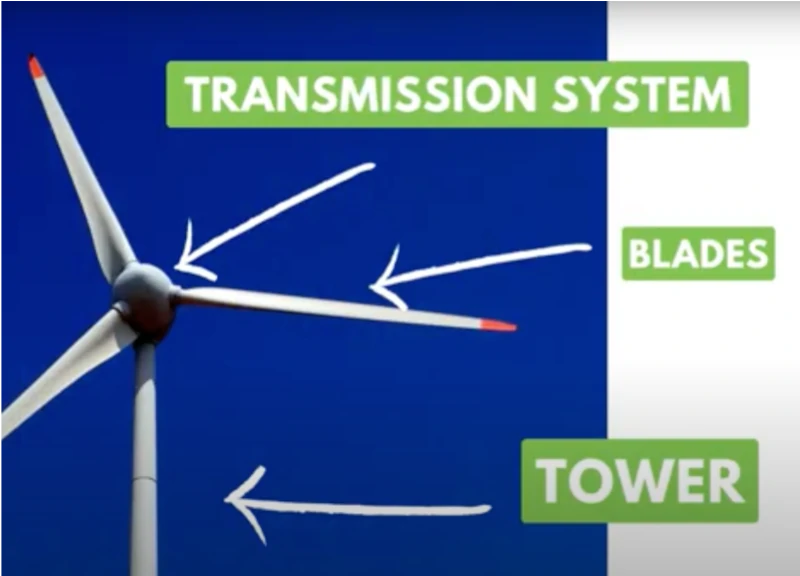
A modern wind turbine consists of four main parts: blades, rotor, nacelle (housing the generator and gearbox), and tower. Aerodynamically designed blades capture wind energy, causing the rotor to spin. The rotor’s rotation drives a gearbox that increases shaft speed, turning an electrical generator. Power electronics convert the variable‑frequency output into grid‑compatible alternating current.
3. Grid Integration
Electricity generated at remote wind sites travels through step‑up transformers and high‑voltage transmission lines to substations, where it is stepped down for distribution. Because wind is intermittent, grid operators use forecasting, flexible demand response, and energy‑storage systems (e.g., lithium‑ion batteries, pumped hydro) to maintain reliability.
What Does the Evidence Show?
Long‑term monitoring by national meteorological agencies and the International Renewable Energy Agency (IRENA) demonstrates that wind power consistently delivers electricity with capacity factors ranging from 30 % to 50 % in optimal locations. Systematic reviews (e.g., a 2021 meta‑analysis of 45 wind‑farm studies) find that lifecycle greenhouse‑gas emissions are typically 10–20 g CO₂‑eq kWh⁻¹, far lower than coal (<900 g) or natural gas (<450 g). Economic assessments indicate that on‑shore wind has become one of the cheapest new‑build options in many regions, with levelized costs often below $40 MWh (IEA, 2023).
Main Drivers of Global Wind Development
Policy and Market Incentives
Renewable portfolio standards, feed‑in tariffs, and tax credits have spurred investment, especially in Europe and the United States.
Technological Advances
Larger rotor diameters (up to 220 m) and taller towers (120 m) increase energy capture per turbine, reducing land use intensity.
Resource Availability
Regions with high average wind speeds—such as the Great Plains, the North Sea, and coastal China—attract the most capacity.
Environmental and Human Impacts
Environmental Impacts
Wind farms emit no air pollutants during operation, contributing to lower particulate matter and ozone levels. However, turbine blades can cause bird and bat mortality; systematic reviews estimate 0.1–0.5 % of local avian populations may be affected, prompting mitigation measures like curtailment during migration periods.
Human Health and Social Impacts
Communities near turbines report mixed experiences: some note reduced noise‑related annoyance after proper siting, while others raise concerns about visual impact and perceived health effects. Studies by the World Health Organization suggest that low‑frequency noise from well‑maintained turbines does not pose a direct health risk.
Economic and Infrastructure Impacts
Wind projects create jobs in manufacturing, construction, and operations—averaging 1.5 full‑time jobs per MW in the United States (U.S. EIA, 2022). Transmission upgrades are required to connect remote wind resources, representing a significant capital cost but also enhancing grid resilience.
Regional Differences
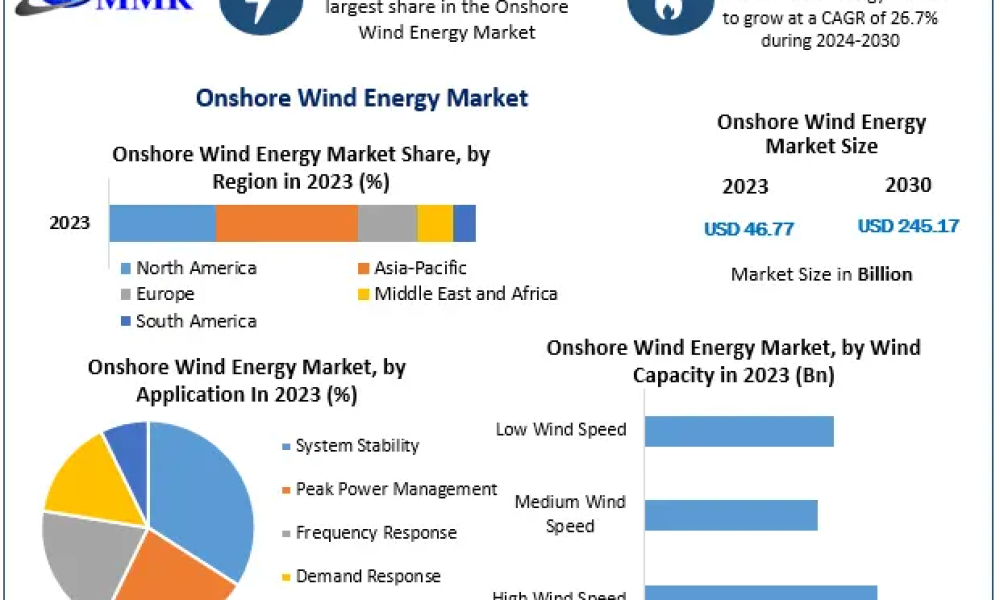
Onshore wind dominates in the United States, Brazil, and parts of Africa, where land is abundant and grid connections are straightforward. Offshore wind is expanding rapidly in Europe (e.g., the 1.2 GW Hornsea One project) and China, where water depth and sea‑state conditions allow larger turbines. In low‑income regions, financial barriers and limited grid capacity slow deployment, despite strong wind resources in places like Kenya and Mongolia.
What Scientists Know With High Confidence
- Wind power reduces lifecycle greenhouse‑gas emissions compared with fossil‑fuel generation.
- Capacity factors above 30 % are achievable in most high‑wind sites, making wind economically viable.
- Properly sited turbines cause limited, manageable impacts on bird and bat populations.
- Advances in turbine size and materials have lowered the cost of wind electricity globally.
What Remains Uncertain
Key uncertainties include the long‑term durability of composite blade materials, the scalability of offshore storage solutions, and the social acceptance of large‑scale projects in densely populated regions. Improved long‑term monitoring and region‑specific impact studies are needed to refine mitigation strategies.
Common Misconceptions
Misconception: Wind turbines generate electricity only when the wind blows strongly.
Reality: Turbines are designed to operate across a range of wind speeds, typically from 3 m s⁻¹ (cut‑in) to 25 m s⁻¹ (cut‑out). Even moderate winds produce useful power, and modern control systems optimize output.
Misconception: Wind farms cause significant climate change.
Reality: The scale of wind farms is negligible compared with atmospheric dynamics; their primary climate effect is the reduction of emissions from fossil‑fuel plants.
Misconception: Offshore wind is too expensive to be practical.
Reality: While capital costs are higher, offshore turbines benefit from higher capacity factors and longer lifespans, resulting in comparable levelized costs to onshore projects in many regions.
Solutions and Limitations
Key response strategies include expanding turbine capacity, integrating storage, and improving grid flexibility. Scaling up offshore wind can capture stronger winds but requires substantial marine engineering and careful environmental assessment. Energy‑storage technologies (e.g., batteries, green hydrogen) can smooth intermittency but add cost and resource demands. Policy tools such as renewable targets and carbon pricing encourage investment but must be designed to avoid unintended socioeconomic disparities.
What Individuals, Communities, and Governments Can Do
What Individuals Can Do
Support policies that promote renewable energy, choose electricity suppliers offering wind‑generated power, and, where feasible, install small‑scale turbines or participate in community‑owned wind projects.
What Communities and Organizations Can Do
Engage in early stakeholder consultations for new wind projects, adopt local zoning that balances development with ecological protection, and invest in community benefit schemes that share revenue.
What Governments Can Do
Implement clear permitting processes, fund research on blade recycling and wildlife mitigation, invest in transmission upgrades, and set ambitious, transparent renewable‑energy targets aligned with the Paris Agreement.
Looking Ahead
The physics of wind—air moving from high to low pressure—remains constant, ensuring that appropriately sited turbines will continue to supply clean electricity. Continued advances in turbine design, grid management, and storage will expand wind’s share of the global energy mix. Addressing remaining uncertainties and trade‑offs through rigorous research and inclusive planning will determine how fully societies can harness this inexhaustible resource.
Frequently Asked Questions
What is wind energy and how is it generated?
Wind energy is the conversion of moving air into electricity. Turbines capture wind’s kinetic energy with blades, turning a generator that produces electrical power for the grid.
How do wind turbines convert wind into electricity?
Wind spins the turbine blades, which rotate a shaft connected to a gearbox and generator. The generator creates electricity, which is then conditioned for transmission to the power network.
What are the main environmental benefits of wind power?
Wind power emits no greenhouse gases during operation, reduces air‑pollutant emissions, and diversifies energy sources, helping to lower overall carbon footprints and improve air quality.
Where are the largest wind farms located and why?
The biggest farms are in regions with strong, consistent winds, such as the North Sea in Europe, the Great Plains in the United States, and coastal China, because higher wind speeds increase energy output.
How can individuals support the growth of wind energy?
People can back renewable‑energy policies, choose electricity providers that source from wind, and participate in community wind projects or install small turbines where feasible.




Leave a Comment