
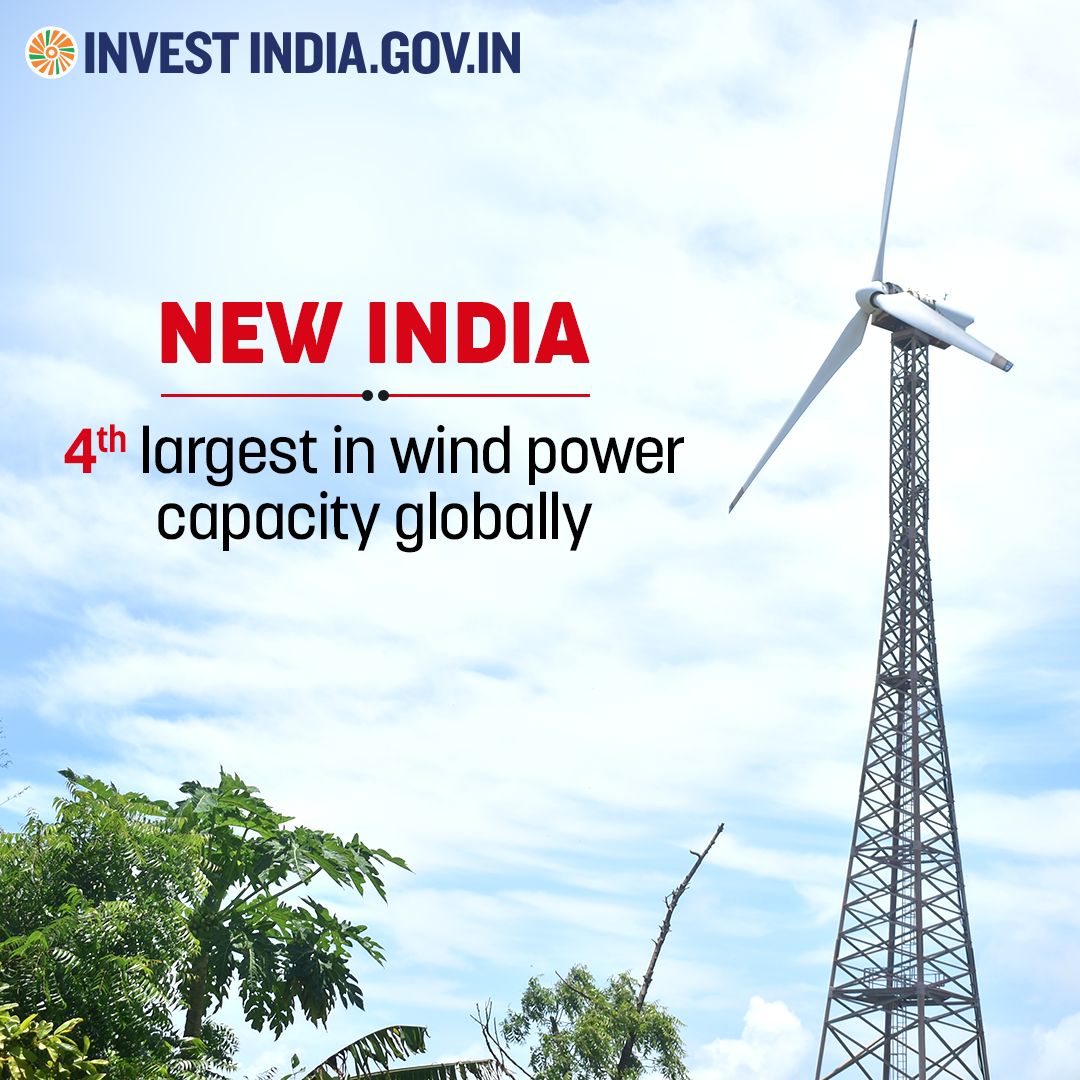
Investing in wind power in India involves understanding the country’s wind resource, navigating regulatory incentives, selecting viable sites, securing financing, and engaging communities to build sustainable, profitable projects.
Quick Answer
Wind power investment in India means allocating capital—through equity, debt, or green‑finance instruments—to develop on‑shore or offshore wind farms that sell electricity under long‑term power purchase agreements (PPAs). The country’s wind resource, especially in Tamil Nadu, Gujarat, and Maharashtra, delivers average wind speeds above 7 m s⁻¹, supporting turbines with capacities of 2–5 MW each. Government policies such as the Renewable Energy Purchase Obligation and capital subsidies lower project costs, while recent auctions have shown yields of 4–6 % per annum. Uncertainty remains around land acquisition timelines and future policy adjustments.
Key Takeaways
- India’s on‑shore wind potential exceeds 300 GW, with 44 GW installed by 2023 (MNRE, 2023).
- Key incentives include accelerated depreciation, generation‑based incentives, and competitive auction‑based PPAs.
- Financing options span institutional debt, green bonds, and infrastructure investment trusts.
- Site selection must balance wind speed, grid connectivity, and ecological or community constraints.
- Long‑term success relies on transparent contracts, robust operation‑and‑maintenance (O&M) plans, and local stakeholder engagement.
What Is How to Invest in Wind Power in India?
Investing in wind power in India refers to the financial and strategic actions taken to develop, own, or fund wind‑energy projects that generate electricity for the national grid. The scope includes on‑shore farms (typically 2–5 MW turbines) and emerging offshore projects (10–12 MW turbines). It differs from simply purchasing renewable electricity because investors assume development risk, capital costs, and operational responsibilities, often in exchange for long‑term revenue streams from PPAs or market sales.
How Does It Work?
1. Assess Wind Resource
Wind resource assessments use long‑term meteorological data (usually 10‑year averages) to map areas with mean wind speeds above 7 m s⁻¹ at hub height. The Indian Wind Atlas (MNRE, 2022) and satellite‑derived datasets identify high‑potential zones along the western coast and the southern plateau.
2. Secure Land and Grid Access
Investors negotiate land leases—often with state governments or private owners—and obtain grid interconnection agreements from the National Load Despatch Centre. The Ministry of Power’s “One‑Line Diagram” guidelines ensure technical compatibility.
3. Obtain Regulatory Approvals
Key approvals include environmental clearances (Ministry of Environment, Forests & Climate Change), generation‑based incentives (GBI) certifications, and a generation licence from the Central Electricity Authority.
4. Finance the Project
Financing structures typically combine:
- Equity from sponsors or private equity funds (30–40 % of total capex).
- Senior debt from banks or multilateral lenders (50–60 %).
- Quasi‑equity or green‑bond issuances for the remaining share.
Successful bids in recent competitive auctions (e.g., 2022 Gujarat auction) have shown tariff levels of US$0.05–0.07 kWh⁻¹, providing predictable cash flows for lenders.
5. Construct and Commission
Construction involves civil works, turbine erection, electrical infrastructure, and grid testing. International turbine manufacturers such as Vestas and Siemens Gamesa supply 2.5–4 MW class machines with a typical capacity factor of 25–30 % in Indian conditions.
6. Operate and Maintain
After commissioning, O&M contracts—often 5‑year agreements with specialized firms—manage routine inspections, blade repair, and performance monitoring. Data analytics platforms track availability and help optimize output.
What Does the Evidence Show?
Long‑term monitoring by the Ministry of New and Renewable Energy (MNRE) indicates that wind farms in Tamil Nadu and Gujarat have achieved average capacity factors of 24–28 % over the 2018‑2022 period, comparable to global averages for on‑shore wind (International Energy Agency, 2023). Systematic reviews of Indian wind projects show that capital costs have fallen from US$1,500 kW⁻¹ in 2010 to around US$1,200 kW⁻¹ in 2022, driven by larger turbine sizes and improved supply chains (Renewable Energy Policy Network for the 21st Century, 2022). Financial analyses demonstrate that projects with PPAs longer than 15 years achieve internal rates of return (IRR) of 8–12 % after taxes, assuming a weighted average cost of capital of 7 % (World Bank, 2023). These findings are consistent across multiple independent assessments.
Main Causes or Drivers
Natural Wind Resource
India’s monsoon‑driven atmospheric circulation creates persistent wind corridors along the western coast and the Deccan plateau, providing the primary energy source for wind farms.
Policy and Market Incentives
Government mechanisms—such as the Renewable Purchase Obligation (RPO), generation‑based incentives, and competitive auction frameworks—lower revenue risk and attract private capital.
Technological Advances
Improvements in turbine aerodynamics, larger rotor diameters, and higher hub heights increase energy capture per unit of installed capacity, making marginal sites economically viable.
Financing Environment
Growth of green‑bond markets and the emergence of Infrastructure Investment Trusts (InvITs) in India provide dedicated capital channels for renewable assets.
Environmental and Human Impacts
Environmental Impacts
Wind energy displaces fossil‑fuel generation, reducing CO₂ emissions by an estimated 0.8 t per MWh produced (IPCC, 2021). Land‑use footprints are relatively small; a 100 MW on‑shore farm typically occupies 0.5 km², with most land remaining usable for agriculture. However, turbine blades can pose bird‑collision risks, especially in migratory pathways; mitigation measures such as siting away from high‑density routes and using detection‑based curtailment have proven effective in reducing mortality by up to 30 % (BirdLife International, 2020).
Human Health and Social Impacts
Local communities benefit from job creation during construction (≈1,200 person‑years per 100 MW) and operation (≈30 permanent jobs). Reliable electricity can lower indoor‑air‑pollution from diesel generators. Conversely, inadequate community consultation may lead to opposition, delaying projects and increasing costs.
Economic and Infrastructure Impacts
Wind farms contribute to grid stability when paired with storage or demand‑response mechanisms. The sector has attracted over US$30 billion of cumulative investment by 2023, supporting ancillary industries such as steel manufacturing and logistics.
Regional Differences
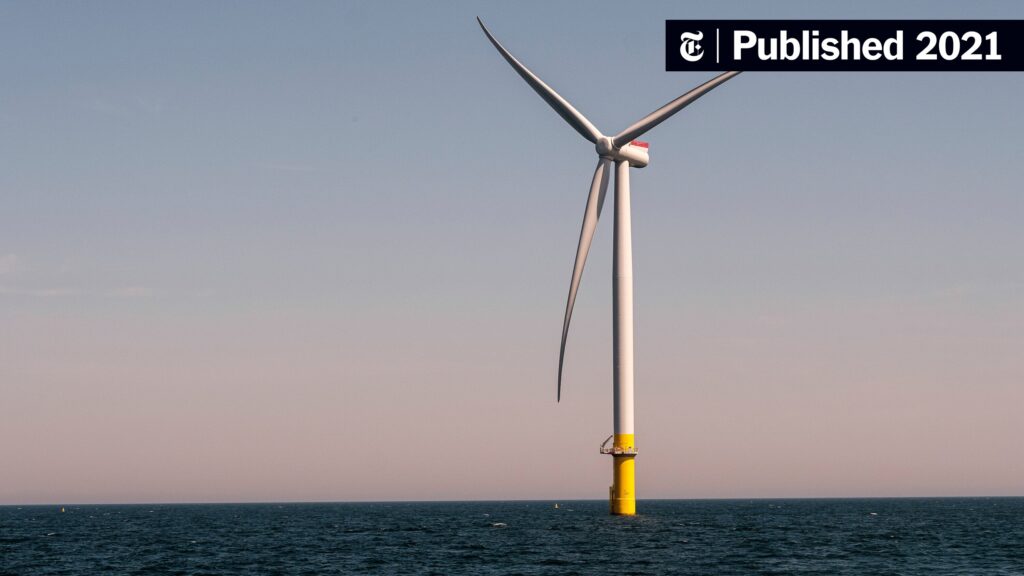
Western coastal states (Gujarat, Maharashtra) experience higher wind speeds (7.5–8.5 m s⁻¹) and better grid proximity, resulting in lower levelized cost of electricity (LCOE) than interior states like Rajasthan, where average speeds are 6.5 m s⁻¹ and transmission upgrades add cost. Offshore wind potential is concentrated off the coasts of Gujarat and Tamil Nadu, where water depths of 30–50 m allow for fixed‑foundation turbines, but regulatory frameworks are still evolving.
What Scientists Know With High Confidence
- Wind turbines generate electricity without direct greenhouse‑gas emissions, providing a reliable source of clean energy.
- India’s on‑shore wind resource is sufficient to meet at least 30 % of its 2030 renewable‑energy target if fully exploited.
- Policy incentives such as generation‑based subsidies and competitive auctions have a measurable impact on project economics.
- Modern turbine technology has reduced levelized costs by roughly 20 % over the past decade.
What Remains Uncertain
Key uncertainties include the speed of offshore wind regulatory rollout, the long‑term price trajectory of battery storage that could complement wind intermittency, and the social acceptance dynamics in densely populated regions where land acquisition may be contested. Improved real‑time wind‑forecasting models could reduce curtailment, but their deployment across all project sites is not yet universal.
Common Misconceptions
Misconception: Wind turbines are noisy and harm human health.
Reality: Modern turbines emit sound levels comparable to a quiet household (<55 dB(A) at 300 m), well below World Health Organization guidelines for residential areas.
Misconception: Wind farms require large tracts of pristine land.
Reality: Only about 2–3 % of a wind farm’s footprint is occupied by turbines and access roads; the remaining land can be used for farming or grazing.
Misconception: Investing in wind power is too risky for private investors.
Reality: Long‑term PPAs, government guarantees, and the emergence of green‑bond financing have significantly de‑risked projects, delivering returns comparable to other infrastructure assets.
Solutions and Limitations
Scaling wind power addresses climate mitigation by displacing coal‑based electricity, yet limitations exist. On‑shore wind is constrained by land availability and grid capacity in some regions. Offshore wind offers higher capacity factors (≈35 %) but involves higher capital costs and longer permitting timelines. Energy storage integration can mitigate intermittency but adds cost; current battery prices (~US$120 kWh⁻¹ in 2023) may limit large‑scale deployment without further subsidies.
What Individuals, Communities, and Governments Can Do
What Individuals Can Do
- Invest in wind‑focused green bonds or mutual funds that channel capital to Indian projects.
- Support community‑owned wind cooperatives where available.
- Advocate for transparent renewable‑energy procurement policies at local government meetings.
What Communities and Organizations Can Do
- Participate in stakeholder consultations to ensure fair land‑lease terms and benefit‑sharing agreements.
- Partner with NGOs to conduct baseline ecological surveys that guide turbine placement.
- Develop local training programs for O&M jobs to retain economic benefits.
What Governments Can Do
- Maintain stable, long‑term policy frameworks such as the Renewable Energy Purchase Obligation.
- Streamline land‑acquisition procedures while safeguarding community rights.
- Invest in transmission upgrades to connect high‑potential wind zones to demand centres.
- Facilitate green‑bond issuance through tax incentives and credit enhancements.
What Businesses and Industries Can Do
- Enter power purchase agreements to lock in renewable electricity and meet corporate sustainability goals.
- Integrate wind‑energy procurement into supply‑chain risk assessments.
- Support research and development of higher‑capacity turbines suited to Indian wind regimes.
Synthesis
Investing in wind power in India combines an abundant natural resource with a policy environment that rewards clean‑energy development. High‑confidence evidence shows that wind farms lower emissions, create jobs, and can deliver attractive financial returns when built on well‑assessed sites and backed by long‑term PPAs. Uncertainties around offshore regulation and storage integration remain, but ongoing technological progress and supportive financing mechanisms are narrowing these gaps. By aligning capital, policy, and community interests, investors can contribute to a resilient energy future while achieving sustainable returns.
Frequently Asked Questions
What are the main financial instruments for investing in Indian wind projects?
Investors typically use a mix of equity, senior debt from banks or multilateral lenders, green bonds, and infrastructure investment trusts (InvITs). Equity provides capital, debt offers lower‑cost financing, and green bonds attract socially conscious investors while providing tax‑efficient returns.
Which Indian states have the highest wind energy potential?
Tamil Nadu, Gujarat, and Maharashtra host the strongest on‑shore wind resources, with average wind speeds above 7 m s⁻¹ and many sites already hosting large farms. Gujarat and Maharashtra also show promising offshore potential along their coastlines.
How do government incentives reduce the cost of wind power projects in India?
Incentives such as accelerated depreciation, generation‑based subsidies, and competitive auction‑based PPAs lower upfront capital requirements and guarantee revenue streams, which together improve project economics and attract private capital.
What are the typical environmental concerns associated with wind farms and how are they mitigated?
Key concerns include bird collisions and land‑use impacts. Mitigation measures involve careful site selection away from migration corridors, using radar‑based curtailment systems, and preserving most of the land for agriculture or grazing, which limits habitat loss.
How can individual investors participate in wind power development in India?
Individuals can buy wind‑focused green bonds or mutual funds, support community‑owned wind cooperatives where they exist, and lobby local authorities for transparent renewable‑energy procurement policies that favor wind projects.





Leave a Comment