
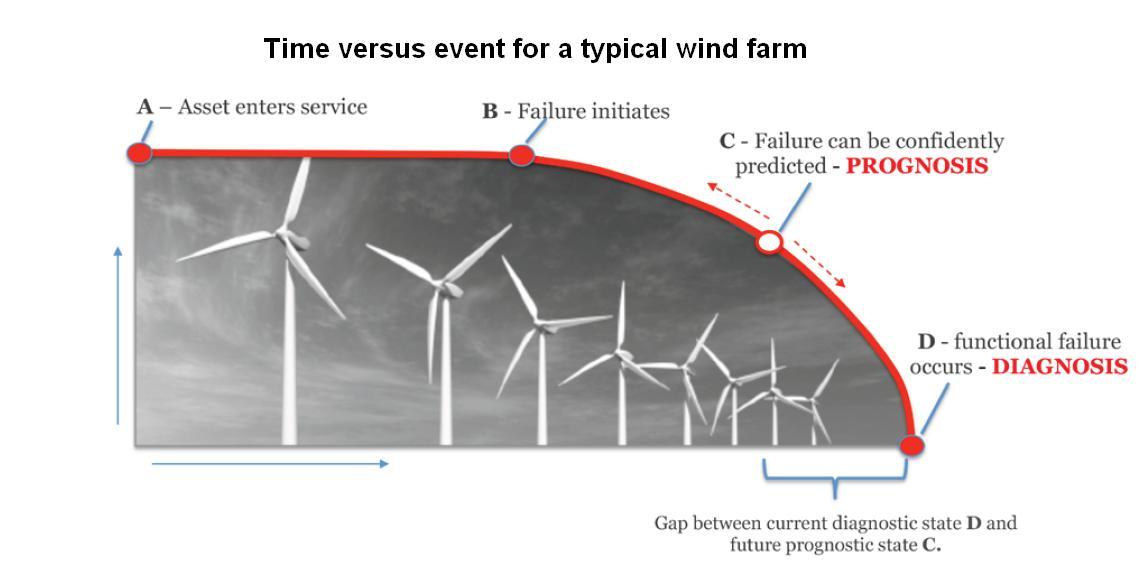
Wind turbines generate electricity only when wind speeds fall within a specific range, so periods of low wind—often called “calm days”—reduce their output; understanding how frequently this occurs, why it happens, and what can be done is essential for reliable renewable energy planning.
Quick Answer
Commercial wind turbines typically require wind speeds between 3 and 12 meters per second (about 7–27 mph) to operate efficiently. Across most on‑shore sites, turbines produce electricity roughly 30–40 % of the time (capacity factor), while offshore farms achieve 40–50 % because winds are stronger and more consistent. Seasonal and geographic variations mean that some regions experience several calm days each month, especially in summer or in sheltered inland valleys. The uncertainty stems from natural climate variability and limited long‑term site‑specific data, but the overall pattern of intermittent wind is well documented.
Key Takeaways
- Wind turbines need wind speeds of 3–12 m/s; below this range they generate little or no power.
- Average capacity factors are 30–40 % for on‑shore and 40–50 % for offshore installations.
- Seasonal wind droughts can last days to weeks, often aligning with peak electricity demand.
- Geography, topography, and climate zone strongly influence the frequency of low‑wind periods.
- Energy storage, grid diversification, and forecasting improve reliability but cannot eliminate intermittency.
- High‑confidence science confirms wind variability; uncertainties remain in regional projections and extreme drought frequency.
What Is How Often Is There Not Enough Wind to Power Turbines??
The phrase refers to the proportion of time that wind speed at a turbine site falls below the cut‑in speed (the minimum speed needed to start generating electricity) or exceeds the cut‑out speed (the maximum speed at which turbines are safely shut down). It is a measure of intermittency, not a failure of technology. The metric is usually expressed as a capacity factor—the ratio of actual energy produced to the theoretical maximum if the turbine ran at rated power continuously.
How Does It Work?
Step 1 – Wind Kinetic Energy Capture
Wind passes over the rotor blades, creating lift that turns the shaft. The rotational energy is converted by a generator into electricity. The amount of power extracted follows the cube law: P ∝ v³, where v is wind speed.
Step 2 – Operational Wind Window
Each turbine has a “wind window”—typically 3–12 m/s (7–27 mph). Below 3 m/s the rotor turns too slowly to generate usable electricity; above 25 m/s the turbine is feathered and stopped to avoid damage.
Step 3 – Grid Connection and Curtailment
When wind is insufficient, the turbine produces little or no power, and the grid must be supplied by other generators or stored energy. In rare cases, excess wind can also lead to curtailment if the grid cannot absorb the power.
What Does the Evidence Show?
Long‑term monitoring by national meteorological services (e.g., NOAA, UK Met Office) combined with turbine performance data shows that on‑shore sites in the United States and Europe have average capacity factors of 30–35 % (U.S. Energy Information Administration, 2022). Offshore farms in the North Sea and East Coast of the U.S. report 45–50 % (International Energy Agency, 2022). Seasonal analyses reveal that summer months in temperate zones often experience the lowest wind speeds, with up to 20 % of hours classified as below cut‑in speed. Conversely, winter and autumn provide the highest output, sometimes exceeding 60 % of hours above the cut‑in threshold.
Studies of “wind droughts” – extended periods of reduced wind – indicate that multi‑day low‑wind events occur roughly once per year in many mid‑latitude sites, lasting 3–7 days on average (European Climate Assessment & Dataset, 2021). These droughts can coincide with high heating demand, stressing the grid.
Main Causes or Drivers
Natural Atmospheric Patterns
Large‑scale pressure systems, jet streams, and seasonal temperature gradients dictate wind speed. High‑pressure ridges in summer suppress surface winds, creating calm periods.
Geographic and Topographic Effects
Mountains, valleys, and urban canyons can block or channel wind, leading to localized low‑wind zones. Coastal sites generally enjoy steadier winds due to sea‑land temperature contrasts.
Human Influences
Land‑use changes, such as deforestation or large‑scale wind farms, can slightly modify local wind fields, though the effect is modest compared with natural variability.
Environmental and Human Impacts
Environmental Impacts
Intermittent generation does not directly harm ecosystems, but reliance on backup fossil‑fuel plants during low‑wind periods can increase greenhouse‑gas emissions. Conversely, high‑capacity factors reduce the need for such backup, improving overall climate benefits.
Human Health and Social Impacts
When wind output drops, utilities may increase dispatch of coal or natural‑gas plants, leading to higher air‑pollutant concentrations (e.g., PM₂.₅, NOₓ). Communities near these plants may experience short‑term health effects.
Economic and Infrastructure Impacts
Low‑wind periods can cause revenue volatility for wind farm owners and affect electricity market prices. Grid operators must maintain reserve capacity, which adds cost. However, markets with robust storage and diversified renewables mitigate these impacts.
Regional Differences
In the United States, the Great Plains enjoy average capacity factors above 40 % due to persistent westerly winds, while the Southeast often records below 30 % because of summer high‑pressure systems. In Europe, the offshore North Sea achieves the highest capacity factors, whereas inland Mediterranean sites see the greatest seasonal lull. In tropical regions, diurnal sea‑breeze cycles produce relatively consistent wind, but monsoon transitions can create multi‑week low‑wind intervals.
What Scientists Know With High Confidence
- Wind speed follows a well‑understood statistical distribution (Weibull), allowing reliable estimation of capacity factors.
- On‑shore turbines typically operate at 30–40 % capacity factor; offshore turbines at 40–50 %.
- Seasonal wind patterns are driven by large‑scale atmospheric circulation and are predictable on monthly to seasonal timescales.
- Energy storage and grid interconnection substantially reduce the operational impact of low‑wind periods.
What Remains Uncertain
Key gaps include: (1) how climate change will alter regional wind regimes over the next 50 years; (2) the frequency and duration of extreme multi‑week wind droughts under future emission scenarios; (3) the economic feasibility of large‑scale storage in low‑wind regions; and (4) the interaction between expanding offshore wind farms and local marine ecosystems, which could modestly affect wind resources.
Common Misconceptions
Misconception: Wind turbines are “always on” and can replace baseload power.
Reality: Turbines depend on wind within a specific speed window; they produce zero power during calm periods, so complementary resources or storage are required for reliable baseload supply.
Misconception: Low‑wind days are rare and insignificant.
Reality: Seasonal low‑wind periods are common in many regions, and multi‑day wind droughts occur roughly once per year, often aligning with peak heating demand.
Misconception: Increasing turbine size eliminates intermittency.
Reality: Larger rotors capture more energy at low speeds, modestly raising capacity factor, but they cannot generate power when wind speed is below the cut‑in threshold.
Misconception: Energy storage can fully smooth wind variability.
Reality: Storage can buffer short‑term fluctuations (hours to days), but very long wind droughts (weeks) still require alternative generation or demand‑side measures.
Solutions and Limitations
Key strategies include:
- Geographic diversification: Connecting wind farms across different climate zones reduces the probability that all sites experience low wind simultaneously. Limitation: Requires extensive transmission infrastructure.
- Energy storage: Lithium‑ion batteries, pumped hydro, and emerging flow batteries store excess generation for later use. Limitation: High capital cost and limited duration for some technologies.
- Hybrid renewable portfolios: Pairing wind with solar, hydro, or geothermal smooths overall output because these sources peak at different times. Limitation: Solar also faces intermittency; hydro depends on water availability.
- Advanced forecasting: Numerical weather prediction combined with machine‑learning improves day‑ahead forecasts, allowing grid operators to schedule backup resources efficiently. Limitation: Forecast error still exists, especially for rapid weather changes.
- Demand‑side management: Time‑of‑use pricing and smart‑grid controls shift consumption to periods of high wind. Limitation: Requires consumer participation and supportive policy.
What Individuals, Communities, and Governments Can Do
What Individuals Can Do
Support policies that fund grid‑scale storage, invest in community‑owned renewable projects, and adopt energy‑efficiency measures that reduce overall demand during low‑wind periods.
What Communities and Organizations Can Do
Develop local wind resource assessments, create micro‑grids with diversified renewables, and partner with utilities to install battery systems that buffer local generation.
What Governments Can Do
Implement market mechanisms that value flexibility (e.g., capacity payments for storage), fund research on wind‑drought trends, and streamline permitting for transmission lines that link distant wind resources.
What Businesses and Industries Can Do
Integrate on‑site renewable generation with behind‑the‑meter storage, adopt corporate power purchase agreements that include a mix of wind and solar, and design operations to be responsive to real‑time grid signals.
Closing Synthesis
The frequency of insufficient wind is governed by well‑understood atmospheric physics: turbines operate only within a defined wind‑speed window, leading to average capacity factors of 30–40 % on‑shore and 40–50 % offshore. Seasonal and regional patterns create predictable low‑wind periods, while occasional multi‑day wind droughts pose larger challenges. High‑confidence science confirms these patterns, but uncertainties remain about future climate‑driven changes and the economics of long‑duration storage. Solutions—diversified renewable portfolios, grid‑scale storage, improved forecasting, and demand‑side flexibility—can mitigate intermittency, though each carries cost and implementation limits. By combining technical, policy, and community actions, societies can harness wind’s strengths while buffering its inevitable calm moments.
Frequently Asked Questions
What wind speed range is needed for a turbine to generate electricity?
Turbines typically need wind speeds between 3 and 12 meters per second (7–27 mph); below 3 m/s they produce little power, and above about 25 m/s they are shut down for safety.
How is turbine performance measured over time?
Performance is expressed as a capacity factor, the ratio of actual energy produced to the maximum possible if the turbine ran at full power continuously; on‑shore turbines average 30–40 % and offshore turbines 40–50 %.
What are wind droughts and how often do they occur?
Wind droughts are multi‑day periods of unusually low wind; studies in Europe show they happen roughly once a year, lasting 3–7 days on average, often during summer months.
Can energy storage completely eliminate wind intermittency?
Storage can smooth short‑term fluctuations (hours to a few days) but cannot fully cover very long wind droughts that last weeks; other resources or demand‑side measures are still needed.
What actions can governments take to reduce the impact of low‑wind periods?
Governments can create market incentives for storage, fund research on wind‑drought trends, streamline transmission permitting, and support diversified renewable portfolios to balance wind variability.





Leave a Comment