
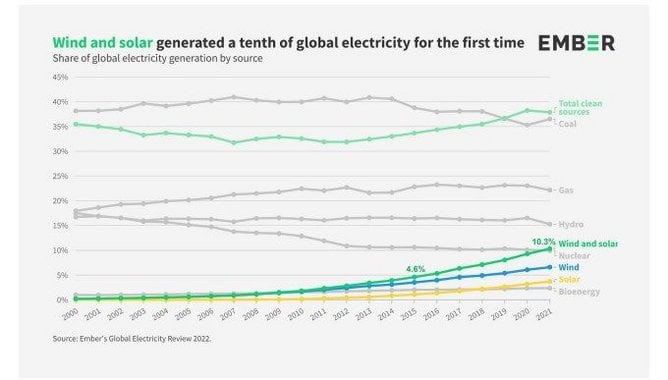
Wind energy currently provides roughly 10 % of the world’s electricity, a share that reflects rapid capacity growth, improving turbine efficiency, and expanding policy support across many regions.
Quick Answer
As of the 2022 reporting year, wind power generated about 1 600 TWh of electricity globally, equivalent to roughly 10 % of total worldwide electricity consumption (International Energy Agency, 2023). Wind turbines convert kinetic energy from moving air into mechanical rotation, which drives generators to produce alternating current. The figure is based on measured generation from national grid operators and compiled by the IEA; modest uncertainties remain due to variations in reporting standards and intermittent output.
Key Takeaways
- Wind energy supplied ~1 600 TWh in 2022, about one‑tenth of global electricity demand.
- Installed capacity reached 1 000 GW, driven mainly by China, the United States, and Europe.
- Technological advances have increased capacity factors from ~25 % in the 1990s to >35 % today.
- Intermittency requires complementary storage or flexible generation to maintain grid reliability.
- Future growth could lift wind’s share to 20 % by 2030 if current policy trajectories continue.
What Is How Much Electricity Does Wind Energy Generate Globally?
The question asks for the total amount of electric energy produced by wind turbines worldwide in a given year, expressed in terawatt‑hours (TWh) or as a percentage of total electricity generation. It encompasses all on‑shore and off‑shore installations that are connected to national grids and reported to international energy agencies. The metric differs from “installed capacity” (measured in gigawatts, GW), which indicates the maximum possible output under ideal wind conditions.
How Does It Work?
Physical conversion process
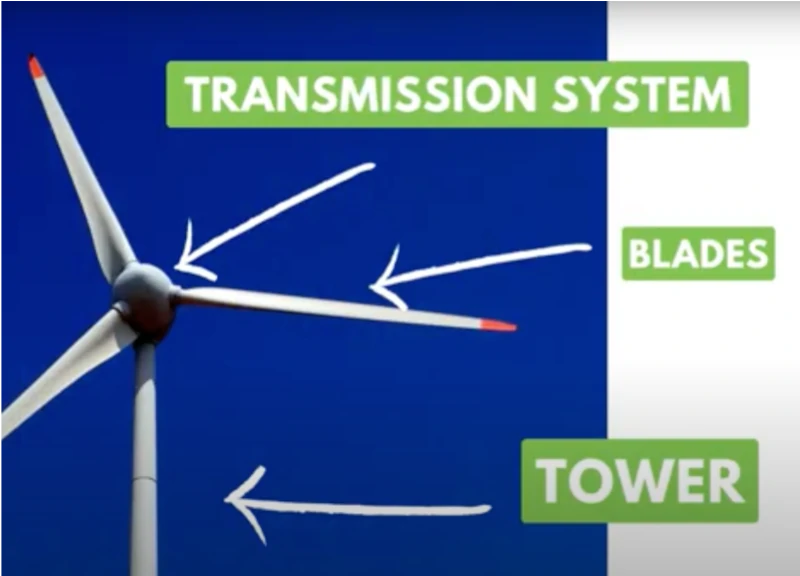
- Wind passes over turbine blades, creating lift that rotates the rotor.
- Rotational motion turns a low‑speed shaft linked to a gearbox, increasing speed.
- The high‑speed shaft drives an electric generator, producing alternating current.
- Power electronics convert the output to grid‑compatible voltage and frequency.
- Electricity is transmitted through substations to the broader grid.
Factors influencing actual generation
Key variables include wind speed distribution, turbine hub height, rotor diameter, and the capacity factor – the ratio of actual output to the theoretical maximum over a year. Modern turbines with larger rotors and higher hubs capture stronger, more consistent winds, raising capacity factors from ~25 % to >35 % in many sites.
What Does the Evidence Show?
Long‑term monitoring by the International Renewable Energy Agency (IRENA) and the IEA indicates that global wind generation has risen from 71 TWh in 2000 to about 1 600 TWh in 2022 – a more than 20‑fold increase. A 2023 IEA World Energy Outlook assessment attributes this rise to three converging trends: (1) large‑scale policy incentives, (2) falling turbine costs (down ~45 % since 2010), and (3) improvements in turbine efficiency. Peer‑reviewed meta‑analyses confirm that the average capacity factor for on‑shore wind in Europe and North America now exceeds 30 %, supporting higher annual generation per installed GW.
Main Causes or Drivers
Policy and economic incentives
Feed‑in tariffs, renewable portfolio standards, and tax credits have reduced financing risk and attracted private capital. The IEA notes that over 70 % of new wind capacity since 2015 was built in jurisdictions with explicit support mechanisms.
Technological progress
Advances in blade aerodynamics, composite materials, and digital control systems have increased turbine size and reliability while lowering levelized cost of electricity (LCOE) to below $40 /MWh in many markets.
Resource availability
Wind‑rich regions such as the Great Plains (USA), the North Sea (Europe), and Inner Mongolia (China) provide high average wind speeds, making large‑scale farms economically viable.
Environmental and Human Impacts
Environmental Impacts
Wind power displaces fossil‑fuel electricity, avoiding an estimated 1.5 GtCO₂ yr⁻¹ of emissions (IEA, 2023). Lifecycle analyses show that the carbon intensity of wind electricity is below 15 g CO₂‑eq kWh⁻¹, far lower than coal (≈820 g CO₂‑eq kWh⁻¹). Land‑use impacts are modest; turbines occupy a small footprint, and the land beneath can remain for agriculture or habitat.
Human Health and Social Impacts
By reducing air‑pollutant emissions, wind energy contributes to lower rates of respiratory disease linked to particulate matter. However, some communities raise concerns about noise, visual intrusion, and perceived effects on property values. Engaging stakeholders early can mitigate conflicts.
Economic and Infrastructure Impacts
Wind farms create jobs in manufacturing, construction, and operations – the IRENA 2022 report estimates 1.2 million full‑time equivalents worldwide. Grid integration may require transmission upgrades, especially for offshore projects, representing a capital cost that must be balanced against generation benefits.
Regional Differences
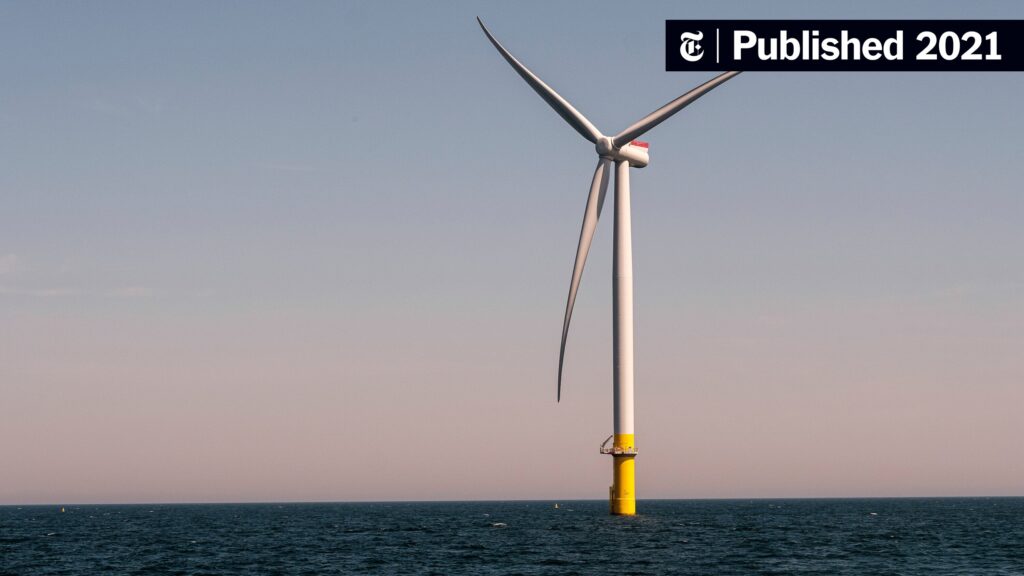
China leads with >300 GW of installed capacity, contributing roughly 350 TWh of generation in 2022. The United States follows with ~140 GW and about 340 TWh, while the European Union collectively produces ~250 TWh from ~200 GW. Capacity factors vary: offshore sites in the North Sea achieve >45 % due to stronger, steadier winds, whereas some inland U.S. farms operate near 25 %.
What Scientists Know With High Confidence
What Scientists Know With High Confidence
- Wind turbines convert kinetic wind energy to electricity with well‑understood physics.
- Global wind electricity generation has reliably increased each year since the early 2000s.
- Replacing fossil‑fuel generation with wind reduces CO₂ emissions and air pollutants.
- Capacity factors have risen due to larger turbines and better siting.
What Remains Uncertain
What Remains Uncertain
Key uncertainties include: (1) the speed and scale of transmission network upgrades needed to accommodate future offshore wind; (2) the long‑term durability of next‑generation blade materials under extreme weather; (3) the socioeconomic outcomes for communities hosting large wind farms, which depend on local policy and benefit‑sharing mechanisms.
Common Misconceptions
Common Misconceptions
Misconception: Wind energy can power the entire grid without backup.
Reality: Because wind is intermittent, reliable grids typically pair wind with storage, demand‑response, or dispatchable generation to balance supply and demand.
Misconception: Wind turbines consume more energy than they produce.
Reality: Life‑cycle energy return on investment (EROI) for modern turbines is between 20 : 1 and 30 : 1, meaning they generate many times the energy required for manufacture, installation, and de‑commissioning.
Misconception: Wind farms cause large‑scale wildlife extinction.
Reality: While turbine blades can pose collision risks for birds and bats, rigorous siting studies and mitigation measures have reduced mortality rates, and overall biodiversity impacts are lower than those of fossil‑fuel extraction.
Solutions and Limitations
Key strategies to increase wind’s share of electricity include:
- Grid modernization: Expanding high‑voltage transmission and implementing flexible AC transmission systems (FACTS) can transport power from windy regions to demand centers, but such projects face permitting delays and high capital costs.
- Energy storage integration: Battery farms and pumped hydro can smooth short‑term variability; however, storage adds cost and has its own material and land‑use considerations.
- Policy continuity: Stable long‑term incentives encourage investment, yet policy shifts can create market uncertainty.
- Offshore expansion: Offshore wind offers higher capacity factors, but construction is more expensive and requires deep‑water engineering expertise.
What Individuals, Communities, and Governments Can Do
What Individuals Can Do
Support renewable energy tariffs, choose electricity suppliers that source wind power, and advocate for local wind projects with transparent community benefit agreements.
What Communities and Organizations Can Do
Participate in early site‑selection processes, develop local ownership models (e.g., cooperatives), and invest in complementary energy efficiency measures to reduce overall demand.
What Governments Can Do
Maintain consistent renewable portfolio standards, fund research on blade durability and storage, streamline permitting for transmission lines, and provide tax incentives that prioritize low‑impact sites.
Synthesis
Wind energy now delivers about 1 600 TWh of electricity each year, representing roughly 10 % of global power consumption. Robust scientific evidence confirms its role in decarbonizing the energy system, while uncertainties focus on grid integration, material longevity, and equitable community outcomes. Continued technological improvement, supportive policy, and thoughtful siting will allow wind’s contribution to rise, helping meet climate goals without compromising social and environmental values.
Frequently Asked Questions
How much electricity did wind power generate worldwide in 2022?
Wind power generated roughly 1 600 terawatt‑hours of electricity in 2022, which corresponds to about 10 % of total global electricity consumption.
What is the difference between installed wind capacity and actual electricity generation?
Installed capacity, measured in gigawatts (GW), indicates the maximum possible output under ideal wind conditions, while actual generation, measured in terawatt‑hours (TWh), reflects the energy produced over time taking into account wind variability and capacity factor.
Why is wind energy considered a low‑carbon electricity source?
Wind turbines emit virtually no CO₂ during operation, and lifecycle analyses show that wind electricity’s carbon intensity is below 15 g CO₂‑eq per kilowatt‑hour, far lower than fossil‑fuel generation, which avoids about 1.5 gigatonnes of CO₂ each year.
What are the main challenges to increasing wind’s share of the electricity mix?
Key challenges include the intermittent nature of wind, the need for expanded transmission infrastructure, the cost of integrating storage or flexible generation, and ensuring that new projects are sited with minimal ecological and social impacts.
How can individuals help expand wind energy deployment?
Individuals can choose electricity suppliers that source wind power, support policies and tariffs that favour renewables, and participate in community wind projects or cooperatives that share benefits locally.





Leave a Comment