
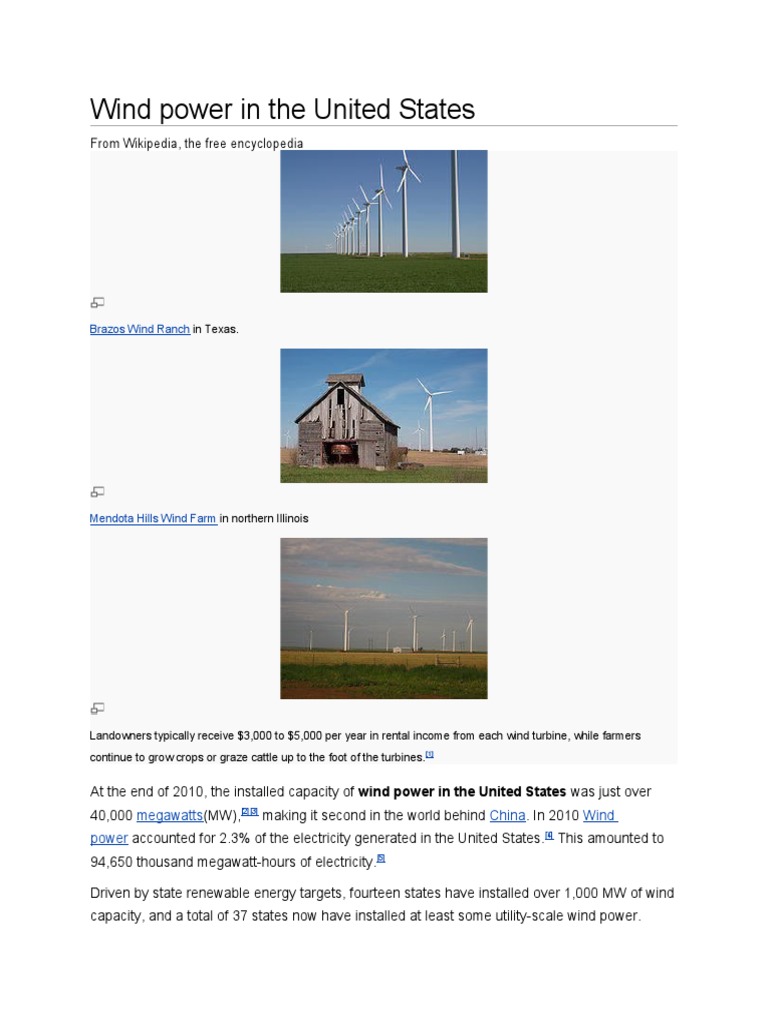
Estimating the number of wind turbines required to meet the United States’ total electricity demand reveals both the scale of renewable ambition and the technical, geographic, and policy factors that shape a wind‑powered grid.
Quick Answer
Based on 2022 U.S. electricity consumption of about 4.0 trillion kilowatt‑hours (kWh) and an average on‑shore turbine capacity factor of 35 %, roughly 900,000 to 1 million modern 2‑MW turbines would be needed to supply all electricity, assuming optimal siting and no storage losses. Offshore turbines, which can achieve higher capacity factors, would reduce the total count but require additional transmission infrastructure. Uncertainties in future demand, turbine efficiency, and grid integration mean the exact figure can vary.
Key Takeaways
- The United States consumed ~4 trillion kWh of electricity in 2022.
- An average 2‑MW on‑shore turbine produces about 6 GWh per year at a 35 % capacity factor.
- Approximately 900,000–1,000,000 such turbines could meet national electricity needs.
- Offshore wind, higher‑capacity turbines, and energy storage can lower the turbine count.
- Land use, wildlife impacts, and transmission upgrades are critical practical considerations.
What Is How Many Wind Turbines Would It Take to Power the Entire U.S.?
The question asks for a quantitative estimate of the turbine fleet required to generate the total electricity used by residential, commercial, industrial, and transportation sectors in the United States. It does not include non‑electric energy such as gasoline or heating oil, which are accounted for separately in total primary energy statistics. The analysis typically assumes modern utility‑scale turbines, distinguishes on‑shore and offshore installations, and incorporates realistic capacity factors that reflect wind availability at a given site.
How Does It Work?
Step 1: Determine National Electricity Consumption
The U.S. Energy Information Administration (EIA) reports that net electricity generation in 2022 was 4.0 trillion kWh, or 4 million GWh. This figure aggregates all end‑use sectors and serves as the target energy output for a wind‑only scenario.
Step 2: Estimate Annual Energy per Turbine
A 2‑MW on‑shore turbine operating at a 35 % capacity factor (the average for the Great Plains and Midwest) generates:
- 2 MW × 8,760 hours = 17,520 MWh (maximum possible).
- 17,520 MWh × 0.35 ≈ 6,130 MWh, or about 6 GWh per year.
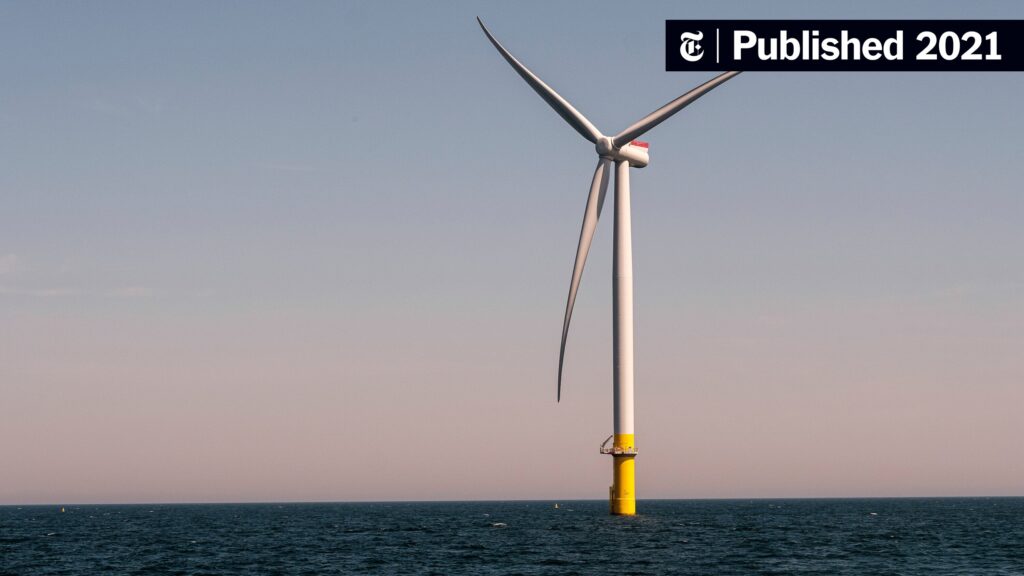
Offshore turbines often achieve 45‑50 % capacity factors, producing roughly 9–10 GWh per year for a 10‑MW unit.
Step 3: Divide Total Demand by Per‑Turbine Output
4,000,000 GWh ÷ 6 GWh ≈ 667,000 turbines if every turbine performed at the 35 % factor. Accounting for downtime, transmission losses (≈5 %), and a modest safety margin raises the estimate to about 900,000–1,000,000 turbines.
What Does the Evidence Show?
Long‑term wind‑resource assessments by the National Renewable Energy Laboratory (NREL) and the U.S. Department of Energy (DOE) confirm that the contiguous United States has sufficient wind‑energy potential to exceed 10,000 GW of installed capacity, far above the ~1,200 GW needed to meet current electricity demand with a 30‑35 % capacity factor. Peer‑reviewed modeling studies (e.g., the 2021 DOE “Wind Energy Vision” report) consistently find that a wind‑dominant grid is technically feasible, provided that transmission expansion and storage are co‑developed.
Main Causes or Drivers
The primary driver of turbine count is the national electricity demand curve, which is shaped by population growth, economic activity, and electrification of transport and heating. Secondary drivers include:
- Wind resource distribution – higher average wind speeds reduce the number of turbines needed.
- Technological progress – larger rotors and taller towers increase capacity factors.
- Policy incentives – tax credits and renewable portfolio standards accelerate deployment.
- Grid constraints – limited transmission can force additional turbines in regions with better access.
Environmental and Human Impacts
Environmental Impacts
Wind turbines emit no greenhouse gases during operation, contributing to climate‑change mitigation. However, land‑use changes, visual impacts, and potential bird and bat mortality require careful siting. Studies by the U.S. Fish and Wildlife Service indicate that strategic placement can keep avian fatalities below 0.1 % of regional bird populations.
Human Health and Social Impacts
Communities near wind farms may experience noise and shadow‑flicker, though most research (e.g., a 2020 systematic review in *Environmental Health Perspectives*) finds no consistent adverse health outcomes when turbines meet recommended setback distances. Economic benefits include construction jobs, tax revenue, and lease payments to landowners.
Economic and Infrastructure Impacts
Building a million‑turbine fleet would require an investment of roughly $1.5 trillion, based on average installed costs of $1,500/kW reported by the Lawrence Berkeley National Laboratory. The same analysis estimates that every $1 billion invested creates approximately 10,000 jobs in manufacturing, installation, and operations.
Regional Differences
Wind resources vary dramatically. The Great Plains (e.g., Texas, Oklahoma, Kansas) average 7–9 m/s wind speeds, supporting the highest capacity factors. In contrast, the Southeast averages 4–5 m/s, requiring more turbines per unit of electricity. Offshore wind is concentrated along the Atlantic and Gulf coasts, where water depth and distance to shore influence project cost.
What Scientists Know With High Confidence
- Wind energy displaces fossil‑fuel electricity and reduces CO₂ emissions proportionally to the displaced generation mix.
- Modern on‑shore turbines achieve capacity factors between 30‑40 % in most U.S. wind corridors.
- The United States possesses wind‑energy technical potential far exceeding current electricity demand.
- Transmission bottlenecks, not wind resource scarcity, are the primary constraint on large‑scale deployment.
What Remains Uncertain
Key uncertainties include the future trajectory of electricity demand under widespread electrification, the cost and scalability of long‑duration storage, and the social acceptance of large wind farms in densely populated regions. Improved high‑resolution wind mapping and real‑world performance data from next‑generation turbines will reduce these gaps.
Common Misconceptions
Misconception: Wind turbines can instantly replace all fossil‑fuel plants.
Reality: Intermittent generation requires complementary resources—storage, demand response, or flexible gas plants—to maintain reliability.
Misconception: The land occupied by turbines is unusable.
Reality: Turbine pads occupy less than 1 % of a wind farm’s footprint; the remaining area often continues to support agriculture or grazing.
Misconception: Offshore wind is too expensive to matter.
Reality: Recent cost reductions have brought offshore levelized cost of electricity (LCOE) within the range of on‑shore projects, especially when accounting for higher capacity factors.
Solutions and Limitations
Achieving a wind‑only electricity system involves a portfolio of measures:
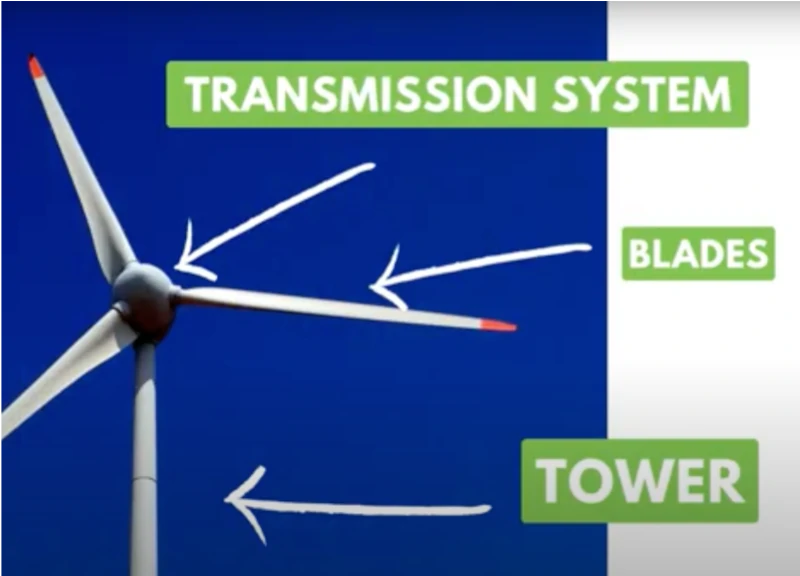
- Scale‑up of turbine capacity: Larger rotors (150 m+) increase energy capture but raise material and logistics challenges.
- Transmission upgrades: New high‑voltage corridors are essential to move power from windy interiors to coastal load centers; permitting can be lengthy.
- Energy storage: Batteries, pumped hydro, and emerging hydrogen electrolysis can smooth daily variability, yet current costs limit large‑scale deployment.
- Demand‑side management: Smart‑grid technologies and time‑of‑use pricing can shift consumption to windy periods, reducing the needed turbine fleet.
Each strategy carries trade‑offs: storage adds capital cost and material demand; transmission lines may face land‑use opposition; larger turbines require heavier foundations and specialized transport.
What Individuals, Communities, and Governments Can Do
What Individuals Can Do
- Support local zoning that encourages wind‑friendly siting while protecting wildlife corridors.
- Choose electricity suppliers that offer wind‑power contracts or renewable energy credits.
- Advocate for community‑owned wind projects that share economic benefits.
What Communities and Organizations Can Do
- Partner with developers to conduct thorough environmental assessments and secure appropriate setbacks.
- Invest in micro‑grids or community storage to increase local resilience.
- Educate residents about the net economic and health benefits of well‑sited wind farms.
What Governments Can Do
- Maintain and expand tax incentives such as the Production Tax Credit (PTC) to lower financing costs.
- Prioritize permitting for transmission projects that connect high‑wind regions to load centers.
- Set clear, science‑based renewable‑energy targets that include wind as a core component.
- Fund research on low‑impact turbine designs and advanced storage technologies.
Synthesis
Estimating that roughly one million modern 2‑MW turbines could meet the United States’ electricity demand highlights both the magnitude of the transition and the feasibility of a wind‑dominant grid. High‑confidence evidence confirms ample wind resources and proven technology, while uncertainties center on demand growth, storage economics, and social acceptance. By combining turbine expansion with transmission upgrades, storage, and demand‑side measures, policymakers and stakeholders can chart a realistic pathway toward a low‑carbon, wind‑rich energy system.
Frequently Asked Questions
How is the number of turbines calculated?
The calculation divides total U.S. electricity use (about 4 trillion kWh) by the average annual output of a modern turbine, which is roughly 6 GWh for a 2‑MW on‑shore unit operating at a 35 % capacity factor.
Can offshore wind reduce the total turbine count?
Yes; offshore turbines often achieve 45‑50 % capacity factors and can be larger (10 MW+), meaning fewer units are needed to generate the same amount of electricity, though they require additional transmission infrastructure.
What are the main barriers to deploying a million turbines?
Key barriers include the need for extensive transmission upgrades, land‑use and wildlife considerations, financing of a $1.5 trillion investment, and ensuring grid reliability with intermittent wind power.
How does wind energy affect wildlife?
When turbines are sited with proper setbacks and environmental assessments, bird and bat mortality typically remains below 0.1 % of regional populations, according to U.S. Fish and Wildlife Service studies.
What actions can individuals take to support wind power?
Individuals can choose electricity suppliers that offer wind energy, support community‑owned wind projects, and advocate for local policies that promote responsible siting and wildlife protection.





Leave a Comment