
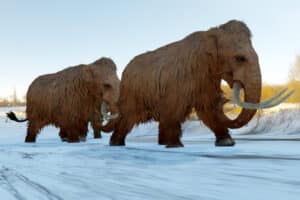
Human activity has caused the confirmed loss of hundreds of species since the 1500s, a rate far exceeding natural background extinction and threatening ecosystem health worldwide.
Quick Answer
Scientists estimate that roughly 680 species have gone extinct worldwide because of direct human actions since the year 1500, with additional undocumented losses likely. This figure comes from the International Union for Conservation of Nature (IUCN) Red List assessments and peer‑reviewed syntheses. The primary mechanisms are habitat destruction, overexploitation, invasive species, and climate‑driven changes, all of which accelerate the natural background extinction rate of about 0.1–1 species per million species per year. While the exact number carries uncertainty due to incomplete monitoring, the consensus is that human‑induced extinctions are occurring at a rate orders of magnitude higher than would be expected without our influence.
Key Takeaways
- ~680 species are confirmed extinct due to human activities since 1500, based on IUCN data.
- Habitat loss, overharvesting, invasive species, and climate change are the four dominant drivers.
- Extinctions reduce ecosystem services, affect food security, and can amplify climate impacts.
- High‑confidence findings include the accelerating extinction rate and the central role of land‑use change.
- Uncertainties remain around undiscovered species losses and future trajectories under different policy scenarios.
What Is How Many Species Has Humanity Directly Driven to Extinction??
The phrase refers to the count of species that have disappeared worldwide whose extinction can be directly linked to human actions such as deforestation, hunting, pollution, or the introduction of non‑native organisms. It excludes species that vanished solely because of natural processes (e.g., volcanic eruptions) and focuses on documented cases where anthropogenic pressure is the primary cause. Understanding this metric helps gauge the scale of biodiversity loss, evaluate the effectiveness of conservation policies, and inform ethical responsibilities toward remaining life forms.
How Does It Work?
Human‑driven extinction follows a chain of ecological and socio‑economic steps:
- Resource demand expands: Population growth and economic development increase demand for land, food, timber, and minerals.
- Habitat conversion occurs: Forests, wetlands, and grasslands are cleared or fragmented, reducing the area available for native species.
- Direct exploitation intensifies: Hunting, fishing, and wildlife trade remove individuals faster than populations can replenish.
- Invasive species are introduced: Global trade unintentionally transports predators, competitors, or pathogens that outcompete native organisms.
- Climate alteration adds stress: Rising temperatures and altered precipitation shift suitable habitats, forcing species to migrate, adapt, or perish.
- Population collapse follows: The combined pressures lower reproductive success and increase mortality, leading to a tipping point where the species can no longer sustain viable populations.
- Extinction is declared: After exhaustive surveys fail to locate any living individuals, the IUCN classifies the species as Extinct.
What Does the Evidence Show?
Multiple lines of evidence converge on the same conclusion:
- Historical records: Museum specimens, explorer journals, and indigenous knowledge document the disappearance of species such as the dodo (Raphus cucullatus) and the thylacine (Thylacinus cynocephalus).
- Red List assessments: The IUCN Red List, updated continuously, lists 680 confirmed extinctions from 1500 to 2023, representing the most comprehensive global accounting.
- Meta‑analyses: A 2015 systematic review in Biological Conservation found that human‑induced extinction rates are 100–1,000 times higher than background rates derived from the fossil record.
- Modelled baselines: The United Nations Convention on Biological Diversity (CBD) projects that without mitigation, up to 30% of species could be lost by 2050, a trajectory supported by climate‑impact models.
These sources differ in methodology—some rely on documented extinctions, others on statistical extrapolation—but they all point to a rapid, anthropogenic acceleration of loss.
Main Causes or Drivers
Direct Causes
- Habitat destruction: Agriculture, urban expansion, and logging eliminate or fragment critical ecosystems.
- Overexploitation: Unsustainable hunting, fishing, and trade push populations below viable thresholds.
- Invasive species: Non‑native predators (e.g., rats on island bird nests) cause rapid declines.
- Pollution: Chemical runoff and plastic ingestion lead to mortality in aquatic and terrestrial species.
Underlying Drivers
- Economic incentives: Market demand for commodities like soy, palm oil, and timber fuels land‑use change.
- Population pressure: Growing human numbers increase resource extraction.
- Policy gaps: Weak enforcement of wildlife protection laws allows illegal trade.
- Climate change: Alters habitats faster than many species can adapt, compounding other threats.
Environmental and Human Impacts
Environmental Impacts
Loss of species erodes ecosystem services such as pollination, water purification, and carbon sequestration. Keystone extinctions—like the passenger pigeon (Ectopistes migratorius)—disrupt seed dispersal networks, leading to cascading declines in plant diversity.
Human Health and Social Impacts
Reduced biodiversity can increase disease transmission (the “dilution effect”) and undermine food security by eliminating wild genetic resources vital for crop breeding. Indigenous cultures that rely on specific species for nutrition, medicine, or spiritual practices face cultural erosion when those species vanish.
Regional Differences
Extinction patterns vary:
- Islands: Oceanic islands host many endemic species; invasive rats and habitat loss have caused >70% of recorded island extinctions.
- Tropical forests: The Amazon and Southeast Asian rainforests experience rapid deforestation, threatening thousands of yet‑undescribed species.
- Temperate regions: Europe’s long history of land conversion resulted in early extinctions (e.g., the great auk), while North America still faces habitat fragmentation for large mammals.
What Scientists Know With High Confidence
What Scientists Know With High Confidence
- The current global extinction rate far exceeds the natural background rate.
- Habitat loss is the single largest driver of recent extinctions.
- Overexploitation and invasive species are well‑documented direct causes for many documented losses.
- Climate change is already contributing to range contractions and extinctions, especially in marine and alpine systems.
What Remains Uncertain
What Remains Uncertain
Key gaps include the true number of species that have disappeared unnoticed, especially among invertebrates and microorganisms; the speed at which climate change will push currently threatened species over the extinction threshold; and the effectiveness of emerging genomic rescue techniques, which are still experimental.
Common Misconceptions
Common Misconceptions
Misconception: Extinction is a natural, unpreventable process.
Reality: While extinction does occur naturally, the present rate is driven largely by human activities and can be reduced through targeted conservation.
Misconception: Only charismatic megafauna matter.
Reality: Small organisms (e.g., insects, fungi) provide essential services; their loss can destabilize entire ecosystems.
Misconception: One species loss has negligible impact.
Reality: Species often play unique ecological roles; the loss of a single keystone species can trigger cascading extinctions.
Solutions and Limitations
Effective responses combine prevention, mitigation, and restoration:
- Protected areas: Expanding and properly managing reserves can safeguard habitats, but effectiveness depends on enforcement and connectivity.
- Sustainable resource use: Certification schemes for timber and seafood reduce overexploitation, yet market uptake can be slow.
- Invasive species control: Eradication programs succeed on small islands but are costly and logistically challenging at larger scales.
- Climate mitigation: Reducing greenhouse‑gas emissions slows habitat alteration, though benefits may be realized only over decades.
- Restoration ecology: Reforestation and wetland rebuilding rebuild lost habitats, but restored ecosystems may not fully replicate original biodiversity.
What Individuals, Communities, and Governments Can Do
What Individuals Can Do
- Choose certified sustainable products (e.g., FSC timber, MSC seafood).
- Support organizations that fund habitat protection and species recovery.
- Reduce personal carbon footprints to lessen climate‑driven pressures.
What Communities and Organizations Can Do
- Implement local land‑use planning that preserves critical habitats.
- Participate in citizen‑science monitoring to improve extinction data.
- Develop invasive‑species rapid‑response teams.
What Governments Can Do
- Enforce and strengthen wildlife trade regulations (e.g., CITES).
- Invest in protected‑area networks that are ecologically connected.
- Integrate biodiversity safeguards into climate‑policy frameworks.
Closing Synthesis
Human activity has directly led to the confirmed extinction of roughly 680 species since the 1500s, a rate far above natural background levels. High‑confidence evidence links habitat loss, overexploitation, invasive species, and climate change to these losses, which in turn diminish ecosystem services and affect human well‑being. Although uncertainties remain—particularly regarding undocumented extinctions—robust conservation strategies, policy enforcement, and sustainable consumption can curb further loss. The path forward demands coordinated action across individuals, communities, and governments to preserve the remaining tapestry of life.
Frequently Asked Questions
How many species are confirmed extinct because of human actions?
Scientists estimate that about 680 species have gone extinct worldwide since the year 1500 as a direct result of human activities, according to IUCN Red List assessments and peer‑reviewed studies.
What are the main drivers behind human‑induced extinctions?
The four dominant drivers are habitat destruction, overexploitation (hunting, fishing, trade), invasive species, and climate‑change impacts, each of which accelerates species loss beyond natural rates.
Why does the extinction of a single species matter?
Many species fulfill unique ecological roles; the loss of a keystone species can disrupt pollination, seed dispersal, or predator‑prey dynamics, leading to cascading effects that weaken ecosystem resilience.
What uncertainties remain in counting human‑driven extinctions?
Uncertainties include undocumented losses among invertebrates and microorganisms, the future speed of climate‑induced extinctions, and the effectiveness of emerging genetic rescue techniques.
What actions can individuals take to help prevent further extinctions?
Individuals can choose sustainably certified products, support conservation NGOs, and reduce personal carbon emissions, all of which address the primary drivers of species loss.









Leave a Comment