
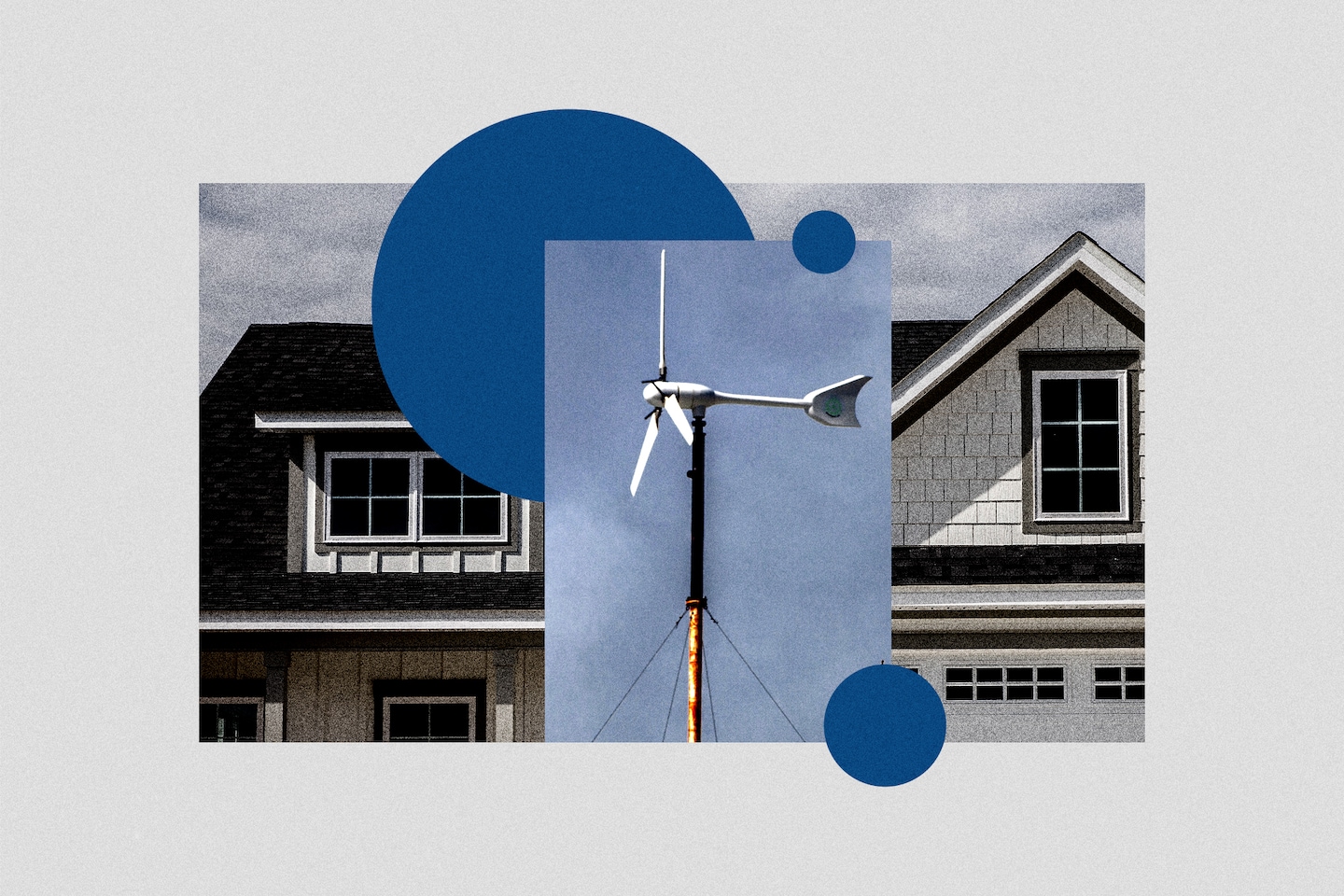
Wind energy converts kinetic wind into electricity, and a typical turbine can supply power for hundreds of homes, though the exact number varies with turbine size, wind speed, and regional factors.
Quick Answer
Wind turbines generate electricity by turning rotor blades with moving air; a 2.5 MW onshore turbine typically produces enough energy for 800‑900 average U.S. homes annually, while larger offshore turbines can serve 2,000‑3,000 homes. The estimate depends on the turbine’s capacity factor—generally 30‑45 % in windy regions—so the number of homes powered fluctuates with local wind resources and grid integration. Overall, wind power can reliably meet the electricity needs of many thousands of households when deployed at scale.
Key Takeaways
- A 2.5 MW onshore turbine can supply electricity for roughly 800‑900 average homes per year.
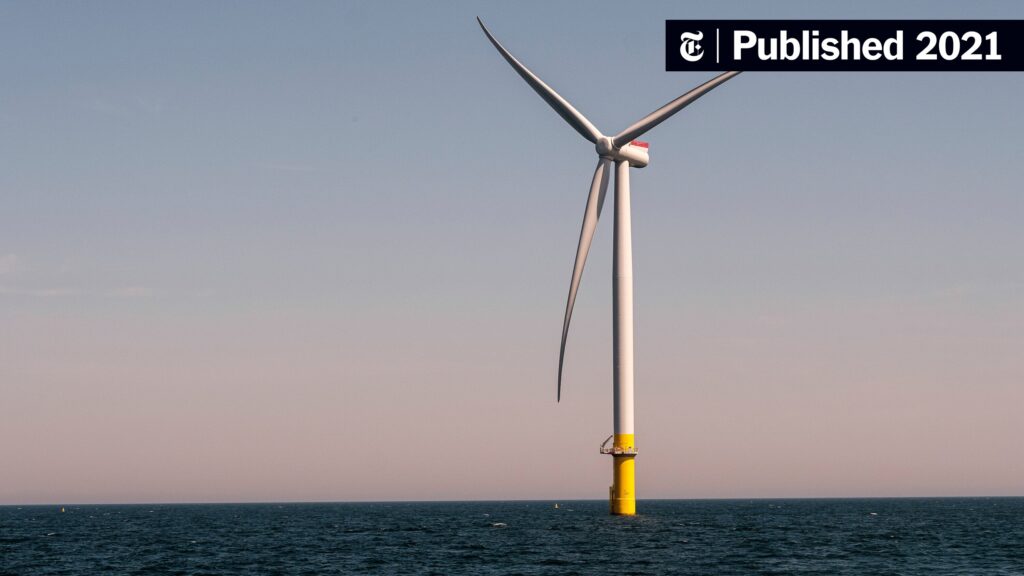
- Offshore turbines, with capacities up to 10 MW, can power 2,000‑3,000 homes under optimal wind conditions.
- Capacity factor (30‑45 %) is the primary driver of how many homes a turbine can serve.
- Regional wind resources, turbine technology, and grid connections strongly affect outcomes.
- Combining wind with storage and other renewables mitigates intermittency and maximizes household coverage.
What Is How Many Homes Can Wind Energy Power??
The phrase asks for a conversion between wind‑generated electricity and residential electricity demand. It does not refer to a single fixed number; instead, it depends on turbine size (megawatts, MW), the capacity factor (the ratio of actual output to theoretical maximum), and the average household consumption in the region. The metric is useful for communicating the tangible benefits of wind farms to the public and for planning renewable‑energy portfolios.
How Does It Work?
Physical Conversion
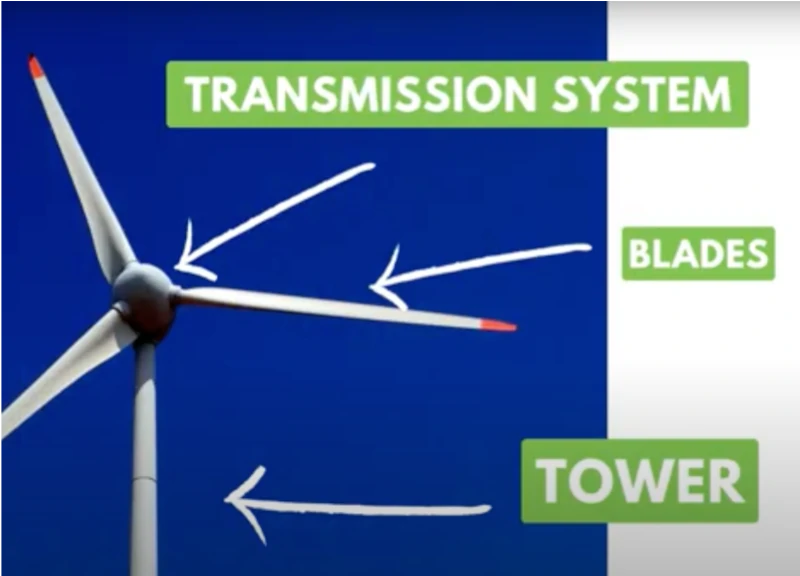
Wind turbines capture kinetic energy from moving air. The rotor blades rotate, turning a low‑speed shaft that drives a gearbox (or directly a generator in direct‑drive designs). The gearbox increases rotational speed, allowing the generator to produce alternating current, which is then converted to grid‑compatible electricity.
Capacity Factor
Because wind speed varies, turbines do not operate at full capacity continuously. The capacity factor—typically 30‑45 % for onshore sites and 45‑55 % for offshore sites—reflects the average actual output relative to the turbine’s rated power. This factor determines the effective annual energy production.
From Megawatt‑Hours to Homes
- Calculate annual energy output: Rated MW × 8,760 hours/year × capacity factor.
- Divide by average household electricity use (≈10,600 kWh/year in the United States, per the U.S. Energy Information Administration, 2022).
- The result is the number of homes the turbine can supply.
What Does the Evidence Show?
Long‑term monitoring by the U.S. Department of Energy and the International Renewable Energy Agency (IRENA) confirms that modern onshore turbines with 2‑3 MW ratings consistently produce 6‑9 GWh per year in high‑wind zones, enough for about 800‑900 homes. Offshore installations, such as the 10 MW GE Haliade‑X, have reported annual outputs exceeding 30 GWh, supporting roughly 2,800 homes. Peer‑reviewed synthesis papers (e.g., *Renewable Energy* 2021) find that capacity factors have risen over the past decade due to larger rotor diameters and improved siting, enhancing the homes‑powered metric.
Main Causes or Drivers
Wind Resource Quality
Average wind speed at hub height is the strongest driver; sites with >7 m/s typically achieve capacity factors above 40 %.
Turbine Technology
Larger rotors, taller towers, and advanced blade aerodynamics increase energy capture per unit of wind.
Policy and Market Incentives
Tax credits, renewable portfolio standards, and feed‑in tariffs encourage the construction of high‑capacity turbines, expanding the total number of homes powered.
Environmental and Human Impacts
Environmental Impacts
Wind power displaces fossil‑fuel generation, reducing CO₂ emissions by about 3 t per MWh avoided (IPCC, 2021). Land‑use impact is modest; turbines occupy a small footprint, allowing concurrent agriculture or grazing. However, bird and bat mortality can occur, especially in migratory corridors, prompting careful siting.
Human Health and Social Impacts
By lowering air pollutants such as SO₂ and particulate matter, wind farms improve public health outcomes, particularly in densely populated regions. Community ownership models have shown economic benefits, distributing lease payments and tax revenues to local households.
Economic and Infrastructure Impacts
Construction creates short‑term jobs, while operations and maintenance provide long‑term employment. Grid upgrades are often required to transport electricity from remote windy sites to load centers, representing a capital cost that must be considered in planning.
Regional Differences
In the United States, the Great Plains and coastal Atlantic states exhibit the highest capacity factors, enabling a single turbine to power >1,000 homes. In contrast, the Appalachian region, with lower average winds, may see capacity factors near 25 %, reducing the homes‑served figure to ~500 per turbine. Europe’s offshore wind farms in the North Sea achieve capacity factors above 50 %, dramatically increasing households served per MW. In low‑wind regions such as parts of the Southeast U.S., wind projects are less economical without storage or hybrid solutions.
What Scientists Know With High Confidence
- Wind turbines convert kinetic wind energy into electricity with well‑understood physics.
- Capacity factor is the dominant determinant of how many homes a turbine can power.
- Modern onshore turbines reliably supply electricity for ~800‑900 average U.S. homes; offshore turbines can serve 2,000‑3,000 homes.
- Wind energy reduces greenhouse‑gas emissions and air pollutants when it displaces fossil‑fuel generation.
What Remains Uncertain
Future capacity factors may shift with climate‑induced changes in wind patterns, a topic still under active research. The economic feasibility of large‑scale storage integration—critical for smoothing intermittency—depends on evolving battery costs and policy frameworks. Moreover, localized wildlife impacts vary with species composition and turbine design, requiring site‑specific studies.
Common Misconceptions
Misconception: A single turbine can power an entire neighborhood.
Reality: While a large offshore turbine may supply a few thousand homes, most onshore turbines serve a few hundred. Community‑scale power often relies on multiple turbines and complementary renewables.
Misconception: Wind energy is always “on” and never needs backup.
Reality: Wind is variable; without storage or complementary sources, periods of low wind require backup generation to maintain reliability.
Misconception: All wind farms have the same environmental impact.
Reality: Impacts differ by location, turbine layout, and mitigation measures such as bird‑safe siting and noise management.
Solutions and Limitations
Key strategies include expanding high‑capacity offshore wind, integrating battery storage, and improving transmission infrastructure. Limitations involve high upfront capital costs, permitting timelines, and occasional visual or noise concerns among nearby residents. Hybrid systems that pair wind with solar and storage can smooth supply but require coordinated planning and market incentives.
What Individuals, Communities, and Governments Can Do
What Individuals Can Do
Support policies that fund wind‑energy incentives, choose electricity suppliers with renewable‑energy options, and, where feasible, install small‑scale turbines or community‑owned shares.
What Communities and Organizations Can Do
Develop local wind cooperatives, conduct site‑specific wind assessments, and collaborate with utilities to streamline interconnection.
What Governments Can Do
Offer tax credits, streamline permitting, invest in grid upgrades, and fund research on turbine technology and wildlife mitigation.
Closing Synthesis
Wind energy’s ability to power homes hinges on turbine size, capacity factor, and regional wind resources. High‑confidence evidence shows that a typical 2.5 MW onshore turbine can serve 800‑900 households, while offshore giants can reach several thousand. Uncertainties remain around future wind patterns and storage economics, but ongoing research and policy support are narrowing those gaps. By combining wind with storage, diversified renewables, and supportive governance, societies can reliably meet residential electricity needs while cutting emissions.
Frequently Asked Questions
How many average U.S. homes can a typical onshore wind turbine power?
A typical 2.5 MW onshore wind turbine, operating with a 30‑45 % capacity factor, can generate enough electricity for roughly 800‑900 average U.S. homes each year.
Why does the capacity factor matter for estimating homes powered by wind?
The capacity factor reflects the actual output versus the turbine’s maximum possible output; higher capacity factors mean more energy produced per megawatt, directly increasing the number of homes that can be supplied.
Can wind energy alone reliably meet household electricity demand?
Wind energy is variable, so while it can supply a large share of electricity, reliable household service usually requires storage or complementary renewable sources to cover low‑wind periods.
What are the main environmental benefits of powering homes with wind?
Wind power displaces fossil‑fuel generation, reducing CO₂ emissions by about 3 tons per MWh avoided and lowering air pollutants that affect public health, while using a small land footprint.
What actions can individuals take to support wind energy for home power?
Individuals can choose electricity providers that source from wind, support policies that incentivize wind projects, and, where viable, invest in community wind cooperatives or small‑scale turbines.





Leave a Comment