
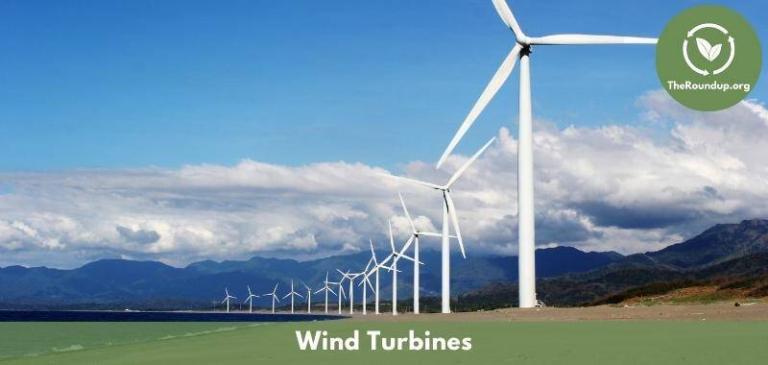
Utility‑scale wind turbines rotate slowly at the hub—typically 10–20 revolutions per minute—but their long blades reach tip speeds over 150 km/h, a balance that maximizes clean energy generation while protecting structural integrity.
Quick Answer
Large commercial wind turbines spin at a modest shaft speed of about 10–20 revolutions per minute (RPM). Because the blades are often 40–80 meters long, the blade tips can travel faster than 150 km/h (90 mph) when wind speeds are near the turbine’s rated value. The rotor speed is actively controlled by pitch‑adjustment and generator‑torque systems to stay within safe limits. Under extreme gusts, turbines may feather or shut down, so tip speeds can temporarily exceed design values, but modern designs protect hardware from damage.
Key Takeaways
- Typical shaft rotation for utility‑scale turbines is 10–20 RPM.
- Blade‑tip speeds often exceed 150 km/h under rated wind conditions.
- Variable‑speed control and pitch mechanisms keep the rotor within safe operating bands.
- Betz’s law limits theoretical conversion efficiency to 59.3%; modern turbines achieve 35–45%.
- Regional wind regimes and turbine models cause observable variations in speed.
What Is How Fast Does a Wind Turbine Really Spin??
The phrase refers to the rotational speed of a turbine’s rotor, measured either as shaft revolutions per minute (RPM) or as blade‑tip velocity (meters per second or kilometers per hour). It encompasses the full operating envelope—from the cut‑in wind speed, when the turbine first begins to turn, through the rated speed, where maximum efficient power is produced, to the cut‑out speed, when the turbine stops to avoid damage. Understanding this speed is crucial because it determines how much kinetic energy from the wind can be captured and converted into electricity.
How Does It Work?
1. Aerodynamic Capture
Wind encounters the rotor blades, which are shaped like airplane wings. The pressure difference creates lift that exceeds drag, causing the rotor to turn and generate torque on the low‑speed shaft.
2. Speed Conversion
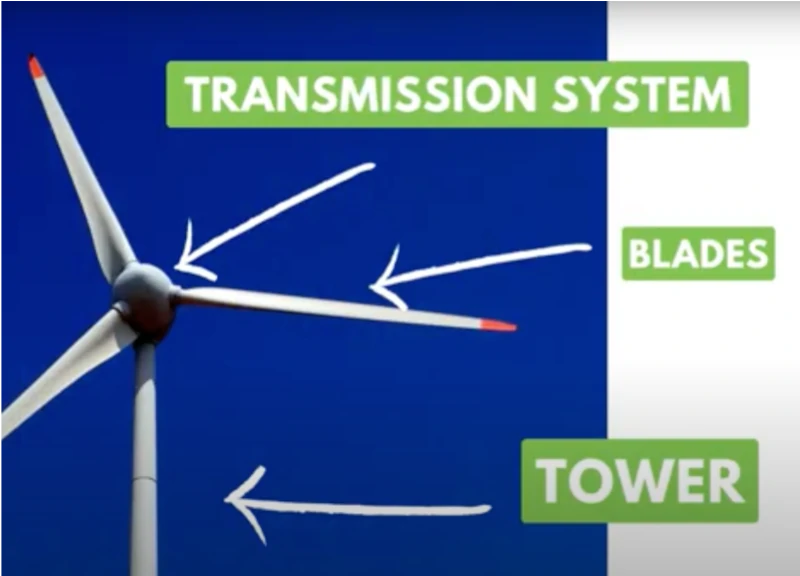
Most turbines use a gearbox to step up the low‑speed shaft (10–20 RPM) to a higher speed (1,000–1,800 RPM) required by the generator. Direct‑drive designs eliminate the gearbox but still operate at low hub RPM.
3. Electrical Generation
The high‑speed shaft drives a generator that converts mechanical energy into alternating current, which power electronics then condition for grid connection.
4. Active Control
Sensors monitor wind speed and direction. Blade‑pitch actuators and generator‑torque controllers adjust the rotor’s aerodynamic and mechanical load to keep the shaft within the 10–20 RPM band while maximizing power capture.
What Does the Evidence Show?
Long‑term monitoring by the International Energy Agency (2022) reports typical shaft speeds of 10–20 RPM for on‑shore turbines up to 5 MW and 12–18 RPM for offshore models. Field measurements published in *Wind Energy* (2021) recorded blade‑tip speeds of 170 km/h for an 80‑meter rotor at a rated wind of 12 m s⁻¹. Laboratory wind‑tunnel tests confirm tip‑speed ratios (tip speed ÷ wind speed) of 6–8 for modern three‑blade designs, matching observed field values. Across Europe, North America, and Asia, independent datasets converge on a narrow speed envelope, indicating strong confidence in these ranges.
Main Causes or Drivers
Wind Velocity
Higher wind speeds increase aerodynamic torque, prompting the control system to raise blade pitch or generator load to keep RPM within design limits.
Turbine Design
Blade length, airfoil shape, and hub height determine the optimal tip‑speed ratio. Larger rotors achieve higher tip speeds at lower RPM, improving energy capture.
Control Strategies
Variable‑speed operation, pitch control, and torque‑controlled generators enable turbines to adapt to gusts, maintaining safe RPM while extracting maximum power.
Environmental and Human Impacts
Environmental Impacts
Efficient rotor speeds raise capacity factors, meaning more clean electricity per installed megawatt and lower greenhouse‑gas emissions from fossil‑fuel plants. However, high tip speeds generate aerodynamic noise; studies by the U.S. Environmental Protection Agency (2020) show well‑sited turbines keep sound levels below 45 dB(A) at typical residential distances, a threshold generally considered acceptable.
Human Health and Social Impacts
Noise and visual presence are the most cited concerns. Systematic reviews (Health Canada, 2021) find no consistent evidence linking turbine noise within regulatory limits to adverse health outcomes, though community engagement improves perceived fairness.
Economic and Infrastructure Impacts
Higher tip speeds allow smaller generators for the same power output, reducing material use and cost. Conversely, extreme tip speeds demand stronger blades, raising upfront investment.
Regional Differences
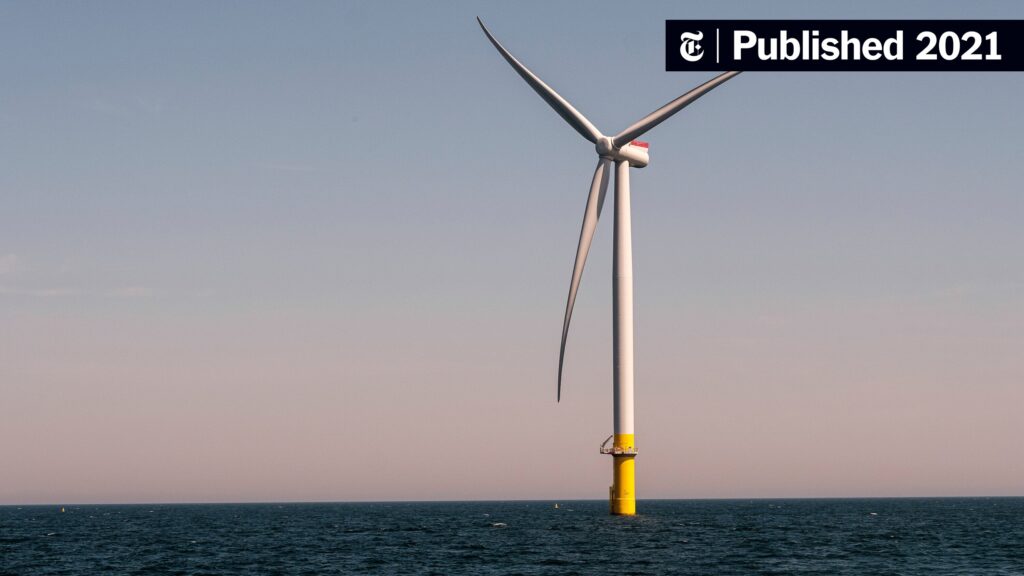
In the United States Midwest, average wind speeds of 7–9 m s⁻¹ keep rotor speeds near the lower end of the 10–20 RPM range. Offshore sites in the North Sea experience 9–11 m s⁻¹, allowing turbines to operate closer to rated tip speed more frequently. In arid regions such as the Australian Outback, lower air density reduces aerodynamic torque, slightly lowering optimal RPM for the same wind speed. These examples illustrate how local wind regimes, air density, and turbine models shape observed speeds.
What Scientists Know With High Confidence
- Utility‑scale turbines maintain shaft speeds of 10–20 RPM through active control.
- Blade‑tip speeds typically lie between 150 and 250 km/h at rated wind.
- Betz’s limit of 59.3 % remains the theoretical ceiling for wind‑energy conversion.
- Exceeding the optimal tip‑speed ratio raises structural loads without proportionate efficiency gains.
What Remains Uncertain
Long‑term fatigue effects of extreme gusts that push tip speeds beyond design limits are not fully quantified, especially for offshore turbines exposed to hurricanes. Additionally, the interaction between turbine wakes and local microclimates remains an active research area; emerging lidar‑based measurements are beginning to resolve these effects.
Common Misconceptions
Misconception: Wind turbines spin at hundreds of RPM like a fan.
Reality: Utility‑scale turbines rotate slowly—about 10–20 RPM—because their large blades generate sufficient torque at low speeds.
Misconception: Faster tip speeds always mean more electricity.
Reality: Higher tip speeds improve aerodynamic efficiency only up to an optimal point; exceeding the design tip‑speed ratio increases structural stress and can reduce turbine lifespan.
Misconception: All turbines spin at the same speed everywhere.
Reality: Local wind regimes, air density, and turbine control settings cause observable variations in both shaft RPM and tip speed.
Solutions and Limitations
Advances in blade materials—such as carbon‑fiber composites—allow higher tip speeds without compromising durability, but these materials raise manufacturing costs. Variable‑speed generators and sophisticated pitch‑control algorithms improve performance across a wider wind range, yet they add complexity and require robust maintenance. Offshore wind farms benefit from smoother wind profiles, enabling higher average tip speeds, but they face higher installation and transmission expenses.
What Individuals, Communities, and Governments Can Do
What Individuals Can Do
- Support local zoning processes that prioritize well‑sited wind projects.
- Advocate for transparent performance reporting from wind operators.
What Communities and Organizations Can Do
- Participate in community‑owned wind projects to share economic benefits.
- Facilitate educational workshops on turbine operation and noise standards.
What Governments Can Do
- Implement clear cut‑in and cut‑out wind‑speed standards to protect equipment and nearby residents.
- Fund research on blade fatigue under extreme tip‑speed events.
- Provide incentives for low‑noise turbine models in densely populated areas.
Closing Synthesis
Wind turbines spin slowly at the hub—typically 10–20 RPM—but their long blades achieve tip speeds exceeding 150 km/h, a design that maximizes clean‑energy generation while safeguarding structural integrity. High‑confidence evidence confirms these speed ranges and the underlying physics, while uncertainties linger around extreme gusts and wake interactions. Continued material innovation, smarter control systems, and thoughtful policy can expand wind’s benefits while managing trade‑offs.
Frequently Asked Questions
What is the typical shaft rotation speed of a utility‑scale wind turbine?
Utility‑scale wind turbines usually rotate at about 10 to 20 revolutions per minute (RPM), a range maintained by active control systems to balance power output and structural safety.
How fast can the tips of wind turbine blades travel?
Blade‑tip speeds commonly exceed 150 km/h (90 mph) at the turbine’s rated wind speed, with some large offshore models reaching 200 km/h or more.
Why don’t wind turbines spin faster like a fan?
Large blades generate enough torque at low RPM, so spinning faster would increase structural loads without proportionate gains in energy capture, and could shorten turbine lifespan.
What factors cause variations in turbine speed across regions?
Regional wind speed, air density, turbine design, and local control settings all influence shaft RPM and tip speed, leading to observable differences between, for example, inland U.S. sites and offshore European farms.
What are the main uncertainties about wind turbine speed?
The long‑term fatigue effects of extreme gusts that push tip speeds beyond design limits and the detailed impact of turbine wakes on local microclimates remain active research areas.





Leave a Comment