
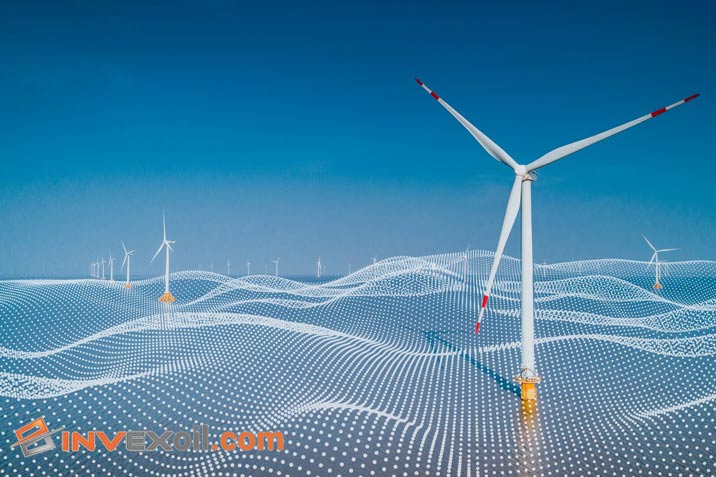
Modern wind turbines convert the kinetic energy of moving air into electrical power through aerodynamically designed blades, a gearbox or direct‑drive system, and electromagnetic induction, providing a low‑carbon source of electricity.
\n\n
Quick Answer
\n
A modern wind turbine captures wind with large, airfoil‑shaped blades, spins a rotor that drives a generator, and uses electromagnetic induction to produce alternating current that is then conditioned for the grid. The process relies on well‑understood physics—airflow, torque, and Faraday’s law—and delivers electricity with no fuel combustion and minimal emissions. Performance depends on wind speed, turbine size, and control systems; uncertainty remains around long‑term material degradation and site‑specific grid integration challenges.
\n
\n\n
Key Takeaways
\n
- \n
- Wind energy converts kinetic wind energy into electricity without burning fossil fuels.
- Blade aerodynamics and rotor speed are the primary determinants of power output.
- Most turbines use a gearbox to increase rotor speed, while some employ direct‑drive generators.
- Electromagnetic induction in the generator is the core conversion mechanism.
- Control systems optimise blade pitch and turbine orientation to maximise efficiency and protect the machine.
- Overall, wind power has a strong climate benefit but still faces material, wildlife, and grid‑integration challenges.
\n
\n
\n
\n
\n
\n
\n
\n\n
What Is a Modern Wind Turbine and How Does It Generate Electricity?
\n
A modern wind turbine is a tall structure—typically 80 to 120 m high—supporting a rotor assembly with three blades that can each exceed 45 m in length. The turbine converts the kinetic energy of wind (the mass of moving air multiplied by the square of its velocity) into mechanical rotation, which is then transformed into electrical energy. The term “modern” distinguishes contemporary designs that incorporate advanced aerodynamics, power electronics, and computer‑controlled pitch and yaw systems from early, fixed‑pitch, low‑capacity machines.
\n\n
How Does It Work?
\n
1. Blade Aerodynamics
\n
Each blade is shaped like an aircraft wing. As wind flows over the curved upper surface, air speeds up, creating lower pressure that lifts the blade and produces a torque on the rotor. The lift‑to‑drag ratio, typically 70 : 1 for modern blades, determines how efficiently wind energy is captured (NREL, 2021).
\n\n
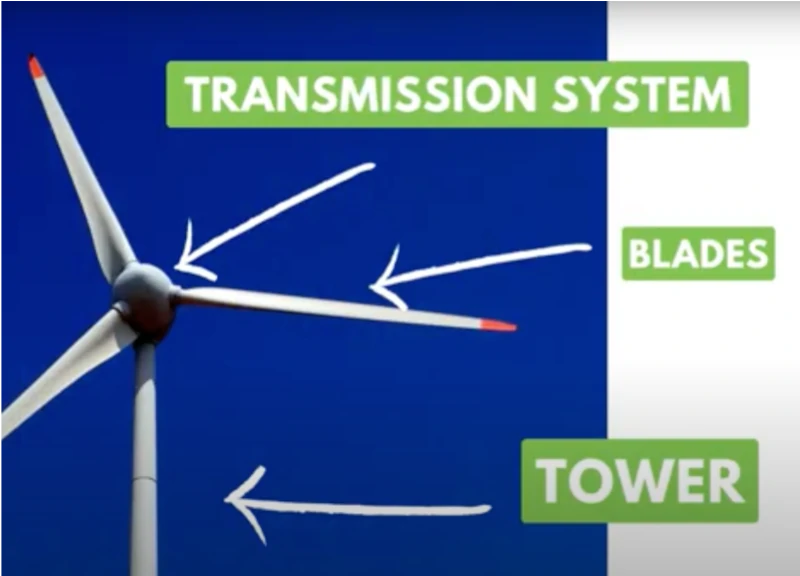
2. Rotor Hub and Nacelle
\n
The rotor hub connects the three blades to a low‑speed shaft that turns at 10–20 rpm in most utility‑scale turbines. The hub resides inside the nacelle, a housing at the top of the tower that contains the drivetrain and control electronics.
\n\n
3. Gearbox or Direct‑Drive
\n
Most turbines use a planetary gearbox to increase the shaft speed from a few tens of rpm to 1 500–1 800 rpm, the range where standard generators operate efficiently. Direct‑drive turbines eliminate the gearbox, using a larger, low‑speed generator; this reduces mechanical losses and maintenance but raises upfront cost (IEA, 2022).
\n\n
4. Generator and Electromagnetic Induction
\n
The high‑speed shaft drives a generator that contains permanent magnets and copper windings. According to Faraday’s law, rotating magnets alter the magnetic flux through the windings, inducing an alternating electric current. This current is typically three‑phase AC, which matches the grid frequency after power‑electronic conversion.
\n\n
5. Power Electronics and Grid Connection
\n
Modern turbines employ converters that rectify the generator’s AC to DC and then invert it back to grid‑compatible AC, allowing precise control of voltage, frequency, and power factor. The conditioned electricity travels down a cable inside the tower to a substation, where transformers raise the voltage for transmission.
\n\n
6. Control System (Pitch and Yaw)
\n
Sensors continuously monitor wind speed, direction, and turbine loads. Blade pitch actuators rotate the blades around their longitudinal axis to optimise lift or feather the blades in high winds, preventing overload. A yaw motor turns the entire nacelle to face the prevailing wind direction, maximizing energy capture.
\n\n
What Does the Evidence Show?
\n
Long‑term monitoring by the International Energy Agency (IEA, 2022) and national agencies such as the U.S. Energy Information Administration shows that onshore wind turbines achieve capacity factors of 30–45 % worldwide, meaning they produce that fraction of their rated power on average. Offshore turbines, benefitting from stronger, steadier winds, often exceed 50 % capacity factor (IPCC AR6, 2021). Lifecycle assessments consistently report that wind electricity emits less than 15 g CO₂‑equivalent per kilowatt‑hour, far lower than fossil‑fuel generation (IEA, 2022).
\n\n
Main Causes or Drivers
\n
Natural Drivers
\n
Wind is generated by atmospheric pressure gradients, Coriolis forces, and temperature differences. Regions with persistent pressure differentials—coastal plains, mountain passes, and open seas—experience higher average wind speeds, making them attractive for turbine placement.
\n
Human Drivers
\n
Policy incentives (e.g., renewable portfolio standards), declining turbine costs—down 85 % since 2000 according to the IEA—and climate‑mitigation commitments drive the rapid expansion of wind farms. Technological advances in blade materials, predictive maintenance, and grid‑integration tools further accelerate deployment.
\n\n
Environmental and Human Impacts
\n
Environmental Impacts
\n
Wind turbines produce no air pollutants during operation and have a small land‑footprint; the area between turbine rows can remain used for agriculture or grazing. However, turbine blades can pose collision risks for birds and bats, especially in migratory corridors. Mitigation measures such as siting away from high‑traffic routes and using ultrasonic deterrents have shown mixed effectiveness (US Fish and Wildlife Service, 2020).
\n
Human Health and Social Impacts
\n
Because turbines emit no combustion by‑products, they avoid respiratory hazards associated with fossil‑fuel plants. Some communities report visual or noise concerns; rigorous standards limit sound pressure levels to 45 dB(A) at the nearest residence, which is generally comparable to a quiet library.
\n
Economic and Infrastructure Impacts
\n
Wind farms create construction and operations jobs, with the International Renewable Energy Agency (IRENA, 2021) estimating 1.2 million global jobs in the sector. The need for new transmission lines can raise upfront costs, but these are offset over the turbine’s 20‑25 year design life.
\n\n
Regional Differences
\n
In the United States, the Great Plains host high‑capacity‑factor onshore farms, while the Atlantic and Gulf coasts support expanding offshore projects. Europe’s North Sea offshore capacity reached 23 GW in 2022, benefitting from shallow water and existing ports (EU Commission, 2022). In contrast, tropical regions such as Southeast Asia face lower average wind speeds and higher humidity, requiring robust blade coatings and careful siting.
\n\n
What Scientists Know With High Confidence
\n
- \n
- Wind energy conversion follows the well‑established principles of aerodynamics and electromagnetic induction.
- Modern turbines reliably operate for 20–25 years with predictable performance degradation of less than 0.5 % per year.
- Lifecycle greenhouse‑gas emissions from wind electricity are among the lowest of all energy sources.
- Control‑system pitch and yaw mechanisms effectively protect turbines from extreme wind events.
\n
\n
\n
\n
\n
\n\n
What Remains Uncertain
\n
Key uncertainties include the long‑term durability of large composite blades under UV exposure, the cumulative impacts on bat populations in different ecosystems, and the optimal mix of storage technologies needed to balance wind variability at high penetration levels. Ongoing field experiments and improved monitoring networks aim to reduce these knowledge gaps over the next decade.
\n
\n\n
Common Misconceptions
\n\n
Misconception: Wind turbines generate electricity only when the wind blows strongly.
\n
Reality: Turbines begin producing power at cut‑in speeds of about 3–4 m s⁻¹ and continue up to a cut‑out speed near 25 m s⁻¹; even low‑speed winds contribute to the annual energy yield.
\n\n
Misconception: All wind turbines use a gearbox.
\n
Reality: While gearboxes are common, direct‑drive designs eliminate the gearbox, using a larger, low‑speed generator to achieve the same electrical output with fewer moving parts.
\n\n
Misconception: Wind farms cause significant climate change.
\n
Reality: The net radiative forcing of wind farms is negligible; their carbon‑avoidance benefits vastly outweigh any minor local temperature effects observed in some studies.
\n\n
Misconception: Turbines are noisy and harmful to nearby residents.
\n
Reality: Modern turbines meet strict acoustic standards; measured sound levels at typical setback distances are comparable to background ambient noise.
\n\n
\n\n
Solutions and Limitations
\n
Improving turbine efficiency through longer, lighter blades can increase energy capture but raises concerns about blade transport and end‑of‑life recycling. Hybrid power‑electronics that enable curtailment during grid stress improve reliability but add cost. Offshore wind offers higher capacity factors, yet marine construction is expensive and may affect fisheries. Integrated storage—batteries, pumped hydro, or green hydrogen—mitigates intermittency but requires additional capital and material resources.
\n\n
What Individuals, Communities, and Governments Can Do
\n
What Individuals Can Do
\n
- \n
- Support policies that incentivise renewable‑energy procurement in local utilities.
- Choose electricity plans with a high proportion of wind‑generated power where available.
- Participate in community‑owned wind projects that share revenue with local residents.
\n
\n
\n
\n
What Communities and Organizations Can Do
\n
- \n
- Conduct wind‑resource assessments to identify suitable sites before development.
- Engage with stakeholders early to address visual, noise, and wildlife concerns.
- Invest in local grid upgrades that accommodate higher wind penetration.
\n
\n
\n
\n
What Governments Can Do
\n
- \n
- Implement transparent permitting processes and clear setback guidelines.
- Provide long‑term contracts or tax incentives that lower financing costs for wind projects.
- Fund research on blade recycling, wildlife mitigation, and offshore installation techniques.
\n
\n
\n
\n\n
Synthesis
\n
Modern wind turbines transform the kinetic energy of moving air into clean electricity through a sequence of aerodynamic capture, mechanical gearing or direct‑drive, and electromagnetic induction. Robust scientific evidence confirms their low‑carbon performance and reliable operation, while uncertainties remain around material lifespan and ecosystem interactions. By combining smarter turbine designs, thoughtful siting, and supportive policies, societies can expand wind’s contribution to a resilient, low‑emission energy system.
Frequently Asked Questions
What basic physical principle allows a wind turbine to generate electricity?
Wind turbines generate electricity by converting the kinetic energy of moving air into mechanical rotation, which then induces an electric current in a generator through electromagnetic induction, as described by Faraday’s law.
How do blade design and wind speed influence a turbine’s power output?
The aerodynamic shape of the blades creates lift that turns the rotor; a higher lift‑to‑drag ratio captures more energy, and power increases with the cube of wind speed, so even modest wind speed changes can significantly affect output.
What is the function of a gearbox in most modern wind turbines?
The gearbox steps up the low‑speed rotation of the rotor (typically 10–20 rpm) to a higher speed (about 1 500–1 800 rpm) that matches the optimal operating range of the generator, enabling efficient electricity production.
How does the greenhouse‑gas emission intensity of wind power compare to fossil‑fuel generation?
Lifecycle analyses show wind electricity emits less than 15 g CO₂‑equivalent per kilowatt‑hour, which is orders of magnitude lower than coal or natural‑gas plants that emit hundreds of grams per kilowatt‑hour.
What practical steps can individuals take to support wind energy?
Individuals can choose electricity suppliers that source a high share of wind power, support local or community wind projects, and advocate for policies that provide incentives and clear permitting for new wind farms.





Leave a Comment