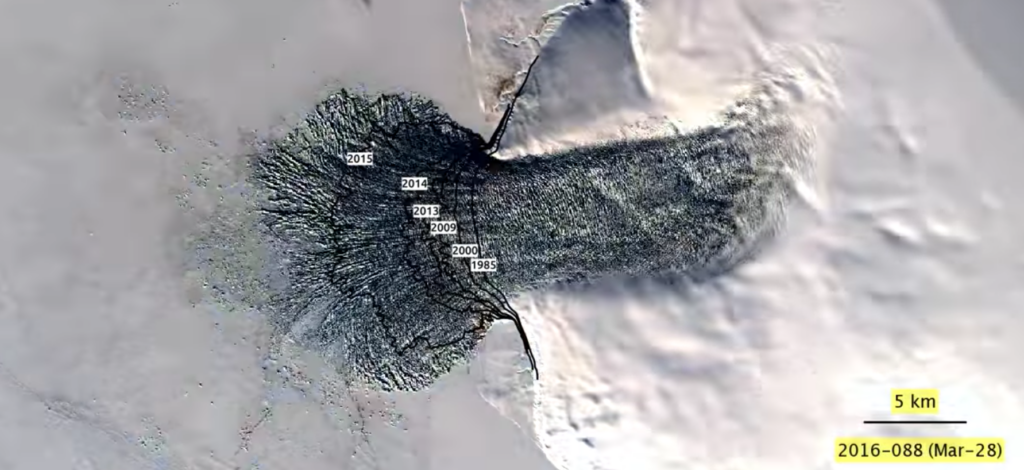
How Ice Gets Older as You Walk Up a Glacier
Walking up a glacier feels like moving backward in time because each step takes you onto ice that formed years, decades, or even
December 26, 2025
Changes in the world’s oceans, ice masses, and related coastal impacts.
Walking up a glacier feels like moving backward in time because each step takes you onto ice that formed years, decades, or even
December 26, 2025
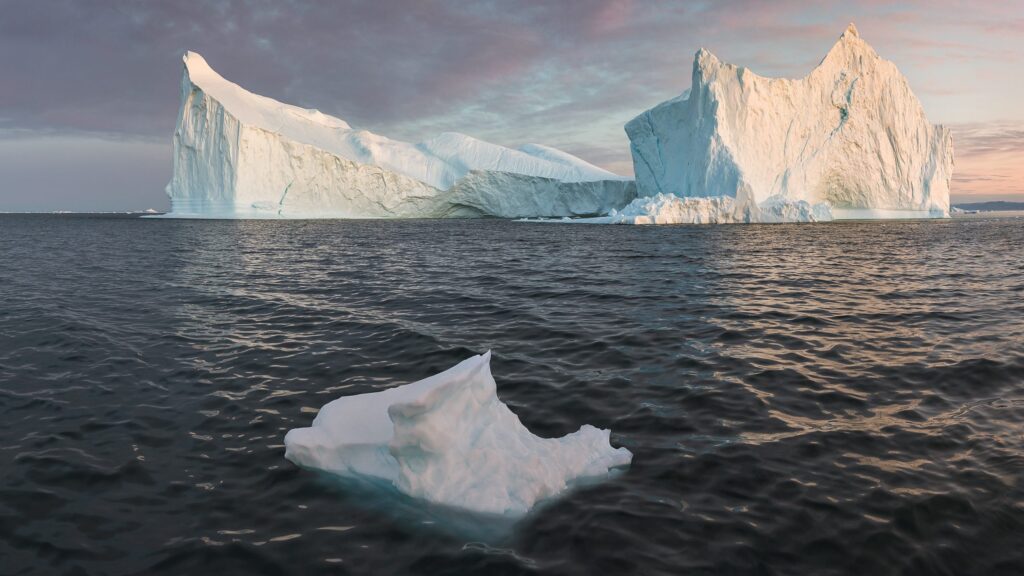
Glaciers and sea ice are melting together because a warming climate drives interconnected physical processes that amplify ice loss, affecting ecosystems, sea level,
December 23, 2025
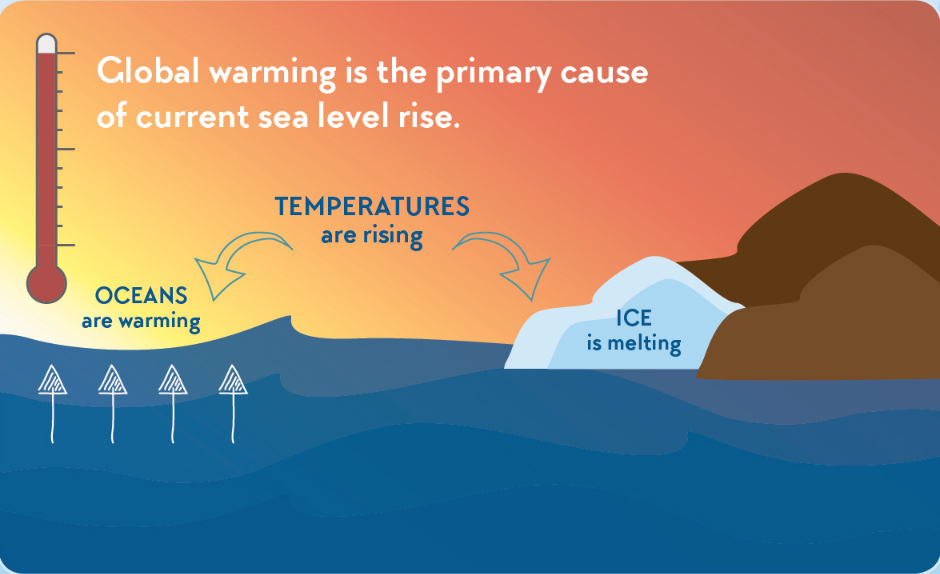
Global climate change is causing ocean waters to expand and ice sheets to melt, leading to a steady rise in sea level that
December 22, 2025
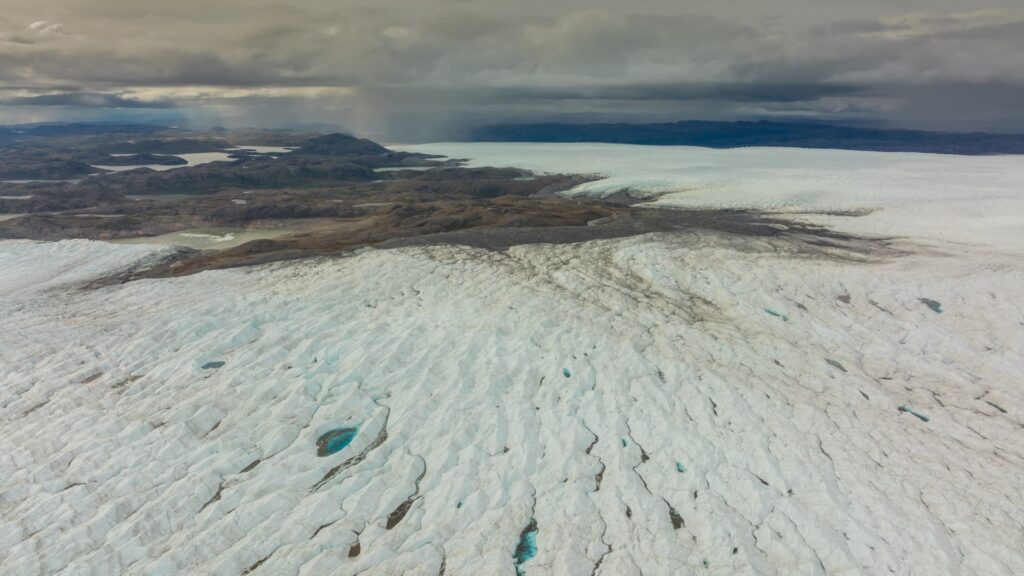
Glacier retreat around the Greenland Ice Sheet is the accelerating loss of ice due to surface melting and ocean‑driven thinning, driven by human‑induced
December 22, 2025
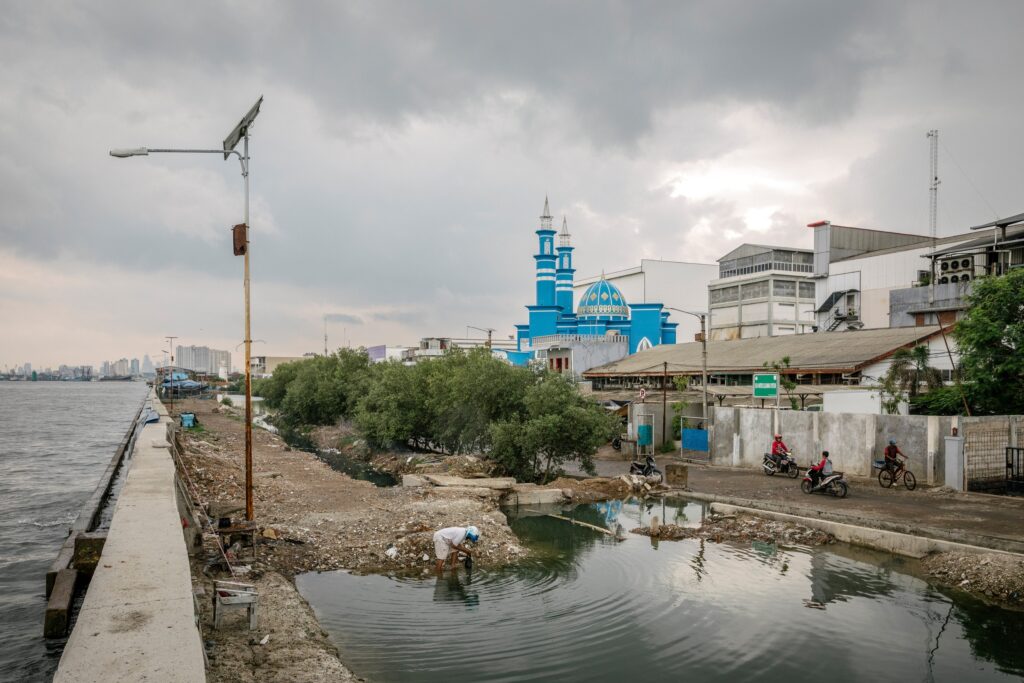
Coastal communities face a dual challenge: rising oceans and sinking ground, and understanding which dominates local flooding is essential for effective adaptation. Quick
December 22, 2025

Melting glaciers are ice masses that shrink because rising temperatures and altered precipitation disturb the balance between snowfall and melt, leading to sea‑level
December 21, 2025
October 18, 2026

October 18, 2026

24Earth is an independent environmental knowledge platform explaining climate, oceans, biodiversity, pollution, energy, and planetary change through accessible, evidence-based reporting.
Copyright ©2026
24Earth.