Blue Carbon: How Coastal Ecosystems Capture Carbon and Protect the Planet
Blue carbon refers to the carbon captured and stored by coastal ecosystems such as mangroves, salt marshes, and seagrass meadows, offering a natural,
March 19, 2026
The variety of life, ecosystems, and the threats they face.
Blue carbon refers to the carbon captured and stored by coastal ecosystems such as mangroves, salt marshes, and seagrass meadows, offering a natural,
March 19, 2026
Freshwater scarcity is rising worldwide due to uneven distribution, climate change, and growing demand, making it essential to understand the science, impacts, and
March 18, 2026
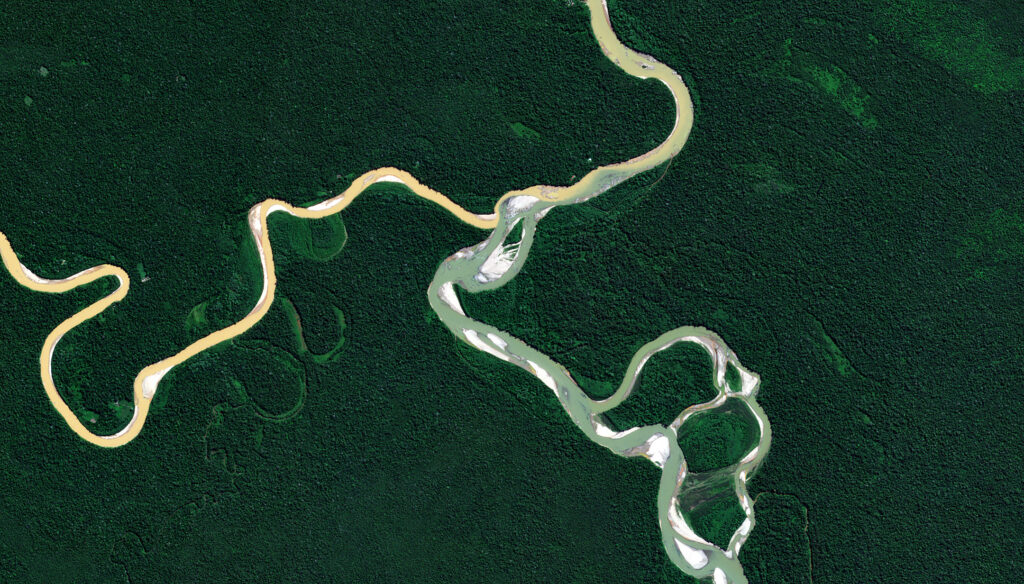
The Amazon River reached its lowest water level in 121 years in 2023, driven by an unprecedented drought in Brazil that highlights the
March 17, 2026
Bats are essential ecosystem engineers whose health is threatened by deforestation, habitat loss, and wildlife trade, and it is these human actions—not the
March 12, 2026
Several Australian species once listed as extinct have rebounded through targeted conservation, illustrating how science, policy, and community action can restore biodiversity. Quick
March 8, 2026
Properly managing wood biomass could increase global forest cover by up to 30%, delivering climate, biodiversity, and socioeconomic benefits. \n \n Quick Answer
March 4, 2026