
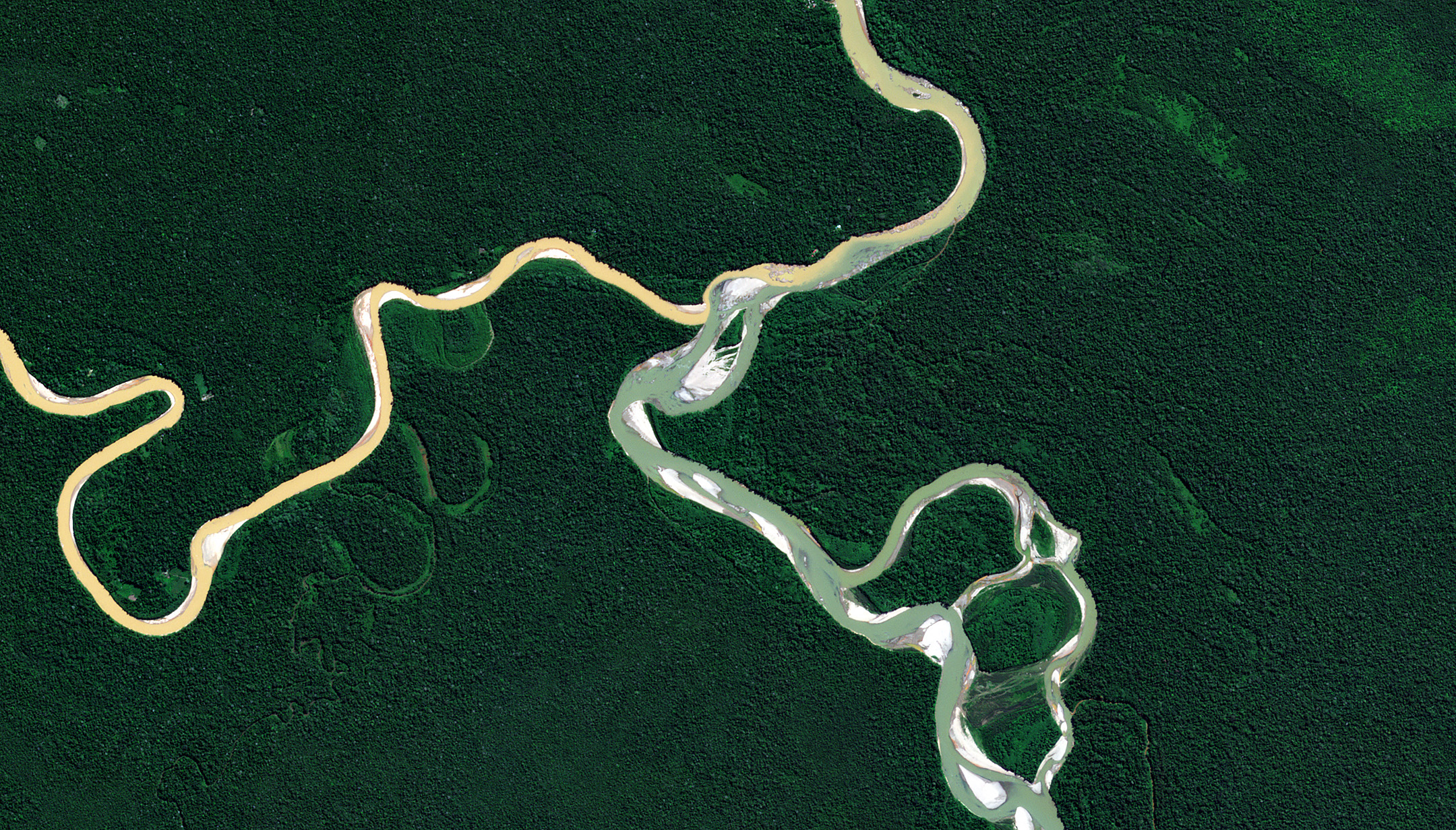
Amazon forest degradation gradually weakens the rainforest’s ability to store carbon and support biodiversity, creating a hidden but powerful driver of global climate change.
Quick Answer
Amazon forest degradation is the progressive loss of forest structure, function, and biodiversity without wholesale clearing of trees. It occurs through selective logging, low‑intensity fires, invasive species, and fragmented agricultural expansion, which together reduce the forest’s carbon‑sequestration capacity and alter regional climate patterns. Scientific assessments show that degraded areas emit more CO₂ than intact forest, amplifying global warming, though the exact magnitude varies by location and monitoring method.
Key Takeaways
- Degradation differs from deforestation: trees remain but the ecosystem’s health declines.
- Selective logging, fire, and invasive species are the main drivers.
- Degraded forest releases stored carbon and stores less in the future.
- Impacts are strongest for Indigenous communities and biodiversity hotspots.
- Satellite monitoring and community‑based management are proven mitigation tools.
- Solutions require coordinated policy, market incentives, and respect for traditional knowledge.
What Is Amazon Forest Degradation: The Silent Climate Threat?
Forest degradation describes a measurable decline in forest quality—reduced canopy cover, altered species composition, and impaired ecosystem services—while the land remains forested. In the Amazon, it encompasses selective timber extraction, chronic low‑intensity fires, spread of non‑native plants, and edge effects from nearby agriculture. Unlike outright deforestation, which removes trees entirely, degradation erodes the forest’s functional integrity, making it less resilient to climate stressors.
How Does It Work?
Physical and Chemical Changes
- Selective logging opens gaps in the canopy, increasing sunlight on the forest floor.
- Higher light and temperature accelerate leaf litter decomposition, releasing CO₂.
- Soil compaction from heavy machinery reduces water infiltration, lowering moisture availability.
Biological and Ecological Interactions
- Gap formation favors fast‑growing pioneer species, often non‑native, which outcompete shade‑adapted trees.
- Reduced canopy cover alters microclimates, making trees more susceptible to drought and pest outbreaks.
- Fragmented habitats disrupt animal movement, decreasing seed dispersal and regeneration.
Human‑System Feedbacks
Degraded areas become more accessible, encouraging further logging and expansion of cattle or soy farms. Fires, whether intentional for land clearing or accidental, spread more easily in drier, fragmented landscapes, creating a positive feedback loop that intensifies degradation.
What Does the Evidence Show?
Long‑term satellite records from NASA’s Landsat program (1990‑2020) indicate that roughly 17 % of the Amazon’s canopy has experienced a measurable reduction in greenness, a proxy for degradation, even where forest cover remains unchanged (FAO, 2022). Field studies in Brazil’s Pará state show that selectively logged plots lose on average 0.6 t C ha⁻¹ yr⁻¹ of carbon storage compared with untouched forest (peer‑reviewed study, Ecological Applications, 2021). The Intergovernmental Panel on Climate Change (IPCC, 2022) cites degradation as a source of 0.3‑0.5 Gt CO₂ yr⁻¹, comparable to emissions from a small industrial nation.
Main Causes or Drivers
Direct Causes
- Selective timber extraction targeting high‑value species.
- Low‑intensity fires used for pasture preparation.
- Invasion by species such as *Mimosa pigra* that alter fire regimes.
Underlying Drivers
- Global demand for beef, soy, and timber creates economic incentives for forest access.
- Weak enforcement of environmental regulations in some Amazonian states.
- Climate change–induced droughts that lower forest moisture and increase fire risk.
Environmental and Human Impacts
Environmental Impacts
Degraded forest stores up to 30 % less carbon than intact forest, diminishing a major global sink. Reduced leaf area index lowers regional precipitation, contributing to a drier climate feedback loop (World Meteorological Organization, 2021). Biodiversity suffers as specialist species lose habitat, with surveys reporting a 12‑% decline in bird species richness in heavily degraded zones.
Human Health and Social Impacts
Indigenous groups rely on forest products for food, medicine, and cultural practices. Degradation reduces the availability of edible fruits and medicinal plants, threatening food security and cultural continuity. Smoke from frequent fires raises respiratory illness rates in nearby communities, especially among children and the elderly.
Economic and Infrastructure Impacts
Loss of ecosystem services such as water regulation can increase flood risk downstream, imposing costs on municipalities and agricultural operations. Degraded lands also provide lower timber yields, reducing long‑term economic returns for local loggers.
Regional Differences
Degradation is most acute in Brazil’s southern Amazon, where road networks facilitate logging, while the western Amazon (e.g., Peru and Bolivia) shows lower rates but higher vulnerability due to limited monitoring capacity. In the “arc of deforestation” along the Brazilian border, fire frequency is three times higher than in interior reserves, illustrating how proximity to agricultural frontiers amplifies degradation.
What Scientists Know With High Confidence
- Degradation reduces carbon storage and increases CO₂ emissions relative to intact forest.
- Selective logging and fire are the primary immediate drivers of degradation.
- Indigenous-managed territories exhibit lower rates of degradation than adjacent non‑indigenous lands.
- Remote sensing reliably detects canopy‑cover loss and changes in vegetation greenness at the landscape scale.
What Remains Uncertain
Key gaps include the precise magnitude of carbon released from soil organic matter during degradation, the long‑term recovery potential of logged areas under different management regimes, and how future climate scenarios will interact with human land‑use pressures. Improved ground‑based measurements and longer satellite time series are needed to narrow these uncertainties.
Common Misconceptions
Misconception: Degradation is a temporary, reversible phase.
Reality: While some forest functions can recover with active restoration, many degraded areas lose species that cannot easily recolonize, and carbon lost from soils may be irreversible on human timescales.
Misconception: Only deforestation matters for climate change.
Reality: Degradation emits CO₂ and diminishes future sequestration, contributing a comparable share of emissions to some small countries.
Misconception: Selective logging has negligible impact because most trees remain.
Reality: Even low‑intensity logging creates canopy gaps that alter microclimates, increase fire susceptibility, and trigger cascading ecological effects.
Solutions and Limitations
Effective responses combine prevention, mitigation, and restoration:
- Policy and Enforcement: Strengthening forest‑code compliance reduces illegal logging, but requires political will and adequate funding for monitoring.
- Payments for Ecosystem Services (PES): Incentivizing landowners to maintain forest health can lower degradation rates; however, program design must ensure equitable benefit distribution.
- Community‑Based Fire Management: Training Indigenous fire brigades cuts accidental burn spread, yet success depends on sustained support and integration with national fire‑response systems.
- Restoration Practices: Enrichment planting of native species accelerates recovery, but restoration is costly and may compete with short‑term agricultural profits.
- Technology: High‑resolution satellite and drone monitoring provides near‑real‑time alerts, but data interpretation requires skilled analysts and reliable internet connectivity.
What Individuals, Communities, and Governments Can Do
What Individuals Can Do
Support certified sustainable products (e.g., FSC timber, deforestation‑free soy), reduce meat consumption, and advocate for strong forest policies through voting and civic engagement.
What Communities and Organizations Can Do
Develop local monitoring networks using low‑cost cameras, partner with NGOs to implement agroforestry, and document traditional knowledge that supports forest resilience.
What Governments Can Do
Enact and enforce stricter land‑use zoning, allocate budget for satellite‑based enforcement, expand PES schemes, and recognize Indigenous land rights, which consistently correlate with lower degradation rates.
What Businesses and Industries Can Do
Adopt zero‑deforestation supply‑chain commitments, invest in traceability technologies, and fund restoration projects that align with corporate social responsibility goals.
Closing Synthesis
Amazon forest degradation erodes the rainforest’s carbon sink, harms biodiversity, and threatens the livelihoods of millions. High‑confidence science shows that selective logging, fire, and invasive species drive this hidden threat, while uncertainties remain around soil carbon dynamics and long‑term recovery pathways. Evidence‑based solutions—strong governance, community engagement, and modern monitoring—offer realistic pathways to halt and reverse degradation, but they require coordinated action across scales and sectors.
Frequently Asked Questions
What is the difference between forest degradation and deforestation?
Forest degradation means the forest remains standing but loses ecological quality, while deforestation involves the complete removal of trees and conversion to non‑forest land.
How does selective logging contribute to carbon emissions?
Selective logging opens canopy gaps that increase sunlight and temperature, speeding up leaf litter decomposition and releasing stored carbon as CO₂.
Why are Indigenous territories less affected by degradation?
Studies show Indigenous‑managed lands have lower rates of logging and fire because traditional practices maintain forest structure and community monitoring deters illegal activities.
Can degraded Amazon forest recover its carbon‑sequestration ability?
Recovery is possible with active restoration and protection, but carbon lost from soils may take centuries to rebuild, and some species loss can be irreversible.
What actions can consumers take to help reduce Amazon degradation?
Consumers can choose certified sustainable products, reduce consumption of beef and soy linked to Amazon expansion, and support organizations that protect the rainforest.







Leave a Comment