A Short Note on Global Warming: Causes Effects and Meaning
Global warming is the long‑term rise in Earth’s average surface temperature driven mainly by human‑generated greenhouse gases, a process that reshapes climates, ecosystems,
December 26, 2025
The observed rise in average global temperatures due to greenhouse gases.
Global warming is the long‑term rise in Earth’s average surface temperature driven mainly by human‑generated greenhouse gases, a process that reshapes climates, ecosystems,
December 26, 2025
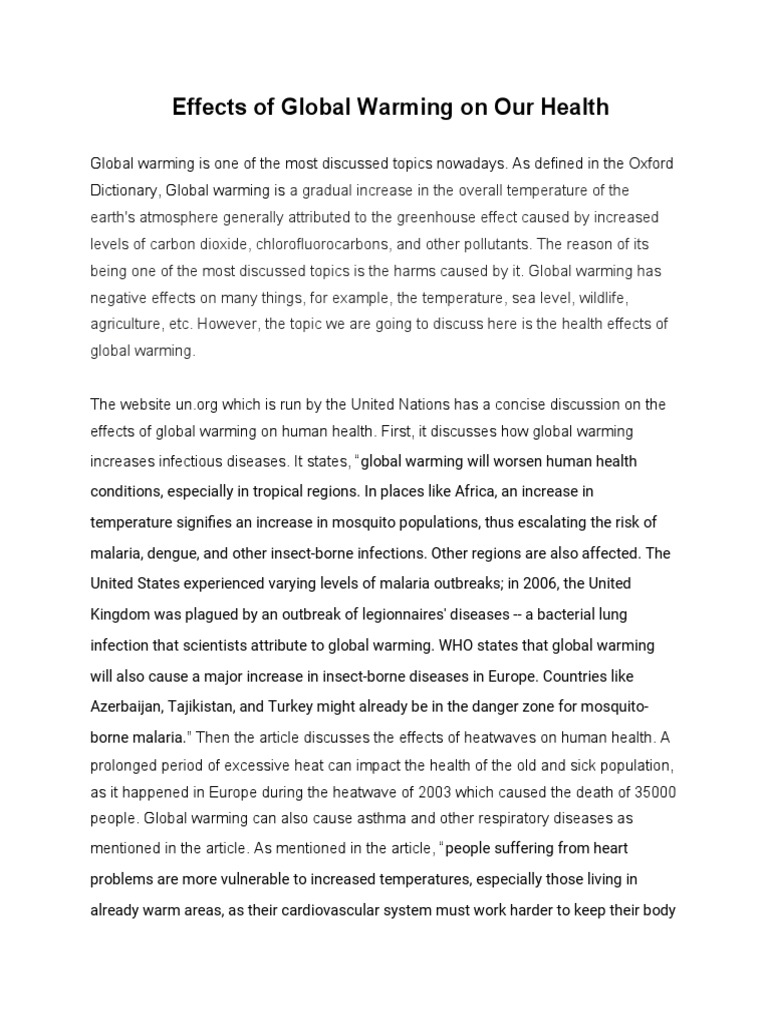
Global warming reshapes modern medicine and healthcare by altering disease dynamics, stressing health infrastructure, and influencing medical research, making climate‑responsive strategies essential for
December 24, 2025
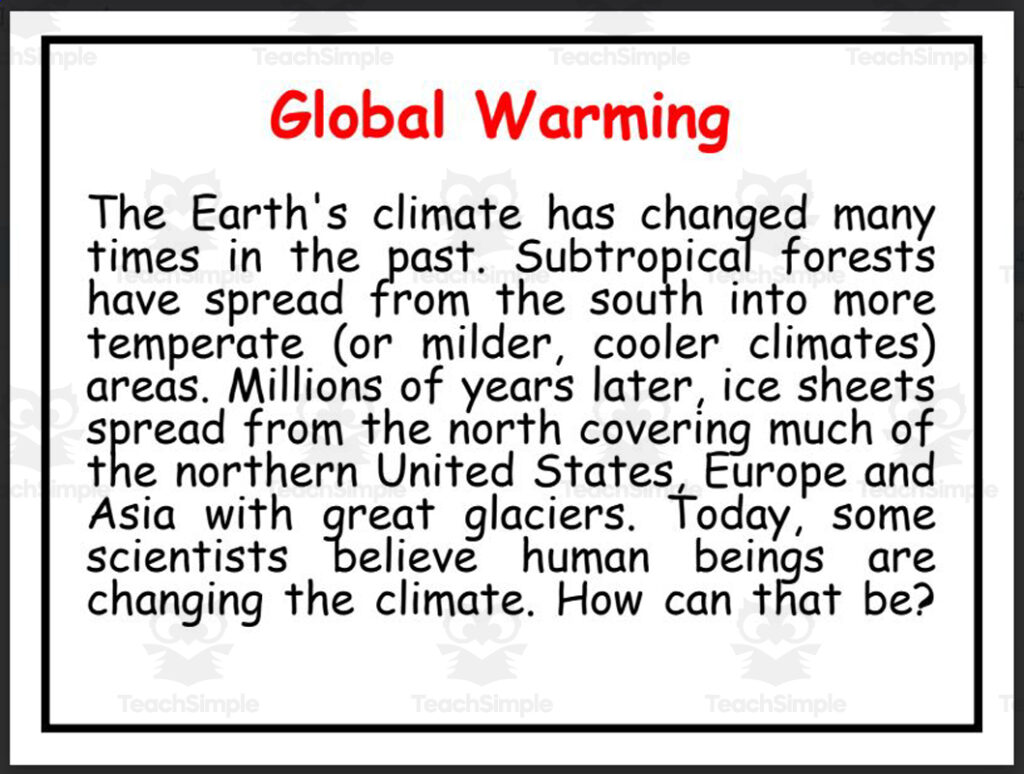
Global warming is the long‑term increase in Earth’s average surface temperature caused mainly by human‑driven greenhouse‑gas emissions, which traps extra heat and reshapes
December 22, 2025

Real‑world observations—from melting ice caps to shifting species ranges—provide clear, measurable proof that global warming is occurring and affecting ecosystems and societies worldwide.
December 21, 2025
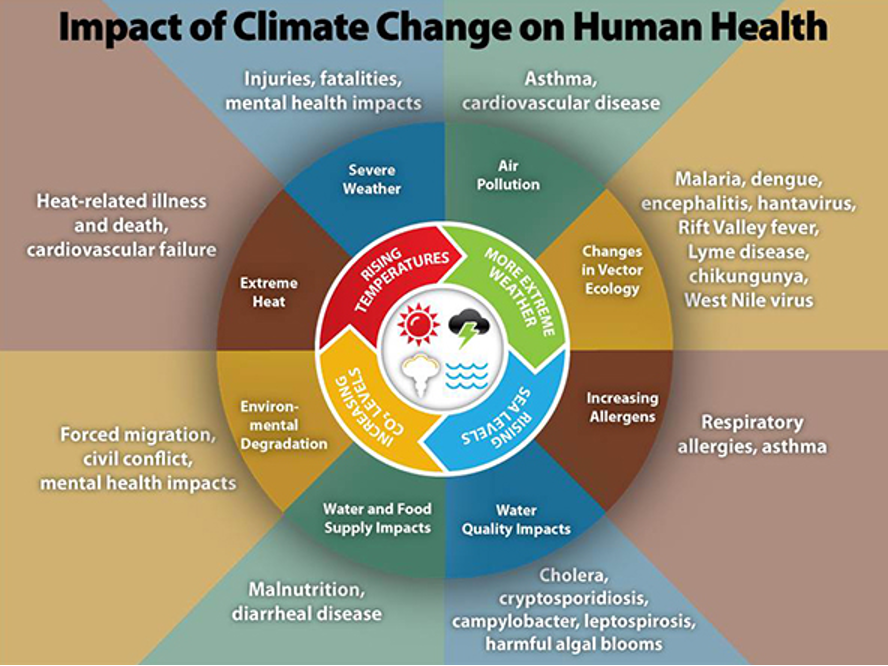
Global warming intensifies heat stress, spreads disease vectors, undermines food and water security, and heightens mental‑health risks, creating a complex public‑health challenge that
December 19, 2025
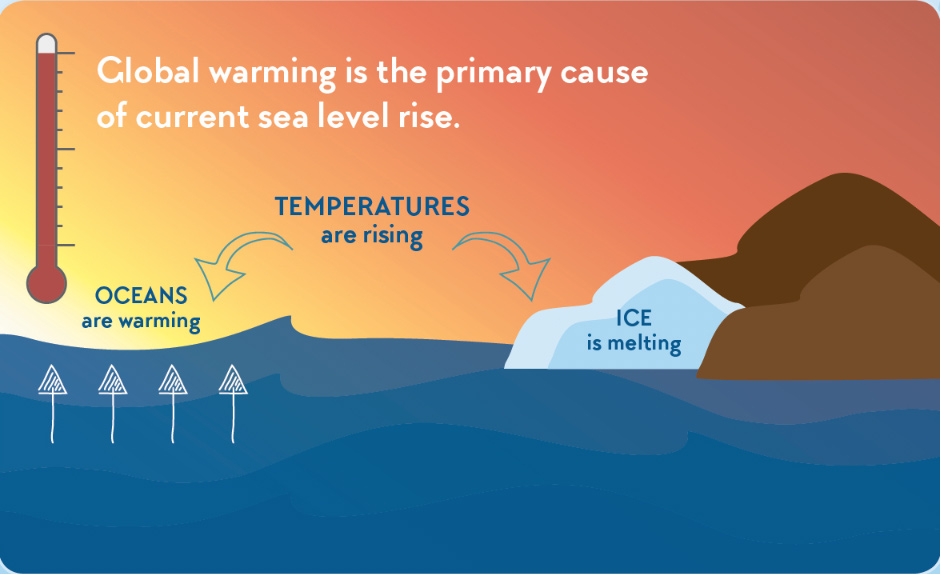
Rising global temperatures drive sea‑level rise through thermal expansion of seawater and accelerated melting of glaciers and ice sheets, reshaping coastlines and affecting
December 17, 2025
October 18, 2026

October 18, 2026

24Earth is an independent environmental knowledge platform explaining climate, oceans, biodiversity, pollution, energy, and planetary change through accessible, evidence-based reporting.
Copyright ©2026
24Earth.