Atmospheric Rivers Explained: Earth’s Most Powerful Storm Systems
Atmospheric Rivers Explained: Earth’s Most Powerful Storm Systems Atmospheric rivers are long, narrow corridors of extreme moisture that move from the tropics toward
March 6, 2026
Intensified storms, heatwaves, and other severe weather events.
Atmospheric Rivers Explained: Earth’s Most Powerful Storm Systems Atmospheric rivers are long, narrow corridors of extreme moisture that move from the tropics toward
March 6, 2026
In early 2025, fourteen extreme weather events together caused more than $100 billion in damages, illustrating how climate‑driven hazards threaten economies, ecosystems, and societies
March 5, 2026
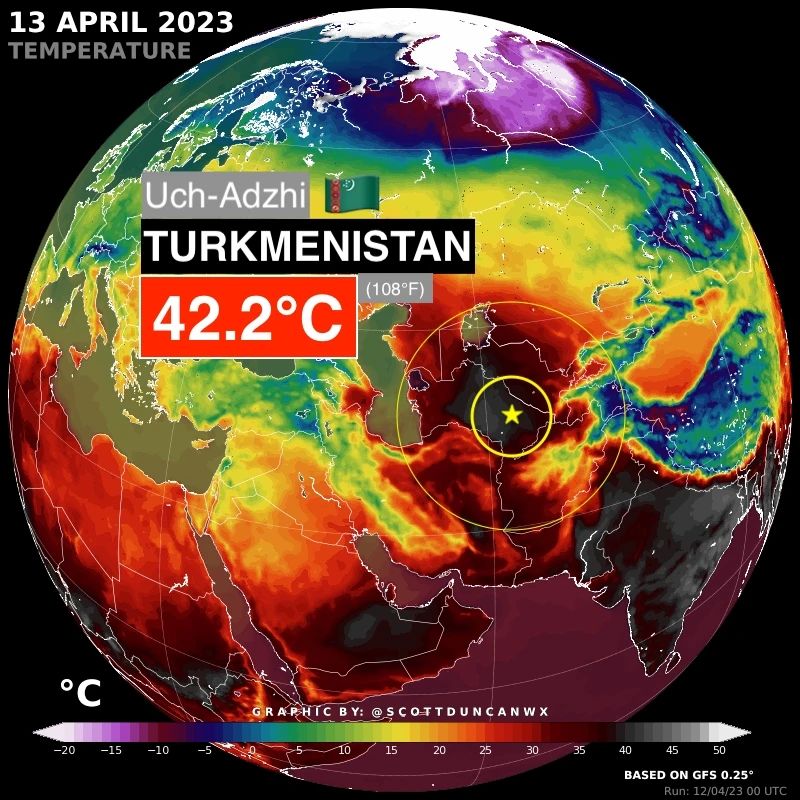
Climate change raises the probability and intensity of extreme April heatwaves across Asia by amplifying atmospheric heat, altering monsoon dynamics, and increasing the
March 2, 2026
Australia’s bushfire crisis is intensifying because a warmer climate creates hotter, drier conditions that increase fire frequency, severity, and ecological damage. Quick Answer
February 20, 2026
Southeast Australia faces heightened fire danger as an intense heatwave drives drought‑stressed vegetation toward extreme bushfire risk, a pattern linked to climate change
February 13, 2026
Three key climate factors—rising temperatures, dry Santa Ana winds, and persistent drought—combine to make Los Angeles especially vulnerable to destructive wildfires. Quick Answer Los Angeles fires
February 12, 2026