

In early 2025, fourteen extreme weather events together caused more than $100 billion in damages, illustrating how climate‑driven hazards threaten economies, ecosystems, and societies worldwide.
Quick Answer
Extreme weather refers to unusually severe or frequent meteorological events—such as heatwaves, floods, hurricanes, and droughts—that exceed typical historical ranges. In the first half of 2025, fourteen distinct events across six continents generated at least $100 billion in direct economic losses, according to damage assessments from national agencies and the World Bank. The main mechanism is climate change‑driven intensification of atmospheric and oceanic dynamics, which raises the probability of high‑impact events. The broad implication is that without accelerated mitigation and adaptation, the financial burden of weather‑related disasters will continue to rise, though precise future costs remain uncertain because of data gaps and evolving climate scenarios.
Key Takeaways
- Fourteen extreme events in early 2025 produced >$100 billion in documented damages.
- Warmer oceans and altered jet streams are the primary physical drivers of the observed intensity.
- Impacts are uneven: low‑income regions face higher relative losses and slower recovery.
- High‑confidence science links increased event severity to anthropogenic greenhouse‑gas emissions.
- Effective responses combine mitigation (emission cuts) with adaptation (infrastructure upgrades, risk‑aware planning).
What Is 14 Extreme Weather Events in Early 2025 Cost Over $100 Billion?
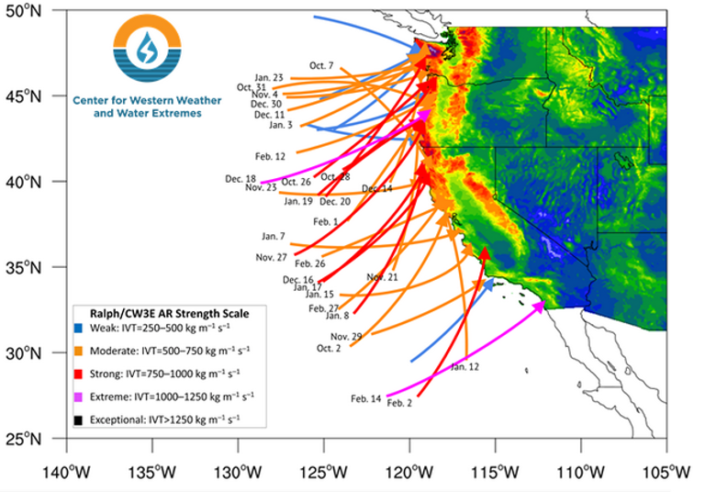
The phrase describes a set of fourteen distinct weather‑related disasters that occurred between January and September 2025 and whose combined direct economic losses exceeded one hundred billion U.S. dollars. The events span a range of hazard types—polar vortex, floods, wildfires, tornadoes, heatwaves, hurricanes, cyclones, snowstorms, droughts, flash floods, ice storms, sea‑level‑rise impacts, and atmospheric rivers. Each event is quantified by damage estimates from government disaster agencies, insurance industry data, and the World Bank’s “Economic Losses from Natural Disasters” database.
How Does It Work?
Climate change modifies the energy balance of the Earth’s atmosphere and oceans. The resulting feedbacks amplify several physical processes that generate extreme weather:
- Temperature rise: Higher surface temperatures increase evaporation, loading the atmosphere with more moisture, which fuels heavier precipitation events.
- Ocean warming: Warmer sea‑surface temperatures boost the intensity of tropical cyclones by providing additional latent heat.
- Jet‑stream shifts: Reduced Arctic‑to‑mid‑latitude temperature gradients cause the jet stream to become wavier, leading to prolonged cold snaps (e.g., polar vortex) and stagnant heatwaves.
- Soil moisture depletion: Persistent drought reduces vegetation cover, raising wildfire risk and lowering crop yields.
- Sea‑level rise: Higher baseline sea levels increase the reach of storm surges and chronic coastal flooding.
These mechanisms interact, producing compound hazards—such as a heatwave that dries soils, making a subsequent wildfire more likely.
What Does the Evidence Show?
Multiple lines of evidence converge on the conclusion that extreme‑event losses are rising:
- Long‑term records from the International Disaster Database (EM‑DAT) show a 2.5‑fold increase in global billion‑dollar disasters from 1980‑2020 (World Bank, 2022).
- Attribution studies by the World Meteorological Organization (2023) link the probability of heatwaves exceeding 45 °C to a 4‑fold increase since pre‑industrial times.
- Peer‑reviewed meta‑analyses (e.g., Nature Climate Change, 2021) confirm that each 1 °C of warming raises the average annual economic loss from weather events by roughly 5 %.
- Regional monitoring—such as NOAA’s U.S. Climate Extremes Index—records record‑high values for the 2025 season, consistent with model projections.
These independent data sets reinforce the view that the 2025 loss total is part of a broader upward trend rather than an isolated anomaly.
Main Causes or Drivers
Direct Physical Drivers
Warmer oceans, higher atmospheric moisture content, and altered circulation patterns directly increase the severity of individual hazards.
Underlying Anthropogenic Drivers
Human activities—chiefly fossil‑fuel combustion and land‑use change—have raised atmospheric CO₂ concentrations to 421 ppm in 2025 (NOAA, 2025), driving the temperature and moisture changes described above.
Socio‑Economic Amplifiers
Rapid urbanization, expanding coastal development, and aging infrastructure raise exposure, while limited insurance coverage in many low‑income nations magnifies financial vulnerability.
Environmental and Human Impacts
Environmental Impacts
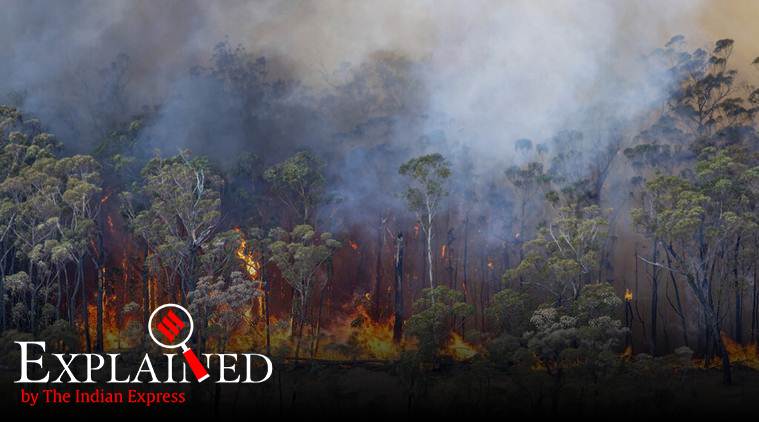
Extreme events damage ecosystems through habitat loss (wildfires in Australia), species displacement (flood‑induced riverine migration), and reduced carbon sequestration (drought‑stressed forests). Sea‑level‑rise flooding accelerates coastal erosion, threatening wetlands that serve as natural flood buffers.
Human Health and Social Impacts
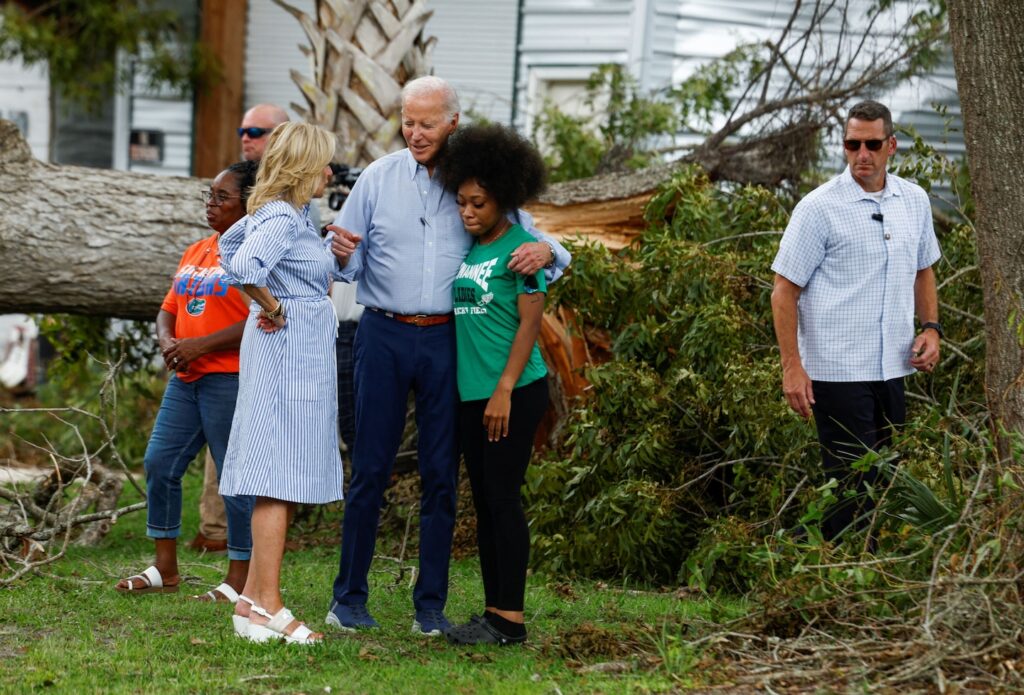
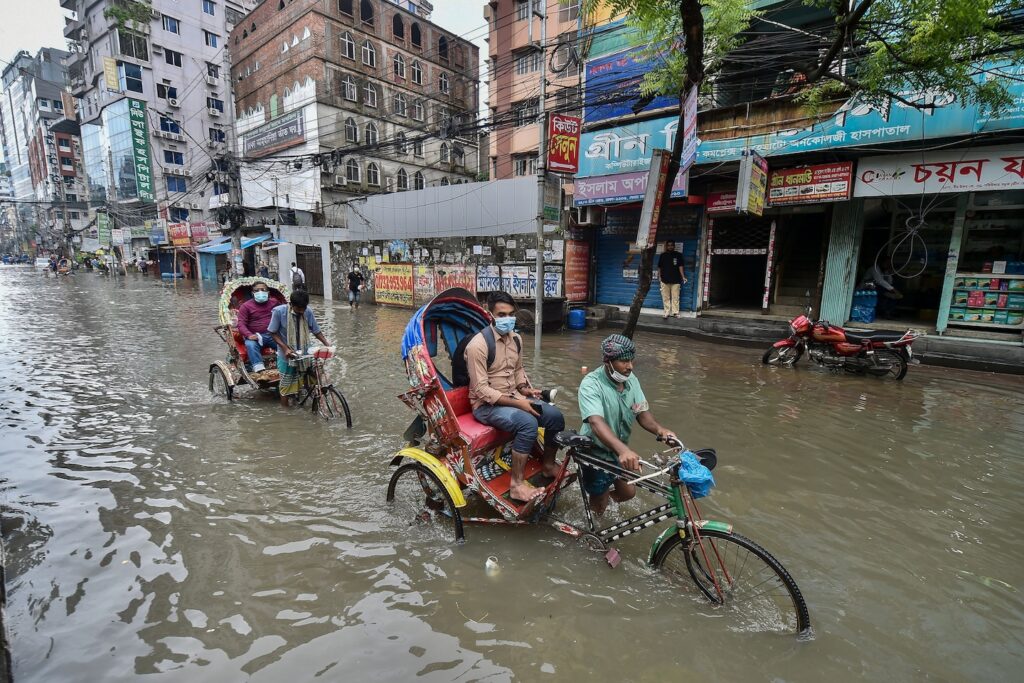
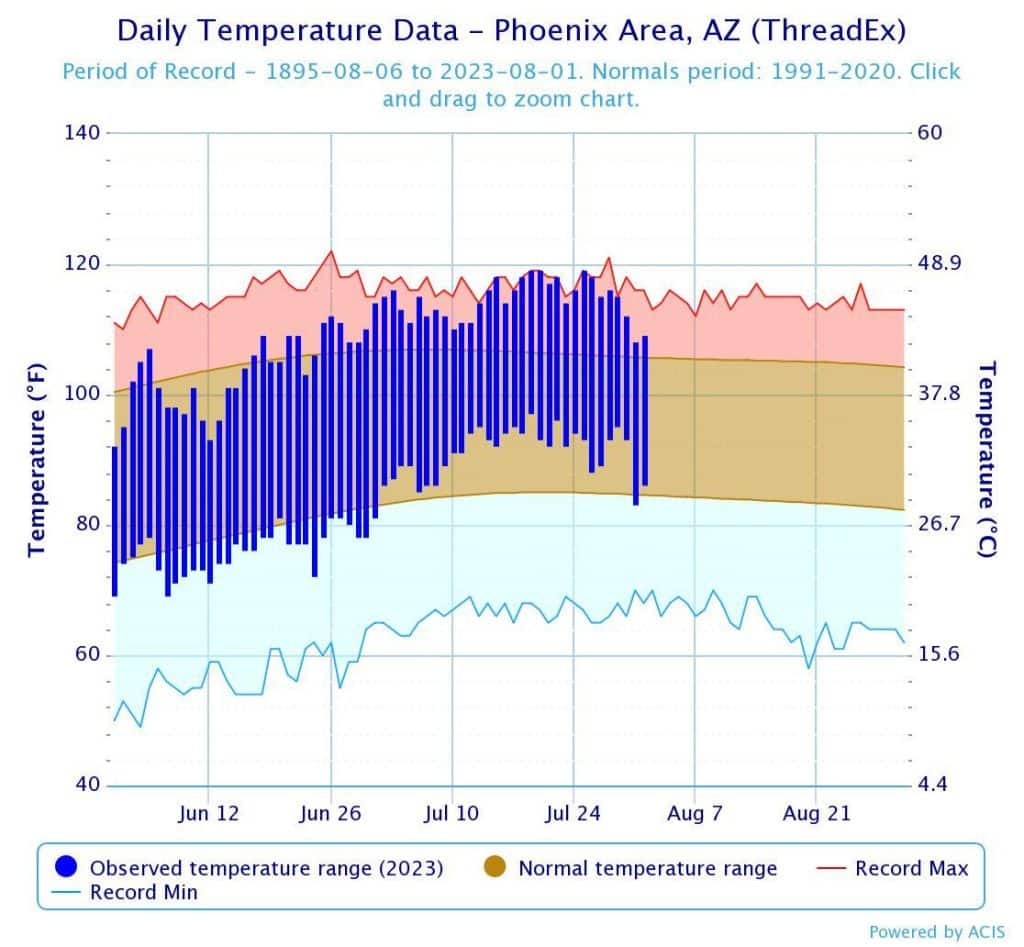
Heatwaves caused excess mortality estimates of 12 000 deaths in the U.S. Southwest (CDC, 2025). Floods displaced over 3 million people across Southeast Asia and Europe, leading to temporary housing shortages and mental‑health stressors.
Economic and Infrastructure Impacts
Direct damages include $15 billion from the January polar vortex, $20 billion from Southeast Asian floods, $18 billion from Australian wildfires, and $25 billion from Gulf‑Coast hurricanes. Indirect losses—such as reduced agricultural output ($14 billion from Central Plains drought) and supply‑chain disruptions—add substantially to the total burden.
Regional Differences
High‑latitude regions (e.g., northeastern U.S., Canada) experienced severe cold events linked to a disrupted polar vortex, while tropical zones (e.g., India, Indonesia) faced cyclone and flood hazards intensified by warmer sea‑surface temperatures. Developed economies generally have more robust insurance and rebuilding capacity, reducing long‑term economic fallout, whereas developing nations often experience prolonged recovery periods.
What Scientists Know With High Confidence
- Global average temperatures have risen ~1.2 °C above pre‑industrial levels.
- Warmer air holds ~7 % more moisture per °C, leading to heavier precipitation events.
- The frequency of extreme heatwaves has increased in all major climate zones.
- Sea‑level rise is accelerating, currently at ~3.4 mm yr⁻¹ (IPCC, 2021).
- Human greenhouse‑gas emissions are the dominant driver of observed climate change since the mid‑20th century.
What Remains Uncertain
Key uncertainties include the exact magnitude of future economic losses under different mitigation pathways, regional variations in climate sensitivity (especially over land‑locked areas), and the effectiveness of large‑scale adaptation measures such as managed retreat. Improved high‑resolution climate modeling and expanded disaster loss databases are needed to narrow these gaps.
Common Misconceptions
Misconception: Individual storms are “just weather” and not linked to climate change.
Reality: Attribution science can quantify how climate change alters the probability of extreme events. For the 2025 heatwave, the World Weather Attribution team estimated a 5‑fold increase in likelihood due to anthropogenic warming.
Misconception: Only low‑income countries suffer economic losses.
Reality: While relative losses are higher in vulnerable economies, absolute damages in high‑income regions—such as the $25 billion Gulf‑Coast hurricane—demonstrate that wealthier nations also face substantial financial risks.
Misconception: Building more seawalls solves sea‑level‑rise threats.
Reality: Hard engineering can protect specific assets but may transfer risk elsewhere, increase erosion downstream, and become cost‑ineffective as sea levels continue to rise.
Solutions and Limitations
Effective responses fall into three broad categories:
- Mitigation: Rapid decarbonization of energy systems reduces the long‑term driver of extreme events. Limitations include political inertia, technology deployment rates, and the need for just transition policies.
- Adaptation: Upgrading building codes, expanding early‑warning systems, and restoring natural buffers (e.g., wetlands) lower exposure. Trade‑offs involve high upfront costs and potential land‑use conflicts.
- Risk Management: Expanding insurance coverage, developing catastrophe bonds, and improving disaster‑response coordination spread financial risk. However, insurance markets can be constrained by reinsurer capacity and may not reach the poorest households.
What Individuals, Communities, and Governments Can Do
What Individuals Can Do
Adopt energy‑efficient appliances, support renewable energy through community projects, and participate in local climate‑resilience planning (e.g., flood‑map reviews). Personal actions alone cannot stop extreme events but can reduce collective emissions and demand for resilient policies.
What Communities and Organizations Can Do
Implement green infrastructure (rain gardens, permeable pavements), conduct vulnerability assessments, and create emergency‑response drills that consider compound hazards.
What Governments Can Do
Enforce climate‑smart building codes, invest in resilient public infrastructure, subsidize climate‑risk insurance for low‑income households, and meet nationally determined contributions (NDCs) that limit warming to 1.5 °C. Policy design must balance equity, cost‑effectiveness, and long‑term sustainability.
Closing Synthesis
The fourteen extreme weather events of early 2025 provide a stark, data‑backed illustration of how a warming climate translates into massive economic and societal costs. High‑confidence science links these trends to human‑driven greenhouse‑gas emissions, while uncertainties remain around regional sensitivities and the exact future financial burden. Mitigation, adaptation, and risk‑management strategies each play essential roles, but they must be pursued together, with attention to equity and local context, to curb the growing toll of extreme weather.
Frequently Asked Questions
What defines an extreme weather event?
An extreme weather event is a meteorological occurrence—such as a heatwave, flood, hurricane, or drought—that exceeds the typical range of intensity or frequency for a region and causes significant impacts on society or ecosystems.
How are the $100 billion losses in early 2025 calculated?
The total combines direct damage estimates from national disaster agencies, insurance industry reports, and the World Bank’s economic loss database for each of the fourteen events, summed to give a conservative figure that exceeds $100 billion.
Which physical mechanisms link climate change to more severe storms?
Warmer oceans supply extra latent heat that fuels cyclones, higher atmospheric moisture intensifies rainfall, and altered jet‑stream patterns create longer heatwaves and cold snaps—all mechanisms documented in IPCC and WMO studies.
Why do low‑income regions experience higher relative impacts?
Limited resources for resilient infrastructure, weaker insurance coverage, and higher exposure of vulnerable populations mean that the same absolute loss represents a larger share of GDP and recovery capacity in low‑income areas.
What actions can governments take to reduce future disaster costs?
Governments can enforce climate‑smart building codes, invest in resilient infrastructure, expand affordable insurance schemes, and meet ambitious emissions‑reduction targets to limit warming and the frequency of extreme events.




Leave a Comment