
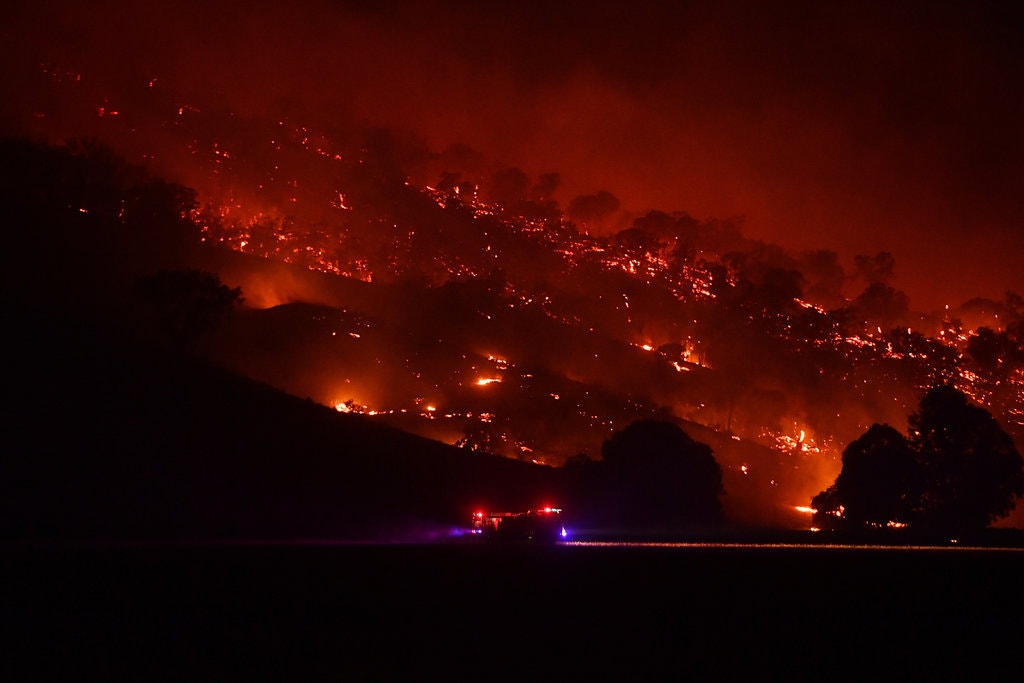
Australia’s bushfire crisis is intensifying because a warmer climate creates hotter, drier conditions that increase fire frequency, severity, and ecological damage.
Quick Answer
Australia’s bushfires are becoming more frequent and severe because climate change raises average temperatures, lengthens drought periods, and alters wind patterns, creating conditions that favour ignition and rapid fire spread. Strong scientific consensus links these climate‑driven changes to the heightened fire risk, though uncertainties remain about exact future fire‑season length and regional variations. The most immediate impact is heightened threat to ecosystems, human health, and the economy.
Key Takeaways
- Average Australian temperatures have risen about 1.4 °C since the early 20th century, driving longer, hotter fire seasons.
- Hotter, drier conditions increase fuel load dryness and extend the window for extreme fire weather.
- Evidence from the IPCC, Australian Bureau of Meteorology, and peer‑reviewed attribution studies shows a clear link between climate change and rising bushfire activity.
- Impacts span biodiversity loss, air‑quality related health risks, and billions of dollars in economic damage.
- Effective responses combine mitigation of greenhouse gases, improved land‑management, and community‑level adaptation.
What Is Australia Bushfires: How Climate Change Is Driving the Crisis?
The phrase refers to the increasing incidence and intensity of wildfires across Australia that are amplified by anthropogenic climate change. It encompasses seasonal bushfires, “fire years” that extend beyond summer, and the cascade of ecological, health, and economic consequences. Unlike isolated lightning‑ignited fires, this crisis reflects a systemic shift in climate variables that alter fire‑weather, fuel conditions, and human exposure.
How Does It Work?
1. Climate Warming Alters Fuel Moisture
Rising temperatures raise evaporation rates, while reduced rainfall extends drought periods. Dry vegetation – especially the oil‑rich leaves of eucalypts – reaches lower moisture thresholds, making ignition easier. The Australian Bureau of Meteorology reports that the 2019‑2020 “Black Summer” followed a 5‑year period of record low soil moisture.
2. Fire‑Weather Becomes More Extreme
Warmer air holds more moisture, intensifying the potential for high‑temperature, low‑humidity, and strong wind events that drive rapid fire spread. Model simulations in the IPCC Sixth Assessment Report (2021) show an increased likelihood of days with fire‑danger indices above historic extremes across most of the continent.
3. Vegetation Feedbacks
Eucalypt forests have evolved with fire, but climate‑driven growth spurts produce denser canopies and accumulated leaf litter. This larger fuel load releases more carbon when it burns, creating a positive feedback loop that further warms the atmosphere.
4. Human and Land‑Use Factors
Expanding settlements into fire‑prone landscapes, coupled with land‑clearing practices that fragment habitats, increase ignition sources (e.g., machinery, power lines) and reduce natural fire breaks. These factors interact with climate drivers to magnify risk.
What Does the Evidence Show?
Long‑term fire‑scar mapping from satellite data (e.g., MODIS, 2000‑2020) indicates a 30 % increase in total burned area across southeastern Australia. Attribution studies published in *Nature Climate Change* (2020) used statistical models to isolate climate variables and concluded that the probability of extreme fire seasons has roughly doubled since 1990. The IPCC (2021) states with high confidence that continued warming will raise the frequency of fire‑weather days in temperate Australia.
Main Causes or Drivers
Direct Causes
- Lightning strikes and human‑initiated ignitions (e.g., campfires, equipment).
- Infrastructure failures such as power‑line faults.
Underlying Climate Drivers
- Rising average temperatures driven by greenhouse‑gas emissions.
- Decreased winter and spring precipitation leading to prolonged drought.
- Changes in atmospheric circulation that increase the frequency of hot, dry northerly winds.
Land‑Management and Ecological Drivers
- Fire suppression policies that allow fuel loads to accumulate.
- Clearing of native vegetation that reduces natural fire breaks.
- Introduction of invasive grasses that dry quickly and act as ladder fuels.
Environmental and Human Impacts
Environmental Impacts
Severe fires destroy habitat for iconic species such as koalas and the greater glider, with the 2019‑2020 fires estimated to have killed or displaced over three billion animals. Soil organic carbon is volatilised, and post‑fire erosion can degrade water quality in downstream catchments.
Human Health and Social Impacts
Fine particulate matter (PM2.5) from bushfire smoke reached hazardous levels in major cities, increasing respiratory admissions. Indigenous communities reliant on country for cultural practices experience loss of sacred sites and food sources.
Economic and Infrastructure Impacts
The Australian Treasury estimated direct costs of the Black Summer at AUD 4.4 billion, with additional indirect losses in tourism, agriculture, and insurance. Power outages and road closures disrupted supply chains, especially in rural regions.
Regional Differences
Southern states such as Victoria and New South Wales experience the longest fire seasons due to temperate climates, whereas northern Queensland sees fire activity linked more closely to seasonal grassland burns. Coastal areas benefit from maritime moisture, but strong sea‑breeze fronts can drive rapid fire spread when they interact with inland heat waves.
What Scientists Know With High Confidence
- Average temperatures across Australia have risen ~1.4 °C since 1910 (CSIRO, 2022).
- Higher temperatures and lower rainfall increase the dryness of vegetation, a key fuel condition for bushfires.
- Statistical attribution studies link the recent rise in extreme fire‑weather days to anthropogenic greenhouse‑gas emissions.
- Fire‑related emissions contribute a measurable portion of Australia’s national carbon budget.
What Remains Uncertain
Key uncertainties include the precise future length of the fire season under different emission pathways, the regional variability of precipitation responses, and how land‑use change will interact with climate drivers. Improved long‑term monitoring of fuel moisture and finer‑scale climate modelling are needed to narrow these gaps.
Common Misconceptions
Misconception: Bushfires are purely natural and unrelated to human activity.
Reality: While fire is a natural part of many Australian ecosystems, the increased frequency, intensity, and geographic spread of recent bushfires are closely linked to human‑induced climate change and land‑management practices.
Misconception: One hot summer explains the fires.
Reality: A single hot season can trigger fires, but the underlying trend of rising baseline temperatures and prolonged droughts creates a persistent, higher‑risk environment.
Misconception: Planting trees will offset bushfire emissions.
Reality: Reforestation can sequester carbon over decades, but new forests are also fire‑prone; without integrated fire‑management, tree planting alone cannot neutralise emissions from large wildfires.
Solutions and Limitations
Effective responses must address both the climate drivers and the immediate fire‑risk factors.
- Mitigation: Rapid decarbonisation of the energy sector reduces the long‑term warming trend, but transition timelines mean benefits accrue over decades.
- Prevention: Controlled burns and fuel‑reduction programs lower available fuel, yet they carry risks of smoke exposure and can be limited by weather conditions.
- Adaptation: Strengthening building codes, creating fire‑resistant landscapes, and improving early‑warning systems protect communities, though they require substantial investment and coordination.
- Restoration: Post‑fire revegetation with native species supports ecosystem recovery, but success depends on soil stability, rain availability, and control of invasive species.
- Governance: Integrated fire‑management policies that align federal, state, and Indigenous knowledge improve response effectiveness, yet political and budgetary constraints can hinder implementation.
What Individuals, Communities, and Governments Can Do
What Individuals Can Do
- Reduce personal carbon footprints (e.g., energy efficiency, low‑emission transport) to contribute to broader mitigation.
- Maintain defensible space around homes by clearing leaf litter and pruning trees according to local fire‑zone guidelines.
- Participate in community fire‑watch programs and support local bushfire preparedness workshops.
What Communities and Organizations Can Do
- Develop and rehearse community evacuation and communication plans.
- Collaborate with Indigenous fire‑management groups to incorporate traditional burning practices that reduce fuel loads.
- Invest in local air‑quality monitoring and provide public health advisories during smoke events.
What Governments Can Do
- Implement and fund national decarbonisation pathways consistent with the Paris Agreement.
- Allocate resources for scientific monitoring of fire‑weather, fuel moisture, and post‑fire ecosystem recovery.
- Enact building standards that require fire‑resistant materials in high‑risk zones.
- Support research into climate‑resilient vegetation and fire‑behavior modelling.
Synthesis
The convergence of rising temperatures, prolonged drought, and altered wind patterns—driven by anthropogenic climate change—makes Australian bushfires more frequent, larger, and harder to control. High‑confidence evidence links these climate trends to the observed escalation in fire‑weather days, while uncertainties remain around regional precipitation responses and future fire‑season length. Mitigation of greenhouse‑gas emissions, combined with targeted land‑management, robust adaptation, and inclusive governance, offers the most realistic pathway to reducing risk and protecting ecosystems and communities.
Frequently Asked Questions
How does climate change increase the risk of bushfires in Australia?
Climate change raises average temperatures and extends drought periods, which dry out vegetation and make it more combustible. Warmer air also creates more days with high fire‑danger weather, so fires ignite more easily and spread faster.
What evidence links recent Australian bushfires to human‑driven warming?
Attribution studies published in peer‑reviewed journals show that the probability of extreme fire‑weather days has roughly doubled since 1990, and the IPCC reports high confidence that rising temperatures are a key driver of increased bushfire activity.
Which ecosystems are most affected by intensified bushfires?
Temperate eucalypt forests, grasslands, and alpine heathlands face the greatest impact. Iconic species such as koalas, greater gliders, and many bird and reptile populations suffer habitat loss and mortality during severe fires.
What are the main uncertainties about future bushfire seasons?
Uncertainties include how much fire‑season length will change under different emissions scenarios, regional variations in rainfall response, and how land‑use changes will interact with climate‑driven fuel conditions.
What practical steps can communities take to reduce bushfire risk?
Communities can create defensible space around homes, adopt traditional Indigenous burning practices to manage fuel loads, develop clear evacuation plans, and support local air‑quality monitoring during smoke events.




Leave a Comment