
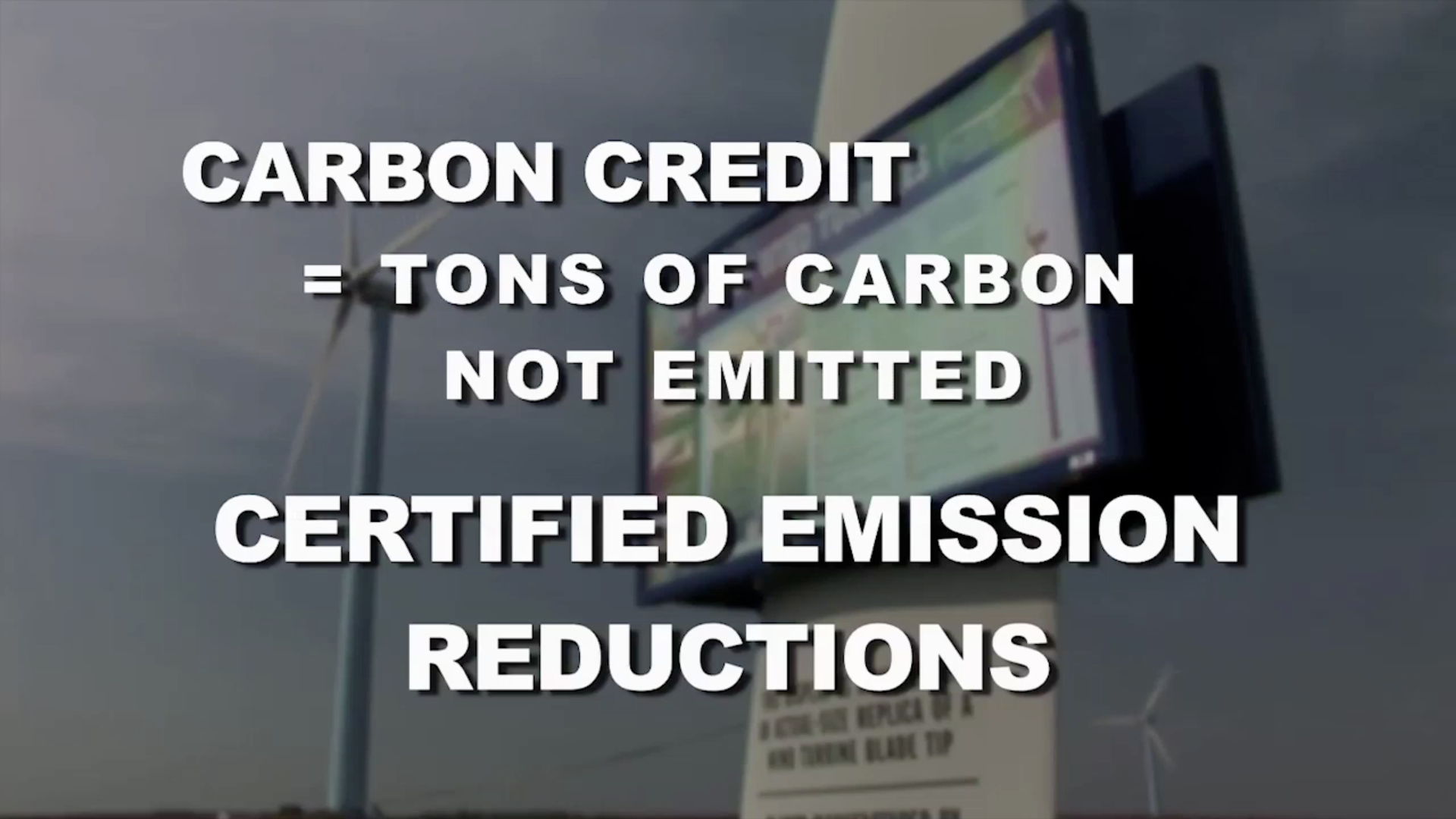
Carbon piracy describes the misuse and fraud that can occur in carbon offset and credit markets, where claimed emission reductions fail to deliver real climate benefits and often harm vulnerable communities.
Quick Answer
Carbon piracy is the practice of exploiting carbon offset and credit mechanisms to claim reductions that are either non‑additional, double‑counted, or socially unjust, thereby undermining genuine climate mitigation. It occurs when projects do not deliver the promised greenhouse‑gas removal, when verification is weak, or when local people are displaced. Scientific assessments agree that such failures dilute the climate benefit of market‑based mitigation, and the most serious impact is the erosion of trust in carbon markets, which can delay broader decarbonisation efforts. Uncertainty remains around the exact scale of fraudulent credits because monitoring systems vary globally.
Key Takeaways
- Carbon offsets are intended to finance emission‑reduction projects, but many credits lack additionality or proper verification.
- Weak governance enables “greenwashing” and can lead to displacement of Indigenous peoples and local communities.
- High‑confidence evidence shows that the majority of voluntary offsets in 2022 failed rigorous additionality tests (Science Based Targets initiative, 2023).
- Improving standards, transparent registries, and strong community engagement are essential to curb carbon piracy.
- Individual actions matter, but systemic reforms in policy and market design are required for lasting impact.
What Is Carbon Piracy: When Offsets and Credits Go Wrong?
Carbon piracy refers to the intentional or negligent abuse of carbon‑offset and credit systems to obtain financial or reputational gain without delivering real, measurable greenhouse‑gas (GHG) reductions. The term distinguishes fraudulent or poorly designed projects from legitimate mitigation efforts. It encompasses practices such as:
- Claiming additionality for projects that would have occurred anyway.
- Double‑counting the same reduction in multiple markets.
- Misrepresenting project outcomes to secure credit sales.
- Undermining local rights by imposing projects without free, prior, and informed consent.
Understanding carbon piracy matters because carbon markets are increasingly used to meet national climate pledges and corporate net‑zero goals. When the market is compromised, the overall climate ambition is weakened.
How Does It Work?
Step‑by‑Step Flow of a Typical Offset Transaction
- Emission Source Calculates Its Footprint: A company measures its Scope 1‑3 emissions using standards such as the GHG Protocol.
- Project Developer Designs a Mitigation Project: Examples include reforestation, renewable‑energy installation, or methane capture.
- Additionality Assessment: An independent verifier checks whether the project would not have happened without the offset revenue.
- Credit Issuance: If approved, a carbon registry issues a credit representing one metric ton of CO₂‑equivalent avoided or removed.
- Purchase and Retirement: The buyer purchases the credit and retires it, claiming the associated emission reduction.
- Monitoring and Verification: Ongoing data collection is supposed to confirm that the promised reduction persists.
Carbon piracy can infiltrate any of these steps, most commonly at the additionality assessment and verification stages, where oversight is limited and methodologies vary.
What Does the Evidence Show?
Multiple independent reviews have identified systematic shortcomings in offset markets. A 2022 systematic review of 84 peer‑reviewed studies found that 45 % of examined projects failed at least one additionality criterion (Environmental Research Letters, 2022). The Intergovernmental Panel on Climate Change (IPCC) AR6 notes that “unverified or low‑quality offsets risk undermining mitigation pathways” (IPCC, 2021). Monitoring data from the United Nations Framework Convention on Climate Change (UNFCCC) shows that double‑counting incidents rose from 0.3 % of credits in 2015 to 1.1 % in 2021, reflecting gaps in registry coordination. Finally, case studies in Brazil, Indonesia, and Kenya demonstrate that projects without robust community consent often trigger land‑use conflicts, supporting the claim that social justice is a core dimension of carbon piracy.
Main Causes or Drivers
Regulatory Gaps
Many jurisdictions lack mandatory standards for verification, allowing voluntary registries to set low thresholds.
Economic Incentives
High demand for low‑cost credits creates a market where developers may prioritize quantity over quality.
Information Asymmetry
Buyers often lack the technical expertise to evaluate project methodologies, relying on third‑party certifications that may be inconsistent.
Power Imbalances
Projects are frequently sited in low‑income or Indigenous territories where governance capacity is limited, making exploitation easier.
Environmental and Human Impacts
Environmental Impacts
When credits do not correspond to real GHG reductions, atmospheric CO₂ concentrations remain higher than projected, slowing the pace of climate mitigation. In addition, poorly designed reforestation projects can reduce biodiversity if monocultures replace native forests.
Human Health and Social Impacts
Displaced communities may lose access to clean water, medicinal plants, and cultural sites, increasing vulnerability to disease and food insecurity. A 2021 WHO assessment linked forced relocation from a “carbon farm” in Uganda to higher rates of respiratory illness due to loss of traditional cooking fuels.
Economic Impacts
Fraudulent credits can divert investment away from genuine low‑carbon technologies, slowing the transition to renewable energy and reducing potential job creation in clean sectors.
Regional Differences
Carbon piracy is more prevalent in regions where governance is weak and land‑tenure systems are unclear. In Southeast Asia, rapid expansion of palm‑oil‑linked REDD+ projects has led to documented cases of double‑counting and community displacement. In contrast, the European Union Emissions Trading System (EU ETS) incorporates strict registry checks, resulting in a lower incidence of fraudulent credits, though occasional breaches still occur.
What Scientists Know With High Confidence
- Additionality is a prerequisite for a credit to represent a real climate benefit.
- Weak verification and lack of standardized monitoring increase the risk of non‑additional or double‑counted credits.
- Carbon markets that lack robust governance can exacerbate social inequities.
- Well‑designed, community‑led projects tend to deliver higher environmental and social co‑benefits.
What Remains Uncertain
Key uncertainties include the global scale of fraudulent credits, because many registries do not publish detailed audit results; the long‑term permanence of nature‑based removals under climate‑induced disturbances; and the effectiveness of emerging digital verification tools (e.g., blockchain) in reducing fraud. Further high‑resolution monitoring and independent audits are needed to close these gaps.
Common Misconceptions
Misconception: All carbon offsets are equally effective.
Reality: Offsets vary widely in quality; only those that pass rigorous additionality, permanence, and social safeguards deliver genuine climate benefits.
Misconception: Buying credits lets companies continue business‑as‑usual.
Reality: Offsets are meant to complement, not replace, direct emission reductions. Relying solely on credits can delay necessary operational changes.
Misconception: Carbon piracy only harms the environment, not people.
Reality: Many fraudulent projects occur on lands inhabited by Indigenous or low‑income communities, leading to displacement, loss of livelihoods, and health risks.
Misconception: Government regulation eliminates fraud.
Reality: Even regulated markets experience loopholes; continuous oversight and transparent reporting are essential.
Solutions and Limitations
Addressing carbon piracy requires a blend of policy, market, and community actions:
- Strengthen Standards: Adopt internationally recognized methodologies (e.g., Gold Standard, Verified Carbon Standard) with clear additionality tests. Limitation: Certification costs can exclude small‑scale project developers.
- Improve Registry Transparency: Publicly accessible credit registries reduce double‑counting. Limitation: Technical capacity to maintain real‑time data may be lacking in low‑resource settings.
- Community Consent Mechanisms: Enforce free, prior, and informed consent (FPIC) for projects on Indigenous lands. Limitation: Implementation varies and may be slowed by legal complexities.
- Integrate Digital Monitoring: Satellite imagery and blockchain can track land‑use changes. Limitation: Requires robust verification protocols and may raise privacy concerns.
- Shift Corporate Strategies: Prioritize internal emission cuts before purchasing offsets. Limitation: Immediate financial pressures can make rapid decarbonisation challenging.
What Individuals, Communities, and Governments Can Do
What Individuals Can Do
• Verify the credibility of any offset program you support by checking for third‑party certification and FPIC compliance.
• Reduce personal emissions first—energy efficiency, low‑carbon transport, and dietary shifts have a larger impact than purchasing credits alone.
• Advocate for stronger corporate transparency on offset use.
What Communities and Organizations Can Do
• Participate in local monitoring of nearby projects and report inconsistencies to registries.
• Build capacity to negotiate fair terms with developers, ensuring benefit‑sharing agreements.
• Partner with NGOs that specialize in carbon‑market oversight.
What Governments Can Do
• Enact mandatory verification standards aligned with the IPCC’s mitigation framework.
• Require public reporting of all credits bought by public‑sector entities.
• Support independent audit bodies and fund research on satellite‑based verification.
What Businesses and Industries Can Do
• Conduct internal carbon accounting that prioritises absolute reductions before offset purchases.
• Use a diversified portfolio of mitigation actions—energy efficiency, renewable procurement, and high‑integrity offsets.
• Disclose offset methodology, registry, and project location in sustainability reports.
Closing Synthesis
Carbon piracy reveals a critical weakness in the promise of market‑based climate mitigation: without rigorous additionality, transparent accounting, and respect for local rights, offset credits can become empty promises that undermine both climate goals and social equity. Scientists are confident that strong governance and community involvement dramatically improve outcomes, yet uncertainties about the global scale of fraud and the permanence of nature‑based removals remain. Moving forward, a balanced approach that couples genuine emission cuts with high‑integrity offsets, backed by robust oversight, offers the most realistic path to credible climate action.
Frequently Asked Questions
What is carbon piracy?
Carbon piracy is the misuse of carbon offset and credit systems to claim emission reductions that are non‑additional, double‑counted, or socially unjust, undermining real climate benefits.
How does additionality affect the credibility of carbon offsets?
Additionality ensures a project would not have happened without offset revenue; without it, credits represent no real greenhouse‑gas reduction, making the offset ineffective.
Which regions are most vulnerable to carbon piracy?
Regions with weak governance and unclear land‑tenure, such as parts of Southeast Asia and some African countries, see higher instances of fraudulent or socially harmful offset projects.
What are the main environmental impacts of carbon piracy?
Carbon piracy can keep atmospheric CO₂ levels higher than projected, reduce biodiversity when reforestation uses monocultures, and divert funds from genuine low‑carbon technologies.
What actions can governments take to curb carbon piracy?
Governments can enforce mandatory verification standards, require public reporting of credit use, and support independent audit bodies and satellite‑based monitoring to increase market transparency.






Leave a Comment