
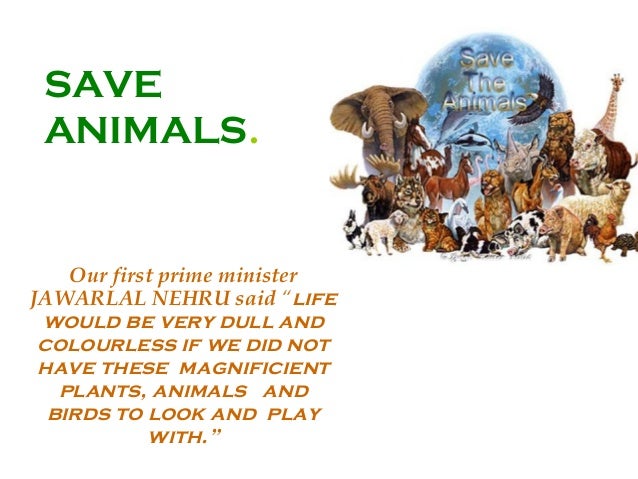
The goal of saving a million species reflects a global effort to halt biodiversity loss, but achieving it requires coordinated science, policy, and on‑the‑ground action amid significant uncertainties.
Quick Answer
Saving a million species is an aspirational target that summarizes the urgency of the current biodiversity crisis. It means preventing the extinction of roughly one million species identified as threatened by assessments such as the IPBES Global Assessment (2019). The mechanism involves protecting habitats, restoring ecosystems, and reducing direct human pressures. Scientific consensus indicates that without rapid, large‑scale interventions, many of these species will be lost, but targeted conservation can halt or reverse declines for a substantial share. Uncertainty remains around precise species counts and the effectiveness of specific interventions across regions.
Key Takeaways
- About one million species are estimated to face a high risk of extinction within decades.
- Habitat loss, climate change, overexploitation, and invasive species are the primary drivers.
- Protected areas, ecosystem restoration, and indigenous stewardship have demonstrated measurable success.
- Financial, political, and social constraints limit the speed and scale of conservation actions.
- Individual and community actions matter when they support systemic policy and funding mechanisms.
What Is Can We Save a Million Species? The Reality Behind the Slogan?
The phrase “Can we save a million species?” encapsulates the International Union for Conservation of Nature’s (IUCN) estimate that roughly one million species are threatened with extinction. It is not a literal promise that any single person can rescue that number, but a shorthand for the scale of the biodiversity emergency and the collective ambition to prevent mass loss. The scope includes mammals, birds, amphibians, reptiles, fish, invertebrates, and plants evaluated by the IUCN Red List and the Intergovernmental Science‑Policy Platform on Biodiversity and Ecosystem Services (IPBES).
How Does It Work?
Conserving species involves a cascade of ecological and socio‑economic processes. The steps can be grouped into three broad phases:
- Identify and Prioritize. Scientists assess extinction risk using criteria such as population trend, range size, and habitat quality. The IUCN Red List provides a global inventory that highlights priority species.
- Mitigate Direct Threats. Actions target the immediate causes—habitat destruction, overharvest, pollution, climate change, and invasive species. This often means establishing protected areas, enforcing anti‑poaching laws, and restoring degraded habitats.
- Support Long‑Term Viability. Sustainable land‑use policies, climate‑adaptation corridors, and community‑based management create conditions for species to persist over generations.
What Does the Evidence Show?
Multiple lines of evidence converge on a grim picture. The IPBES 2019 assessment reported that up to 1 million species (≈ 15 % of those assessed) are at risk of extinction, a rate 100‑1,000 times higher than background rates inferred from the fossil record. Long‑term monitoring by the U.S. Fish and Wildlife Service shows that species listed under the Endangered Species Act have a 70 % lower probability of extinction than comparable unlisted species. Restoration case studies, such as the resurgence of the red‑cockaded woodpecker after longleaf pine restoration in the southeastern United States, illustrate that targeted habitat recovery can produce rapid population rebounds.
Main Causes or Drivers
Direct Causes
- Habitat loss and fragmentation. Agriculture, urban expansion, and infrastructure convert or divide natural ecosystems, reducing available range for most species.
- Overexploitation. Unsustainable fishing, logging, and wildlife trade directly remove individuals from populations.
- Pollution. Chemical runoff, plastic debris, and air pollutants degrade habitats and cause physiological stress.
- Invasive species. Non‑native predators, competitors, or pathogens can outcompete or decimate native populations.
- Climate change. Shifting temperature and precipitation patterns alter habitats faster than many species can adapt.
Underlying Drivers
Economic growth models that prioritize short‑term profit, weak governance, and insufficient funding for conservation amplify the direct threats. Global trade networks spread invasive species and increase demand for wildlife products, while climate‑related policy gaps hinder mitigation.
Environmental and Human Impacts
Environmental Impacts
Loss of species erodes ecosystem services such as pollination, water purification, carbon sequestration, and soil stabilization. For example, the decline of pollinating insects reduces crop yields, affecting food security. Biodiversity loss also diminishes genetic resources needed for medicine and agriculture.
Human Health and Social Impacts
Reduced ecosystem resilience can increase the frequency of disease outbreaks, as seen with zoonotic spillover linked to habitat encroachment. Indigenous peoples often lose cultural heritage and livelihoods when keystone species disappear, deepening social inequities.
Regional Differences
Temperate regions like Europe have higher percentages of protected land, yet still face species loss due to intensive agriculture. Tropical hotspots such as the Amazon and Southeast Asia host the greatest number of endemic species and experience the fastest rates of deforestation, making them critical fronts for the million‑species goal. Island ecosystems (e.g., Madagascar, the Caribbean) show disproportionate extinction risk because isolated species have limited ranges and are highly sensitive to invasive predators.
What Scientists Know With High Confidence
What Scientists Know With High Confidence
- Global biodiversity is declining at rates comparable to past mass‑extinction events (IPBES 2019).
- Habitat loss is the single largest driver of species declines worldwide.
- Protected areas and legally enforced anti‑poaching measures reduce extinction risk for many vertebrates.
- Climate change compounds existing threats, accelerating range shifts and population stress.
What Remains Uncertain
What Remains Uncertain
Key knowledge gaps include precise extinction risk for poorly studied invertebrates and microorganisms, the long‑term effectiveness of climate‑adaptation corridors, and the socioeconomic thresholds at which conservation financing becomes sustainable. Uncertainty also surrounds the cumulative impact of multiple stressors acting simultaneously, which complicates predictive modeling.
Common Misconceptions
Common Misconceptions
Misconception: The “million‑species” target is a literal promise that we can rescue exactly one million species.
Reality: The figure is an estimate of species at risk, used to illustrate scale. Conservation can prevent many extinctions, but the exact number saved will depend on actions taken.
Misconception: Saving species is only about creating more zoos.
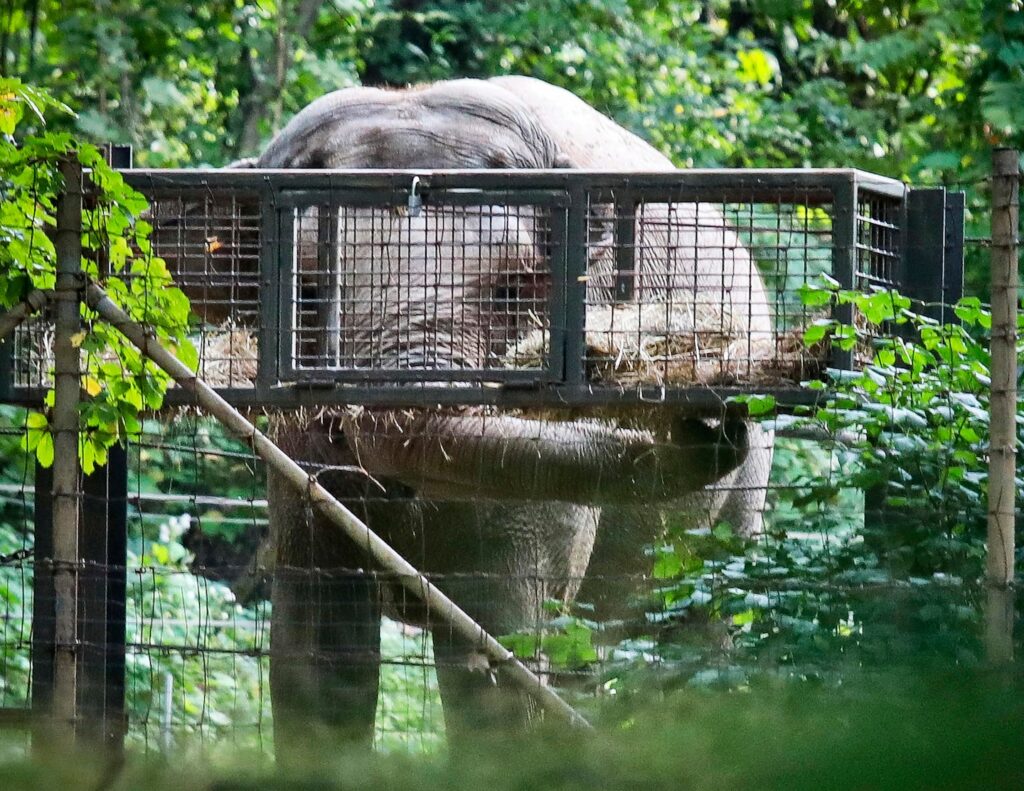
Reality: In‑situ conservation—protecting species in their natural habitats—is far more effective for maintaining ecological interactions than ex‑situ measures alone.
Misconception: Individual lifestyle changes alone can stop biodiversity loss.
Reality: Personal choices matter, but systemic policy shifts, funding, and land‑use planning are required to address the root drivers at the scale needed.
Solutions and Limitations
Effective responses fall into several categories:
- Prevention: Strengthening protected‑area networks, enforcing anti‑poaching laws, and curbing illegal wildlife trade. Limitation: Requires political will and adequate enforcement resources.
- Mitigation: Reducing greenhouse‑gas emissions to limit climate‑change exposure. Limitation: Global coordination is challenging and benefits are long‑term.
- Adaptation: Creating ecological corridors that allow species to shift ranges. Limitation: Land‑use conflicts can impede corridor implementation.
- Restoration: Reforestation, wetland rehabilitation, and reef rebuilding. Limitation: Success varies with species’ life histories and may take decades.
- Economic Instruments: Biodiversity offsets, payment for ecosystem services, and green financing. Limitation: Offsets can be misused if not rigorously monitored.
What Individuals, Communities, and Governments Can Do
What Individuals Can Do
- Support organizations that fund protected‑area management.
- Choose sustainably sourced products (e.g., certified timber, seafood).
- Participate in citizen‑science monitoring programs to improve biodiversity data.
What Communities and Organizations Can Do
- Develop locally led conservation plans that incorporate indigenous knowledge.
- Promote agroforestry and regenerative agriculture to reduce habitat conversion.
- Establish community‑based monitoring to detect early signs of species decline.
What Governments Can Do
- Expand and adequately fund protected‑area networks to meet the 30 % by 2030 target of the Convention on Biological Diversity.
- Integrate biodiversity considerations into all sectors, including infrastructure, energy, and finance.
- Implement and enforce stricter regulations on wildlife trade and habitat destruction.
- Provide incentives for private‑sector biodiversity stewardship, such as tax credits for restoration projects.
Looking Ahead
The ambition to save a million species captures both the magnitude of the biodiversity crisis and the hope that coordinated action can reverse it. High‑confidence evidence confirms that habitat loss, overexploitation, and climate change are the main drivers, while restoration and protected areas have proven benefits. Uncertainties about exact species counts and the effectiveness of large‑scale climate‑adaptation strategies highlight the need for continued research and monitoring. Realistic progress will arise from combining policy reforms, adequate financing, and inclusive community engagement, rather than relying on any single solution.
Frequently Asked Questions
What does the slogan “save a million species” refer to?
The slogan summarizes the estimate that roughly one million species are currently classified as threatened with extinction, highlighting the scale of the global biodiversity crisis and the collective ambition to prevent those losses.
How many species are currently at risk of extinction?
According to the IPBES Global Assessment (2019), up to one million species—about 15 % of those assessed—face a high risk of extinction within the coming decades.
Which human activities drive the greatest biodiversity loss?
Habitat loss from agriculture and urban expansion, overexploitation such as unsustainable fishing and logging, pollution, invasive species introductions, and climate change are identified as the primary drivers of species declines.
What are the most effective strategies to prevent species extinctions?
Protecting and expanding well‑managed protected areas, restoring degraded habitats, enforcing anti‑poaching laws, integrating indigenous stewardship, and reducing greenhouse‑gas emissions together constitute the most evidence‑based approaches to curb extinctions.
How can individuals contribute to saving species?
Individuals can support reputable conservation NGOs, choose sustainably sourced products, and participate in citizen‑science programs that help track wildlife trends, thereby amplifying broader conservation efforts.






Leave a Comment