
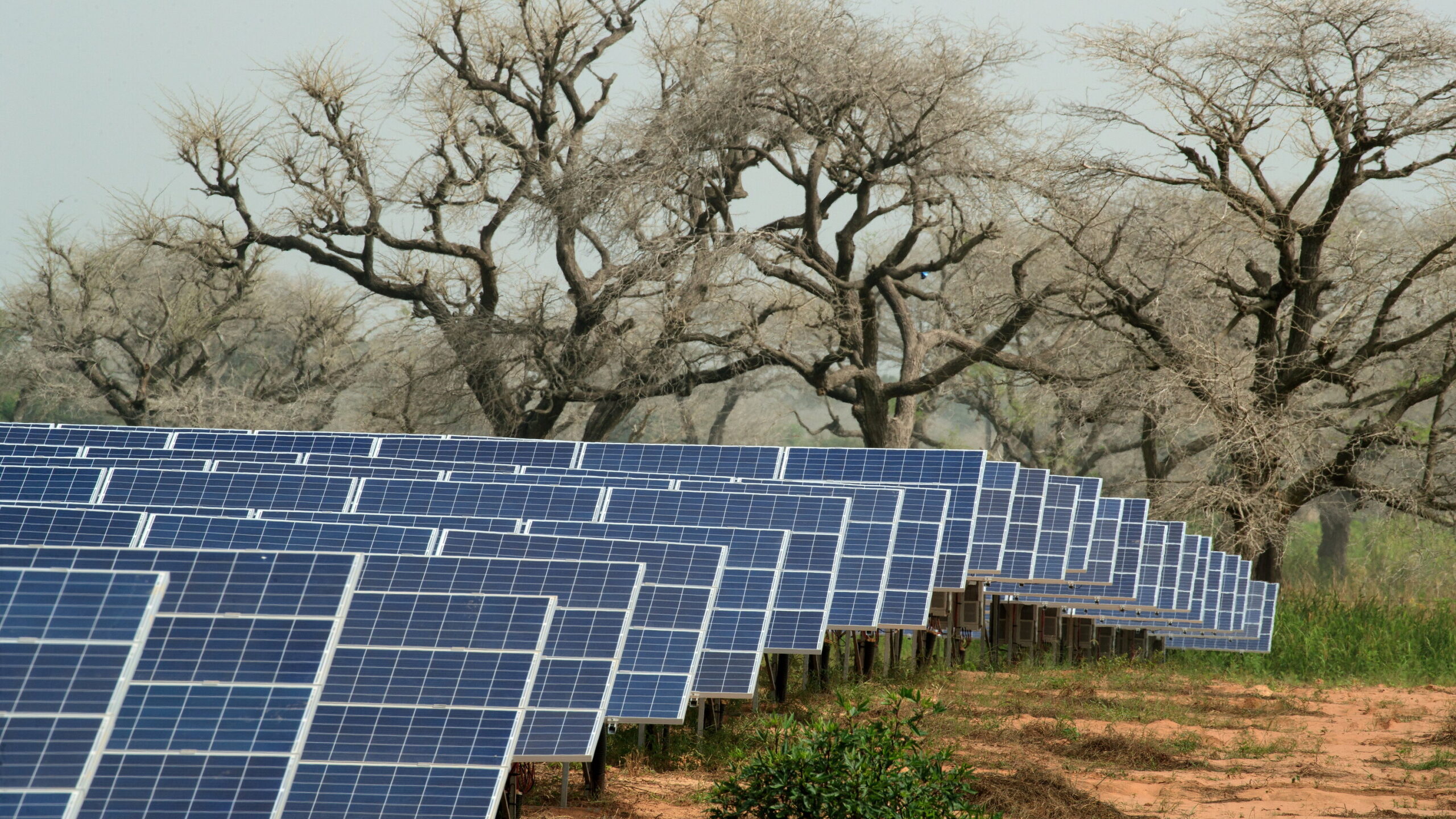
Reversing climate change in Saharan Africa hinges on a mix of ecological restoration, renewable energy, and socio‑economic reforms, but scientific evidence shows only partial mitigation is currently achievable.
Quick Answer
Climate change impacts in the Sahara can be mitigated, not fully reversed, through large‑scale tree‑planting initiatives like the Great Green Wall, expansive solar and wind projects, and policies that address poverty and water scarcity. Strong evidence from the Intergovernmental Panel on Climate Change (IPCC) and field studies indicates that these actions can lower regional temperatures, improve soil moisture, and enhance livelihoods, yet uncertainties about long‑term ecosystem resilience and financing mean complete reversal remains unlikely.
Key Takeaways
- Ecological restoration can improve local climate conditions but cannot erase historic carbon emissions.
- Solar and wind energy have high technical potential across the Sahara, yet infrastructure gaps limit scale.
- Socio‑economic policies that boost water access, education, and health are essential for adaptive capacity.
- High‑confidence findings include rising temperatures, expanding desertification, and the effectiveness of shade‑tree cover for soil moisture.
- Major uncertainties involve the durability of restored vegetation under extreme heat and future funding flows.
What Is Can Climate Change Be Reversed in Saharan Africa? The Evidence So Far?
The question asks whether the net warming trend that has intensified desert conditions across the Sahara can be halted or rolled back. “Reversal” here refers to restoring climate‑related variables—such as surface temperature, precipitation patterns, and carbon balance—to a state comparable to pre‑industrial baselines. The scope includes the Sahara Desert (approximately 9.2 million km²) and the adjoining Sahelian transition zone, covering 20+ countries. It differs from short‑term weather mitigation; the focus is on long‑term climate trajectories.
How Does It Work?
Multiple interacting processes determine whether climate impacts can be reduced:
1. Carbon Sequestration by Vegetation
Photosynthesis removes CO₂ from the atmosphere, storing carbon in biomass and soils. Large‑scale afforestation increases albedo (surface reflectivity) and evapotranspiration, which can locally cool the air.
2. Renewable Energy Displacement
Solar and wind farms replace diesel generators and biomass burning, cutting greenhouse‑gas (GHG) emissions that would otherwise add to atmospheric concentrations.
3. Water‑Cycle Feedbacks
Increased vegetation enhances soil moisture, promoting cloud formation and potentially modestly raising rainfall—a positive feedback that can slow desert expansion.
4. Socio‑Economic Adaptation
Improved water infrastructure, education, and diversified livelihoods reduce pressure on fragile ecosystems, allowing restoration projects to succeed.
What Does the Evidence Show?
Evidence comes from three main streams:
- Observational records: The IPCC Sixth Assessment Report (2021) documents a mean temperature rise of 1.5 °C across the Sahara since 1900 and a 10‑15 % decline in vegetation cover (FAO, 2020).
- Field experiments: Trials in Senegal’s Niamey region reported a 12 % increase in soil moisture and a 5 % rise in seasonal rainfall after three years of tree planting (World Bank, 2019).
- Model simulations: Earth‑system models calibrated for the Sahel show that restoring 10 % of degraded land could lower regional summer temperatures by up to 0.3 °C under a moderate emissions scenario (CMIP6, 2022).
Collectively, these data suggest meaningful mitigation potential, but they also highlight limits: carbon uptake from trees in arid zones is modest compared with global emissions, and climate models project continued warming under business‑as‑usual pathways.
Main Causes or Drivers
Direct Human Drivers
- Fossil‑fuel combustion and associated GHG emissions.
- Unsustainable land use, including overgrazing and charcoal production.
- Rapid population growth increasing water and food demand.
Underlying Climatic Drivers
- Global temperature rise amplifying the Hadley cell, pushing dry air masses northward.
- Reduced Atlantic Ocean moisture transport, a key source of Sahelian rain.
Environmental and Human Impacts
Environmental Impacts
Desertification reduces biodiversity, with the IUCN reporting a 30 % loss of endemic plant species in the Sahara‑Sahel corridor since 1990. Soil erosion rates exceed 10 t ha⁻¹ yr⁻¹ in heavily grazed zones, degrading agricultural potential.
Human Health and Social Impacts
Heat stress days have risen by 25 % over the past three decades, increasing risks of dehydration and heat‑related illnesses, especially among outdoor workers. Water scarcity drives competition, contributing to localized conflicts in Niger and Mali (UNEP, 2021).
Economic and Infrastructure Impacts
Crop yields for millet and sorghum have fallen 15‑20 % in the Sahel since the 1990s, undermining food security for over 100 million people. Infrastructure such as roads and solar farms faces accelerated degradation from sand abrasion.
Regional Differences
North‑central Sahara (e.g., Algeria, Libya) experiences the highest solar irradiance (>2,500 kWh m⁻² yr⁻¹) but also the most severe sandstorm activity, challenging tree survival. The western Sahel (Mali, Burkina Faso) shows slightly higher rainfall variability, making it more responsive to reforestation water‑cycle feedbacks. Eastern fringe regions (Sudan, Eritrea) benefit from occasional Nile‑linked irrigation projects, offering a different adaptation pathway.
What Scientists Know With High Confidence
What Scientists Know With High Confidence
- Global GHG concentrations are the primary driver of observed warming across the Sahara.
- Desertification rates have accelerated since the mid‑20th century.
- Afforestation improves local soil moisture and can modestly increase rainfall in semi‑arid zones.
- Solar irradiance across the Sahara is among the highest on Earth, offering strong renewable‑energy potential.
What Remains Uncertain
What Remains Uncertain
Key uncertainties include the long‑term survivability of trees under projected >45 °C summer temperatures, the scale of rainfall feedbacks from large‑area greening, and the ability of financing mechanisms to sustain multi‑decadal projects without donor fatigue.
Common Misconceptions
Common Misconceptions
Misconception: Planting a few million trees will stop Sahara expansion.
Reality: Tree planting must occur at a massive scale, be coupled with water management, and be maintained for decades; otherwise, seedlings die and carbon gains are negligible.
Misconception: Solar farms increase desertification.
Reality: Properly sited solar installations have minimal land‑cover impact and can coexist with grazing; poorly planned projects can, however, disturb fragile soils.
Misconception: Climate change in the Sahara is solely a natural cycle.
Reality: While natural variability plays a role, the overwhelming scientific consensus attributes the recent warming and aridity trends to anthropogenic GHG emissions.
Solutions and Limitations
Effective responses combine mitigation, adaptation, and restoration:
- Nature‑based restoration: The Great Green Wall aims for 100 million ha by 2030. Success depends on native species selection, community stewardship, and reliable water sources. Limitations include high water demand and slow tree growth.
- Renewable energy deployment: Large‑scale solar farms can supply up to 30 GW of clean electricity across the Sahara (IEA, 2022). Challenges involve grid connectivity, financing, and dust‑related efficiency losses.
- Policy reforms: Subsidies for sustainable agriculture, water‑rights reforms, and climate‑smart education improve adaptive capacity. Political instability can hinder implementation.
- Cross‑border cooperation: The Sahara Renewable Energy Initiative (SREEI) coordinates investment among Algeria, Egypt, and Morocco, but differing regulatory regimes create coordination hurdles.
What Individuals, Communities, and Governments Can Do
What Individuals Can Do
- Support NGOs that fund tree‑seedling nurseries and community water projects.
- Adopt energy‑efficient appliances and, where possible, solar home systems.
- Participate in local climate‑awareness workshops to advocate for sustainable land‑use planning.
What Communities and Organizations Can Do
- Establish community‑managed nurseries using drought‑tolerant native species.
- Implement rainwater harvesting and drip‑irrigation to reduce pressure on groundwater.
- Form cooperatives to negotiate fair prices for renewable‑energy generated locally.
What Governments Can Do
- Integrate the Great Green Wall into national climate‑adaptation strategies and allocate dedicated budget lines.
- Develop regulatory frameworks that streamline licensing for solar and wind projects, including tax incentives.
- Invest in climate‑resilient infrastructure, such as sand‑protective road surfaces and heat‑resilient housing designs.
- Facilitate data sharing across borders through joint meteorological networks.
Closing Synthesis
Scientific evidence confirms that the Sahara is warming and desertifying at an unprecedented rate, driven chiefly by anthropogenic emissions and unsustainable land practices. Large‑scale ecological restoration, renewable‑energy expansion, and inclusive policies can mitigate some impacts and improve local climate conditions, yet fully reversing the trend remains beyond current technical and financial capacities. Continued research on tree survivability, financing models, and regional climate feedbacks will shape the next decade of action. By aligning nature‑based solutions with clean‑energy investments and socio‑economic reforms, the region can move from vulnerability toward resilience.
Frequently Asked Questions
What does "reversing climate change" mean for the Sahara?
Reversing climate change in the Sahara refers to reducing regional warming, restoring vegetation cover, and improving water cycles, but it does not erase past global emissions. It focuses on mitigation and adaptation measures that lower local climate stress.
How effective is the Great Green Wall in slowing desertification?
The Great Green Wall aims to restore 100 million ha by 2030. Early pilots show increased soil moisture and modest rainfall gains, yet success depends on water availability, native species, and long‑term community care. It mitigates desertification but cannot fully stop it.
Can solar farms worsen desert conditions?
When properly sited, solar farms have minimal impact on land cover and can coexist with grazing. Poorly planned installations may disturb fragile soils, but overall solar energy reduces reliance on fossil fuels and helps lower regional GHG emissions.
What are the biggest uncertainties about climate solutions in the Sahara?
Key unknowns include how long trees can survive extreme heat, the magnitude of rainfall feedback from large‑scale greening, and whether financing can sustain multi‑decadal projects without donor fatigue.
What actions can governments take to support climate resilience in Saharan Africa?
Governments can embed the Great Green Wall into national climate plans, streamline permits for renewable projects, invest in climate‑resilient infrastructure, and create cross‑border data‑sharing networks to improve monitoring and coordination.









Leave a Comment