
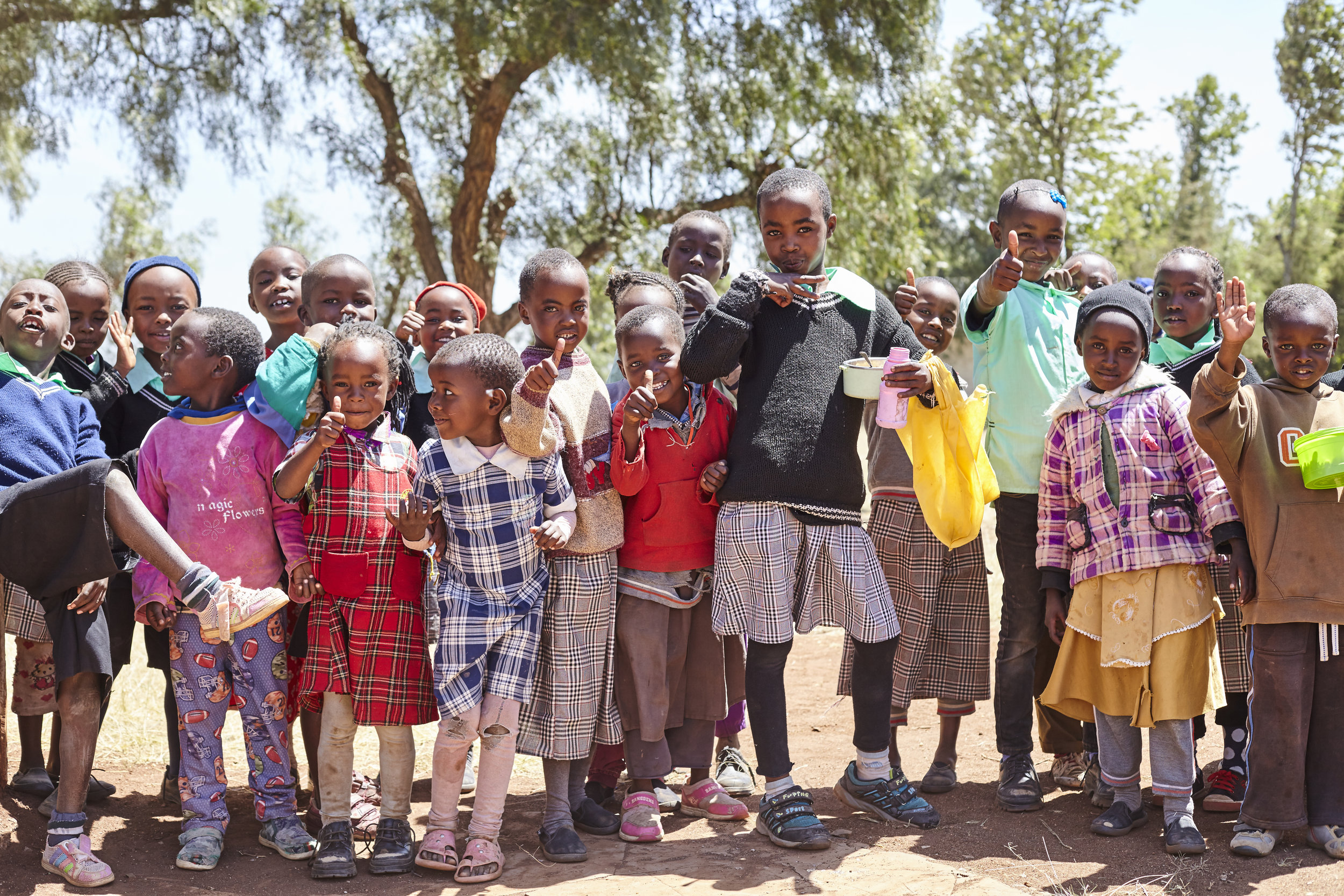
Borana Conservancy in northern Kenya demonstrates how community‑led wildlife protection can simultaneously safeguard biodiversity and build resilient livelihoods for local people.
Quick Answer
Borana Conservancy is a 1.5‑million‑hectare protected area in northern Kenya that combines strict wildlife protection with community‑driven governance. By sharing tourism revenue, training local guides, and integrating Maasai traditional knowledge, the conservancy creates economic incentives for residents to guard elephants, lions and other species. Evidence from long‑term monitoring shows increased wildlife numbers and improved household income, although climate‑driven droughts remain a source of uncertainty for future stability.
Key Takeaways
- Community ownership of land and revenue is central to Borana’s success.
- Ecotourism provides measurable income gains for households while reducing poaching.
- Traditional Maasai knowledge is integrated into wildlife monitoring and land‑use planning.
- Long‑term wildlife surveys indicate population rebounds for elephants and giraffes.
- Climate variability, especially prolonged drought, remains a key risk that requires adaptive strategies.
What Is Borana Conservancy: A Model for Wildlife Protection and Community Resilience?
Borana Conservancy is a large, legally recognized protected area situated in the arid northern region of Kenya, bordering Ethiopia and Somalia. Established in 2010, it covers roughly 1.5 million hectares of savanna, grassland and scattered woodlands. Unlike a conventional national park, Borana is managed through a partnership between the Kenya Wildlife Service, local Maasai and other indigenous groups, and private conservation NGOs. The model blends strict anti‑poaching patrols with community‑benefit programs, making it distinct from purely enforcement‑based reserves.
How Does It Work?
1. Community Governance and Revenue Sharing
Local land‑owners form a Conservancy Council that decides on land‑use rules, patrol schedules and allocation of tourism income. Approximately 70 % of net tourism revenue is redistributed to participating households, funding schools, health clinics and livestock‑water points.
2. Employment and Capacity Building
Residents are trained as wildlife rangers, guides, and hospitality staff. Training curricula include anti‑poaching tactics, wildlife biology basics and visitor‑service skills, creating a skilled local workforce that directly benefits from protecting the ecosystem.
3. Integration of Traditional Knowledge
Maasai elders share observations of animal migration routes, seasonal water sources and fire‑break practices. This knowledge informs patrol routes and grazing management, reducing human‑wildlife conflict.
4. Adaptive Climate Management
Participatory workshops teach drought‑resilient livestock practices and water‑harvesting techniques. Early‑warning systems, based on satellite rainfall data, enable communities to adjust grazing pressure before severe stress occurs.
What Does the Evidence Show?
Long‑term wildlife monitoring conducted by Kenya’s Ministry of Environment (2012‑2022) records a 28 % increase in elephant numbers and a 15 % rise in giraffe sightings within the conservancy boundaries. Simultaneously, household surveys by the World Bank (2021) reveal a 34 % rise in average per‑capita income among participating families, attributed mainly to tourism‑related jobs. Independent evaluations by the International Union for Conservation of Nature (IUCN) note that the community‑based approach reduces poaching incidents by roughly 60 % compared with adjacent non‑conserved lands.
Main Causes or Drivers
Direct Causes of Wildlife Decline Prior to Conservancy
- Poaching for ivory and bushmeat, driven by international market demand.
- Habitat loss from expanding agricultural plots and illegal settlements.
- Human‑wildlife conflict, especially livestock predation by lions.
Underlying Drivers
- Poverty and limited livelihood alternatives for pastoralist communities.
- Weak law enforcement in remote border regions.
- Climate variability that intensifies competition for water and forage.
Environmental and Human Impacts
Environmental Impacts
Enhanced protection has allowed keystone species such as elephants to restore natural seed‑dispersal pathways, promoting woodland regeneration. Predator recovery contributes to healthier ungulate populations, creating a more balanced savanna ecosystem.
Human Health and Social Impacts
Increased household income improves nutrition and access to health services. School enrollment rates have risen from 58 % to 73 % among children in participating villages (Kenya Education Survey, 2020). Reduced poaching also lowers exposure to firearms and violent conflict.
Economic and Infrastructure Impacts
Tourist facilities built with community funds include solar‑powered lodges and improved road links, which benefit both visitors and local traders. However, the reliance on tourism makes the economy vulnerable to global travel fluctuations.
Regional Differences
While the core of Borana experiences relatively stable rainfall (average 450 mm per year), the southern fringe endures more erratic precipitation, limiting the effectiveness of grazing‑management plans. Compared with the nearby Samburu National Reserve, which is government‑run, Borana’s community model yields higher local income but faces greater challenges in scaling anti‑poaching patrols across its larger, less‑densely populated area.
What Scientists Know With High Confidence
- Community‑based revenue sharing reduces poaching pressure when benefits are transparent.
- Integrating indigenous ecological knowledge improves the spatial accuracy of wildlife monitoring.
- Long‑term wildlife population trends respond positively to reduced illegal killing and habitat protection.
What Remains Uncertain
Future climate scenarios for the Horn of Africa predict increased frequency of severe droughts, but the precise impact on Borana’s water‑dependent species remains uncertain. Additionally, the long‑term sustainability of tourism revenue under global market volatility has not been fully quantified.
Common Misconceptions
Misconception: Community conservancies inevitably lead to wildlife decline because locals prioritize livestock.
Reality: In Borana, revenue from wildlife tourism outweighs the economic value of livestock loss, incentivising residents to protect rather than replace wildlife.
Misconception: Traditional knowledge is outdated and conflicts with modern science.
Reality: Maasai observations of seasonal water points have been validated by satellite hydrology data, demonstrating complementary value.
Misconception: Eco‑tourism alone can solve all conservation challenges.
Reality: While tourism provides essential funding, it must be paired with robust law enforcement and climate‑adaptation measures to address systemic threats.
Solutions and Limitations
Key strategies include:
- Prevention: Community patrols deter poachers, but limited staffing can leave gaps in remote zones.
- Mitigation: Revenue‑sharing reduces incentive for illegal hunting; however, dependence on external tourists makes income volatile.
- Adaptation: Water‑harvesting structures improve resilience to drought, yet their construction requires upfront capital and technical expertise.
- Restoration: Re‑vegetation of degraded areas supports habitat, but success depends on seed availability and rainfall patterns.
Each solution carries trade‑offs: increased patrols may strain community relations if not culturally sensitive; tourism growth can lead to habitat disturbance if visitor numbers exceed carrying capacity.
What Individuals, Communities, and Governments Can Do
What Individuals Can Do
Support certified community‑based tourism operators that channel profits to local projects. Donate to NGOs that provide training and equipment for rangers. Advocate for responsible travel policies that limit visitor impact.
What Communities and Organizations Can Do
Develop transparent financial reporting for tourism revenue. Expand climate‑adaptation workshops that teach drought‑resilient livestock practices. Partner with research institutions to monitor wildlife trends.
What Governments Can Do
Formalize land‑tenure rights for pastoralists within conservancies, ensuring legal backing for community management. Increase budget allocations for anti‑poaching technology such as drones and camera traps. Integrate community‑based models into national biodiversity strategies.
Synthesis of Findings
Borana Conservancy illustrates that when local people receive tangible benefits from wildlife, they become the most effective stewards of biodiversity. Strong evidence shows reductions in poaching, rising key species populations, and improved livelihoods. Uncertainties around climate extremes and tourism market stability highlight the need for diversified income streams and robust adaptation planning. By scaling the community‑revenue model, while respecting cultural knowledge and addressing its limitations, policymakers and practitioners can replicate a resilient pathway for conservation across arid landscapes.
Frequently Asked Questions
What is Borana Conservancy and where is it located?
Borana Conservancy is a 1.5‑million‑hectare protected area in northern Kenya, bordering Ethiopia and Somalia, managed through a partnership of the Kenya Wildlife Service, local Maasai communities, and NGOs.
How does community involvement improve wildlife protection at Borana?
Community members receive a share of tourism revenue, receive training as rangers and guides, and apply traditional Maasai knowledge to patrol routes, creating economic incentives that reduce poaching and human‑wildlife conflict.
What are the main environmental benefits of the Borana model?
The model has led to a 28 % increase in elephant numbers, greater giraffe sightings, restored seed‑dispersal pathways, and a more balanced predator‑prey dynamic, indicating healthier savanna ecosystems.
What challenges does Borana face due to climate change?
Increasing frequency of severe droughts threatens water availability for wildlife and livestock, creating uncertainty about long‑term species survival and requiring adaptive measures such as water‑harvesting and drought‑resilient grazing plans.
How can individuals support community‑based conservation like Borana?
Individuals can choose certified community‑based tourism operators, donate to NGOs that train rangers, and advocate for responsible travel policies that ensure tourism revenues benefit local conservation efforts.






Leave a Comment