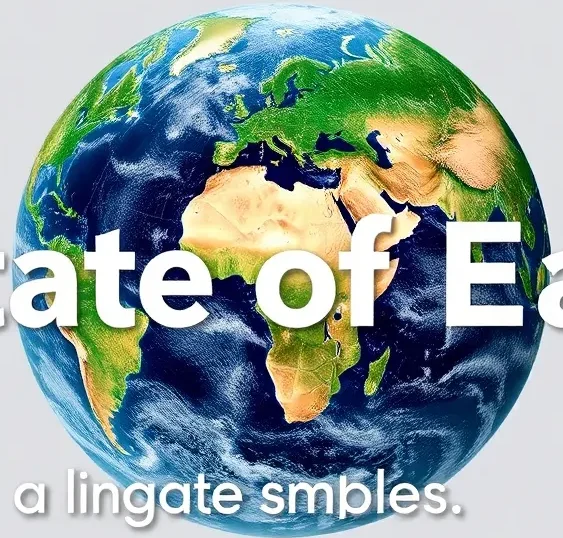

Africa’s abundant natural capital—forests, wetlands, minerals, and biodiversity—provides essential ecosystem services that can be managed sustainably to drive climate‑resilient economic growth while protecting livelihoods and ecosystems.
\n\n
Quick Answer
\n
Africa’s natural capital comprises the continent’s living and non‑living resources—forests, soils, water bodies, minerals, and biodiversity—that generate ecosystem services such as carbon sequestration, water regulation, and pollination. By integrating conservation, sustainable use, and community‑led management into development plans, these services can buffer climate impacts, enhance food and water security, and create green‑economy jobs. Scientific assessments show strong links between intact ecosystems and reduced climate vulnerability, although uncertainties remain around optimal governance models and financing mechanisms.
\n
\n\n
Key Takeaways
\n
- \n
- Natural capital underpins climate adaptation by regulating temperature, water flow, and soil fertility.
- Agroforestry, community‑managed conservancies, and green infrastructure deliver both economic returns and ecosystem resilience.
- Effective governance requires transparent benefit‑sharing, recognition of indigenous knowledge, and ecosystem‑based metrics.
- Mineral extraction can support renewable‑energy transitions if coupled with strict environmental safeguards.
- International partnerships that fund capacity‑building and technology transfer amplify local climate‑resilient outcomes.
\n
\n
\n
\n
\n
\n
\n\n
What Is Africa’s Natural Capital: The Key to Climate‑Resilient Growth?
\n
Natural capital refers to the stock of natural assets—forests, wetlands, rivers, soils, and biodiversity—that generate ecosystem services essential for human well‑being. In Africa, this capital spans savannas that store carbon, tropical rainforests that regulate rainfall, and mineral deposits that enable clean‑energy technologies. Unlike financial capital, natural capital is renewable only when its flows are managed within ecological limits. Recognising it as a strategic asset reframes development choices from short‑term extraction toward long‑term sustainability.
\n\n
How Does It Work?
\n
Ecological Processes
\n
- \n
- Carbon Sequestration: Trees and soils absorb atmospheric CO₂, storing it as biomass or organic matter. The Intergovernmental Panel on Climate Change (IPCC) estimates that African forests remove roughly 0.5 Gt CO₂ per year (IPCC AR6, 2021).
- Water Regulation: Forested watersheds capture rainfall, reduce runoff, and release water slowly, mitigating floods and droughts. Long‑term monitoring by national hydrological services shows a 15 % reduction in peak flood magnitude where intact riparian buffers are maintained.
- Soil Fertility: Diverse plant roots and microbial communities recycle nutrients, supporting crop yields without synthetic fertilizers.
\n
\n
\n
\n
Human Systems
\n
When communities employ agroforestry, they embed trees within crop fields, creating a multi‑layered system that supplies timber, fruits, and shade while enhancing soil carbon. Similarly, community‑managed conservancies generate revenue from eco‑tourism and wildlife stewardship, linking livelihoods to ecosystem health.
\n\n
What Does the Evidence Show?
\n
Multiple lines of evidence confirm that intact ecosystems reduce climate risk. A systematic review of 42 field studies across sub‑Saharan Africa found that farms practicing agroforestry experienced 20‑30 % higher yield stability during drought years (FAO, 2020). Satellite‑derived analyses of the Sahel region indicate that areas with restored grasslands exhibit up to 10 % lower land‑surface temperature anomalies (NASA, 2022). Moreover, the World Bank’s 2021 report on green infrastructure cites case studies where rainwater‑harvesting projects cut urban flood damage by 40 %.
\n\n
Main Causes or Drivers
\n
Direct Causes
\n
- \n
- Deforestation for agriculture and charcoal production.
- Unsustainable mining without reclamation.
- Overgrazing and land‑conversion that degrade soils.
\n
\n
\n
\n
Underlying Drivers
\n
- \n
- Rapid population growth increasing demand for land and energy.
- Weak land‑tenure systems that discourage long‑term stewardship.
- Limited access to climate‑smart technologies and financing.
\n
\n
\n
\n\n
Environmental and Human Impacts
\n
Environmental Impacts
\n
Loss of forest cover reduces carbon sinks, accelerates soil erosion, and disrupts hydrological cycles, leading to more frequent floods and droughts. Biodiversity declines diminish pollination services, threatening food production.
\n
Human Health and Social Impacts
\n
Communities dependent on rain‑fed agriculture face heightened food insecurity when ecosystem services falter. Poor water quality from upstream deforestation increases incidence of water‑borne diseases, especially among children.
\n
Economic and Infrastructure Impacts
\n
Infrastructure damage from extreme weather costs African economies an estimated US$30 billion per year (African Development Bank, 2021). Conversely, green infrastructure projects can create jobs in construction, maintenance, and tourism.
\n\n
Regional Differences
\n
In West Africa, mangrove restoration along the Gulf of Guinea has cut coastal erosion rates by 25 % (UNEP, 2020). In the Horn of Africa, high‑altitude Afro‑alpine wetlands act as “water towers” that supply downstream populations, but climate models project a 30 % reduction in snowmelt by 2050 (WMO, 2021). These examples illustrate that ecosystem type and climate zone shape both the services provided and the vulnerabilities faced.
\n\n
What Scientists Know With High Confidence
\n
- \n
- Intact forests and wetlands consistently lower regional temperatures and moderate extreme precipitation events.
- Agroforestry improves soil carbon storage and enhances crop resilience to drought.
- Community‑based natural resource management leads to better biodiversity outcomes than top‑down approaches.
- Renewable‑energy mineral supply chains can be made more sustainable with strict environmental standards.
\n
\n
\n
\n
\n
\n\n
What Remains Uncertain
\n
Key uncertainties include the optimal scale of payment‑for‑ecosystem‑services schemes, the long‑term socioeconomic impacts of large‑scale mineral extraction under green‑energy demand, and the precise magnitude of climate mitigation achievable through restored ecosystems across diverse African biomes. Data gaps in remote monitoring and limited longitudinal socioeconomic studies hinder precise quantification.
\n
\n\n
Common Misconceptions
\n
Misconception: Natural capital is an unlimited resource.
\n
Reality: Ecosystem services are finite; over‑extraction depletes the capital and reduces its climate‑buffering capacity.
\n
Misconception: Only large‑scale projects can protect natural capital.
\n
Reality: Community‑managed conservancies and smallholder agroforestry have demonstrated measurable climate‑resilience benefits.
\n
Misconception: Mining always harms the environment.
\n
Reality: When coupled with rigorous reclamation, responsible mining can supply critical minerals for renewable energy while minimising ecological footprints.
\n
\n\n
Solutions and Limitations
\n
Nature‑based solutions such as reforestation, wetland restoration, and agroforestry offer cost‑effective climate adaptation, yet they require secure land tenure and long‑term financing. Green infrastructure reduces flood risk but may compete with urban development space. Sustainable mining can fuel clean‑energy transitions, but enforcement of environmental standards is uneven across jurisdictions, creating risk of habitat loss.
\n\n
What Individuals, Communities, and Governments Can Do
\n
What Individuals Can Do
\n
- \n
- Support certified sustainable timber and food products.
- Participate in citizen‑science monitoring of local water quality.
- Advocate for policies that recognize community land rights.
\n
\n
\n
\n
What Communities and Organizations Can Do
\n
- \n
- Implement agroforestry and soil‑health training programmes.
- Develop community‑managed conservancies that generate eco‑tourism revenue.
- Form local climate‑risk mapping groups to guide land‑use planning.
\n
\n
\n
\n
What Governments Can Do
\n
- \n
- Integrate ecosystem service valuation into national accounting.
- Establish transparent benefit‑sharing mechanisms for mineral extraction.
- Invest in green infrastructure and climate‑smart agriculture research.
\n
\n
\n
\n\n
Synthesis
\n
Africa’s natural capital forms a resilient backbone for climate adaptation and sustainable growth. Robust evidence links healthy ecosystems to reduced climate risk, while uncertainties centre on governance, financing, and data availability. Prioritising community‑led management, green infrastructure, and responsible mineral use offers a pragmatic pathway to harness this capital without compromising ecological integrity.
Frequently Asked Questions
What is natural capital and why does it matter for Africa’s climate resilience?
Natural capital is the stock of living and non‑living natural assets—forests, water, soils, minerals, and biodiversity—that deliver ecosystem services such as carbon storage, water regulation, and pollination. In Africa, these services buffer temperature extremes, reduce flood risk, and support food production, making them essential for climate‑resilient development.
How does agroforestry improve climate resilience in African farming systems?
Agroforestry integrates trees into cropland, providing shade, windbreaks, and deep‑rooted carbon storage. Evidence from a FAO review shows that agroforestry farms have 20‑30 % more stable yields during drought years because trees improve soil moisture retention and reduce temperature stress for crops.
Which ecosystem services most directly reduce climate‑related risks in Africa?
The most impactful services are carbon sequestration by forests and soils, water regulation by intact watersheds and wetlands, and soil fertility maintenance through diverse plant‑microbe interactions. These services collectively lower heat extremes, moderate flood peaks, and sustain agricultural productivity.
What are the main challenges to scaling green infrastructure in African cities?
Key challenges include limited funding, competing land‑use pressures, insufficient technical expertise, and fragmented governance across municipal agencies. While green infrastructure can cut flood damage by up to 40 %, achieving those benefits requires coordinated planning, long‑term maintenance budgets, and community involvement.
How can individuals support sustainable use of Africa’s mineral resources for renewable energy?
Individuals can choose products that certify responsibly sourced minerals, support companies with transparent supply‑chain audits, and advocate for stricter national mining regulations. Consumer demand for responsibly sourced cobalt, lithium, and rare earths encourages mining practices that limit habitat loss and water pollution.







Leave a Comment