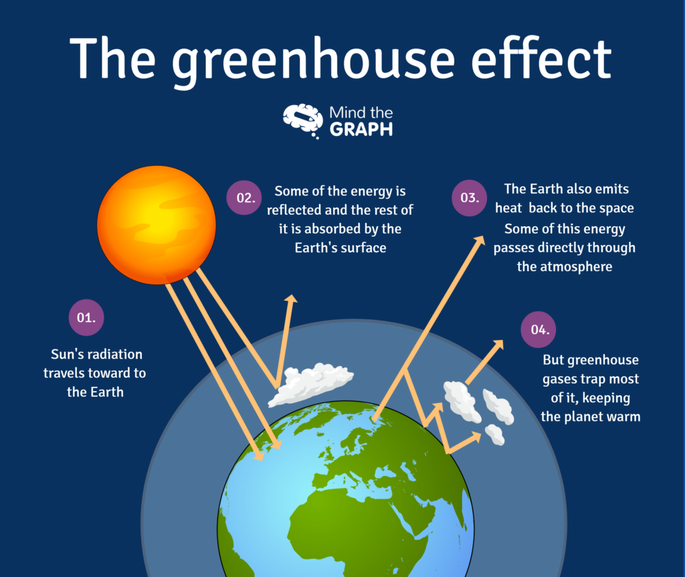
The Purpose of the Greenhouse Effect: Why Earth Needs It
The greenhouse effect is a natural atmospheric process that traps infrared radiation, keeping Earth warm enough for liquid water, ecosystems, and human societies
November 17, 2025
The greenhouse effect is a natural atmospheric process that traps infrared radiation, keeping Earth warm enough for liquid water, ecosystems, and human societies
November 17, 2025

Human actions have pushed millions of species toward extinction, but scientific evidence shows that coordinated conservation, restoration, and policy measures can still halt
November 16, 2025

Melting ice from glaciers, ice caps, and the polar ice sheets adds water to the oceans and, together with thermal expansion, raises global
November 16, 2025

The goal of saving a million species reflects a global effort to halt biodiversity loss, but achieving it requires coordinated science, policy, and
November 16, 2025

A one‑meter rise in global sea level would reshape coastlines, threaten millions of people, alter ecosystems, and demand large‑scale adaptation, but the science
November 16, 2025
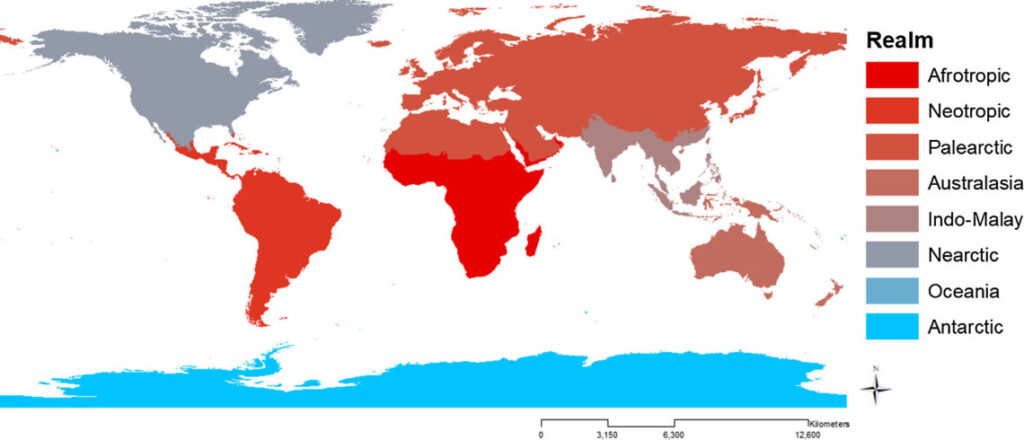
Each year, dozens to thousands of species that science has not yet described disappear silently, a loss estimated from biodiversity models but still
November 16, 2025
October 18, 2026

October 18, 2026

24Earth is an independent environmental knowledge platform explaining climate, oceans, biodiversity, pollution, energy, and planetary change through accessible, evidence-based reporting.
Copyright ©2026
24Earth.