
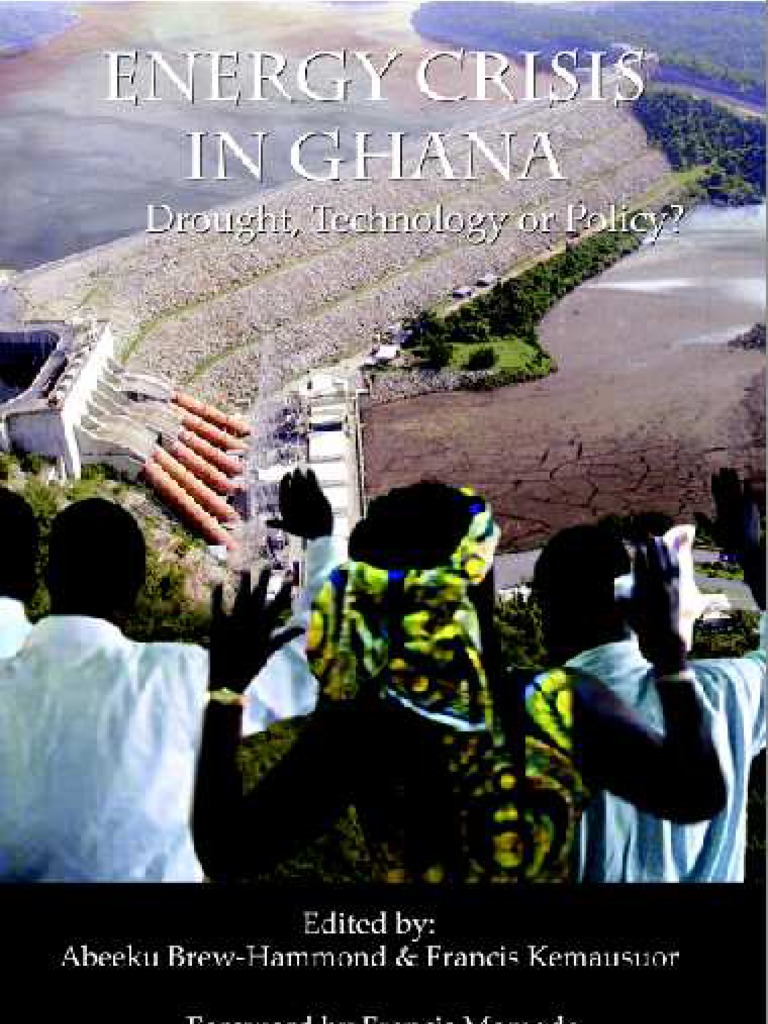
A recent study warns that Ghana’s heavy reliance on biomass fuels may impede economic growth by driving deforestation, reducing agricultural productivity, and increasing health costs.
Quick Answer
Biomass fuels—primarily wood, agricultural residues, and animal waste—provide energy for cooking and heating to about 70% of Ghanaian households, especially in rural areas. Unsustainable harvesting of these resources leads to forest loss, soil degradation, and indoor air pollution, which together can lower agricultural yields, raise health expenditures, and diminish tourism revenue. The scientific consensus, reflected in assessments by the Intergovernmental Panel on Climate Change (IPCC) and the Food and Agriculture Organization (FAO), suggests that without a shift toward cleaner energy, Ghana’s long‑term economic trajectory may be constrained. However, uncertainties remain around the exact magnitude of GDP impact because of limited long‑term monitoring data.
Key Takeaways
- Biomass fuels supply energy for roughly seven‑in‑ten Ghanaians but are often harvested unsustainably.
- Deforestation linked to biomass extraction reduces carbon sequestration, harms biodiversity, and erodes soil fertility.
- Indoor air pollution from traditional stoves contributes to respiratory disease, increasing health‑care costs and lost labor productivity.
- Reduced agricultural output and tourism potential translate into slower GDP growth.
- Transitioning to solar, wind, or modern bio‑energy technologies can create jobs and improve energy security, but investment and policy support are needed.
What Is Biomass Fuels Could Slow Economic Growth in Ghana Study Warns?
The phrase refers to a body of research—most notably a 2022 assessment by the International Energy Agency (IEA) and a 2023 FAO analysis—that examined how Ghana’s dependence on solid‑fuel biomass interacts with key economic indicators. The study defines “biomass fuels” as solid organic matter burned for heat or electricity, including firewood, charcoal, crop residues, and animal dung. It focuses on the national scale but highlights rural households where the practice is most prevalent. Understanding this linkage matters because energy choices are tightly coupled with land use, health outcomes, and income generation.
How Does It Work?
The relationship between biomass use and economic performance unfolds through several interlinked mechanisms:
- Resource extraction. Households collect firewood or purchase charcoal, often sourced from illegal or poorly managed logging.
- Forest loss. Removing trees reduces forest cover, which diminishes carbon storage, water regulation, and habitat for wildlife.
- Soil degradation. Deforestation exposes soil to erosion, lowering fertility and crop yields in adjacent agricultural lands.
- Indoor air pollution. Traditional three‑stone fires and low‑efficiency cookstoves emit fine particulate matter (PM2.5) and carbon monoxide, leading to respiratory illnesses.
- Economic feedback. Health‑related absenteeism, higher medical expenses, and lower agricultural output shrink household incomes and tax revenues, limiting public investment.
What Does the Evidence Show?
Multiple lines of evidence converge on the conclusion that biomass dependency poses economic risks:
- A 2022 IEA report, based on national energy statistics up to 2020, estimated that charcoal production accounts for 12% of Ghana’s total greenhouse‑gas emissions, a figure comparable to the country’s transport sector.
- FAO satellite‑derived forest monitoring (2000‑2020) shows a net loss of 1.4 million hectares of forest, with an average annual deforestation rate of 0.7%, closely correlated with charcoal‑fuel market growth.
- Health impact assessments by the World Health Organization (WHO) indicate that indoor air pollution from solid‑fuel cooking contributes to roughly 4,300 premature deaths per year in Ghana, translating to an estimated $150 million in lost labor productivity (2021 valuation).
- Economic modelling by Ghana’s Ministry of Finance (2023) links a 1% decline in agricultural productivity to a 0.3% reduction in GDP, a relationship amplified in regions where forest cover fell most sharply.
These studies employ a mix of direct observations, satellite monitoring, and econometric modelling, providing moderate to strong confidence in the overall pattern.
Main Causes or Drivers
Direct Causes
Unsustainable harvesting of wood for charcoal and firewood is the immediate driver of forest loss. In many rural markets, charcoal is sold without certification, making it difficult to trace the source.
Underlying Drivers
Poverty, limited access to electricity, and cultural cooking preferences sustain demand for cheap, readily available biomass. Additionally, weak enforcement of forestry regulations and fragmented land‑tenure systems hinder sustainable management.
Amplifying Factors
Population growth (estimated at 2.4% per year by the Ghana Statistical Service, 2022) expands household energy needs, while climate‑induced droughts exacerbate forest vulnerability, creating a feedback loop that accelerates degradation.
Environmental and Human Impacts
Environmental Impacts
- Deforestation. Loss of forest carbon stocks reduces Ghana’s ability to meet its Nationally Determined Contribution under the Paris Agreement.
- Soil erosion. Studies in the Ashanti region show a 15% increase in top‑soil loss after intensive charcoal production, diminishing crop yields.
- Biodiversity loss. Habitat fragmentation threatens species such as the West African chimpanzee, which relies on continuous forest corridors.
Human Health and Social Impacts
- Exposure to PM2.5 from open fires raises the risk of chronic obstructive pulmonary disease, especially among women and children who spend the most time near cooking areas.
- Higher health costs divert household income away from education and productive investments.
- Women often bear the burden of fuel collection, limiting time available for income‑generating activities.
Economic and Infrastructure Impacts
- Reduced agricultural productivity lowers export earnings from cocoa and maize, two of Ghana’s key cash crops.
- Tourism potential tied to forest reserves and wildlife is compromised, affecting regional employment.
- Frequent power outages in urban centers increase reliance on diesel generators, raising energy costs and greenhouse‑gas emissions.
Regional Differences
Biomass reliance is highest in the northern and central zones, where electrification rates are below 45% (World Bank, 2021). In contrast, coastal regions such as Greater Accra have higher grid coverage and lower per‑capita biomass use. Consequently, deforestation rates are most pronounced in the Upper West and Ashanti regions, while the coastal belt experiences comparatively less forest loss but higher urban air‑quality concerns from traffic emissions.
What Scientists Know With High Confidence
What Scientists Know With High Confidence
- Unsustainable biomass harvesting is a leading cause of forest loss in Ghana.
- Indoor air pollution from traditional solid‑fuel stoves is linked to respiratory disease and premature mortality.
- Deforestation reduces ecosystem services that support agriculture, tourism, and climate mitigation.
- Transitioning to modern renewable energy can generate jobs and improve energy security when supported by policy and financing.
What Remains Uncertain
What Remains Uncertain
Key knowledge gaps include the precise magnitude of GDP loss attributable solely to biomass‑related factors, because existing economic models often aggregate multiple environmental stressors. Long‑term monitoring of household energy transitions is limited, making it difficult to predict how quickly renewable technologies will be adopted at scale. Additionally, the socio‑cultural resilience of cooking traditions may affect the speed of behavioral change, a factor that current quantitative studies have not fully captured.
Common Misconceptions
Common Misconceptions
Misconception: Biomass is always a “green” energy source.
Reality: While biomass can be renewable when sourced sustainably, most Ghanaian biomass is harvested unsustainably, leading to net carbon emissions and ecosystem damage.
Misconception: Switching to electricity alone will solve the problem.
Reality: Reliable, affordable electricity is essential, but without concurrent forest management and efficient cookstove technology, emissions from electricity generation (often fossil‑fuel based) may offset gains.
Misconception: Charcoal production creates few jobs.
Reality: Charcoal is a major informal employment source, especially for rural youth; however, these jobs are often low‑paid and expose workers to health hazards. Sustainable alternatives can provide higher‑skill, better‑paid employment.
Solutions and Limitations
Effective responses must address supply, technology, and policy:
- Improved cookstoves. High‑efficiency stoves reduce fuel consumption by up to 50% and cut indoor PM2.5 levels, but distribution costs and cultural acceptance can limit uptake.
- Renewable electricity expansion. Solar home systems and mini‑grids have demonstrated rapid adoption in northern Ghana, yet financing mechanisms and grid integration remain challenges.
- Sustainable charcoal certification. Programs such as the Sustainable Charcoal Production Initiative aim to enforce replanting, but verification infrastructure is still nascent.
- Forest protection policies. Strengthening land‑tenure rights and enforcing anti‑logging laws can curb illegal harvesting, though corruption and limited enforcement capacity pose hurdles.
- Economic diversification. Investing in agro‑processing and eco‑tourism can reduce reliance on biomass for income, yet requires market development and training.
What Individuals, Communities, and Governments Can Do
What Individuals Can Do
- Adopt certified efficient cookstoves or transition to LPG where affordable.
- Participate in community tree‑planting programs that replace harvested wood.
- Conserve firewood by drying wood properly and using smaller, well‑ventilated fires.
What Communities and Organizations Can Do
- Establish local bio‑energy cooperatives that process agricultural residues into pellets for cleaner combustion.
- Run awareness campaigns on health impacts of indoor air pollution, targeting women’s groups.
- Partner with NGOs to secure micro‑finance for solar home system purchases.
What Governments Can Do
- Scale up national electrification targets with subsidies for off‑grid renewable solutions.
- Implement and enforce a national sustainable charcoal standard, including traceability mechanisms.
- Invest in research and development of low‑cost efficient cookstoves, leveraging partnerships with universities and international agencies.
- Integrate forest‑loss monitoring into the Ghana Forest Service’s budgeting to allocate restoration funds.
Closing Synthesis
Ghana’s reliance on biomass fuels provides short‑term energy access but creates a cascade of environmental and economic challenges—deforestation, soil loss, health burdens, and reduced productivity—that can collectively slow national growth. Robust evidence from the IPCC, FAO, and national agencies confirms these linkages, while uncertainties persist around the exact scale of GDP impact. Transitioning to cleaner energy technologies, improving forest governance, and fostering community‑level initiatives offer viable pathways, but each carries trade‑offs that demand careful planning and sustained investment. By aligning policy, technology, and local action, Ghana can safeguard its natural capital while fostering a more resilient economy for future generations.
Frequently Asked Questions
What are biomass fuels and how are they used in Ghana?
Biomass fuels are solid organic materials such as firewood, charcoal, crop residues, and animal dung that are burned for cooking and heating. In Ghana, about 70% of households—especially in rural areas—depend on these fuels because they are inexpensive and widely available.
How does biomass use affect Ghana's economy?
Unsustainable biomass harvesting leads to deforestation, which reduces soil fertility and lowers agricultural yields. Indoor air pollution increases health costs and lost labor productivity. Together, these factors shrink household incomes and tax revenues, potentially slowing overall GDP growth.
What evidence links deforestation from biomass to economic slowdown?
Satellite monitoring by the FAO shows a loss of 1.4 million hectares of forest between 2000 and 2020, coinciding with rising charcoal production. Economic models from Ghana’s Ministry of Finance estimate that a 1% drop in agricultural productivity can cut GDP by 0.3%, highlighting the economic link.
Which renewable alternatives could replace biomass in Ghana?
Solar home systems, mini‑grids, and modern bio‑energy technologies such as pellet stoves are viable alternatives. These options reduce reliance on wood, lower emissions, and can create jobs, especially when supported by subsidies and financing schemes.
What actions can households take to reduce reliance on biomass?
Households can switch to certified efficient cookstoves or LPG where affordable, participate in tree‑planting initiatives, and improve firewood drying and ventilation practices to lower fuel use and indoor air pollution.







Leave a Comment