
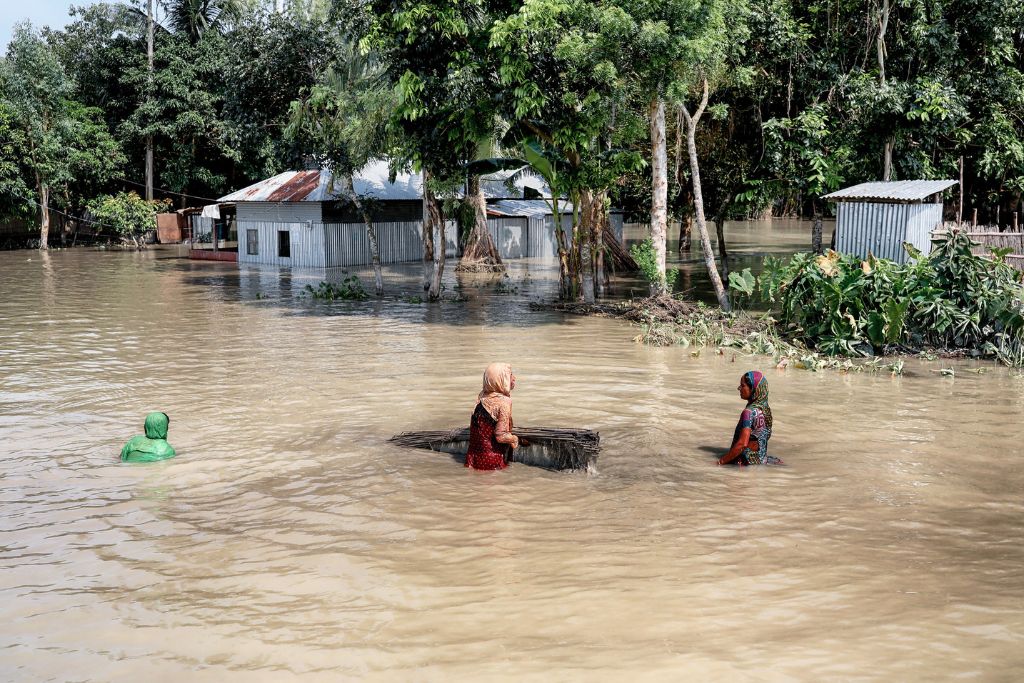
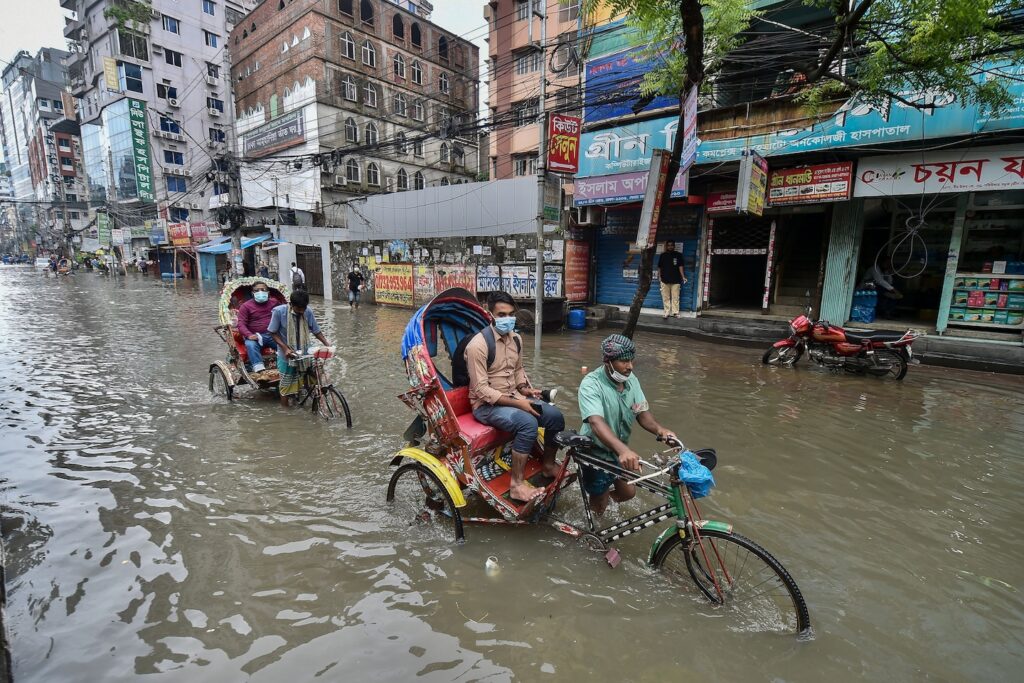
Severe monsoon flooding in Bangladesh has killed at least 71 people, displaced thousands, and prompted UNICEF to warn that climate‑driven disasters are becoming more frequent and intense.
Quick Answer
Bangladesh’s 2024 monsoon floods resulted from extreme rainfall combined with rising river levels, sea‑level rise, and inadequate drainage infrastructure. Scientific assessments link these factors to a warming climate that intensifies precipitation patterns. The floods caused over 70 deaths, widespread displacement, heightened disease risk, and severe damage to agriculture. While the exact contribution of climate change to this single event remains under study, the broader trend of increasing flood frequency in the Bengal Delta is well documented, indicating a growing vulnerability that requires urgent adaptation measures.
Key Takeaways
- Bangladesh’s low‑lying topography makes it highly susceptible to monsoon‑related flooding.
- Extreme rainfall in 2024 exceeded historical averages, a pattern consistent with IPCC projections for a warming world.
- UNICEF highlights amplified risks for children, including loss of schooling, nutrition, and health services.
- Adaptation strategies—early warning systems, flood‑resilient housing, and ecosystem‑based approaches—are critical to reduce future loss.
- International climate finance and technology transfer are essential to support Bangladesh’s long‑term resilience.
What Is Bangladesh Floods Leave 71 Dead as UNICEF Warns of Unprecedented Climate Challenges?
The phrase refers to the 2024 monsoon flooding event that struck Bangladesh’s northern and central districts, causing at least 71 confirmed fatalities and prompting UNICEF to issue a public alert about the escalating climate threat. The event is part of a recurring seasonal flood cycle, but its intensity, duration, and human toll exceed typical historical records. Understanding this phenomenon requires examining the region’s geography, climate dynamics, and socio‑economic conditions.
How Does It Work?
Physical Drivers
- Monsoon Moisture Surge: Warm Indian Ocean waters increase atmospheric moisture, leading to heavier rainfalls during the South Asian summer monsoon.
- Riverine Overflow: The Ganges, Brahmaputra, and Meghna rivers swell beyond capacity, spilling onto the flat delta.
- Sea‑Level Rise: Global sea‑level rise, estimated at 3.3 mm per year by the IPCC (2021), reduces the gradient that normally drains river water to the Bay of Bengal, slowing discharge.
- Land‑Use Change: Deforestation and unplanned urban expansion diminish natural floodplains that once absorbed excess water.
Human and Institutional Factors
- Limited drainage infrastructure in rapidly growing peri‑urban areas.
- Inadequate enforcement of building codes in flood‑prone zones.
- Socio‑economic vulnerability: high poverty rates limit households’ capacity to relocate or reinforce homes.
What Does the Evidence Show?
Long‑term monitoring by the Bangladesh Meteorological Department indicates a 15 % rise in average monsoon precipitation over the past three decades (BMDC, 2022). The Intergovernmental Panel on Climate Change (IPCC) attributes increased extreme precipitation in South Asia to higher atmospheric water‑holding capacity under warming conditions. Attribution studies using climate models (e.g., the World Weather Attribution project, 2023) estimate that the probability of a flood of this magnitude has roughly doubled compared with the pre‑industrial baseline. Historical flood records show that fatality counts have declined overall due to improved warning systems, but the 2024 event reversed that trend because of unprecedented water volumes and delayed evacuations.
Main Causes or Drivers
Direct Causes
- Extreme rainfall exceeding 300 mm in some districts over a 48‑hour period (Bangladesh Flood Forecasting Centre, July 2024).
- River discharge peaks reaching 10,000 m³ s⁻¹, surpassing the capacity of existing embankments.
Underlying Drivers
- Global climate change increasing atmospheric moisture and altering monsoon dynamics.
- Sea‑level rise reducing river‑to‑sea gradient.
- Land‑use conversion that diminishes natural flood buffers.
Environmental and Human Impacts
Environmental Impacts
- Inundation of wetlands leads to loss of biodiversity, particularly for migratory waterbirds.
- Soil erosion and sediment deposition alter agricultural land quality.
- Freshwater salinization in coastal zones threatens rice paddies.
Human Health and Social Impacts
- Water‑borne diseases such as cholera and diarrheal illness rise sharply; UNICEF reports a 30 % increase in reported cases within two weeks of flooding.
- Displacement of over 200,000 people creates temporary shelters with limited sanitation.
- Children lose access to schools; UNICEF estimates 150,000 students missed at least one week of instruction.
Economic and Infrastructure Impacts
- Damage to road networks exceeds US$200 million (Bangladesh Ministry of Disaster Management, 2024).
- Crop losses in affected districts projected at 12 % of annual rice production.
- Small‑scale fisheries suffer from habitat disruption, affecting livelihoods of thousands.
Regional Differences
While northern districts experienced the highest riverine overflow, coastal south‑central areas faced compounded effects from storm surges and saline intrusion. Urban centers like Dhaka saw flash flooding due to inadequate drainage, whereas rural communities relied more on embankments that failed in several locations. These geographic variations shape the type and severity of impacts, highlighting the need for location‑specific adaptation plans.
What Scientists Know With High Confidence
- Global warming increases the atmosphere’s capacity to hold moisture, leading to more intense rainfall events.
- The Bengal Delta is one of the world’s most flood‑prone regions because of its low elevation and dense river network.
- Sea‑level rise directly reduces river discharge efficiency, contributing to higher flood risk.
- Early warning systems and community‑based preparedness reduce mortality during floods.
What Remains Uncertain
Attribution of any single flood event to climate change remains probabilistic; model uncertainties and limited observational data for extreme events create a range of possible contributions. The effectiveness of large‑scale structural solutions (e.g., high embankments) under future climate scenarios is still debated, as they may exacerbate downstream flooding. Additionally, the long‑term socio‑economic trajectories of vulnerable populations—especially migration patterns—are insufficiently quantified.
Common Misconceptions
Misconception: The floods are solely a natural monsoon phenomenon.
Reality: While monsoons are natural, climate change amplifies their intensity and duration, and human land‑use changes reduce natural flood buffers.
Misconception: All Bangladesh residents are equally vulnerable.
Reality: Vulnerability varies with poverty level, housing quality, access to information, and geographic location; urban poor and river‑bank communities face higher risks.
Misconception: Building higher embankments solves the flood problem.
Reality: Embankments can protect specific areas but may shift water pressure downstream, increasing risk elsewhere and can fail under extreme loads.
Solutions and Limitations
- Early Warning and Community Preparedness: Proven to save lives, yet requires sustained funding and reliable communication networks.
- Ecosystem‑Based Adaptation (e.g., mangrove restoration): Enhances natural flood attenuation, but restoration takes years and may conflict with land‑use demands.
- Flood‑Resilient Housing: Elevated structures reduce damage, but higher construction costs limit adoption among the poorest.
- Improved Drainage and Urban Planning: Can mitigate flash floods, yet retrofitting existing dense settlements is technically challenging and expensive.
- International Climate Finance: Provides resources for large‑scale projects, but disbursement delays and governance issues can reduce effectiveness.
What Individuals, Communities, and Governments Can Do
What Individuals Can Do
- Support reputable NGOs that fund flood‑resilient housing or mangrove projects.
- Participate in local disaster‑risk training and share early‑warning information with neighbors.
- Adopt water‑conserving practices to reduce pressure on local water resources.
What Communities and Organizations Can Do
- Develop community‑managed evacuation routes and safe‑zone maps.
- Implement low‑cost flood barriers (e.g., sandbag systems) and maintain them annually.
- Promote diversified livelihoods to reduce dependence on flood‑sensitive agriculture.
What Governments Can Do
- Invest in nationwide, real‑time river‑level monitoring and SMS alert systems.
- Enforce land‑use zoning that restricts construction on high‑risk floodplains.
- Allocate climate‑finance funds transparently for ecosystem restoration and resilient infrastructure.
- Integrate climate risk assessments into all development planning.
What Businesses and Industries Can Do
- Adopt flood‑risk assessments for supply‑chain sites and invest in protective measures.
- Support employee safety programs that include flood preparedness training.
- Finance or partner on community adaptation projects as part of corporate social responsibility.
Closing Synthesis
The 2024 Bangladesh floods illustrate how a warming climate intensifies traditional monsoon hazards, leading to higher mortality, disease risk, and economic loss. Robust scientific evidence confirms that rising temperatures increase extreme rainfall, while sea‑level rise hampers river drainage. Yet uncertainties remain regarding precise attribution and the optimal mix of structural versus nature‑based solutions. High‑confidence actions—early warning systems, community preparedness, and ecosystem restoration—offer tangible pathways to reduce future harm. Continued international support, transparent climate finance, and locally tailored adaptation plans are essential to protect Bangladesh’s vulnerable populations and preserve the ecological functions of the Bengal Delta.
Frequently Asked Questions
What caused the 2024 Bangladesh floods that killed 71 people?
The floods resulted from extreme monsoon rainfall, swollen Ganges‑Brahmaputra‑Meghna rivers, sea‑level rise, and inadequate drainage, all of which are intensified by a warming climate.
How does climate change increase flood risk in Bangladesh?
Warmer air holds more moisture, leading to heavier rainfall events; sea‑level rise reduces river‑to‑sea gradients, and changing weather patterns make extreme floods more frequent, especially in low‑lying delta regions.
What are the main health impacts of the floods on affected communities?
Floodwaters spread water‑borne diseases like cholera, increase diarrheal illness, disrupt access to health services, and especially affect children, leading to higher morbidity and loss of schooling.
Which adaptation strategies are most effective for reducing future flood damage?
Early warning systems, community‑based evacuation plans, flood‑resilient housing, ecosystem‑based approaches such as mangrove restoration, and improved drainage infrastructure have shown strong potential to lower risk.
What role should the international community play in Bangladesh’s flood resilience?
International partners can provide climate‑finance, technical assistance for resilient infrastructure, support ecosystem restoration, and ensure transparent funding mechanisms to help Bangladesh implement long‑term adaptation measures.




Leave a Comment