
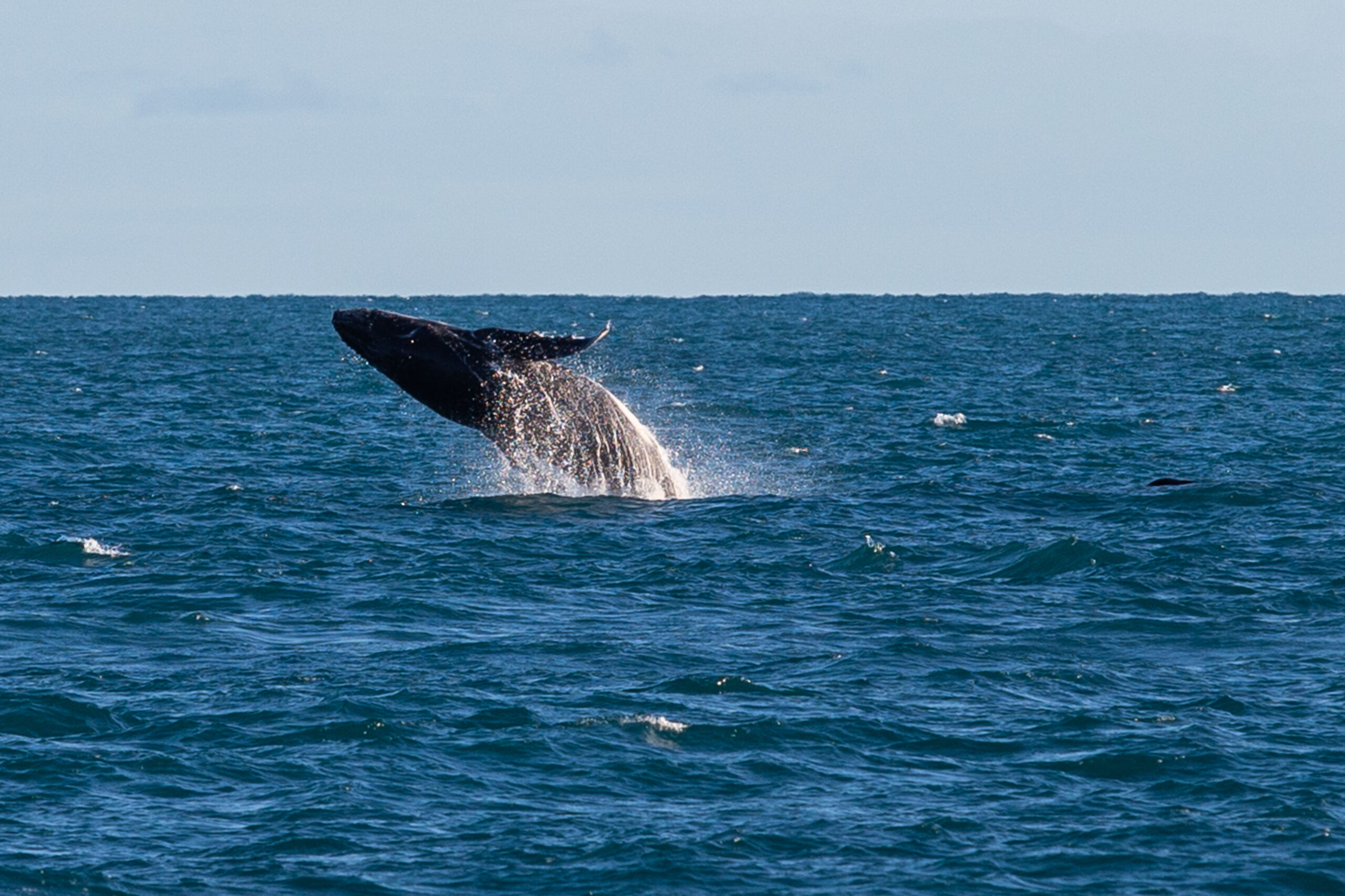
Australia is increasing the size and number of its marine protected areas (MPAs) to safeguard ocean biodiversity, strengthen ecosystem resilience, and support sustainable coastal communities.
Quick Answer
Australia’s recent expansion of marine protected areas designates additional zones where fishing, mining, and other extractive activities are limited or prohibited, allowing habitats such as coral reefs, seagrass beds, and deep‑sea ecosystems to recover. Scientific assessments show that well‑managed MPAs can increase biomass, restore species interactions, and enhance fisheries yields in adjacent waters. While the ecological benefits are robust, uncertainties remain about long‑term compliance, climate‑driven changes, and socioeconomic trade‑offs for affected stakeholders.
Key Takeaways
- Australia now protects over 30% of its Exclusive Economic Zone, moving toward the global 30‑by‑30 target.
- MPAs improve biodiversity, increase fish size and abundance, and can boost catches outside their borders.
- Effective protection requires monitoring, enforcement, and engagement with Indigenous and fishing communities.
- Climate change, ocean acidification, and illegal fishing are major uncertainties that may limit outcomes.
- Individual, community, and government actions all play roles in sustaining the gains from MPAs.
What Is Australia Expands Marine Protected Areas to Safeguard Ocean Biodiversity?
The phrase refers to the Australian Government’s policy decision, announced in 2023, to increase the area of its marine protected network. An MPA is a legally defined marine space where human activities are managed to achieve long‑term conservation of nature and associated ecosystem services. In Australia, MPAs cover coral reefs, temperate kelp forests, mangroves, and offshore seamounts within the nation’s 10,000 km coastline and the surrounding Exclusive Economic Zone (EEZ). The expansion differs from general fisheries management because it emphasizes habitat protection, not just stock quotas.
How Does It Work?
1. Designation of Zones
Scientists and managers identify areas of high ecological value using biodiversity surveys, habitat maps, and species distribution models. Zones are then classified as:
- No‑take zones: all extractive activities prohibited.
- Multiple‑use zones: limited activities such as low‑impact tourism allowed.
- Indigenous‑managed zones: co‑governed with Aboriginal and Torres Strait Islander peoples, integrating traditional ecological knowledge.
2. Legal Framework and Enforcement
Each zone is enacted through the Environment Protection and Biodiversity Conservation Act (EPBC Act) and the Fisheries Management Act. Enforcement relies on satellite‑based vessel monitoring systems, patrol vessels, and community reporting mechanisms.
3. Ecological Response
When pressures are reduced, key processes such as recruitment, spawning aggregation, and habitat formation can resume. Over time, this leads to higher species richness, larger average body size, and restored trophic interactions, which are documented in long‑term monitoring programs run by the Commonwealth Scientific and Industrial Research Organisation (CSIRO) and the Australian Institute of Marine Science (AIMS).
What Does the Evidence Show?
Multiple lines of evidence support the effectiveness of MPAs:
- Long‑term monitoring: A 20‑year study of the Great Barrier Reef Marine Park showed a 30% increase in fish biomass inside well‑enforced no‑take zones (AIMS, 2022).
- Meta‑analyses: A systematic review of 124 global MPAs found that, on average, protected sites have 2‑3 times higher abundance of target species compared with unprotected sites (Marine Conservation Institute, 2021).
- Socio‑economic research: Studies in New South Wales reported a 15% rise in commercial catch per unit effort in waters adjacent to MPAs, a “spill‑over” effect that benefits fisheries (University of Sydney, 2020).
These findings are classified as strong evidence because they combine experimental controls, long‑term data, and replication across regions.
Main Causes or Drivers
Direct Causes of Biodiversity Loss
Overfishing, coastal development, and bottom‑trawling directly remove organisms and damage habitats. Pollution from agricultural runoff introduces excess nutrients, leading to harmful algal blooms and hypoxia.
Underlying Drivers
Economic incentives for short‑term catch, insufficient regulatory capacity, and limited awareness of marine ecosystem services drive the direct pressures. Climate change amplifies stress through rising sea temperatures, ocean acidification, and more frequent extreme weather events.
Environmental and Human Impacts
Environmental Impacts
Protected habitats support higher biodiversity, which in turn enhances ecosystem services such as carbon sequestration by seagrasses and coastal protection by reefs. Restored fish populations can regulate algal growth, improving water quality.
Human Health and Social Impacts
Coastal communities rely on marine resources for food security and cultural identity. Healthier ecosystems can improve nutrition by providing more sustainable seafood and reduce exposure to harmful algal toxins.
Economic and Infrastructure Impacts
While some fishers may face short‑term access restrictions, the longer‑term spill‑over effect can increase revenue. Tourism operators benefit from richer reef experiences, which can offset potential losses in extractive sectors.
Regional Differences
Australia’s marine zones are diverse:
- Tropical north (e.g., Torres Strait): High coral diversity, strong cultural ties to Indigenous peoples; climate‑induced bleaching is a major risk.
- Temperate south (e.g., Victoria): Kelp forests dominate; over‑grazing by sea urchins is a key local pressure.
- Deep‑sea offshore (e.g., Commonwealth waters): Limited data, but MPAs aim to protect unique benthic communities and potential mineral resources.
Monitoring capacity varies, with the Great Barrier Reef having the most extensive data network, while remote offshore areas rely on satellite and occasional research cruises.
What Scientists Know With High Confidence
- Well‑enforced no‑take MPAs increase biomass, species richness, and average organism size.
- Spill‑over benefits adjacent fisheries, improving catch rates when protection is sustained for at least five years.
- MPAs contribute to climate resilience by preserving carbon‑sequestering habitats such as seagrass meadows.
- Indigenous co‑management improves compliance and integrates valuable traditional knowledge.
What Remains Uncertain
Key uncertainties include the magnitude of climate‑change impacts on protected habitats, the effectiveness of enforcement in remote offshore zones, and the socioeconomic outcomes for small‑scale fishers over the next decade. Improved long‑term monitoring and adaptive management frameworks are needed to reduce these knowledge gaps.
Common Misconceptions
Misconception: MPAs stop all fishing and therefore hurt the economy.
Reality: Only a portion of each MPA is designated as no‑take; many zones allow sustainable tourism and low‑impact activities. Evidence shows that well‑managed MPAs can boost catches in surrounding areas, offsetting short‑term restrictions.
Misconception: MPAs are a cure‑all for ocean decline.
Reality: MPAs address local pressures but cannot alone counteract global stressors such as ocean warming and acidification. Integrated climate mitigation remains essential.
Misconception: Marine life will recover instantly once protection is in place.
Reality: Ecological recovery often takes years to decades, especially for long‑lived species and slow‑growing habitats like coral.
Solutions and Limitations
Effective conservation combines several strategies:
- Prevention: Reducing pollutant runoff through better land‑use practices limits eutrophication, but requires coordination across agricultural sectors.
- Mitigation: Global greenhouse‑gas reductions are needed to curb temperature‑driven bleaching; however, mitigation is a long‑term, multilateral effort.
- Adaptation: Restoring degraded habitats (e.g., coral gardening) can increase resilience, yet success rates vary and are cost‑intensive.
- Regulation: Strong enforcement of MPA boundaries improves outcomes, but surveillance costs can be high for remote areas.
- Monitoring: Continuous scientific monitoring informs adaptive management, but funding instability can limit data continuity.
Each solution carries trade‑offs: for example, stricter fishing limits may face political resistance, while habitat restoration may shift resources away from other urgent needs.
What Individuals, Communities, and Governments Can Do
What Individuals Can Do
Choose sustainably sourced seafood certified by reputable programs, support NGOs that fund marine monitoring, and advocate for stronger marine policies through voting and public comment.
What Communities and Organizations Can Do
Engage in citizen‑science programs that record reef health, develop local stewardship plans with Indigenous groups, and promote eco‑tourism that respects MPA rules.
What Governments Can Do
Allocate sufficient budget for enforcement and scientific research, integrate traditional ecological knowledge into MPA design, and align national climate targets with marine conservation objectives.
What Businesses and Industries Can Do
Adopt best‑practice waste‑management to reduce marine litter, invest in low‑impact fishing gear, and disclose supply‑chain impacts on marine ecosystems.
Synthesis
Australia’s expansion of marine protected areas represents a science‑backed approach to preserving ocean biodiversity, enhancing fisheries productivity, and bolstering climate resilience. High‑confidence research confirms ecological gains when protection is enforced, yet uncertainties about climate impacts and socioeconomic equity persist. By combining protected‑area networks with broader climate action, pollution reduction, and inclusive governance, Australia can maintain its “blue heart” for future generations.
Frequently Asked Questions
What is a marine protected area (MPA) in Australia?
A marine protected area is a legally designated zone where human activities such as fishing or mining are limited to protect marine ecosystems and biodiversity. In Australia, MPAs are established under the EPBC Act and can include no‑take, multiple‑use, and Indigenous‑managed zones.
How do MPAs improve fish stocks outside their boundaries?
MPAs allow fish populations to grow and mature within protected zones, creating a spill‑over effect where adult fish move into adjacent waters. Studies in New South Wales have shown a 15% increase in catch per unit effort in nearby fisheries after MPAs were established.
What are the main threats that MPAs cannot address alone?
MPAs reduce local pressures like overfishing and habitat damage, but they cannot fully counteract global stressors such as ocean warming, acidification, and sea‑level rise. Climate mitigation and broader pollution controls are needed alongside MPAs.
How are Indigenous peoples involved in Australia’s MPA network?
Indigenous peoples co‑manage several marine zones, integrating traditional ecological knowledge with scientific monitoring. This partnership improves compliance, respects cultural values, and enhances the ecological effectiveness of protected areas.
What actions can individuals take to support Australia’s marine protection goals?
Individuals can choose sustainably sourced seafood, support citizen‑science monitoring projects, and advocate for stronger marine policies through voting, public comment, and supporting NGOs that work on marine conservation.






Leave a Comment