
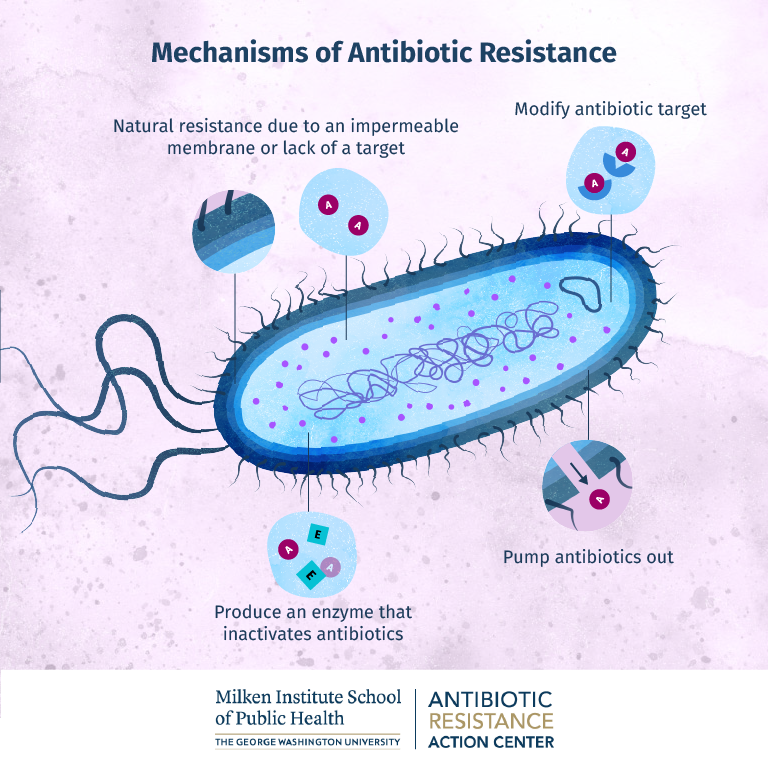
Antibiotic resistance is a global crisis in which bacteria evolve to survive drug treatments, driven by environmental contamination, agricultural practices, and clinical misuse, threatening both ecological integrity and human health.
Quick Answer
Antibiotic resistance occurs when bacteria acquire mechanisms that neutralise or evade the effects of antibiotics, allowing infections to persist despite treatment. The process is accelerated by the release of antibiotic residues and resistant microbes into soil, water, and air from farms, pharmaceutical factories, and healthcare facilities. Strong scientific consensus indicates that resistant infections now cause an estimated 700,000 deaths worldwide each year, a figure projected to rise sharply if current trends continue. While uncertainties remain about the exact future burden in specific regions, the evidence is clear that environmental pathways are a key driver of the problem.
Key Takeaways
- Antibiotic resistance emerges when bacteria mutate or acquire genes that neutralise drug action.
- Environmental release of antibiotics from agriculture, manufacturing, and waste streams creates hotspots for resistance development.
- Resistant infections increase treatment costs, hospital stays, and mortality worldwide.
- High‑confidence findings include the link between agricultural antibiotic use and resistant pathogens in humans.
- Effective solutions combine stewardship, improved waste treatment, surveillance, and alternative therapies, but each has trade‑offs.
What Is Antibiotic Resistance: An Environmental and Human Health Emergency?
Antibiotic resistance refers to the ability of bacterial populations to survive exposure to drugs that would normally kill them or stop their growth. This phenomenon is not limited to clinical settings; it spans ecosystems where antibiotics enter the environment as pollutants. The emergency aspect stems from the convergence of three factors: (1) the rapid spread of resistant genes across species, (2) the reduction in effective treatment options for common infections, and (3) the feedback loop where environmental reservoirs re‑introduce resistant microbes to humans and animals.
How Does It Work?
1. Selection Pressure in Natural and Human‑Modified Environments
When antibiotics are present, susceptible bacteria die, while those with resistance mechanisms survive and multiply. This selection pressure occurs in hospitals, livestock barns, and even in rivers receiving pharmaceutical effluent.
2. Gene Transfer Between Bacteria
Resistant bacteria can share resistance genes through horizontal gene transfer mechanisms such as conjugation (plasmid exchange), transformation (uptake of free DNA), and transduction (viral‑mediated transfer). These processes enable rapid spread across diverse bacterial species.
3. Environmental Reservoirs and Dissemination
Soil and water act as reservoirs where resistant bacteria and resistance genes (the resistome) accumulate. Runoff from farms, discharge from wastewater treatment plants, and leakage from pharmaceutical factories move these reservoirs into downstream ecosystems and ultimately into drinking water supplies.
4. Human Exposure Pathways
People encounter resistant bacteria through consumption of contaminated food, direct contact with livestock, recreational water use, or medical procedures. Once colonised, resistant bacteria can cause infections that are harder to treat.
What Does the Evidence Show?
Multiple lines of evidence converge on the role of environmental contamination in driving resistance. Long‑term monitoring by the World Health Organization (WHO) and the European Centre for Disease Prevention and Control (ECDC) documents rising rates of multidrug‑resistant infections in both hospital and community settings. Systematic reviews of agricultural studies, such as those compiled by the Food and Agriculture Organization (FAO) in 2022, demonstrate a statistically significant association between the use of antibiotics as growth promoters and the detection of resistant *Enterobacteriaceae* in meat products. Field investigations in India and China have measured antibiotic concentrations up to 10 µg L⁻¹ in river water downstream of pharmaceutical plants, levels that exceed the minimum selective concentrations for many bacteria, fostering resistance development (UNEP, 2021). Together, these observations provide moderate to strong evidence that environmental pathways are a critical component of the resistance crisis.
Main Causes or Drivers
Direct Causes
- Excessive use of antibiotics in human medicine, often for viral infections where they provide no benefit.
- Routine administration of antibiotics to livestock for disease prevention and growth promotion.
- Discharge of untreated or partially treated pharmaceutical waste into waterways.
Underlying Drivers
- Economic incentives that reward high‑yield animal production.
- Limited regulatory capacity in many low‑ and middle‑income countries to enforce waste‑water standards.
- Consumer demand for cheap animal protein, reinforcing intensive farming practices.
Amplifying Factors
- Global trade of food products spreads resistant strains across borders.
- Climate‑induced changes in water availability can concentrate pollutants, intensifying selection pressure.
- Urbanisation increases the load on municipal wastewater systems, often beyond their design capacity.
Environmental and Human Impacts
Environmental Impacts
Antibiotic residues alter microbial community composition in soils, reducing biodiversity and impairing nutrient cycling. In aquatic ecosystems, resistant bacteria can outcompete native microbes, potentially disrupting food webs. Moreover, the presence of antibiotics can select for resistance genes in non‑pathogenic bacteria, expanding the environmental resistome.
Human Health and Social Impacts
Resistant infections lead to longer hospital stays, higher medical costs, and increased mortality. The WHO estimates that by 2050, antimicrobial resistance could cause 10 million deaths annually if unchecked. Vulnerable groups—including infants, the elderly, and immunocompromised patients—face the greatest risk. Socio‑economically, low‑income regions may experience disproportionate burdens due to limited access to newer antibiotics and weaker health‑care infrastructure.
Economic and Infrastructure Impacts
Healthcare systems incur additional expenses from expensive second‑line drugs and infection control measures. Agricultural sectors may lose market access if export standards for antibiotic residues tighten, prompting costly changes in production practices.
Regional Differences
Europe has implemented strict regulations limiting non‑therapeutic antibiotic use in livestock, resulting in measurable declines in certain resistant strains (ECDC, 2023). In contrast, parts of South Asia continue to use antibiotics liberally in both human and animal sectors, with studies reporting high prevalence of carbapenem‑resistant *Klebsiella* in community settings. North‑American wastewater treatment plants often lack advanced tertiary processes needed to remove trace pharmaceuticals, leading to detectable antibiotic residues in downstream rivers. These variations illustrate how governance, economic capacity, and infrastructure shape the magnitude of resistance hotspots.
What Scientists Know With High Confidence
- Antibiotic use creates selective pressure that drives the evolution of resistance.
- Horizontal gene transfer enables rapid spread of resistance genes across bacterial species.
- Environmental release of antibiotics from agriculture and industry contributes to the global resistome.
- Resistant infections are associated with higher morbidity, mortality, and healthcare costs.
What Remains Uncertain
Key uncertainties include the quantitative contribution of low‑level environmental residues to clinical resistance compared with direct clinical misuse, and the long‑term effectiveness of emerging alternatives such as phage therapy under real‑world conditions. Additionally, the impact of climate‑driven changes in water flow on the distribution of resistance genes remains an active research area.
Common Misconceptions
Misconception: Antibiotic resistance is only a hospital problem.
Reality: While hospitals are important hotspots, the environment—especially agricultural runoff and wastewater—plays a crucial role in generating and disseminating resistant bacteria.
Misconception: All antibiotic residues in the environment are harmless because concentrations are low.
Reality: Even sub‑inhibitory concentrations can select for resistance, a phenomenon demonstrated in laboratory and field studies.
Misconception: New antibiotics will simply replace those that fail.
Reality: The pipeline for novel antibiotics is limited, and new drugs quickly become compromised without coordinated stewardship.
Misconception: Stopping antibiotic use in livestock will eliminate resistance.
Reality: Reducing use lowers selection pressure, but existing environmental reservoirs and cross‑sector transmission mean resistance persists unless broader measures are taken.
Misconception: Personal hygiene has no impact on resistance.
Reality: Proper handwashing, safe food handling, and responsible medication disposal reduce exposure to resistant microbes and limit spread.
Solutions and Limitations
Effective response requires a suite of interventions, each with benefits and trade‑offs.
- Antibiotic Stewardship in Healthcare: Guidelines and decision‑support tools reduce unnecessary prescriptions. Limitation: Requires sustained clinician training and patient education.
- Regulating Agricultural Use: Banning growth‑promoter antibiotics (as done in the EU) cuts a major source of environmental residues. Limitation: May increase production costs and require alternative husbandry practices.
- Improved Wastewater Treatment: Advanced oxidation or membrane filtration can remove pharmaceutical compounds. Limitation: High capital costs and energy demand may be prohibitive for low‑income municipalities.
- Surveillance Networks: Integrated One Health monitoring of resistance in humans, animals, and the environment enables early detection. Limitation: Data sharing across sectors and countries is often fragmented.
- Research into Alternatives: Phage therapy, antimicrobial peptides, and CRISPR‑based gene editing show promise. Limitation: Regulatory pathways and large‑scale manufacturing are still under development.
What Individuals, Communities, and Governments Can Do
What Individuals Can Do
- Follow prescribed antibiotic courses exactly; never use leftovers or share medication.
- Dispose of unused antibiotics at take‑back programs or according to local pharmacy guidelines.
- Choose meat products certified as raised without routine antibiotic use when possible.
- Practice good hygiene—handwashing, safe food preparation—to reduce infection risk.
What Communities and Organizations Can Do
- Implement local stewardship programs in clinics and veterinary practices.
- Support community composting projects that test for antibiotic residues before land application.
- Partner with schools to educate students about responsible antibiotic use.
What Governments Can Do
- Enact and enforce regulations limiting non‑therapeutic antibiotic use in agriculture.
- Invest in upgrading municipal wastewater treatment to tertiary processes capable of removing pharmaceuticals.
- Fund national One Health surveillance systems that integrate human, animal, and environmental data.
- Provide incentives for research and commercial development of novel antimicrobials and alternatives.
What Businesses and Industries Can Do
- Adopt best‑available technologies to treat effluents before discharge.
- Report antibiotic sales and usage transparently to national authorities.
- Explore feed additives such as probiotics or prebiotics that reduce the need for growth‑promoting antibiotics.
Moving Forward
Antibiotic resistance intertwines microbial evolution with human activity, creating a feedback loop that threatens both ecosystem health and medical progress. High‑confidence evidence confirms that environmental contamination amplifies the problem, while uncertainties remain about the precise magnitude of each pathway. A balanced portfolio of stewardship, regulation, technological upgrade, and innovative research—implemented with attention to equity and feasibility—offers the most realistic path to curbing the spread of resistance and preserving the efficacy of life‑saving medicines for future generations.
Frequently Asked Questions
What is antibiotic resistance and why is it considered an emergency?
Antibiotic resistance is the ability of bacteria to survive drugs that normally kill them. It is an emergency because resistant infections cause higher mortality, longer hospital stays, and threaten the effectiveness of modern medicine worldwide.
How do antibiotics enter the environment?
Antibiotics enter the environment through agricultural runoff, discharge from pharmaceutical manufacturing, and incomplete removal in wastewater treatment plants, leading to contaminated soil and water that select for resistant bacteria.
Which sectors contribute most to the spread of resistance?
Healthcare prescribing, livestock production that uses antibiotics for growth, and industrial effluents are the primary sectors that release antibiotics and resistant microbes into the environment, creating hotspots for resistance development.
What are the most effective actions governments can take?
Governments can enforce bans on non‑therapeutic antibiotic use in agriculture, upgrade wastewater treatment to remove pharmaceutical residues, fund One Health surveillance, and incentivise research into new antimicrobials and alternatives.
Can individuals help reduce antibiotic resistance?
Yes. Individuals can complete prescribed courses, avoid using leftover antibiotics, dispose of unused drugs at take‑back programs, choose responsibly raised meat, and practice good hygiene to lower infection risk.








Leave a Comment