
Around 13% of deaths in the European Union are linked to pollution, a figure that reflects the combined impact of air and water contaminants on public health and underscores the need for coordinated policy action.
Quick Answer
The European Environment Agency (EEA) estimated in 2022 that roughly 13% of all deaths in the EU are associated with exposure to ambient air pollutants and contaminated water. The estimate is based on epidemiological studies that relate long‑term exposure to fine particulate matter (PM2.5), nitrogen oxides, ozone and hazardous chemicals with increased risk of cardiovascular disease, respiratory illness and certain cancers. While the association is strong, the exact share of mortality varies by country, age group and pollutant mix, and the figure represents a statistical attribution rather than a direct cause‑and‑effect count.
Key Takeaways
- About one in eight EU deaths (13%) can be statistically linked to pollution exposure.
- Fine particulate matter (PM2.5) and nitrogen oxides are the primary air pollutants driving premature mortality.
- Vulnerable groups—children, the elderly and people with pre‑existing heart or lung disease—bear the greatest burden.
- Both fossil‑fuel combustion and agricultural runoff are major drivers of the pollutant mix.
- Evidence‑based policies, cleaner technologies and targeted public‑health measures can reduce the health burden.
What Is 13% of Deaths in the EU Linked to Pollution Study Finds?
The statistic originates from a comprehensive assessment by the European Environment Agency that combined air‑quality monitoring data (2015‑2019) with population health records. The term refers to the proportion of all registered deaths that statistical models attribute, at least partially, to long‑term exposure to harmful pollutants in the environment. It does not imply that pollution directly caused each death, but that the risk of dying was increased compared with a hypothetical scenario of clean air and water.
How Does It Work?
1. Air‑pollutant exposure pathway
People inhale airborne particles and gases while breathing. Fine particles (PM2.5) can penetrate deep into the lungs, enter the bloodstream, and trigger inflammation. Chronic inflammation is a recognized risk factor for atherosclerosis, heart attacks, strokes and lung cancer. Gases such as nitrogen dioxide (NO₂) and ozone (O₃) irritate airway tissues, worsening asthma and chronic obstructive pulmonary disease (COPD).
2. Water‑contaminant exposure pathway
Contaminated drinking water can contain heavy metals (lead, mercury), nitrates from fertilizer runoff, and industrial chemicals. Ingested toxins affect kidney function, raise blood pressure and increase cancer risk. While water‑related mortality is smaller than air‑related mortality, it contributes to the overall attribution figure.
3. Cumulative and synergistic effects
Individuals are rarely exposed to a single pollutant. Combined exposure to air and water contaminants can amplify health impacts, especially in urban areas where traffic emissions coincide with polluted runoff. The statistical models used by the EEA account for these overlapping risk factors.
What Does the Evidence Show?
Multiple lines of evidence converge on the same conclusion:
- Long‑term monitoring: EU air‑quality networks report average PM2.5 concentrations of 15–20 µg m⁻³ in many cities, exceeding the World Health Organization’s 2021 guideline of 5 µg m⁻³.
- Epidemiological meta‑analyses: A 2020 systematic review in the European Heart Journal linked each 10 µg m⁻³ increase in PM2.5 to a 6% rise in all‑cause mortality across European cohorts.
- Attribution modelling: The EEA’s integrated assessment combined exposure‑response functions with demographic data, arriving at the 13% figure for the 2015‑2019 period.
- Health‑record linkage: Studies that match hospital admissions with local pollutant levels find consistent spikes in cardiovascular events on high‑pollution days.
Overall, the evidence is classified as strong for air‑pollutant mortality and moderate for water‑related mortality, reflecting more limited long‑term exposure data for the latter.
Main Causes or Drivers
Fossil‑fuel combustion
Coal, oil and natural‑gas power plants emit large quantities of PM2.5, sulphur dioxide (SO₂) and NOₓ. Despite EU decarbonisation targets, the energy sector still accounts for about 40% of total anthropogenic emissions.
Industrial processes
Metal smelting, chemical manufacturing and cement production release heavy metals and volatile organic compounds that contribute to both air and water pollution.
Agricultural practices
Intensive livestock farming and synthetic fertilizer use generate ammonia (NH₃) and nitrate runoff, which form secondary particulate matter and contaminate waterways.
Urban traffic
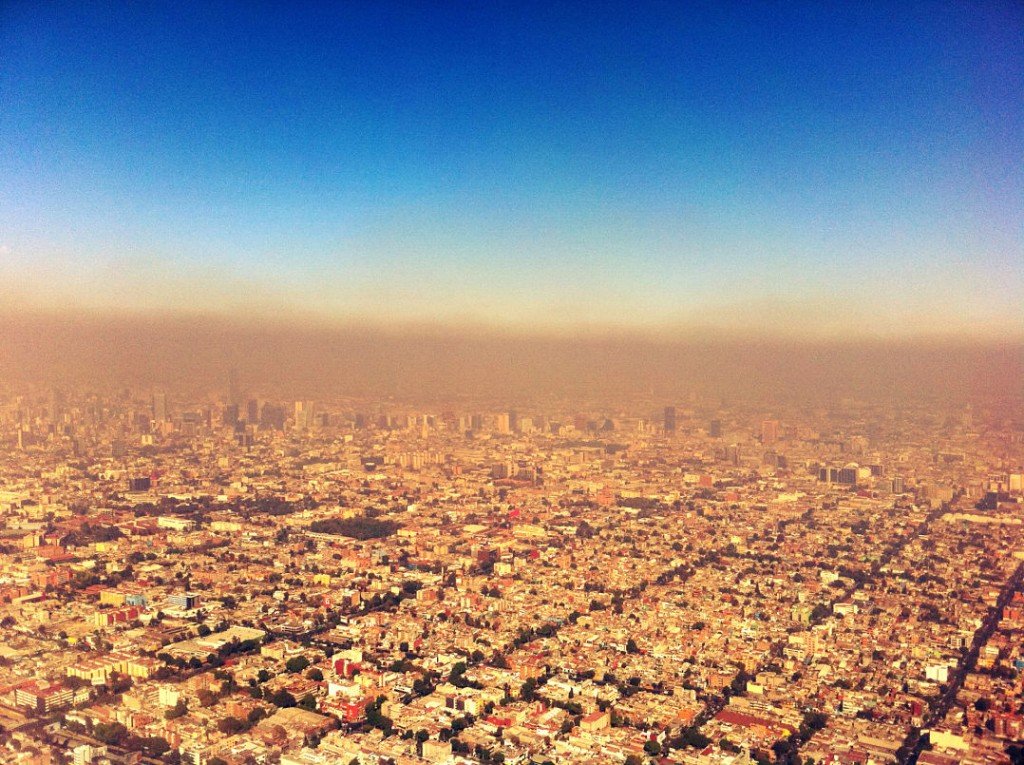
Road transport is the dominant source of NO₂ and ultrafine particles in cities. Congestion peaks raise exposure for commuters and nearby residents.
Waste‑management failures
Improper landfill leachate and plastic litter release micro‑plastics and chemical leachates into soil and water, adding to the overall pollutant burden.
Environmental and Human Impacts
Environmental Impacts
Air pollutants contribute to acid rain, which damages forests and freshwater ecosystems. Particulate matter also influences cloud formation, affecting regional climate patterns.
Human Health and Social Impacts
Pollution‑related deaths are most common from cardiovascular disease, stroke, COPD, lung cancer and lower‑respiratory infections. Children exposed to high PM2.5 levels show reduced lung growth, while the elderly experience accelerated cognitive decline. Socio‑economically disadvantaged groups often live in more polluted neighborhoods, amplifying health inequities.
Economic and Infrastructure Impacts
The European Commission estimates that pollution‑related health costs exceed €400 billion per year, including medical expenses and lost productivity. Air‑quality breaches also trigger regulatory fines and require costly retrofits for industry.
Regional Differences
Exposure levels and attributable mortality vary across the EU:
- Eastern Europe – Higher reliance on coal power leads to PM2.5 concentrations up to 30 µg m⁻³, translating into an estimated 16% mortality attribution.
- Southern Europe – Heat‑related ozone formation adds to respiratory risk, especially in urban basins like the Po Valley.
- Urban vs. rural – City dwellers experience up to three times higher NO₂ exposure than rural residents, while rural populations face greater nitrate‑contaminated water risk.
These patterns reflect differences in energy mix, traffic density, agricultural intensity and regulatory enforcement.
What Scientists Know With High Confidence
- Long‑term exposure to PM2.5 increases the risk of premature death from cardiovascular and respiratory diseases.
- NO₂ and ozone are established irritants that exacerbate asthma and COPD.
- Statistical attribution methods reliably estimate the proportion of deaths linked to ambient pollution at the population level.
- Socio‑economic disparities amplify exposure and health outcomes.
What Remains Uncertain
Key gaps include precise quantification of low‑level chronic exposure effects, the long‑term health impact of emerging contaminants such as micro‑plastics, and the interaction between climate‑driven extreme weather events and pollutant dispersion. Improved monitoring networks and longitudinal cohort studies are needed to reduce these uncertainties.
Common Misconceptions
Misconception: The 13% figure means pollution directly causes 13% of all deaths.
Reality: The statistic reflects statistical attribution – an increased risk compared with a clean‑environment baseline – not a direct cause‑and‑effect count for each individual death.
Misconception: Only outdoor air quality matters for health.
Reality: Indoor air, often polluted by outdoor infiltration and household sources, contributes substantially to total exposure, especially in poorly ventilated homes.
Misconception: Reducing personal car use alone will eliminate the health burden.
Reality: While personal transport choices matter, industrial emissions, energy production and agriculture are larger contributors at the EU scale; systemic policy action is required.
Solutions and Limitations
Effective responses combine prevention, mitigation and adaptation:
- Regulatory limits on PM2.5 and NO₂ have proven to lower ambient concentrations, but strict enforcement can be costly for industry and may face political resistance.
- Renewable‑energy transition reduces fossil‑fuel emissions; however, intermittency and grid‑integration challenges require substantial investment.
- Urban planning that promotes public transport, cycling and green spaces can cut traffic‑related pollutants, yet implementation depends on local governance and funding.
- Advanced emission‑control technologies (e.g., selective catalytic reduction for NOₓ) are technically feasible but may increase operational costs for small enterprises.
- Water‑quality improvements through stricter agricultural runoff regulations lower nitrate levels, but may affect farm profitability without adequate subsidies.
What Individuals, Communities, and Governments Can Do
What Individuals Can Do
• Choose low‑emission transport modes (public transit, cycling, electric vehicles).
• Use air‑purifying indoor plants or mechanical filtration in homes located near busy roads.
• Support local policies that expand green spaces and improve public‑transport networks.
• Reduce use of products that release volatile organic compounds (e.g., certain paints and cleaners).
What Communities and Organizations Can Do
• Conduct neighborhood air‑quality monitoring and share data with local authorities.
• Advocate for stricter industrial emission permits and transparent reporting.
• Implement school‑yard greening projects that both filter air and provide cooling.
What Governments Can Do
• Align national air‑quality standards with WHO 2021 guidelines.
• Accelerate the phase‑out of coal power and provide just‑transition support for affected workers.
• Invest in cross‑border monitoring networks to capture transboundary pollution.
• Offer subsidies for low‑emission agricultural practices and wastewater treatment upgrades.
What Businesses and Industries Can Do
• Adopt best‑available emission‑control technologies.
• Conduct life‑cycle assessments to identify and reduce pollutant hotspots.
• Report environmental performance transparently to stakeholders.
Synthesis
The estimate that 13% of deaths in the EU are linked to pollution reflects a robust body of epidemiological and monitoring evidence, highlighting air‑borne fine particles and nitrogen compounds as principal culprits. While the precise share varies by region and demographic group, the health burden is substantial and disproportionately affects vulnerable populations. High‑confidence findings confirm the causal pathways, whereas uncertainties remain around low‑level chronic exposure and emerging contaminants. Solutions—ranging from stricter regulations and renewable‑energy adoption to community monitoring and individual exposure‑reduction practices—are evidence‑based but face economic, technical and political trade‑offs. Coordinated action across all societal levels offers the most realistic path to lowering pollution‑related mortality in the EU.
Frequently Asked Questions
What does it mean that 13% of EU deaths are linked to pollution?
It means statistical models estimate that about one in eight deaths in the EU occur at a higher risk because of long‑term exposure to air and water pollutants, compared with a scenario of clean air and water.
Which pollutants are responsible for most of the premature deaths in the EU?
Fine particulate matter (PM2.5) and nitrogen oxides (NO₂) are the leading contributors, followed by ozone and certain hazardous chemicals found in contaminated water.
How reliable is the 13% estimate?
The estimate is based on extensive air‑quality monitoring, large‑scale health records and peer‑reviewed epidemiological studies, giving it strong confidence for air‑pollutant mortality and moderate confidence for water‑related mortality.
What health conditions are most affected by pollution exposure?
Pollution increases the risk of cardiovascular disease, stroke, chronic obstructive pulmonary disease, lung cancer and lower‑respiratory infections, with children and the elderly being especially vulnerable.
What actions can individuals take to reduce their exposure to pollution?
Individuals can limit car trips, use public transport or cycle, improve indoor ventilation, install air filters at home, and support local policies that expand green spaces and clean‑energy initiatives.







Leave a Comment