
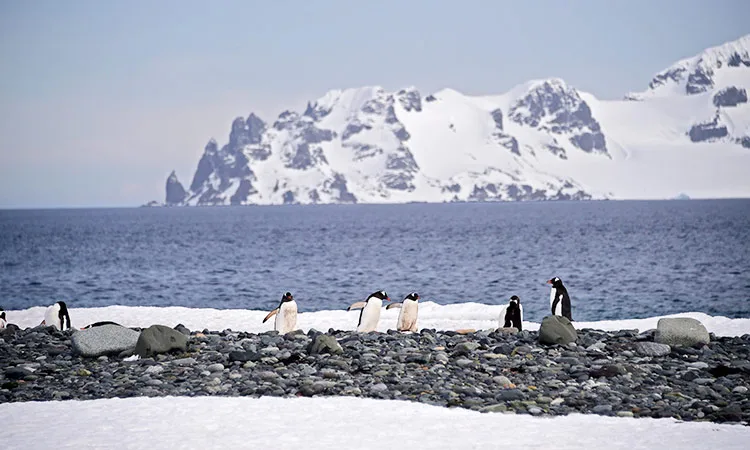
Antarctica heatwaves—unusually high temperature spikes—are a symptom of global warming, driven by oceanic and atmospheric changes that threaten ice stability, sea level, and Antarctic ecosystems.
Quick Answer
A heatwave in Antarctica is a short‑term period when surface temperatures rise far above the seasonal norm, often exceeding 10 °C above average. The main mechanism is the intrusion of warm air masses and ocean currents that have been accelerated by rising greenhouse‑gas concentrations. Evidence from satellite records, weather stations, and climate models shows that such events are becoming more frequent and intense, indicating a broader warming trend. The most important implication is accelerated ice melt, which contributes to global sea‑level rise and disrupts native wildlife. Uncertainty remains about the exact timing of threshold crossings for major ice‑sheet instability.
Key Takeaways
- Antarctic heatwaves are driven by oceanic warming and shifts in atmospheric circulation linked to greenhouse‑gas emissions.
- Long‑term monitoring shows a statistically significant increase in extreme temperature events since the late 20th century.
- Ice‑sheet melt from warm ocean water threatens global sea level and coastal communities.
- Wildlife such as penguins and krill are already experiencing habitat stress.
- Mitigation of greenhouse gases and targeted adaptation measures are needed to limit future impacts.
What Is Antarctica Heatwave: How Warming Reached Earth’s Coldest Continent?
A heatwave in Antarctica refers to a period of days to weeks when surface air temperature exceeds the long‑term average by a large margin, often breaking regional records. Unlike ordinary seasonal variability, a heatwave reflects an abnormal energy influx from both the atmosphere and the surrounding Southern Ocean. The phenomenon is distinct from a single hot day; it involves sustained anomalous warmth that can trigger rapid surface melt, snow‑pack loss, and changes in sea‑ice formation. Understanding it matters because Antarctica stores about 90 % of the planet’s fresh water in its ice sheets, and any destabilisation has worldwide climate implications.
How Does It Work?
1. Greenhouse‑gas‑driven warming of the atmosphere
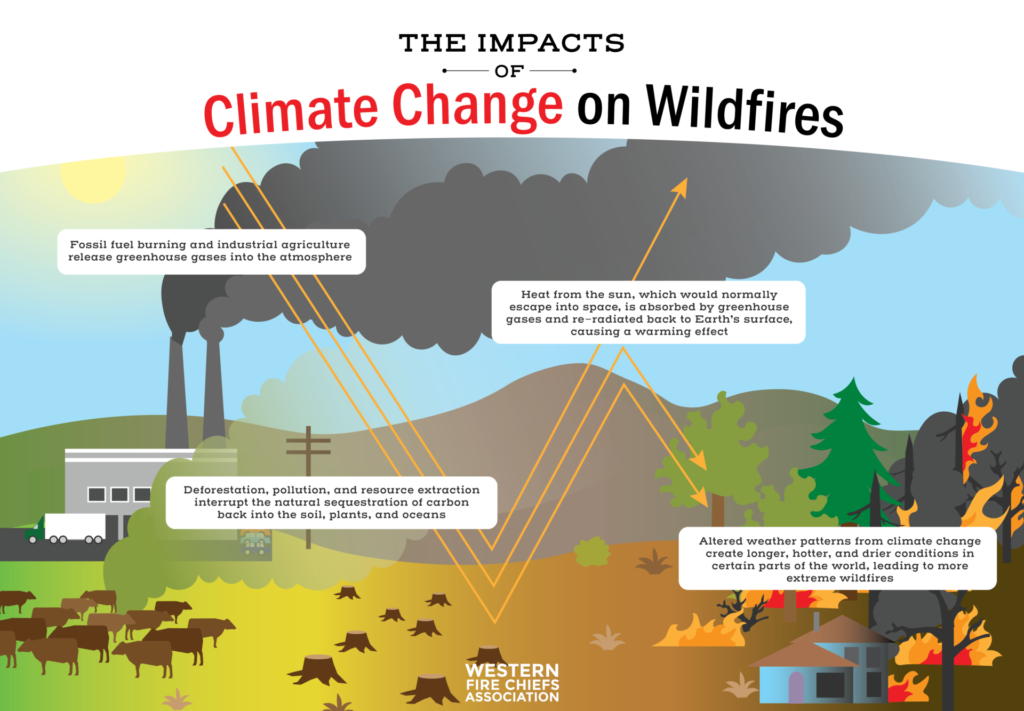
Increasing concentrations of carbon dioxide, methane, and other gases trap infrared radiation, raising global average temperatures. The effect is not uniform; polar regions experience amplified warming—a phenomenon known as polar amplification.
2. Ocean heat transport
The Southern Ocean circulates warm water from lower latitudes toward the Antarctic continental shelf via the Antarctic Circumpolar Current. As the ocean warms, heat is transferred upward to the ice base, thinning ice shelves from below.
3. Atmospheric circulation changes
Climate models and observations show a trend toward a weakened polar vortex and more frequent incursions of mid‑latitude air masses over Antarctica. These southerly intrusions bring warmer, moisture‑laden air that raises surface temperatures.
4. Feedback loops
- Surface melt reduces albedo (reflectivity), causing the land to absorb more solar radiation.
- Melting freshwater creates a thin layer on the ocean surface, altering stratification and further trapping heat.
- Ice‑shelf thinning can accelerate glacier flow toward the sea, increasing ice discharge.
What Does the Evidence Show?
Multiple lines of evidence converge on a clear warming signal for Antarctica. Satellite microwave sensors have recorded a rise in near‑surface air temperature of roughly 0.5 °C per decade over the Antarctic Peninsula since 1979 (NASA, 2022). Ground stations, such as the one at Esperanza Base, documented a record 18.3 °C reading in February 2020, far above the 30‑year average of –2 °C. Long‑term ice‑sheet mass balance studies, compiled in the Intergovernmental Panel on Climate Change (IPCC) Sixth Assessment Report (2021), indicate a net loss of about 2,720 Gt of ice per year between 2003 and 2019, with ocean‑driven melt accounting for roughly 60 % of that loss. Attribution studies using climate‑model ensembles attribute the increase in extreme temperature events to anthropogenic greenhouse‑gas forcing with a likelihood exceeding 95 %.
Main Causes or Drivers
Direct Causes
Human‑generated greenhouse gases that raise global mean temperature.
Underlying Drivers
Polar amplification, ocean heat uptake, and changes in wind patterns that weaken the polar vortex.
Contributing Factors
- Variability in the Southern Annular Mode, which can temporarily boost warm air transport.
- Regional volcanic aerosols that can modulate atmospheric circulation.
Environmental and Human Impacts
Environmental Impacts
Warmer ocean water erodes ice shelves from below, leading to increased iceberg calving. Surface melt creates meltwater ponds that can penetrate ice crevasses, accelerating breakup. These processes contribute to global sea‑level rise—estimated at 0.7 mm per year from Antarctic contributions alone between 2005 and 2015 (IPCC, 2021). Terrestrial ecosystems are also affected: Emperor Penguin colonies have shown reduced breeding success linked to earlier sea‑ice melt, while krill populations—foundation of the Southern Ocean food web—are vulnerable to changes in sea‑ice extent.
Human Health and Social Impacts
Although no permanent populations reside in Antarctica, research stations experience increased heating costs and logistical challenges during heatwaves. Moreover, sea‑level rise threatens coastal communities worldwide, amplifying flood risk, saltwater intrusion, and displacement.
Economic and Infrastructure Impacts
Melting ice can open new shipping routes such as the Southern Ocean passage, but also raises the risk of iceberg collisions and environmental contamination. Fisheries targeting Antarctic krill may face stock declines, affecting global seafood markets.
Regional Differences
The Antarctic Peninsula experiences the strongest warming, with temperature trends up to 2.5 °C per decade, while the East Antarctic interior remains comparatively stable. This disparity reflects differences in oceanic exposure: the Peninsula is directly bathed by relatively warm Circumpolar Deep Water, whereas the interior is insulated by the massive East Antarctic Ice Sheet. Consequently, heatwave frequency and melt rates are higher on the Peninsula, whereas East Antarctica shows only occasional, short‑lived warm anomalies.
What Scientists Know With High Confidence
- Global greenhouse‑gas emissions are the primary driver of long‑term warming in Antarctica.
- Oceanic heat transport to the continental shelf has increased since the 1990s.
- Ice‑sheet mass loss has accelerated over the past two decades, contributing measurably to sea‑level rise.
- Heatwave events are becoming more frequent and intense, as demonstrated by multiple independent observational datasets.
What Remains Uncertain
Key uncertainties include the precise threshold at which ice‑shelf collapse becomes irreversible, the future variability of the Southern Annular Mode, and the regional response of marine ecosystems to combined temperature and acidity changes. Improved in‑situ observations and higher‑resolution models are needed to narrow these gaps.
Common Misconceptions
Misconception: Antarctica is too cold for climate change to matter.
Reality: Even modest temperature increases can trigger melt processes because ice is highly sensitive to surface warming and oceanic heat.
Misconception: A single hot day proves global warming.
Reality: Isolated weather events are not evidence of climate change; however, a statistically significant rise in the frequency of extreme temperature events is a robust climate signal.
Misconception: Melting Antarctic ice will only affect scientists.
Reality: Ice loss contributes to global sea‑level rise, which directly impacts coastal populations, infrastructure, and economies worldwide.
Solutions and Limitations
Mitigation strategies focus on rapid reduction of CO₂ and other greenhouse gases through renewable energy adoption, carbon pricing, and energy efficiency. While mitigation addresses the root cause, its benefits for Antarctica will materialise over decades. Adaptation measures include enhanced monitoring of ice dynamics, development of early‑warning systems for sea‑level rise, and international governance of emerging shipping routes to minimise ecological disturbance. Limitations involve the long‑lag time between emissions cuts and climate response, uncertainties in ice‑sheet modelling, and geopolitical challenges surrounding Antarctic resource exploitation.
What Individuals, Communities, and Governments Can Do
What Individuals Can Do
- Support policies that price carbon and fund renewable‑energy research.
- Reduce personal carbon footprints by using public transport, improving home energy efficiency, and choosing low‑carbon foods.
What Communities and Organizations Can Do
- Participate in citizen‑science projects that share satellite‑derived temperature or sea‑ice data.
- Develop local resilience plans for sea‑level rise based on the best available projections.
What Governments Can Do
- Commit to nationally determined contributions (NDCs) that align with the Paris Agreement’s 1.5 °C pathway.
- Invest in Antarctic research infrastructure to improve real‑time monitoring of oceanic and atmospheric conditions.
- Enforce the Antarctic Treaty System’s environmental protection protocols and regulate emerging commercial activities.
Synthesis
Antarctic heatwaves are a clear illustration of how global warming reaches even the planet’s coldest regions. The mechanism involves greenhouse‑gas‑driven atmospheric warming, ocean heat transport, and altered wind patterns, all supported by robust observational and modelling evidence. High‑confidence findings confirm accelerating ice loss and rising sea levels, while uncertainties remain about tipping points and ecosystem responses. Mitigation, adaptation, and international cooperation together offer the most viable pathway to limit future impacts. Continued research and decisive policy action are essential to safeguard Antarctica’s ice and the millions of people whose lives depend on a stable climate.
Frequently Asked Questions
What defines a heatwave in Antarctica?
A heatwave in Antarctica is a period of days to weeks when surface air temperatures rise far above the seasonal average, often breaking regional records and persisting long enough to cause surface melt.
Why are Antarctic heatwaves increasing?
Increasing greenhouse‑gas concentrations warm the global atmosphere and oceans, leading to stronger oceanic heat transport and more frequent incursions of warm mid‑latitude air, which together raise Antarctic surface temperatures.
How do Antarctic heatwaves affect global sea level?
Heatwaves accelerate melting of ice shelves and the Antarctic ice sheet, adding freshwater to the ocean. The IPCC reports that Antarctic contributions have raised global sea level by about 0.7 mm per year in recent decades.
What wildlife is most vulnerable to Antarctic warming?
Species that depend on sea ice, such as Emperor Penguins and Antarctic krill, are especially vulnerable; reduced sea‑ice extent disrupts breeding habitats and the food web that supports higher predators.
Can individuals help reduce Antarctic heatwaves?
While personal actions cannot stop a heatwave, reducing carbon footprints, supporting clean‑energy policies, and engaging in citizen‑science projects contribute to the broader mitigation effort needed to limit warming.






Leave a Comment