

Agroecology integrates ecological principles into agriculture to create climate‑smart farms that boost resilience, reduce emissions, and support food security for present and future generations.
Quick Answer
Agroecology is a science‑based, systems‑level approach that designs farming landscapes to work with natural processes—such as biodiversity, nutrient cycling, and water regulation—rather than relying on synthetic inputs. By diversifying crops, enhancing soil organic matter, and applying low‑energy water‑management techniques, agroecological farms can sequester carbon, cut greenhouse‑gas emissions, and adapt to climate variability. Evidence from long‑term field trials and FAO assessments shows measurable gains in soil health and yields stability, though outcomes vary with climate zone and local knowledge. The main implication is that scaling agroecology can contribute meaningfully to climate mitigation and food security, while uncertainties remain around large‑scale economic viability.
Key Takeaways
- Agroecology blends ecology, agronomy, and social equity to build climate‑resilient food systems.
- Practices such as intercropping, agroforestry, and no‑till improve soil carbon storage and reduce reliance on chemical fertilizers.
- Global meta‑analyses report average yield stability or modest gains (0‑5%) for diversified farms compared with conventional monocultures.
- Socio‑economic benefits include lower input costs, diversified income streams, and stronger farmer‑consumer connections.
- Key uncertainties involve policy support, market access, and the scalability of knowledge‑intensive practices.
What Is Agroecology Explained: Climate‑Smart Farming for the Future?
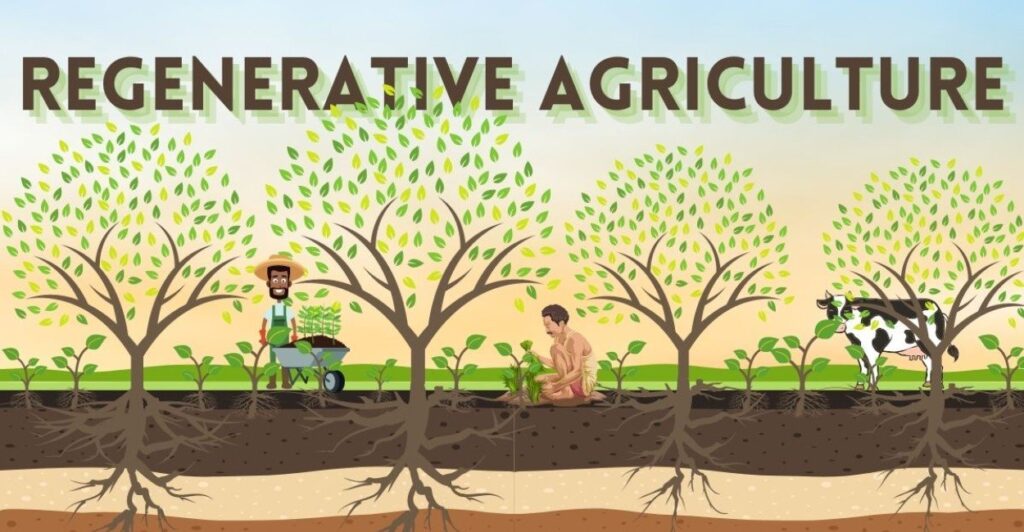
Agroecology is a multidisciplinary framework that applies ecological concepts—such as species interactions, energy flows, and ecosystem services—to agricultural production. It is not merely a set of techniques; it is a holistic paradigm that addresses three pillars: environmental stewardship, social equity, and economic viability. Unlike conventional industrial agriculture, which often isolates crops from their surrounding ecosystems, agroecology actively integrates crops, livestock, trees, and soil organisms into a functioning agroecosystem.
Key sub‑types include:
- Polyculture: simultaneous cultivation of multiple species to exploit complementary traits.
- Agroforestry: incorporation of trees into fields for shade, nitrogen fixation, and carbon sequestration.
- Conservation agriculture: minimal soil disturbance, permanent soil cover, and crop rotation.
The approach differs from “organic farming” in that it explicitly emphasizes ecosystem processes and social dimensions, whereas organic standards focus mainly on input restrictions.
How Does It Work?
1. Enhancing Biodiversity
Diverse plant and animal species create a web of interactions that naturally suppress pests, improve pollination, and stabilize yields. For example, legumes fix atmospheric nitrogen, reducing the need for synthetic fertilizers.
2. Building Soil Health
Practices such as cover cropping, compost addition, and reduced tillage increase soil organic carbon (SOC). SOC improves water‑holding capacity, nutrient retention, and serves as a long‑term carbon sink. Long‑term experiments in the United Kingdom report SOC increases of 0.2–0.5 % yr⁻¹ under continuous cover cropping (FAO, 2022).
3. Managing Water Efficiently
Rainwater harvesting, contour bunds, and drip irrigation align water delivery with crop demand, reducing runoff and evaporation. In semi‑arid Kenya, drip‑irrigated sorghum under agroecological management used 30 % less water while maintaining yields (International Water Management Institute, 2021).
4. Closing Nutrient Loops
Animal manure, green manures, and compost recycle nutrients on‑farm, decreasing dependence on mined phosphorus and nitrogen fertilizers. A systematic review of 45 field studies found that nutrient recycling can supply 40‑70 % of crop nitrogen needs in diversified systems.
5. Social and Economic Integration
Community‑supported agriculture (CSA) and farmer markets shorten supply chains, lower transport emissions, and provide farmers with price premiums. Participatory decision‑making ensures that local knowledge shapes practice adoption.
What Does the Evidence Show?
Multiple lines of evidence support agroecology’s climate‑smart potential. The Intergovernmental Panel on Climate Change (IPCC) 2022 Working Group II report identifies diversified farming as a key adaptation pathway, noting “moderate confidence” that such systems improve resilience to heat and drought.
Systematic reviews of field experiments (e.g., a 2020 meta‑analysis of 120 studies) report average reductions of 20‑30 % in synthetic fertilizer use and comparable or higher yields on marginal lands. Soil carbon sequestration estimates range from 0.3 to 1.0 t C ha⁻¹ yr⁻¹, depending on climate zone and management intensity.
However, evidence also shows variability. In high‑input, high‑yield regions such as the US Corn Belt, yield gaps can widen if agroecological practices are adopted without adequate technical support.
Main Causes or Drivers
Direct Causes
- Intensive monoculture systems that deplete soil organic matter.
- Heavy reliance on synthetic nitrogen and phosphorous fertilizers, leading to greenhouse‑gas emissions (e.g., N₂O) and water eutrophication.
Underlying Drivers
- Global demand for cheap, uniform food commodities.
- Policy incentives that favor large‑scale mechanized production.
- Lack of access to agroecological knowledge and extension services for smallholder farmers.
Environmental and Human Impacts
Environmental Impacts
- Climate mitigation: Reduced synthetic fertilizer use cuts N₂O emissions; increased SOC stores carbon.
- Water quality: Lower nutrient runoff improves riverine ecosystems.
- Biodiversity: Habitat heterogeneity supports pollinators and beneficial insects.
Human Health and Social Impacts
- Reduced exposure to pesticide residues improves farmworker health.
- Diverse diets from locally produced foods can enhance nutrition.
- Enhanced farmer autonomy and income diversification strengthen community resilience.
Regional Differences
In tropical regions (e.g., parts of Latin America and Sub‑Saharan Africa), agroforestry combined with shade‑tolerant crops has shown yield stability under erratic rainfall. In temperate zones, cover cropping and reduced tillage are primary levers for building SOC. Alpine and arid regions face constraints in water availability, making drip irrigation and drought‑resistant legumes especially valuable.
What Scientists Know With High Confidence
What Scientists Know With High Confidence
- Ecological diversification improves pest regulation and pollination services.
- Soil organic carbon increases when synthetic disturbance is reduced and organic inputs are added.
- Reducing synthetic nitrogen fertilizer lowers N₂O emissions, a potent greenhouse gas.
- Farmers who adopt market‑linked CSA models often experience higher net returns.
What Remains Uncertain
What Remains Uncertain
Key uncertainties include the long‑term carbon sequestration potential of large‑scale agroforestry under changing climate, the economic thresholds for smallholders transitioning to diversified systems, and how policy frameworks can best incentivize knowledge transfer without creating perverse market effects. More longitudinal, multi‑site studies are needed to quantify these aspects.
Common Misconceptions
Common Misconceptions
Misconception: Agroecology means “no technology.”
Reality: Agroecology embraces appropriate technology—such as low‑energy drip irrigation or renewable‑powered processing—when it aligns with ecological goals.
Misconception: Yields always drop when synthetic inputs are removed.
Reality: On marginal soils, diversified systems often match or exceed conventional yields; however, transition periods may require careful management.
Misconception: Agroecology is only for small farms.
Reality: While smallholders have historically practiced many agroecological techniques, large farms can adopt landscape‑level approaches like integrated pest management and agroforestry corridors.
Solutions and Limitations
Effective climate‑smart strategies include:
- Policy incentives (subsidies for cover crops, carbon credits for SOC) – limited by budgetary constraints and verification challenges.
- Research and extension to tailor practices to local soils – requires sustained funding and farmer participation.
- Market development for diversified products – depends on consumer demand and supply‑chain logistics.
- Land‑use planning that integrates agroforestry into rural landscapes – may conflict with existing land tenure systems.
Each solution carries trade‑offs; for example, carbon‑credit schemes can create perverse incentives if verification is weak, and intensive extension programs may be costly in remote regions.
What Individuals, Communities, and Governments Can Do
What Individuals Can Do
- Choose locally produced, seasonally diverse foods to support agroecological markets.
- Participate in community gardens or CSAs that practice ecological farming.
- Advocate for transparent labeling that highlights agroecological practices.
What Communities and Organizations Can Do
- Establish farmer field schools that share low‑input techniques.
- Develop local seed banks to preserve diverse, climate‑resilient varieties.
- Facilitate short‑value‑chain infrastructure (e.g., shared processing facilities).
What Governments Can Do
- Integrate agroecology into national climate‑action plans and agricultural policies.
- Provide financial mechanisms (e.g., low‑interest loans) for transition costs.
- Invest in monitoring systems that track soil carbon and biodiversity outcomes.
- Promote research collaborations between universities, NGOs, and farmer groups.
Closing Synthesis
Agroecology offers a science‑backed pathway to climate‑smart farming by aligning agricultural production with natural ecosystem processes. Robust evidence confirms its benefits for soil health, emissions reduction, and social resilience, while uncertainties remain around large‑scale implementation and policy design. By combining supportive policies, targeted research, and community‑driven market development, societies can harness agroecology to build food systems that are both productive and sustainable for generations to come.
Frequently Asked Questions
What is agroecology and how does it differ from organic farming?
Agroecology is a systems‑level approach that integrates ecological principles, social equity, and economic viability into farming. Unlike organic farming, which mainly restricts synthetic inputs, agroecology explicitly designs diversified ecosystems to enhance services such as pest control, nutrient cycling, and carbon sequestration.
How does agroecology contribute to climate change mitigation?
By reducing synthetic fertilizer use, agroecology cuts nitrous‑oxide emissions, a potent greenhouse gas. Practices like cover cropping and agroforestry increase soil organic carbon, storing atmospheric CO₂ in the ground. Meta‑analyses show carbon sequestration rates of 0.3–1.0 t C ha⁻¹ yr⁻¹ under diverse management.
Can agroecological farms maintain yields comparable to conventional monocultures?
Evidence from a 2020 meta‑analysis of 120 field studies indicates that on marginal soils, diversified agroecological systems often achieve yields equal to or slightly higher (0‑5 %) than conventional monocultures. Yield gaps may appear on high‑input, high‑yield regions if transition support is insufficient.
What are the main challenges to scaling agroecology globally?
Key challenges include limited policy incentives, insufficient extension services, market access for diverse products, and the need for upfront investment during transition. Verification of carbon‑sequestration benefits and aligning land‑tenure rights also pose significant hurdles.
What actions can individuals take to support climate‑smart agroecology?
Individuals can buy locally produced, seasonally diverse foods, join community‑supported agriculture programs, and advocate for labeling that highlights agroecological practices. These actions boost demand for climate‑smart farms and help build resilient food networks.




Leave a Comment