
Global warming is the long‑term rise in Earth’s average surface temperature driven mainly by human‑generated greenhouse gases, a process that reshapes climates, ecosystems, and societies worldwide.
Quick Answer
Global warming refers to the sustained increase in the planet’s average surface temperature caused primarily by the accumulation of greenhouse gases—especially carbon dioxide, methane, and nitrous oxide—from human activities such as fossil‑fuel combustion, deforestation, and industrial processes. This enhanced greenhouse effect traps more infrared radiation, leading to measurable warming of the atmosphere and oceans. The most robust scientific consensus, reflected in the Intergovernmental Panel on Climate Change (IPCC) assessments, confirms that human influence is the dominant driver of warming since the mid‑20th century. Consequences include rising sea levels, more frequent extreme weather, and threats to biodiversity and public health, though the exact magnitude of future impacts depends on emission pathways and mitigation efforts.
Key Takeaways
- Human activities have increased atmospheric CO2 by about 50 % since pre‑industrial times (IPCC, 2021).
- The enhanced greenhouse effect is the primary physical mechanism behind global warming.
- Observed impacts include sea‑level rise, intensified heatwaves, and shifting ecosystem boundaries.
- High‑confidence findings are supported by multiple lines of direct observations and model simulations.
- Uncertainties remain around climate sensitivity, regional precipitation changes, and the timing of tipping points.
- Effective responses combine mitigation (reducing emissions) and adaptation (building resilience).
What Is A Short Note on Global Warming: Causes Effects and Meaning?
The phrase “global warming” denotes the statistically significant upward trend in Earth’s average surface temperature observed over the past century. It is a subset of the broader term “climate change,” which also encompasses shifts in precipitation patterns, storm frequency, and ocean chemistry. Global warming is quantified using surface‑air temperature records from land stations, ships, and satellites, typically expressed as an anomaly relative to a 20th‑century baseline. The concept matters because temperature is a fundamental driver of physical, chemical, and biological processes that sustain ecosystems and human societies.
How Does It Work?
1. Solar Energy and Infrared Radiation
Sunlight (short‑wave radiation) reaches Earth’s surface, where it is absorbed and re‑emitted as long‑wave infrared radiation. Greenhouse gases (GHGs) absorb a portion of this infrared energy and re‑radiate it in all directions, including back toward the surface, creating a warming “blanket.”
2. Key Greenhouse Gases
- Carbon dioxide (CO₂): Produced mainly by burning coal, oil, and natural gas for electricity, heat, and transport. Atmospheric concentration rose from ~280 ppm in 1750 to 419 ppm in 2023 (NOAA, 2024).
- Methane (CH₄): Emitted during livestock digestion, rice paddies, waste‑landfills, and natural‑gas extraction. It has a global‑warming potential about 28‑36 times that of CO₂ over 100 years.
- Nitrous oxide (N₂O): Released from synthetic fertilizer application and industrial processes; its warming potential is roughly 300 times that of CO₂.
3. Feedback Loops
Warming can trigger feedbacks that amplify or dampen the original signal. For example, melting Arctic sea ice reduces surface albedo (reflectivity), causing more solar absorption and further warming—a positive feedback. Conversely, increased plant growth in some regions can draw down CO₂, providing a modest negative feedback.
What Does the Evidence Show?
Long‑term instrumental records show a global mean surface temperature increase of about 1.1 °C since 1850 (IPCC, AR6, 2021). Satellite observations confirm warming of the lower troposphere, while ocean heat content has risen consistently, indicating that excess energy is retained within the climate system. Ice‑core analyses reveal that current CO₂ levels are unprecedented in the past 800,000 years. Attribution studies using climate models demonstrate that the observed warming pattern—greater warming over land and at higher latitudes—is best explained when anthropogenic GHG emissions are included, with natural factors (solar variability, volcanic activity) contributing minimally.
Main Causes or Drivers
Direct Human Causes
- Combustion of fossil fuels for electricity, transportation, and industry.
- Land‑use change, especially deforestation, which reduces carbon sequestration capacity.
- Agricultural practices that emit CH₄ and N₂O.
Underlying Socio‑Economic Drivers
- Global demand for inexpensive energy.
- Urbanization and population growth increasing per‑capita emissions.
- Policy frameworks that subsidize carbon‑intensive activities.
Environmental and Human Impacts
Environmental Impacts
- Sea‑level rise of roughly 20 cm since 1900, accelerating to about 3.4 mm yr⁻¹ in the 2010s (NASA, 2023).
- Increased frequency of heatwaves and heavy‑precipitation events, linked to higher atmospheric moisture capacity.
- Ocean acidification of 0.1 pH units since pre‑industrial times, harming coral reefs and shell‑forming organisms.
- Shifts in species’ geographic ranges, with many moving toward higher elevations or latitudes.
Human Health and Social Impacts
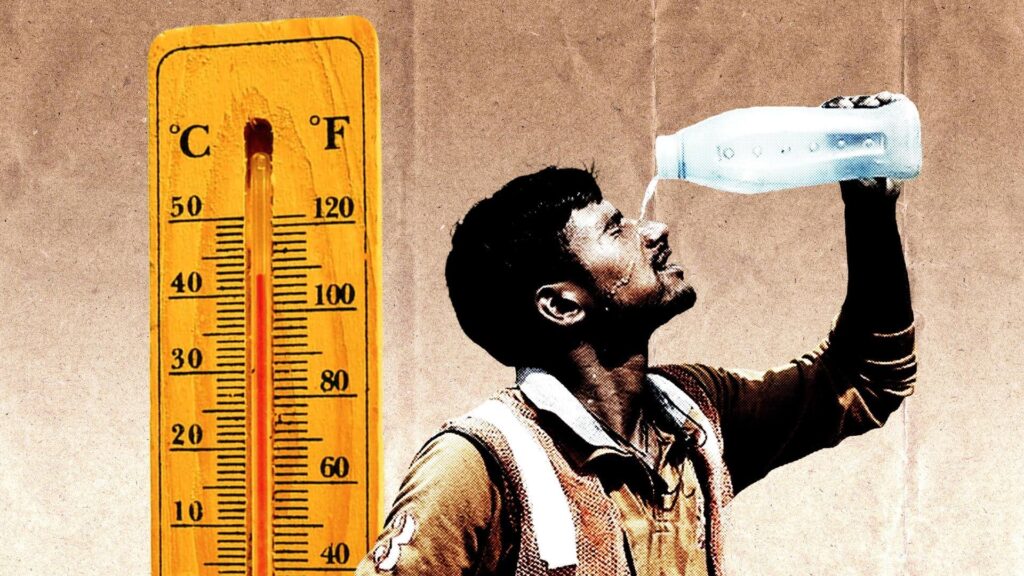
- Heat‑related mortality rises, especially among elderly and outdoor workers.
- Expansion of vector‑borne diseases (e.g., dengue, malaria) into previously unsuitable regions.
- Food‑security risks from altered crop yields; wheat yields may decline by up to 6 % per 1 °C of warming (FAO, 2022).
- Displacement of coastal communities due to sea‑level rise and storm surge.
Regional Differences
High‑latitude regions experience amplified warming—Arctic surface temperatures have risen more than twice the global average, a phenomenon known as Arctic amplification. In contrast, some tropical ocean basins have shown slower surface warming but greater ocean heat uptake. Low‑lying island nations such as the Maldives face existential threats from sea‑level rise, whereas inland temperate regions may encounter more intense droughts and wildfires. These variations stem from differences in albedo, ocean currents, land‑cover changes, and socio‑economic vulnerability.
What Scientists Know With High Confidence
- Human activities are the dominant cause of observed warming since the mid‑20th century.
- Greenhouse gases trap infrared radiation, leading to a net energy imbalance.
- The planet’s average surface temperature has risen by about 1.1 °C relative to pre‑industrial levels.
- Sea level is rising due to thermal expansion and melting land ice.
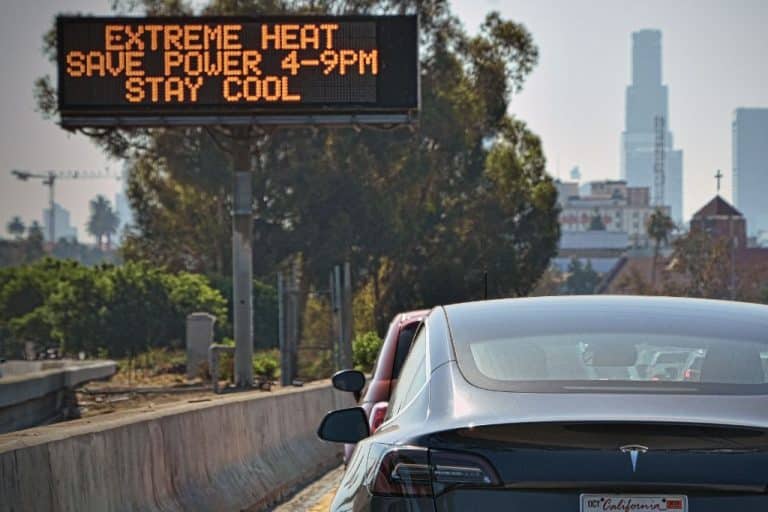
- Extreme heat events are becoming more frequent and intense.
What Remains Uncertain
Key uncertainties include the exact value of climate sensitivity (the temperature response to a doubling of CO₂), the timing and magnitude of regional precipitation changes, and the thresholds at which major feedbacks—such as permafrost carbon release—might become irreversible. Improved observations of the deep ocean, high‑latitude clouds, and land‑surface processes are needed to narrow these gaps.
Common Misconceptions
Misconception: Global warming is the same as a single hot summer.
Reality: Global warming describes a long‑term statistical trend across decades, not isolated weather events. While individual heatwaves are influenced by climate change, they do not constitute the phenomenon on their own.
Misconception: Only CO₂ matters.
Reality: Methane, nitrous oxide, and fluorinated gases also contribute significantly to radiative forcing, and their mitigation is essential for rapid temperature stabilization.
Misconception: Reducing personal energy use will solve the problem.
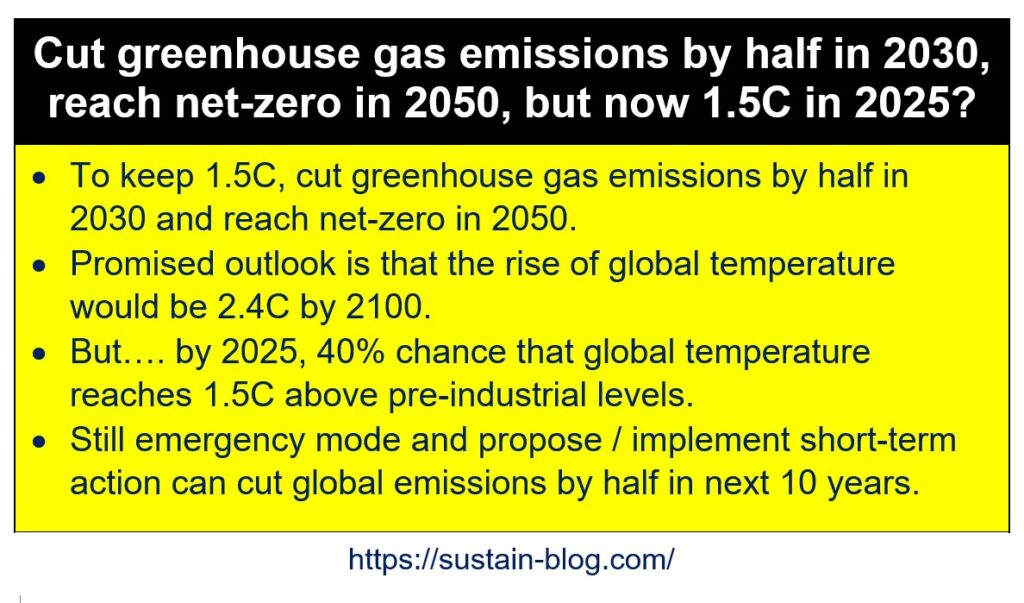
Reality: Individual actions matter, but systemic change—such as decarbonizing energy grids and reforming agricultural policies—is required to achieve the emission reductions needed to limit warming to 1.5 °C.
Solutions and Limitations
Mitigation strategies aim to lower GHG emissions, while adaptation seeks to reduce vulnerability to unavoidable impacts.
- Renewable energy transition: Solar and wind technologies can supply >70 % of global electricity by 2050 (IEA, 2023). Limitations include intermittency, material supply chains for rare‑earth metals, and the need for grid upgrades.
- Energy efficiency: Improving building insulation and industrial processes can cut energy demand by up to 30 % (IEA, 2022). Barriers are upfront capital costs and uneven policy incentives.
- Reforestation and avoided deforestation: Restoring forests can sequester up to 10 Gt CO₂ yr⁻¹, but permanence is challenged by land‑use conflicts and fire risk.
- Carbon pricing: Taxes or cap‑and‑trade schemes internalize the climate cost of emissions, encouraging low‑carbon investment. Effectiveness depends on price level, coverage, and political acceptance.
- Adaptation measures: Coastal defenses, drought‑resilient crops, and early‑warning systems reduce exposure. However, they can be costly and may not protect all communities, especially in low‑income regions.
What Individuals, Communities, and Governments Can Do
What Individuals Can Do
- Choose low‑carbon transportation (public transit, cycling, electric vehicles when possible).
- Improve home energy efficiency (insulation, efficient appliances).
- Reduce food‑waste and adopt lower‑meat diets to lower personal CH₄ footprints.
- Support policies and companies with strong climate commitments.
What Communities and Organizations Can Do
- Develop local renewable energy projects (community solar, wind cooperatives).
- Implement green infrastructure (urban trees, permeable surfaces) to mitigate heat islands and storm‑water runoff.
- Adopt climate‑smart agricultural practices (precision irrigation, agroforestry).
What Governments Can Do
- Set ambitious, legally binding emission‑reduction targets aligned with the Paris Agreement.
- Phase out fossil‑fuel subsidies and invest in clean‑energy research.
- Enforce building codes that require energy‑efficient construction.
- Provide financing and technology transfer to vulnerable nations for adaptation.
Synthesis
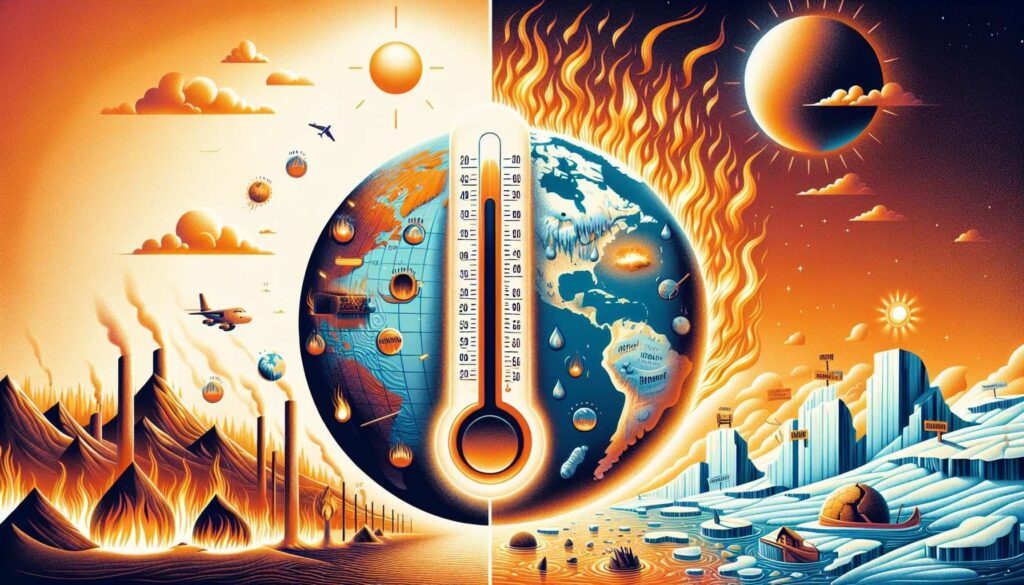
Global warming is a scientifically robust phenomenon driven primarily by human‑generated greenhouse gases. A wealth of observations, from surface temperature records to ice‑core data, and sophisticated climate‑model attribution studies give high confidence to this conclusion. The resulting changes—rising seas, hotter extremes, and ecosystem disruptions—vary regionally, affecting some populations far more than others. While uncertainties remain regarding certain feedbacks and regional climate responses, they do not undermine the central imperative: rapid, coordinated mitigation paired with targeted adaptation is essential. By combining systemic policy action with informed individual and community choices, societies can limit warming and protect the planet for future generations.
Frequently Asked Questions
What exactly does the term "global warming" mean?
Global warming describes the long‑term increase in Earth's average surface temperature caused primarily by the buildup of greenhouse gases from human activities such as fossil‑fuel combustion, deforestation, and agriculture.
How do greenhouse gases trap heat in the atmosphere?
Greenhouse gases absorb infrared radiation emitted by Earth's surface and re‑radiate it in all directions, including back toward the ground, creating a warming effect known as the enhanced greenhouse effect.
Which human activities contribute most to global warming?
The biggest contributors are burning coal, oil, and gas for electricity and transport, clearing forests that would otherwise store carbon, and agricultural practices that release methane and nitrous oxide.
What are the most certain scientific findings about global warming?
Scientists are highly confident that human activities drive recent warming, that the planet has warmed about 1.1 °C since pre‑industrial times, that sea level is rising due to thermal expansion and ice melt, and that extreme heat events are becoming more common.
What actions can individuals take to help limit global warming?
Individuals can lower their carbon footprint by using public transit or electric vehicles, improving home energy efficiency, reducing meat consumption, minimizing food waste, and supporting climate‑friendly policies and businesses.





Leave a Comment