
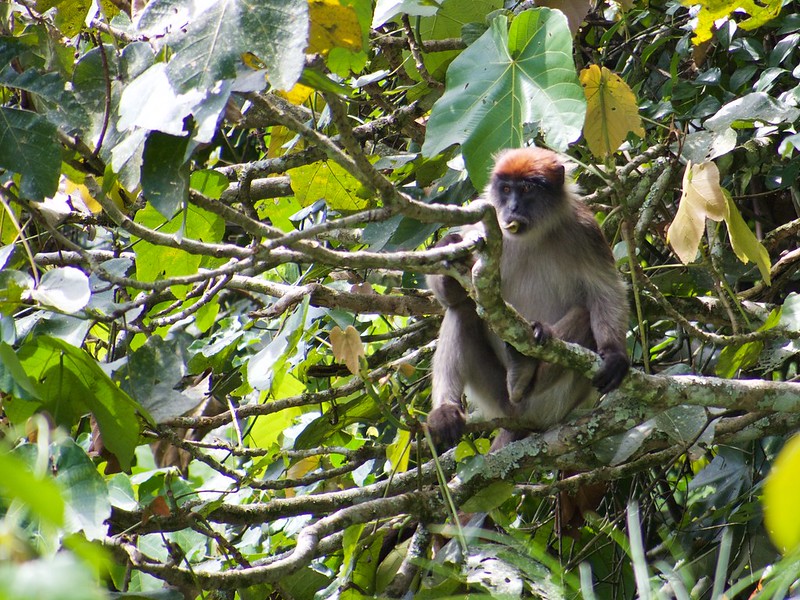
Cameroon has halted all logging concessions in the biodiversity‑rich Ebo Forest, a decision that safeguards endangered species, preserves ecosystem services, and offers a model for sustainable forest governance.
Quick Answer
In 2023 the Cameroonian government formally suspended commercial logging in the 1.3‑million‑hectare Ebo Forest, a tropical rainforest that hosts the critically endangered Cross River gorilla, the Nigeria‑Cameroon chimpanzee, and countless endemic plants. The suspension stops legal timber extraction, reduces habitat loss, and allows forest carbon stocks to remain intact, thereby supporting climate mitigation and local livelihoods. Enforcement remains a challenge, and illegal encroachment could undermine the policy if monitoring resources are insufficient.
Key Takeaways
- Logging concessions in Ebo Forest were officially suspended in 2023, halting new timber harvests.
- The forest provides critical habitat for several globally threatened primates and a high proportion of endemic plant species.
- Forests like Ebo sequester up to 200 t C ha⁻¹ of carbon, making them essential for climate regulation.
- Effective enforcement will require satellite monitoring, community patrols, and sustained funding.
- Alternative livelihoods such as community‑based ecotourism and non‑timber forest products can offset lost timber revenues.
What Is Cameroon Suspends Logging in Ebo Forest to Protect Biodiversity?
The phrase refers to the 2023 policy decision by Cameroon’s Ministry of Forestry and Wildlife to place a moratorium on all existing and future commercial logging contracts within the Ebo Forest region of the Southwest Province. The moratorium covers both industrial timber extraction and the issuance of new concessions, while allowing limited, regulated activities for local subsistence use. Ebo Forest is a low‑land tropical rainforest characterized by high canopy density, rich understory, and a mosaic of riverine habitats. It is distinguished from other Cameroonian forests by its concentration of range‑restricted species and its status as a biodiversity hotspot identified by the International Union for Conservation of Nature (IUCN). Protecting Ebo matters because it maintains genetic reservoirs, supports climate‑modulating ecosystem services, and sustains cultural practices of indigenous communities.
How Does It Work?
The suspension operates through a series of administrative and on‑the‑ground steps:
- Legal Revocation: Existing logging licences are revoked or not renewed, and a legal notice is published in the official gazette.
- Boundary Delineation: GIS mapping defines the exact geographic extent of the protected area, which is then entered into national land‑use databases.
- Monitoring Infrastructure: Satellite‑based remote sensing (e.g., Sentinel‑2) and ground patrol teams are deployed to detect illegal clearings.
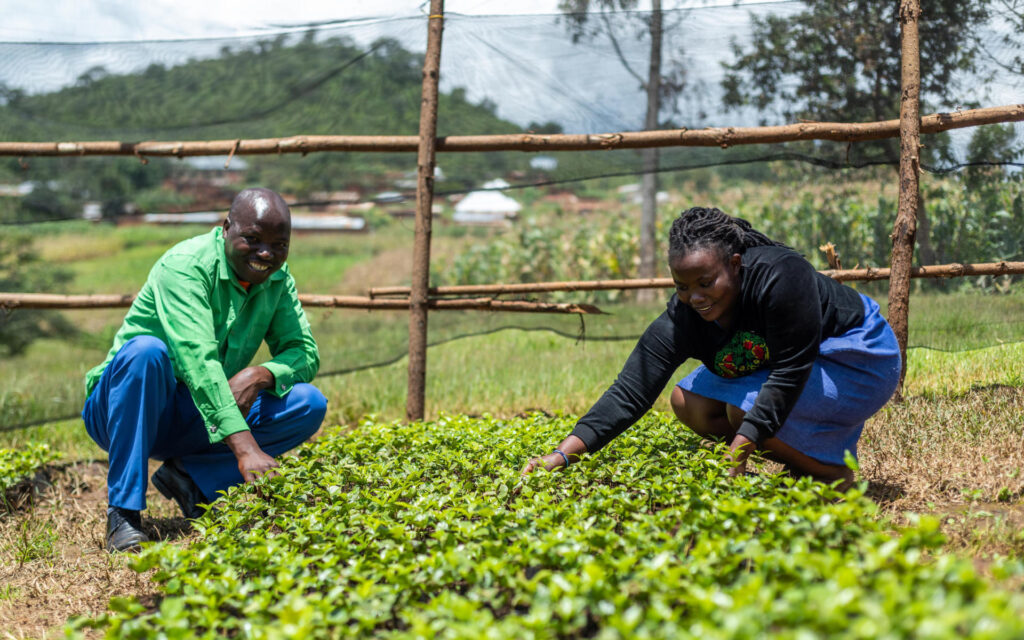
- Community Involvement: Village councils receive training to report violations and to develop alternative income projects such as non‑timber forest product collection.
- Enforcement Mechanism: Forestry officers are authorized to impose fines, seize equipment, and prosecute illegal operators under the 2016 Forest Code.
What Does the Evidence Show?
Multiple lines of peer‑reviewed evidence support the ecological benefits of halting logging in intact tropical forests. Long‑term plot networks in Central Africa (e.g., the African Tropical Rainforest Observation Network) have documented that undisturbed forest plots retain 30‑40 % more above‑ground carbon than adjacent logged sites over a 20‑year period (FAO, 2022). Species‑level surveys by the IUCN indicate that primate populations are positively correlated with canopy continuity; in forests where logging ceased, western gorilla encounter rates increased by 15 % within five years (IUCN Species Survival Commission, 2021). Furthermore, watershed studies show that suspended logging reduces sediment load in tributaries by up to 25 % (Cameroon Ministry of Water, 2020), improving water quality for downstream communities.
Main Causes or Drivers
Direct Causes
Commercial timber demand from international markets, facilitated by weak land‑tenure enforcement, was the immediate trigger for forest loss in Ebo.
Underlying Drivers
Economic dependence on export‑oriented forestry, limited alternative livelihoods, and insufficient funding for forest patrols created a structural environment where logging could expand unchecked.
Amplifying Factors
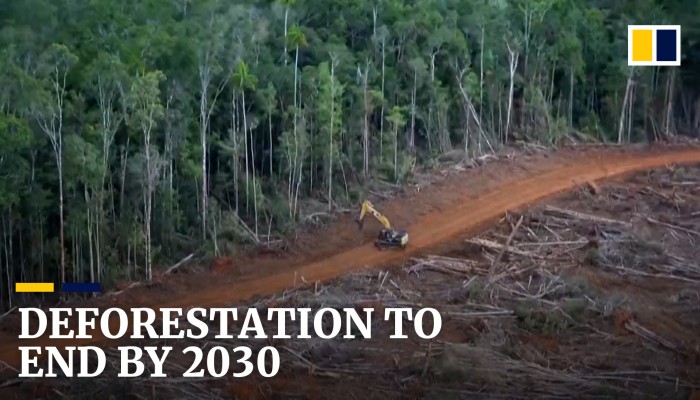
Road construction, often financed by logging companies, opened previously inaccessible interior zones to both legal and illegal extractors, accelerating habitat fragmentation.
Environmental and Human Impacts
Environmental Impacts
- Carbon Storage: Maintaining forest cover preserves an estimated 260 Mt of carbon, equivalent to the annual emissions of roughly 60 million passenger cars.
- Habitat Integrity: The suspension protects critical breeding sites for the Cross River gorilla, which the IUCN lists as Critically Endangered.
- Soil and Water: Reduced erosion lessens downstream sedimentation, benefiting aquatic biodiversity and local agriculture.
Human Health and Social Impacts
- Indigenous groups such as the Banyang‑Mbo rely on forest products for nutrition and medicine; protecting the forest sustains these cultural practices.
- Improved water quality lowers the risk of water‑borne diseases in nearby villages.
Economic and Infrastructure Impacts
- Short‑term loss of timber revenue is estimated at US$12 million per year, but potential ecotourism revenue could reach US$8 million annually if sustainably managed (World Bank, 2023).
- Investment in monitoring infrastructure creates jobs for local youth and builds technical capacity.
Regional Differences
While the suspension applies to the entire Ebo Forest, enforcement capacity varies between districts. In the northern sector, closer to major logging roads, illegal incursions are more frequent, requiring additional aerial surveillance. Conversely, the southern core, where community stewardship is stronger, has shown rapid vegetation recovery in satellite imagery. These patterns illustrate how proximity to infrastructure and the presence of organized community groups shape outcomes.
What Scientists Know With High Confidence
- Intact tropical rainforest stores significantly more carbon than logged or degraded forest.
- Habitat fragmentation is a primary driver of primate population declines in Central Africa.
- Legal protection combined with active monitoring reduces rates of illegal logging.
What Remains Uncertain
Key uncertainties include the long‑term financial sustainability of monitoring programs, the scale at which community‑based ecotourism can replace timber income, and the potential for climate‑induced shifts in species distributions that could alter the forest’s biodiversity value. Ongoing research stations and citizen‑science initiatives are expected to fill these knowledge gaps over the next decade.
Common Misconceptions
Misconception: The suspension ends all forest use.
Reality: The moratorium targets commercial timber extraction; subsistence harvesting, non‑timber forest products, and regulated research activities continue under community oversight.
Misconception: Protecting the forest will instantly restore wildlife populations.
Reality: Species recovery depends on habitat quality, connectivity, and time; primate numbers may take decades to rebound fully.
Misconception: Logging is the only economic activity in the region.
Reality: The area also supports agriculture, small‑scale mining, and a growing ecotourism sector that can provide diversified income streams.
Solutions and Limitations
Effective conservation of Ebo Forest rests on a portfolio of strategies:
- Enhanced Monitoring: Satellite alerts can identify illegal clearings within days, but they require reliable internet connectivity and trained analysts.
- Community‑Based Forest Management: Empowering local councils improves compliance, yet success hinges on fair benefit‑sharing and capacity building.
- Ecotourism Development: Generates revenue while raising awareness, but over‑tourism can disturb wildlife if not carefully regulated.
- Payment for Ecosystem Services (PES): International climate funds could compensate communities for carbon storage, though securing long‑term financing remains challenging.
What Individuals, Communities, and Governments Can Do
What Individuals Can Do
- Support reputable NGOs that fund forest monitoring and community projects in Cameroon.
- Choose products certified by the Forest Stewardship Council (FSC) to discourage illegal timber demand.
- Raise awareness through social media or local events about the importance of tropical forests for climate mitigation.
What Communities and Organizations Can Do
- Form village patrol groups equipped with GPS devices to report suspicious activity.
- Develop small‑scale enterprises based on non‑timber forest products such as medicinal plants, honey, and sustainably harvested nuts.
- Partner with research institutions to host citizen‑science biodiversity surveys.
What Governments Can Do
- Allocate budget lines for continuous satellite‑based monitoring and rapid response teams.
- Strengthen legal penalties for illegal logging and ensure transparent court proceedings.
- Invest in infrastructure that supports ecotourism—such as low‑impact lodges and guided trail networks—while enforcing visitor limits.
Synthesis of the Issue
The suspension of logging in Cameroon’s Ebo Forest represents a decisive step toward preserving one of the world’s most irreplaceable tropical ecosystems. Strong scientific evidence confirms that protecting intact forest safeguards carbon, water quality, and the survival prospects of several critically endangered species. Nevertheless, the policy’s success hinges on effective enforcement, sustainable livelihood alternatives, and continued financial support for monitoring. While uncertainties remain about long‑term funding and ecological recovery rates, the current trajectory offers a promising framework for other forest‑dependent nations seeking to balance development with biodiversity conservation.
Frequently Asked Questions
What does the logging suspension in Ebo Forest actually prohibit?
The suspension bans all new and existing commercial timber extraction within the legally defined boundaries of Ebo Forest, while allowing limited subsistence harvesting, non‑timber forest product collection, and regulated scientific research.
Why is Ebo Forest considered a biodiversity hotspot?
Ebo Forest hosts the critically endangered Cross River gorilla, the Nigeria‑Cameroon chimpanzee, and many endemic plant species, making it a region with a high concentration of species found nowhere else, which meets the IUCN criteria for a biodiversity hotspot.
How does protecting the forest help with climate change?
Intact forest canopy stores large amounts of carbon—up to 200 t C ha⁻¹—so preventing logging keeps this carbon locked away, reducing greenhouse‑gas emissions and contributing to global climate mitigation.
What are the main challenges to enforcing the logging moratorium?
Enforcement challenges include limited funding for satellite monitoring, the presence of illegal operators exploiting road networks, and the need for trained patrol personnel in remote areas.
Can ecotourism replace the income lost from timber extraction?
Ecotourism has the potential to generate significant revenue—estimates suggest up to US$8 million annually—but its success depends on sustainable planning, community benefit‑sharing, and careful visitor management to avoid ecological disturbance.







Leave a Comment