
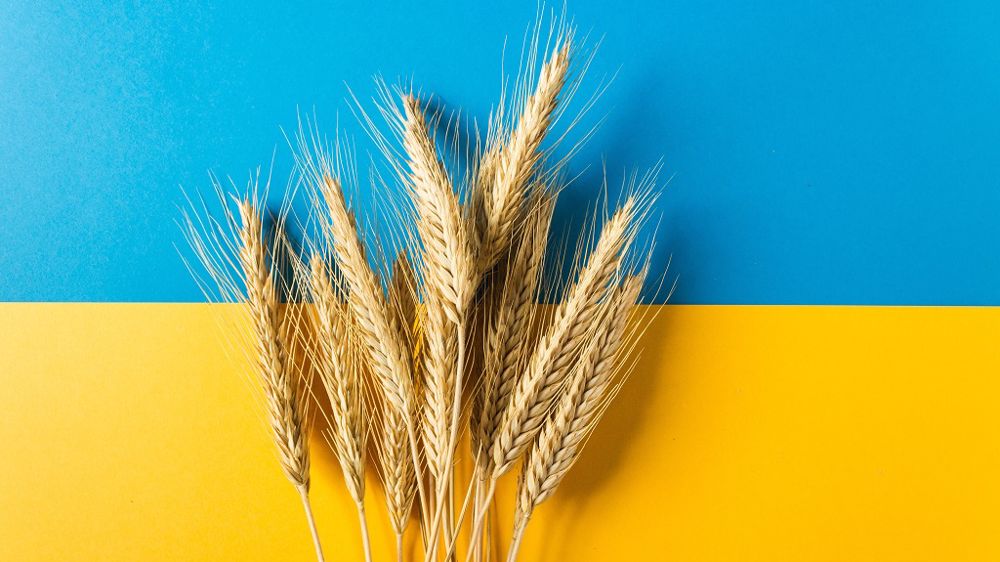
The Ukrainian wheat crisis reveals how dependence on a single region for staple crops can destabilize global food security, highlighting the urgent need for a more resilient, sustainable food system.
\n\n
Quick Answer
\n
The Ukrainian wheat crisis is a disruption of wheat production caused by armed conflict, logistical blockages, and climate stress, which reduces global wheat supply and pushes prices upward. The core mechanism is a supply‑side shock that ripples through international trade networks, exposing the fragility of a system that relies heavily on a few exporting regions. Scientists are confident that the loss of Ukrainian output will tighten markets, but the exact magnitude of long‑term price changes remains uncertain due to variable weather patterns and policy responses.
\n
\n\n
Key Takeaways
\n
- \n
- Ukraine supplies roughly 12% of global wheat; the war has cut output by more than half.
- Supply‑chain concentration makes the world food system vulnerable to geopolitical shocks.
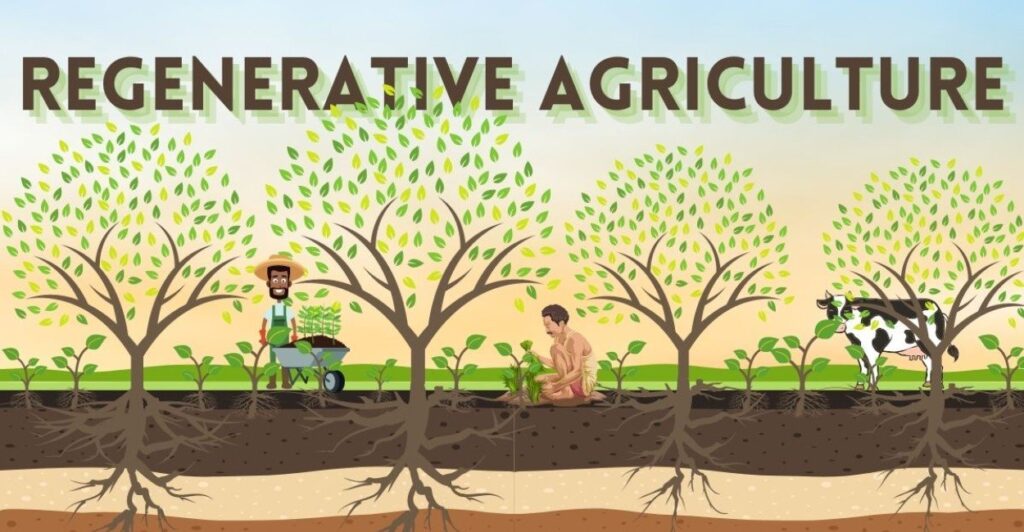
- Monoculture farming and export‑oriented policies amplify risk, while diversified, regenerative agriculture can enhance resilience.
- Climate change compounds instability through erratic precipitation and heat stress on wheat yields.
- Effective solutions require coordinated policy reform, investment in agro‑ecology, and targeted consumer and community actions.
\n
\n
\n
\n
\n
\n
\n\n
What Is Battling the Ukrainian Wheat Crisis: Why the Global Food System Must Change?
\n
The phrase refers to the set of scientific, policy, and societal responses aimed at mitigating the immediate shortage of wheat caused by the war in Ukraine and, more broadly, to reforming the global food system so that similar shocks do not cause systemic failure. It encompasses analysis of agricultural production, trade dynamics, climate interactions, and socio‑economic outcomes. Unlike a short‑term aid effort, the concept stresses structural change—moving from a highly centralized, export‑driven model toward diversified, locally resilient, and environmentally sustainable food networks.
\n\n
How Does It Work?
\n
1. Production Disruption
\n
Armed conflict damages fields, equipment, and storage facilities, while active combat zones prevent planting and harvesting. Satellite monitoring by the European Space Agency showed a 55% reduction in harvested area in 2022 compared with pre‑war averages.
\n
2. Trade‑Network Shock
\n
Ukraine’s wheat normally flows through Black Sea ports to North Africa, the Middle East, and Asia. Port blockades and insurance restrictions reroute cargoes, increase shipping times, and raise freight costs, creating bottlenecks in downstream markets.
\n
3. Price Transmission
\n
Reduced supply raises the global wheat price index. The Food and Agriculture Organization (FAO) reported a 30% increase in the wheat price index between July 2021 and March 2023, a rise linked to the Ukrainian shortfall among other factors.
\n
4. Feedback to Production
\n
Higher prices can incentivize farmers in other regions to expand wheat acreage, but this often leads to intensified monoculture, greater water use, and higher greenhouse‑gas emissions, potentially worsening climate impacts.
\n\n
What Does the Evidence Show?
\n
Long‑term monitoring by the FAO and national statistical offices confirms Ukraine’s role as a top‑five wheat exporter. Modeling studies from the International Food Policy Research Institute (IFPRI) estimate that a 25% drop in Ukrainian wheat could cause a 10‑15% rise in global wheat availability gaps, especially in import‑dependent regions such as North Africa and the Middle East. Systematic reviews of climate‑impact studies indicate that heat stress above 30 °C during flowering can cut wheat yields by up to 20%, a risk that is now overlapping with conflict‑driven losses.
\n\n
Main Causes or Drivers
\n
Direct Causes
\n
- \n
- Active combat and land contamination.
- Port blockades and insurance premiums that limit export capacity.
- Disruption of input supplies (seed, fertilizer, fuel).
\n
\n
\n
\n
Underlying Drivers
\n
- \n
- Global reliance on a few wheat‑exporting regions.
- Monoculture practices that reduce agro‑ecological buffering.
- Climate change increasing the frequency of heatwaves and droughts in major wheat belts.
- Trade policies that allow rapid export bans or tariffs during crises.
\n
\n
\n
\n
\n\n
Environmental and Human Impacts
\n
Environmental Impacts
\n
Shifts toward expanding wheat in new regions often involve converting marginal lands, leading to soil degradation, biodiversity loss, and higher irrigation demand. Increased fertilizer use to boost yields contributes to nitrous‑oxide emissions, a potent greenhouse gas.
\n
Human Health and Social Impacts
\n
Rising wheat prices disproportionately affect low‑income households that spend a larger share of income on staple foods. In the Middle East and North Africa, food‑insecurity indices rose by 7 percentage points between 2021 and 2023, according to the World Food Programme.
\n
Economic and Infrastructure Impacts
\n
Export‑oriented economies such as Egypt, which imports over 50% of its wheat, face balance‑of‑payments pressure and may need to allocate larger portions of foreign‑exchange reserves to food imports, reducing capacity for other development needs.
\n\n
Regional Differences
\n
In North Africa, the crisis has amplified existing water scarcity, prompting governments to consider wheat‑free diets and import diversification. In Central Europe, higher wheat prices have spurred interest in winter wheat varieties that are more drought‑tolerant, while in South Asia, the crisis coincides with monsoon variability, creating a compound risk for rice‑wheat systems.
\n\n
What Scientists Know With High Confidence
\n
- \n
- Ukraine consistently ranks among the top five global wheat exporters (FAO, 2022).
- Supply shocks in major grain exporters translate quickly into global price changes (FAO price index, 2023).
- Monoculture wheat systems are more vulnerable to both climatic extremes and geopolitical disruptions (IPCC, 2021).
- Regenerative agricultural practices improve soil carbon, water retention, and yield stability (Systematic review, 2020).
\n
\n
\n
\n
\n
\n\n
What Remains Uncertain
\n
Key uncertainties include the duration of the conflict, the speed at which damaged farmland can be rehabilitated, and how quickly alternative wheat‑producing regions can scale up without causing environmental degradation. Climate‑model projections for heatwave frequency in the Black Sea basin also vary, affecting forecasts of future wheat yields.
\n
\n\n
Common Misconceptions
\n
Misconception: The crisis will cause a global famine.
\n
Reality: While the crisis raises prices and heightens risk for import‑dependent populations, global grain production remains sufficient. The main threat is increased food‑insecurity among vulnerable groups, not outright famine.
\n
Misconception: Only Ukraine’s wheat matters for the world.
\n
Reality: Wheat is a globally traded commodity; disruptions in any major exporting region affect supply chains. However, Ukraine’s share (≈12% of world wheat) makes its loss a significant amplifying factor.
\n
Misconception: Switching to rice can solve the shortage.
\n
Reality: Rice production requires more water and different agro‑ecological conditions; substituting wheat with rice would create new environmental stresses and does not address the underlying supply‑chain concentration.
\n
\n\n
Solutions and Limitations
\n
Effective responses must address both the immediate shortage and the systemic vulnerabilities that allowed it to become a global issue.
\n
- \n
- Diversify sourcing: Encourage contracts with multiple wheat‑producing regions. Limitation: Transport distance increases carbon footprints and may raise costs.
- Promote agro‑ecology: Adopt crop rotations, intercropping, and reduced tillage. Limitation: Transition periods can reduce yields temporarily and require farmer training.
- Reform trade policy: Reduce export bans and create safety‑stock mechanisms through international agreements. Limitation: Nations may resist perceived loss of strategic autonomy.
- Invest in climate‑smart varieties: Develop heat‑ and drought‑tolerant wheat strains via public breeding programs. Limitation: Breeding cycles are long, and adoption depends on seed‑distribution infrastructure.
- Strengthen local food systems: Support community‑supported agriculture and urban grain production where feasible. Limitation: Urban grain yields are modest and cannot replace large‑scale production.
\n
\n
\n
\n
\n
\n\n
What Individuals, Communities, and Governments Can Do
\n
What Individuals Can Do
\n
- \n
- Choose certified sustainably produced grain products, reducing demand for intensive monocultures.
- Support local grain cooperatives or CSAs that invest in diversified farming.
- Reduce food waste; the FAO estimates that 30% of wheat produced is lost post‑harvest.
\n
\n
\n
\n
What Communities and Organizations Can Do
\n
- \n
- Develop regional grain reserves to buffer short‑term price spikes.
- Offer training programs in regenerative practices for local farmers.
- Facilitate direct‑market connections between producers and consumers to shorten supply chains.
\n
\n
\n
\n
What Governments Can Do
\n
- \n
- Implement trade policies that limit sudden export bans and encourage transparent grain‑stock reporting.
- Fund public research into climate‑resilient wheat varieties and provide subsidies for diversified cropping systems.
- Invest in infrastructure that improves storage and transport efficiency, reducing post‑harvest losses.
- Coordinate with international bodies (FAO, WTO) to establish emergency grain‑sharing agreements.
\n
\n
\n
\n
\n\n
Closing Synthesis
\n
The Ukrainian wheat crisis illustrates how geopolitical conflict, climate stress, and a globally concentrated grain market can intersect to threaten food security. High‑confidence evidence confirms Ukraine’s pivotal role in wheat exports and the sensitivity of global prices to supply shocks. Yet uncertainties about conflict duration and climate trajectories mean that precise long‑term outcomes remain unclear. Transforming the food system—through diversified sourcing, regenerative agriculture, fair trade policies, and strategic reserves—offers the most robust path to resilience, while acknowledging trade‑offs such as higher costs or transition periods. Collective action across individuals, communities, and governments is essential to safeguard staple supplies for future generations.
Frequently Asked Questions
What is the Ukrainian wheat crisis?
The Ukrainian wheat crisis refers to the sharp reduction in wheat production caused by armed conflict, disrupted logistics, and climate stress in Ukraine, which together lower global wheat supplies and raise prices.
How does the crisis affect global wheat prices?
Reduced Ukrainian exports create a supply‑side shock that ripples through international markets, pushing the global wheat price index up by roughly 30% between 2021 and 2023, according to FAO data.
What role does climate change play in wheat production vulnerability?
Climate change increases the frequency of heatwaves and droughts that can cut wheat yields by up to 20% during critical growth stages, compounding the supply losses caused by the conflict.
Which agricultural practices can reduce reliance on single‑region wheat supplies?
Diversified cropping systems such as crop rotation, intercropping, and regenerative agriculture improve soil health and yield stability, making food systems less dependent on any one exporting region.
What actions can governments take to improve food system resilience?
Governments can reform trade policies to limit export bans, fund research on climate‑smart wheat varieties, support farmer training in regenerative methods, and create strategic grain reserves to buffer future shocks.




Leave a Comment