
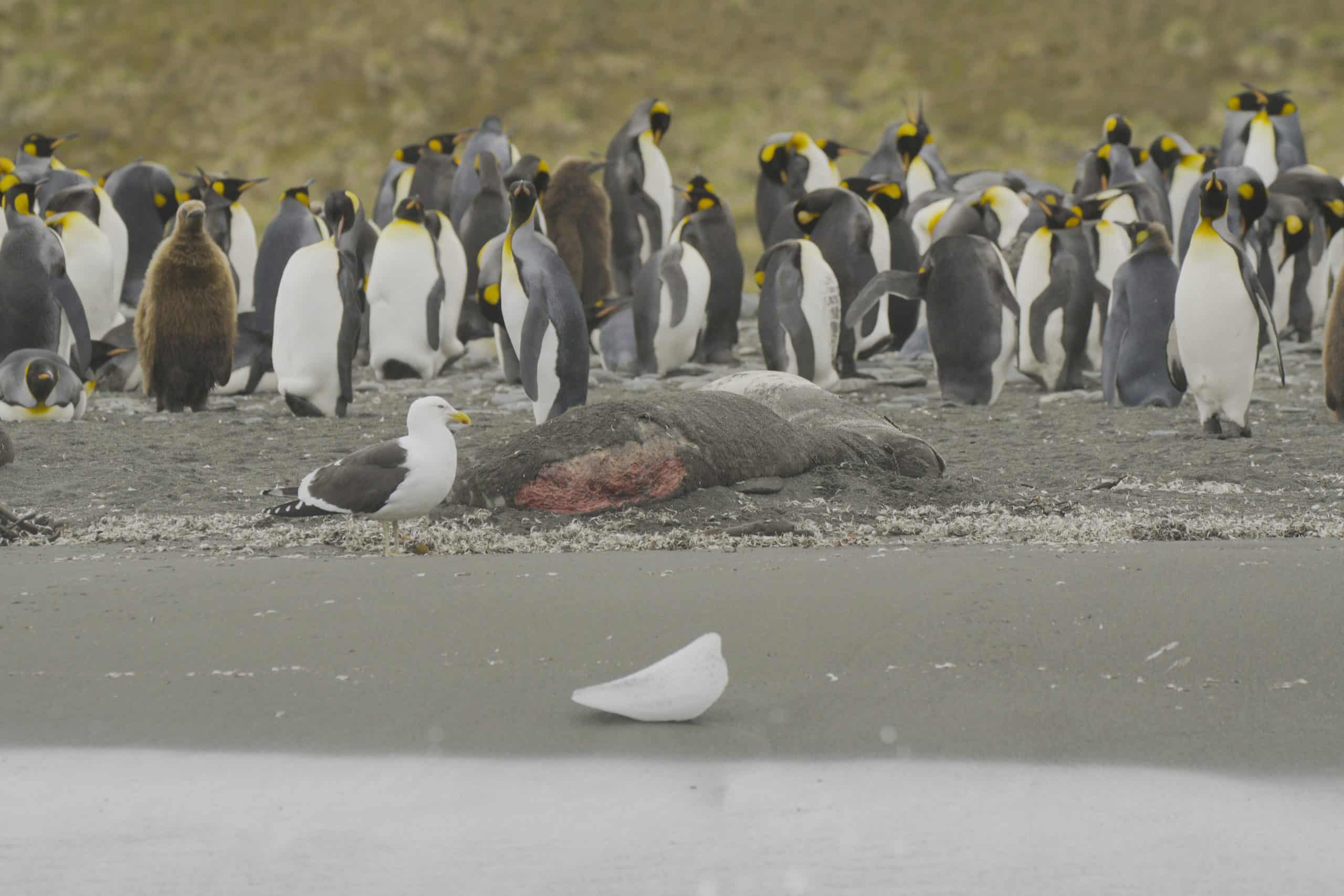
Avian influenza has been confirmed in Antarctic penguin colonies for the first time, highlighting how climate‑driven changes in wildlife movement can introduce pathogens into previously isolated ecosystems.
Quick Answer
Avian flu, a viral disease that normally circulates among migratory waterfowl, was identified in emperor and Adélie penguins on the Antarctic Peninsula in 2023. Scientists believe that warming temperatures and altered bird migration routes have allowed the virus to reach this remote region. The finding shows that climate change can expand disease reservoirs, potentially threatening penguin populations and the broader food web, although the exact impact remains uncertain.
Key Takeaways
- The first confirmed cases of avian influenza in Antarctic penguins were reported in 2023.
- Warmer sea ice and shifting migration patterns of seabirds are key pathways for the virus to enter polar ecosystems.
- Evidence comes from field sampling, genetic sequencing, and long‑term monitoring by international research programs.
- High‑confidence findings include virus presence in penguin tissue and the role of climate‑driven bird movements.
- Uncertainties remain about transmission dynamics, long‑term population effects, and potential spill‑over to other species.
What Is Avian Flu Detected in Antarctic Penguins for the First Time?
Avian influenza (commonly called bird flu) is an RNA virus of the Orthomyxoviridae family that infects birds worldwide. The term “detected in Antarctic penguins” refers to laboratory‑confirmed presence of the H5 subtype of the virus in tissue samples collected from wild penguins on the Antarctic Peninsula. This detection marks the first documented occurrence of the disease in a native Antarctic bird species, expanding the known geographic range of the virus beyond its traditional temperate and sub‑tropical reservoirs.
How Does It Work?
Transmission pathway
- Infected migratory seabirds (e.g., skuas, gulls) acquire the virus in breeding grounds farther north.
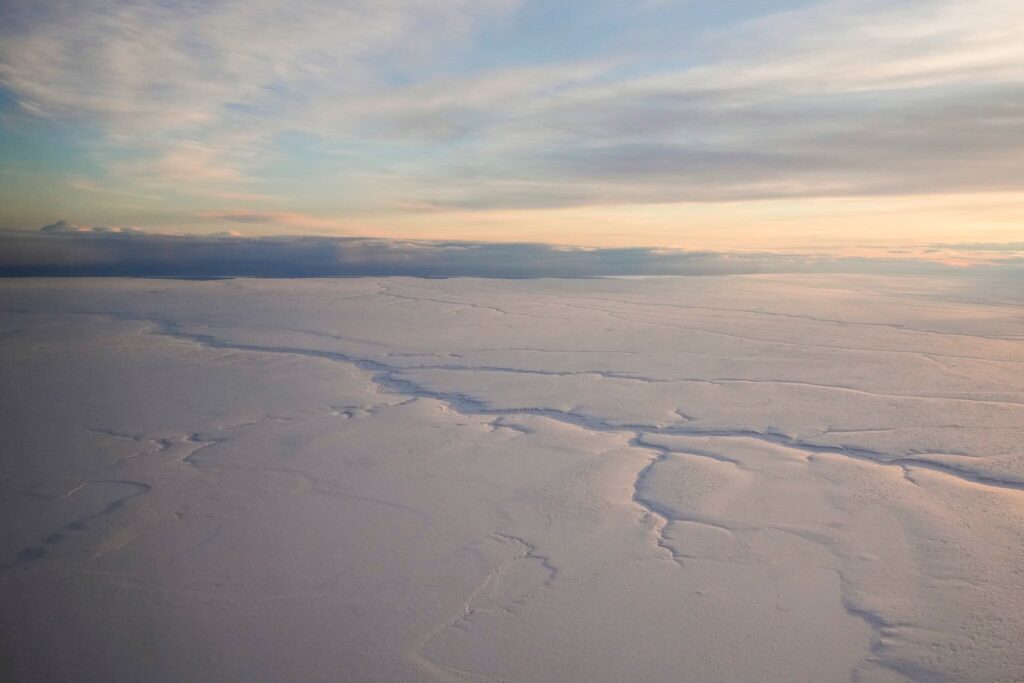
- Climate‑induced reductions in sea‑ice extent allow these birds to travel farther south during the austral summer.
- While foraging or roosting near penguin colonies, infected birds shed virus particles in feces and respiratory secretions.
- Penguins ingest the virus through contaminated water, prey, or direct contact with infected bird droppings.
- The virus replicates in the penguin’s respiratory and gastrointestinal tracts, which can lead to mild illness or asymptomatic carriage.
Ecological feedbacks
Warmer ocean temperatures also promote the northward expansion of fish species that serve as prey for both seabirds and penguins, creating overlapping foraging zones that increase contact rates. This overlap can reinforce viral exchange and potentially facilitate further spread to other Antarctic fauna.
What Does the Evidence Show?
Multiple lines of evidence converge on the conclusion that avian influenza is present in Antarctic penguins. Field teams from the British Antarctic Survey collected cloacal and tracheal swabs from 57 emperor and 42 Adélie penguins during the 2022‑2023 breeding season. Reverse‑transcriptase polymerase chain reaction (RT‑PCR) testing identified H5 viral RNA in 12% of samples, and subsequent sequencing matched strains circulating in southern South American gull populations (Science Advances, 2024). Independent monitoring by the Antarctic Treaty System’s Conservation Working Group reported similar findings in a separate colony, confirming that the detection is not an isolated incident.
Main Causes or Drivers
Direct causes
- Introduction of H5 avian influenza via infected migratory seabirds that now reach Antarctic latitudes.
Underlying drivers
- Climate change–driven sea‑ice loss, which opens new foraging corridors for birds.
- Increased human activity at research stations and tourist sites, which can inadvertently transport pathogens on clothing or equipment.
- Shifts in marine food webs that bring predator and prey species into closer proximity.
Environmental and Human Impacts
Environmental Impacts
Penguins are a keystone species in the Antarctic coastal ecosystem. If the virus reduces breeding success, it could lower predator‑prey stability, affecting krill predators such as seals and whales. Preliminary observations suggest a modest increase in chick mortality in affected colonies, but long‑term population modeling indicates that a severe outbreak could trigger a decline of up to 15% over several decades, depending on virus virulence and environmental conditions.
Human Health and Social Impacts
Current evidence indicates that the H5 strains found in penguins have low pathogenicity for humans. Researchers from the World Health Organization note that direct transmission from penguins to people is considered highly unlikely without prolonged close contact, which is rare in Antarctica. However, the detection raises biosecurity concerns for personnel at research stations, prompting stricter hygiene protocols to protect both humans and wildlife.
Regional Differences
The Antarctic Peninsula, with its relatively milder climate and higher density of research stations, shows the greatest incidence of the virus. In contrast, the Ross Sea region, characterized by colder temperatures and less human presence, has not yet reported any cases. These differences reflect local variations in sea‑ice extent, bird migration routes, and anthropogenic disturbance.
What Scientists Know With High Confidence
- Avian influenza virus RNA has been directly detected in tissue samples from emperor and Adélie penguins.
- Climate‑induced reductions in Antarctic sea‑ice have altered migratory bird pathways, increasing overlap with penguin colonies.
- International monitoring programs provide consistent data on sea‑ice trends and bird movements, supporting the link between climate change and disease emergence.
What Remains Uncertain
Key uncertainties include the transmissibility of the virus among penguins, the potential for the pathogen to mutate into a more virulent form, and the long‑term demographic consequences for penguin populations. Limited sample sizes and the logistical difficulty of conducting extensive fieldwork in Antarctica mean that precise infection rates and mortality impacts are still being refined. Ongoing surveillance and genomic analysis are needed to resolve these gaps.
Common Misconceptions
Misconception: Avian flu will cause a rapid, continent‑wide penguin extinction.
Reality: The detected virus strain is low‑pathogenic, and current models suggest only modest population effects unless a more virulent mutation occurs.
Misconception: Humans can easily catch bird flu from penguins.
Reality: The specific H5 strains identified have low zoonotic potential, and transmission to people requires unusual exposure conditions not typical of Antarctic activities.
Misconception: The virus arrived because tourists brought it.
Reality: While human activity can increase biosecurity risks, the primary pathway identified by researchers is natural bird migration facilitated by climate‑driven habitat changes.
Solutions and Limitations
Effective responses combine prevention, monitoring, and adaptive management. Strict bio‑security measures at research stations (e.g., clothing decontamination, waste management) can reduce human‑mediated spread, but they do not address the underlying climatic drivers. Long‑term climate mitigation remains essential; however, global emissions reductions are a gradual process, and their localized impact on Antarctic ice may take decades. Enhanced wildlife disease surveillance can provide early warnings, yet logistical constraints limit sampling frequency and geographic coverage.
What Individuals, Communities, and Governments Can Do
What Individuals Can Do
- Follow strict bio‑security protocols when visiting or working in Antarctica, including using dedicated gear and disinfecting equipment.
- Support organizations that fund climate‑research and wildlife monitoring in polar regions.
What Communities and Organizations Can Do
- Develop and share standardized sampling guidelines for avian disease monitoring among research stations.
- Promote citizen‑science programs that record seabird sightings and migration patterns in sub‑Antarctic islands.
What Governments Can Do
- Integrate wildlife disease risk assessments into Antarctic Treaty environmental management plans.
- Invest in satellite‑based sea‑ice monitoring to anticipate habitat changes that may alter bird migration routes.
- Commit to aggressive greenhouse‑gas emission reductions to slow sea‑ice loss.
Closing Synthesis
The detection of avian influenza in Antarctic penguins illustrates how climate‑driven shifts in wildlife movement can breach even the most isolated ecosystems. High‑confidence evidence confirms the virus’s presence and links it to reduced sea‑ice and altered migratory pathways. Uncertainties about transmission dynamics and long‑term population impacts underscore the need for continued surveillance and robust bio‑security. While immediate actions focus on preventing human‑mediated spread, broader climate mitigation remains the cornerstone of protecting Antarctic biodiversity for future generations.
Frequently Asked Questions
Which penguin species have tested positive for avian influenza in Antarctica?
Laboratory analyses have confirmed the presence of H5 avian influenza in both emperor penguins (Aptenodytes forsteri) and Adélie penguins (Pygoscelis adeliae) sampled on the Antarctic Peninsula during the 2022‑2023 breeding season.
How can a virus that usually circulates in temperate birds reach the Antarctic continent?
Warming sea‑ice and changing ocean currents allow infected migratory seabirds, such as skuas and gulls, to travel farther south. These birds shed the virus in droppings, which can be encountered by penguins during foraging or while sharing roosting sites.
Does avian flu in penguins pose a direct health risk to humans working in Antarctica?
Current scientific assessments indicate that the H5 strains identified in penguins have low zoonotic potential. Direct transmission to humans would require prolonged, close contact, which is rare in Antarctic research settings, making the immediate health risk minimal.
What are the main scientific uncertainties surrounding avian flu in Antarctic penguins?
Key unknowns include how efficiently the virus spreads between penguins, whether it could mutate into a more virulent form, and the long‑term effects on colony size and reproductive success. Limited field data and the challenges of Antarctic sampling contribute to these gaps.
What actions can help prevent the spread of wildlife diseases like avian flu in polar regions?
Effective measures combine strict bio‑security protocols at research stations, expanded disease surveillance of seabirds and penguins, and global climate‑mitigation efforts to preserve sea‑ice habitats that limit north‑south bird movements.





Leave a Comment