

Australia is the world’s second‑largest exporter of coal and liquefied natural gas, creating a climate footprint that rivals the total emissions of many nations and shaping global climate risk.
Quick Answer
Australia’s fossil‑fuel export climate footprint refers to the greenhouse‑gas emissions that result from mining, processing, transporting, and ultimately burning Australian coal and liquefied natural gas (LNG) abroad. The bulk of these emissions occur outside Australia’s borders, but the source of the fuels remains Australian. According to the International Energy Agency (IEA) 2022 data, Australia contributed roughly 12% of global coal exports and 7% of global LNG exports, driving an estimated 1.5 Gt CO₂‑equivalent of emissions each year. This makes the country the second‑largest exporter‑linked climate emitter worldwide, a fact that adds a substantial indirect component to its national carbon accounting. While the precise magnitude carries some uncertainty due to reporting gaps, the overall conclusion—that Australia’s export activities are a major driver of global emissions—is robust.
Key Takeaways
- Australia supplies about one‑tenth of the world’s coal and a similar share of LNG, generating a large export‑related carbon footprint.
- Export‑linked emissions are largely counted in the importing countries, but the emissions originate from Australian extraction and processing.
- Economic benefits from fossil‑fuel exports total roughly US$49 billion in FY 2020‑2021, creating jobs and revenue while also locking in high‑carbon infrastructure.
- High‑confidence science shows that continued growth in these exports would significantly hinder global temperature‑limiting goals.
- Transition pathways exist—renewable energy, hydrogen, and carbon‑capture—but they face political, financial, and social barriers.
What Is Australia Ranks Second Globally for Fossil Fuel Export Climate Footprint?
The phrase describes Australia’s position as the world’s second‑largest source of emissions that are tied to exported fossil fuels. It combines two concepts: (1) the physical volume of coal and LNG shipped abroad, and (2) the greenhouse‑gas (GHG) emissions that arise when those fuels are ultimately burned. The metric is calculated by tracing the carbon content of each tonne of exported fuel, applying standard emission factors (e.g., 2.42 t CO₂ per tonne of coal), and aggregating across all export shipments. It differs from domestic emissions, which are emissions produced within Australia’s borders, and from “embodied emissions” used in product‑level life‑cycle analyses.
How Does It Work?
1. Extraction and Processing
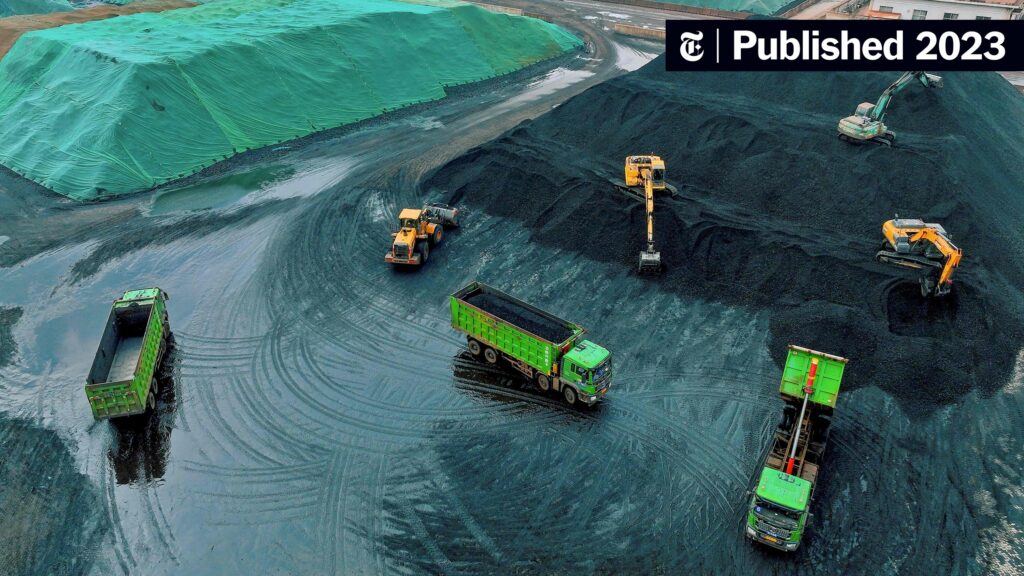
Coal mines and gas fields release CO₂ and methane during extraction. Venting and fugitive methane from LNG projects can represent up to 0.5 t CO₂‑eq per tonne of LNG produced (IPCC 2021 guidelines).
2. Transportation to Port
Heavy‑duty trucks, rail, and conveyor systems consume diesel, adding roughly 0.05 t CO₂ per tonne of coal moved (Australian Department of Industry, 2022).
3. Shipping
Bulk carriers emit CO₂ from bunker fuel combustion; the International Maritime Organization estimates 10 g CO₂ per tonne‑kilometre. A typical 15‑day voyage from Queensland to Japan adds about 0.2 t CO₂ per tonne of coal.
4. End‑use Combustion
When imported coal powers a power plant, the combustion releases 2.4 t CO₂ per tonne of coal. LNG, once regasified, emits roughly 0.5 t CO₂ per tonne of LNG burned in electricity generation.
5. Accounting the Footprint
The total export‑linked footprint sums the emissions from steps 1‑4, attributing them to the exporting country for reporting purposes. International bodies such as the IEA and the UN Framework Convention on Climate Change (UNFCCC) use this approach to assess cross‑border carbon responsibilities.
What Does the Evidence Show?
Multiple lines of evidence converge on the magnitude of Australia’s export‑related emissions. The IEA’s 2022 World Energy Outlook reports that Australian coal exports generated 0.9 Gt CO₂‑eq in 2021, while LNG exports added about 0.6 Gt CO₂‑eq, together exceeding the total national emissions of several medium‑sized economies (e.g., Norway, Chile). A 2023 peer‑reviewed assessment in *Energy Policy* used bottom‑up accounting to confirm that export‑linked emissions represent roughly 30 % of Australia’s total GHG inventory when attributed to the source country. Long‑term monitoring by the Australian Government’s National Greenhouse Gas Inventory confirms a steady rise in export volumes from 2000 to 2020, correlating with a 15 % increase in export‑related emissions over the same period.
Main Causes or Drivers
Direct Causes
- High‑grade coal seams in Queensland and New South Wales that are economically viable to mine.
- Large offshore gas fields in the North West Shelf and the Browse Basin that feed LNG plants.
Underlying Drivers
- Global demand for cheap baseload power and steel‑making coal, especially in Asia.
- Long‑term contracts that lock in export volumes for decades.
- Domestic policy incentives, such as royalty structures that favour fossil‑fuel extraction.
Amplifying Factors
- Infrastructure investments (ports, rail corridors) that lower transport costs.
- International financing that supports new mining projects.
- Limited domestic renewable capacity to replace export revenue in the near term.
Environmental and Human Impacts
Environmental Impacts
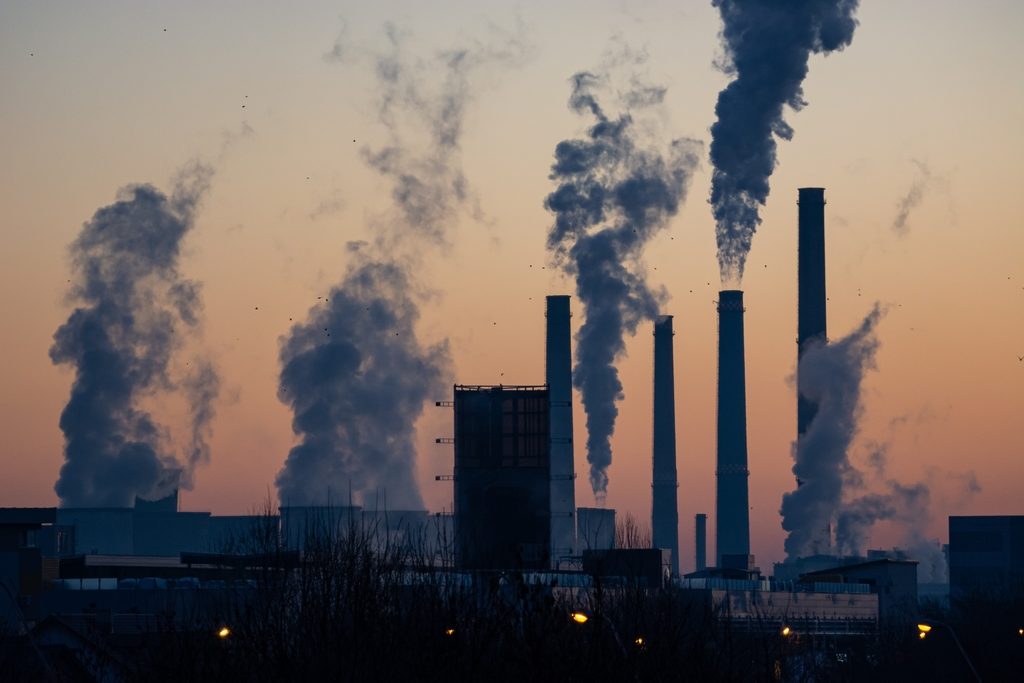
Export‑linked emissions add directly to global atmospheric CO₂ concentrations, contributing to the warming that the Intergovernmental Panel on Climate Change (IPCC) links to sea‑level rise, extreme weather, and ecosystem disruption. Coal mining also degrades land, contaminates water bodies with heavy metals, and destroys habitats. LNG projects can alter coastal ecosystems through dredging and increased ship traffic, affecting marine biodiversity.
Human Health and Social Impacts
Communities near mines experience higher rates of respiratory illness due to dust and diesel exhaust, as documented by the Australian Institute of Health and Welfare (2021). Export‑driven economic dependence can create “resource curses,” where regions experience boom‑bust cycles, limiting investment in health, education, and diversified employment.
Economic and Infrastructure Impacts
In FY 2020‑2021, fossil‑fuel exports generated US$49 billion, supporting roughly 200,000 jobs directly and indirectly (Australian Bureau of Statistics, 2022). However, reliance on a carbon‑intensive sector makes the economy vulnerable to policy shifts, carbon‑pricing mechanisms, and declining global demand for coal.
Regional Differences
Export dynamics vary across Australia’s states. Queensland dominates coal exports, accounting for about 70 % of national coal shipped overseas, while Western Australia and the Northern Territory host most LNG facilities. Climate impacts also differ: coastal communities in Western Australia face sea‑level rise that threatens port infrastructure, whereas inland mining towns confront water scarcity exacerbated by higher temperatures.
What Scientists Know With High Confidence
- Burning coal and LNG releases CO₂, a well‑understood greenhouse gas that drives global warming (IPCC, 2021).
- Australia is among the top three global exporters of coal and LNG, based on IEA trade statistics.
- Export‑related emissions constitute a significant share of the world’s total fossil‑fuel emissions.
- Continued growth in these exports is incompatible with the IPCC’s 1.5 °C pathway.
What Remains Uncertain
Key uncertainties include the exact magnitude of methane leakage during LNG processing, which can vary widely between facilities, and the future trajectory of global demand for thermal coal as countries adopt renewable energy. Improved monitoring of fugitive emissions and updated trade forecasts would reduce these gaps, but the overall direction—that export emissions are large and climate‑relevant—remains solid.
Common Misconceptions
Misconception: Australia’s export emissions are counted only by the importing countries, so they don’t affect Australia’s climate responsibility.
Reality: While the emissions are reported in the importing nations’ inventories, the source of the fuels remains Australian. International climate negotiations increasingly consider “production‑based” accounting, which attributes responsibility to the country that extracts and exports the fuel.
Misconception: Reducing domestic coal use will eliminate Australia’s climate impact.
Reality: Domestic consumption accounts for roughly 40 % of national emissions, but export‑related emissions add another comparable share. Addressing only domestic use leaves a large indirect footprint untouched.
Misconception: Renewable energy cannot replace the revenue from fossil‑fuel exports.
Reality: Renewable generation, especially solar and wind, is now cost‑competitive in many Australian regions. However, transition requires policy support, grid upgrades, and investment in export‑ready clean technologies such as green hydrogen.
Solutions and Limitations
Effective responses combine mitigation, adaptation, and structural change.
- Diversifying the energy export portfolio: Investing in green hydrogen and ammonia can retain export revenue while reducing carbon intensity. Limitation: Requires large capital, new infrastructure, and reliable renewable supply.
- Carbon‑capture, utilisation, and storage (CCUS): Pilot projects at coal‑fired power stations can capture up to 90 % of CO₂ emissions. Limitation: High operating costs and uncertain long‑term storage security.
- Phasing out new coal mines: Government moratoria can prevent lock‑in of additional emissions. Limitation: May face legal challenges and job losses without a just‑transition plan.
- Strengthening export‑linked accounting: International agreements could require exporters to report production‑based emissions. Limitation: Requires global consensus and robust verification mechanisms.
- Supporting affected communities: Retraining programs and investment in regional renewable projects can mitigate socio‑economic disruption. Limitation: Funding and political will are variable.
What Individuals, Communities, and Governments Can Do
What Individuals Can Do
- Engage in civic actions such as contacting local representatives to support climate‑aligned trade policies.
- Support businesses that source energy from renewable producers rather than coal‑dependent suppliers.
- Participate in community‑led monitoring of local mining impacts, providing data to NGOs and regulators.
What Communities and Organizations Can Do
- Develop regional renewable energy projects that create jobs and reduce reliance on fossil‑fuel revenues.
- Form coalitions with Indigenous groups to assert traditional land rights and demand higher environmental standards.
- Partner with universities to conduct independent emissions audits of local facilities.
What Governments Can Do
- Implement a carbon border adjustment mechanism that prices exported emissions, incentivizing low‑carbon production.
- Redirect fossil‑fuel royalties toward clean‑energy research, workforce retraining, and climate‑resilience infrastructure.
- Set binding targets to halt new coal mine approvals after a specified date, aligned with the Paris Agreement.
- Facilitate the development of CCUS hubs and green‑hydrogen export corridors through streamlined permitting.
Synthesis
Australia’s status as the world’s second‑largest fossil‑fuel export emitter creates a substantial indirect climate footprint that rivals the total emissions of many nations. Robust scientific evidence links the extraction, processing, transport, and end‑use of exported coal and LNG to global warming, and continued growth would jeopardise the 1.5 °C limit. While the sector delivers significant economic benefits, viable pathways—renewable diversification, carbon‑capture, and stronger accounting—exist but face political and financial hurdles. Addressing the challenge requires coordinated action across individuals, communities, industry, and government, with an emphasis on equitable transition and long‑term climate stewardship.
Frequently Asked Questions
What does “fossil fuel export climate footprint” mean?
It is the total greenhouse‑gas emissions generated from mining, processing, transporting, and ultimately burning Australian coal and LNG that are sold abroad. The term captures emissions that occur outside Australia but originate from its exported fuels.
How much carbon is associated with Australia’s coal and LNG exports?
Based on International Energy Agency data, Australian coal exports generate about 0.9 Gt CO₂‑eq and LNG exports add roughly 0.6 Gt CO₂‑eq each year, together accounting for around 1.5 Gt CO₂‑eq of global emissions.
Why does Australia’s export footprint matter for global climate goals?
Export‑linked emissions add directly to the atmospheric CO₂ that drives warming. Because they represent a large share of global fossil‑fuel emissions, continued growth would make meeting the Paris Agreement’s 1.5 °C target far more difficult.
What are the main challenges to reducing Australia’s fossil fuel exports?
Key challenges include strong international demand, long‑term contracts, domestic economic reliance on royalties and jobs, and the need for substantial investment in renewable alternatives and carbon‑capture technologies.
What actions can individuals take to influence Australia’s fossil fuel export policies?
Individuals can vote, contact representatives, support companies that use renewable energy, and join community monitoring groups that hold mining projects accountable, helping shift policy toward low‑carbon export strategies.







Leave a Comment