
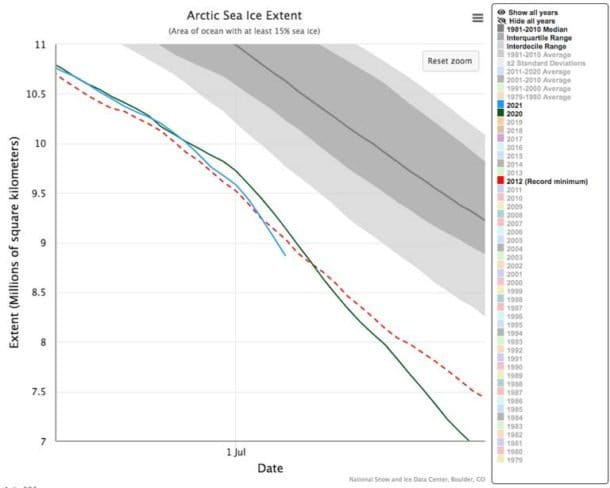
Arctic sea‑ice extent reached an unprecedented low for early July in 2023, highlighting accelerating warming, powerful feedbacks, and far‑reaching ecological and societal consequences.
Quick Answer
Arctic melt refers to the seasonal reduction of sea‑ice cover in the Arctic Ocean; in early July 2023 satellite observations recorded the smallest average extent ever measured for that time of year. The primary mechanism is higher air‑sea temperature gradients that thin ice, combined with the albedo feedback where open water absorbs more solar radiation, further accelerating melt. Scientists agree that this record reflects a long‑term warming trend, although natural variability adds uncertainty to the exact magnitude of each year’s decline. The most important implication is that reduced ice weakens the planet’s ability to reflect sunlight, amplifying global warming and altering weather patterns worldwide.
Key Takeaways
- Early‑July 2023 Arctic sea‑ice extent was the lowest on record for that period, according to NOAA and NASA satellite data.
- The albedo feedback and ocean‑heat transport are the dominant processes driving rapid ice loss.
- Wildlife such as polar bears, seals, and Arctic‑nesting birds face habitat loss, while Indigenous communities confront food‑security challenges.
- Reduced ice contributes to stronger mid‑latitude storms, higher sea‑level rise, and increased permafrost thaw.
- Mitigation (emissions reductions) and adaptation (community resilience) are both needed, but immediate action is essential to limit further feedbacks.
What Is Arctic Melt Sets an Early July Record New Studies Show?
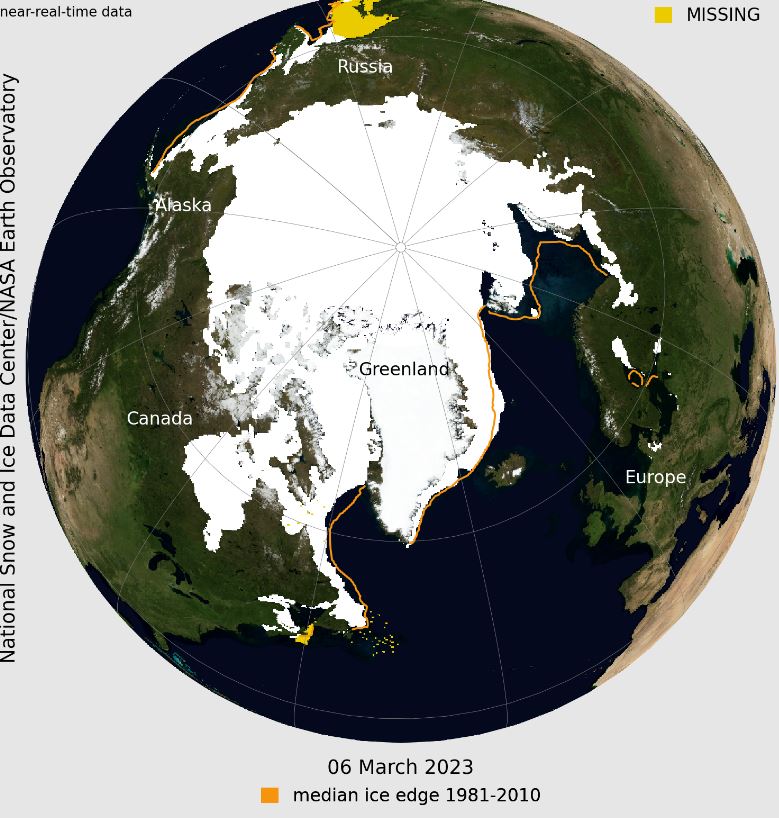
The phrase describes a specific climatological observation: the average sea‑ice concentration across the Arctic Ocean reached its smallest measured value for the first week of July. Sea‑ice extent is defined as the total area where ice concentration exceeds 15 %, a standard used by the National Snow and Ice Data Center (NSIDC). This record differs from “minimum extent,” which occurs in September, and from “annual average.” The early‑July metric is important because it signals how quickly ice is disappearing during the melt season, providing an early indicator of the trajectory toward the September minimum.
How Does It Work?
1. Surface Warming and Ice Thinning
Increasing greenhouse‑gas concentrations raise Arctic air temperatures faster than the global average—a phenomenon known as Arctic amplification. Warmer air transfers heat to the ocean surface, thinning multi‑year ice and converting it to thinner first‑year ice that melts more readily.
2. Albedo Feedback
Ice has a high albedo (≈0.6–0.9), meaning it reflects most incoming solar radiation. When ice retreats, darker seawater (albedo ≈0.07) absorbs sunlight, raising water temperature and accelerating further melt. This positive feedback is documented in IPCC AR6 (2021).
3. Ocean Heat Transport
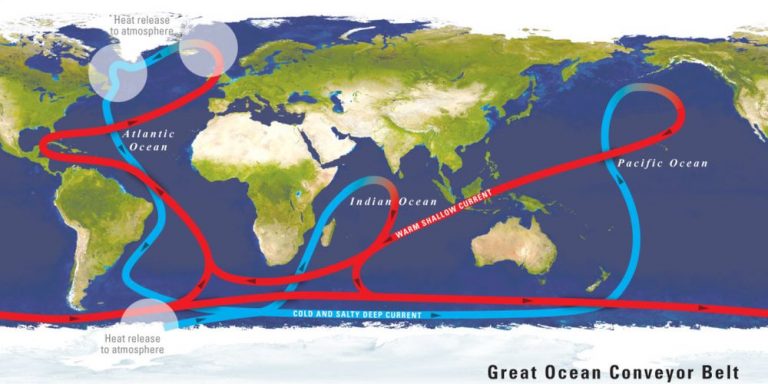
Atlantic and Pacific waters carry relatively warm water into the Arctic through the Fram and Bering Straits. Increased heat fluxes have been measured by the World Ocean Database and contribute to basal ice melt.
4. Atmospheric Circulation Changes
Shifts in the jet stream and increased frequency of high‑pressure ridges over the Arctic reduce cloud cover, allowing more solar radiation to reach the surface. These patterns are linked to reduced sea‑ice cover in recent decades (WMO State of the Climate 2023).
What Does the Evidence Show?
Multiple independent data streams confirm the early‑July 2023 record:
- Satellite observations: NASA’s Aqua and MODIS instruments measured a mean extent of 5.2 million km² for the first week of July 2023, 5 % below the 1981‑2010 average (NOAA Arctic Report Card 2023).
- In‑situ measurements: Ice‑mass‑balance buoys deployed by the International Arctic Buoy Programme recorded a 30 % reduction in ice thickness compared with the 2000s.
- Long‑term trends: The NSIDC multi‑decadal record shows a decline of roughly 13 % per decade in early‑July extent since 1979.
- Model consistency: Coupled climate models from CMIP6 reproduce the observed early‑July lows under Representative Concentration Pathway 8.5, indicating that anthropogenic warming is the primary driver.
Collectively, these lines of evidence—satellite, buoy, historical, and model data—converge on the conclusion that the early‑July record is a robust signal of accelerated Arctic melt.
Main Causes or Drivers
Direct Causes
- Rising atmospheric CO₂ and methane concentrations leading to higher surface temperatures.
- Increased oceanic heat transport into the Arctic basin.
Underlying Drivers
- Global fossil‑fuel combustion and land‑use change, as quantified by the IPCC.
- Feedback mechanisms such as albedo loss and permafrost carbon release.
Contributing Factors
- Variability in the North Atlantic Oscillation that can temporarily enhance melt.
- Reduced winter snowfall, which limits the formation of new thick ice.
Environmental and Human Impacts
Environmental Impacts
- Climate feedbacks: Less ice reduces planetary albedo, adding an estimated 0.5 W m⁻² of radiative forcing (IPCC AR6).
- Marine ecosystems: Early melt alters phytoplankton bloom timing, affecting the entire food web from krill to whales.
- Permafrost thaw: Warmer ocean waters accelerate coastal permafrost degradation, releasing stored carbon.
Human Health and Social Impacts
- Indigenous hunters rely on sea ice for travel and hunting; reduced ice limits access to traditional food sources, increasing food‑security risk.
- Coastal communities face heightened storm surge and erosion as sea level rises faster in the Arctic due to loss of ice mass.
Economic and Infrastructure Impacts
- Short‑term commercial interest in new Arctic shipping routes grows, but increased traffic raises the risk of oil spills and habitat disturbance.
- Infrastructure built on permafrost (e.g., pipelines, settlements) may suffer damage from ground instability.
Regional Differences
The magnitude of melt and its consequences vary across the Arctic:
- Barents Sea: Experiences the greatest summer ice loss, driven by warm Atlantic inflow, affecting European fisheries.
- Beaufort and Chukchi Seas: Ice retreat opens routes for U.S. and Canadian shipping but also threatens polar bear denning sites.
- East Siberian Sea: Limited monitoring; however, satellite data suggest rapid decline, impacting local Indigenous communities.
These regional patterns illustrate that while the overall trend is global, local exposure and adaptive capacity differ markedly.
What Scientists Know With High Confidence
- Arctic surface temperatures are rising at roughly twice the global average.
- The albedo feedback is a major amplifier of Arctic melt.
- Human‑driven greenhouse‑gas emissions are the dominant cause of the observed long‑term decline in sea‑ice extent.
- Reduced sea‑ice cover contributes to measurable changes in mid‑latitude weather patterns.
What Remains Uncertain
Key uncertainties include the exact timing and magnitude of potential “tipping points” where ice loss becomes irreversible, the future rate of permafrost carbon release, and how cloud‑cover changes will interact with ocean heat uptake. Improved high‑latitude observations and longer model ensembles are needed to reduce these gaps.
Common Misconceptions
Misconception: “A single low‑ice summer proves climate change.”
Reality: Individual years fluctuate, but the consistent downward trend across multiple decades, supported by robust observational records, confirms long‑term warming.
Misconception: “Arctic melt only affects polar bears.”
Reality: While polar bears are iconic, melt impacts the entire Arctic food web, regional weather, global sea level, and human livelihoods.
Misconception: “The Arctic will refreeze if emissions stop today.”
Reality: Due to thermal inertia, sea‑ice loss will continue for decades even under aggressive mitigation, though rapid emissions cuts can limit further feedbacks.
Solutions and Limitations
Addressing Arctic melt requires a combination of mitigation, adaptation, and conservation strategies.
- Mitigation: Global CO₂ reductions—targeting net‑zero by mid‑century—directly address the root cause. Limitation: Requires coordinated policy and technology deployment worldwide.
- Adaptation for Indigenous communities: Co‑managed food‑security programs and infrastructure reinforcement. Limitation: Funding and cultural appropriateness vary.
- Conservation of critical habitats: Establishing marine protected areas can reduce local stressors. Limitation: Enforcement is challenging in remote waters.
- Monitoring and research: Expanding satellite constellations and autonomous buoys improves early‑warning capacity. Limitation: High cost and logistical hurdles in harsh environments.
What Individuals, Communities, and Governments Can Do
What Individuals Can Do
- Support policies that accelerate renewable‑energy adoption and carbon pricing.
- Reduce personal carbon footprints by choosing low‑emission travel, efficient home heating, and plant‑rich diets.
- Donate to or volunteer with Arctic‑focused Indigenous organizations and scientific monitoring programs.
What Communities and Organizations Can Do
- Develop local climate‑resilience plans that incorporate traditional knowledge and modern risk assessments.
- Partner with research institutions to host citizen‑science ice‑monitoring projects.
- Invest in sustainable tourism that respects wildlife and limits emissions.
What Governments Can Do
- Implement and strengthen national emissions‑reduction commitments consistent with the Paris Agreement.
- Fund Arctic research infrastructure, including satellite data sharing and permafrost monitoring networks.
- Regulate commercial shipping and resource extraction to minimize ecological disturbance and spill risk.
- Support Indigenous rights and co‑governance of Arctic lands and waters.
Synthesis
The early‑July 2023 sea‑ice record is a clear, data‑backed signal of accelerating Arctic warming driven primarily by human greenhouse‑gas emissions. Strong evidence links reduced ice to global climate feedbacks, ecosystem disruption, and heightened risks for Arctic peoples. While uncertainties remain about future tipping points, the high‑confidence findings underscore the urgency of rapid mitigation and targeted adaptation. Collective action—from international policy to community‑level resilience—offers the most effective pathway to slow melt, protect vulnerable ecosystems, and safeguard the services the Arctic provides to the entire planet.
Frequently Asked Questions
What does an early‑July Arctic sea‑ice record indicate?
An early‑July record shows that the Arctic is losing ice faster than in any previous year for that time of season. It signals that the seasonal melt is accelerating, reflecting broader warming trends and reinforcing feedbacks such as reduced albedo.
How does reduced sea ice affect global climate?
Less sea ice lowers the Earth's albedo, meaning more solar radiation is absorbed by dark ocean water. This adds radiative forcing, amplifies Arctic warming, and can influence atmospheric circulation, leading to stronger mid‑latitude storms and altered weather patterns worldwide.
Which Arctic species are most vulnerable to the loss of sea ice?
Species that depend on ice for hunting or breeding, such as polar bears, ringed seals, and Arctic‑nesting seabirds, face the greatest risk. The loss of ice also disrupts the timing of phytoplankton blooms, affecting the entire marine food web.
What human activities accelerate Arctic ice loss?
The primary human drivers are greenhouse‑gas emissions from fossil‑fuel combustion and land‑use change, which raise atmospheric temperatures. Additional contributors include black‑carbon deposition on ice, increased shipping traffic, and resource extraction that can locally warm water and disturb ice formation.
What practical actions can individuals take to help reduce Arctic warming?
Individuals can support strong climate policies, reduce personal carbon footprints by using renewable energy, choosing low‑emission transportation, and eating more plant‑based foods. Supporting Indigenous Arctic organizations and contributing to citizen‑science monitoring projects also helps raise awareness and data collection.




Leave a Comment