
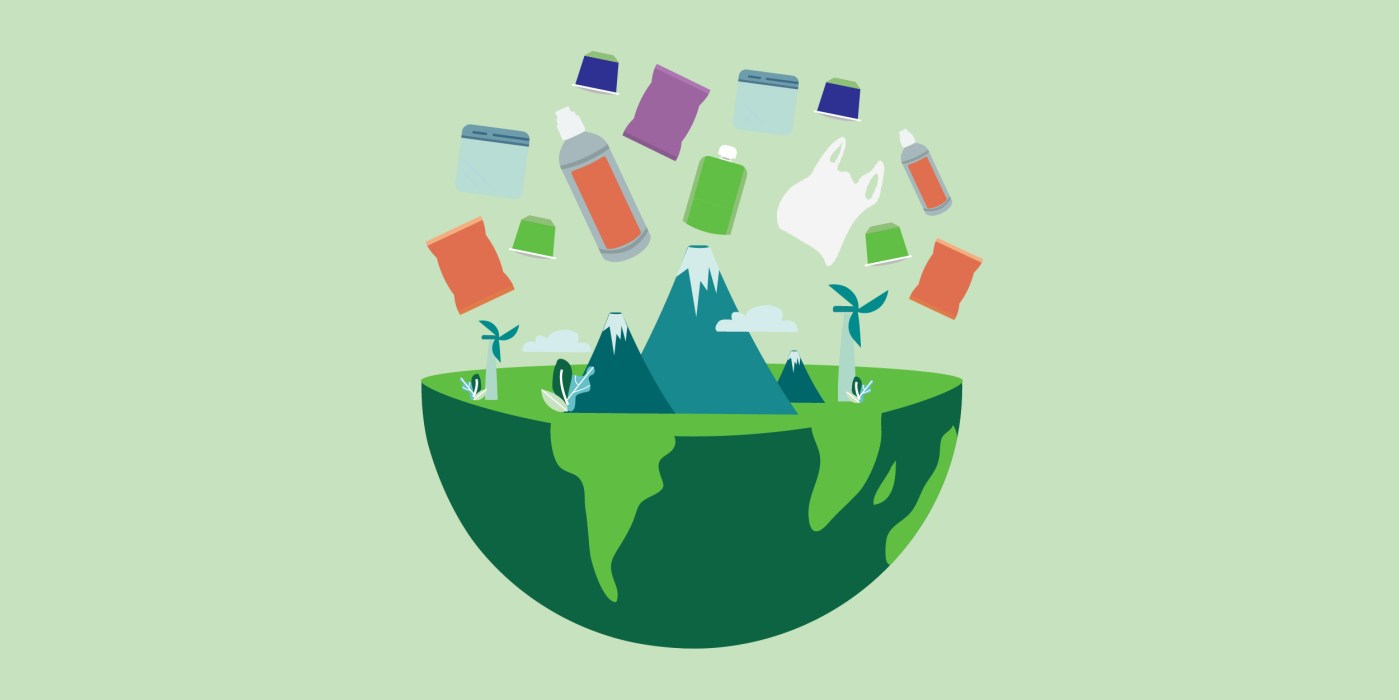
Plastic‑free policies—bans, fees, or restrictions on single‑use items—can sharply cut targeted plastic waste when they are backed by strong waste‑management systems, enforcement, and public engagement, though outcomes vary across regions.
Quick Answer
Plastic‑free policies are regulatory tools that limit or tax single‑use plastics, creating market signals that reduce production and consumption. When paired with robust collection, recycling or composting infrastructure and sustained public‑awareness campaigns, they have been shown to lower the volume of targeted items by 70 %–90 % in several high‑income countries. In low‑ and middle‑income settings, weaker enforcement and limited waste services can blunt impacts, leading to modest or mixed results. Overall, the scientific consensus is that such policies are effective as part of an integrated circular‑economy approach, but success depends on local capacity and complementary measures.
Key Takeaways
- Enforcement and waste‑management capacity are the primary drivers of policy success.
- High‑income nations with mature recycling streams report the largest reductions in single‑use plastics.
- In many developing countries, gaps in collection infrastructure and informal‑sector dynamics limit effectiveness.
- Combined strategies—bans, fees, product redesign, and education—yield the greatest environmental gains.
- Uncertainties remain around long‑term microplastic leakage, substitution effects, and equity outcomes.
What Is Do Plastic‑Free Policies Actually Work? Evidence From Around the World?
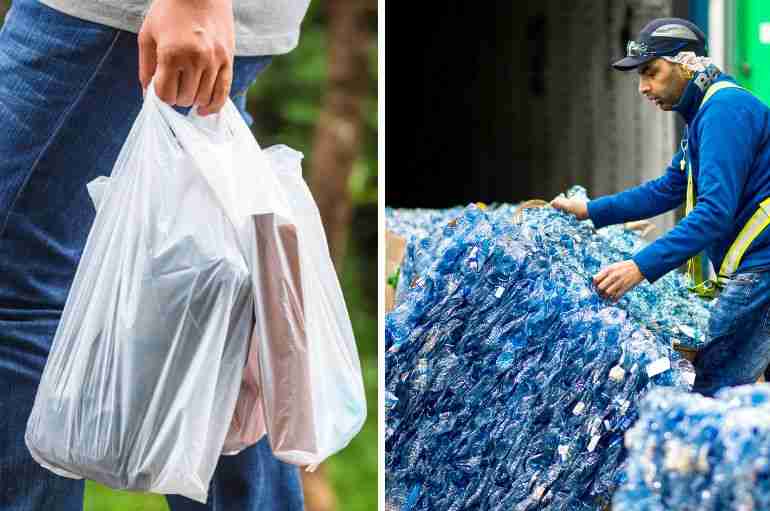
Plastic‑free policies refer to legislative or regulatory measures that limit, tax, or prohibit the production, sale, or use of single‑use plastic items such as bags, straws, cutlery, and certain packaging. These measures range from nationwide bans (e.g., Rwanda’s 2008 ban on non‑essential plastic bags) to localized fees (e.g., Ireland’s 2002 plastic‑bag levy). Unlike broader waste‑management strategies that focus on collection and recycling, plastic‑free policies target the source of plastic generation, aiming to prevent waste before it enters the waste stream. The issue matters because single‑use plastics comprise roughly 40 % of global plastic waste, much of which ends up in oceans, soils, and the atmosphere, threatening biodiversity, human health, and ecosystem services.
How Does It Work?
1. Reducing Production and Consumption
Legislation raises the cost of single‑use items, prompting manufacturers to redesign products and consumers to shift toward reusable alternatives. Economic theory predicts that higher prices reduce demand, a mechanism confirmed by observed declines in sales of taxed items.
2. Altering Waste Flows
When a product is banned or taxed, the volume of that material entering municipal waste streams declines. This eases pressure on collection systems and increases the relative share of recyclables, improving overall recovery rates.
3. Enabling Circular‑Economy Loops
Many policies couple restrictions with incentives for recycled‑content products or extended producer responsibility (EPR) schemes. By reducing demand for virgin plastic and creating a market for recycled material, these loops keep plastic in use longer.
4. Driving Behavioural Change
Public‑awareness campaigns that accompany bans help embed new habits—such as carrying reusable bags—into daily routines, reinforcing the policy’s impact beyond the immediate price signal.
What Does the Evidence Show?
Multiple lines of evidence converge on a nuanced picture. In New Zealand, a 2019 nationwide bag ban led to an 84 % decline in plastic‑bag sales by 2022 (Ministry for the Environment, 2022) and a corresponding rise in reusable‑bag use. Rwanda’s 2008 ban on non‑essential plastic bags coincided with a 95 % reduction in visible plastic litter in Kigali (Rwanda Environment Management Authority, 2021). The European Union’s Single‑Use Plastics Directive (2021), which combines bans with EPR, has been associated with a 30 % drop in single‑use plastic consumption across member states between 2019 and 2023 (European Environment Agency, 2024). By contrast, India’s 2018 ban on thin‑film plastics reduced production of the targeted grade by 20 % (Ministry of Environment, 2020), but illegal markets and limited collection infrastructure meant overall plastic‑waste generation remained largely unchanged. In the United States, San Francisco’s zero‑waste ordinance—including a plastic‑bag fee—achieved a 60 % reduction in plastic‑bag waste in the municipal stream from 2015 to 2020 (San Francisco Department of the Environment, 2021). These case studies illustrate that policies are most effective when they are enforced, monitored, and supported by robust recycling or composting services.
Main Causes or Drivers
Direct Causes
Single‑use plastic items are produced because they are cheap, lightweight, and perceived as convenient for consumers and businesses.
Underlying Drivers
Global demand for packaged goods, rapid urbanisation, and low‑cost petrochemical feedstocks sustain high production rates. In many low‑income contexts, lack of affordable alternatives and weak regulatory capacity amplify reliance on disposables.
Contributing Factors
- Consumer habits that prioritise convenience.
- Insufficient public‑awareness campaigns.
- Limited access to affordable reusable options.
- Strong civil‑society advocacy and clear labelling can accelerate compliance.
Environmental and Human Impacts
Environmental Impacts
Reduced plastic leakage improves marine biodiversity; fewer sea‑turtle entanglements have been reported in regions with effective bans. A 2022 systematic review by the United Nations Environment Programme found a 25 % decline in microplastic concentrations in coastal waters of areas with strong source‑reduction policies over a five‑year period.
Human Health and Social Impacts
Microplastics can enter the food chain, and while health effects at typical exposure levels remain uncertain, the precautionary principle motivates many policies. Socially, bans can cause short‑term job shifts in plastic‑manufacturing sectors; however, retraining programmes in Rwanda and New Zealand have mitigated employment losses.
Economic and Infrastructure Impacts
Implementation costs vary. New Zealand’s bag ban required a NZ$3 million public‑education budget, while Rwanda’s enforcement relied on community patrols and modest fines costing less than US$1 million annually. These costs are generally outweighed by reductions in litter‑cleanup and ecosystem‑service losses.
Regional Differences
High‑income, temperate nations typically have well‑developed recycling streams, enabling rapid waste‑reduction outcomes. In contrast, many tropical and low‑income regions lack collection infrastructure, leading to informal reuse or illegal dumping. Kenya’s 2017 plastic‑bag ban achieved 90 % compliance in urban Nairobi but only 45 % in peri‑urban settlements, reflecting enforcement disparities. Such patterns underscore that policy design must align with local capacity.
What Scientists Know With High Confidence
- Single‑use plastics constitute a major share of marine litter and microplastic pollution.
- Source‑reduction policies (bans, fees, EPR) consistently lower the quantity of targeted plastics in waste streams when enforcement is strong.
- Behavioural change is essential; policies alone rarely achieve lasting reductions without public‑awareness components.
- Circular‑economy measures that combine reduction, reuse, and recycling outperform single‑instrument approaches.
What Remains Uncertain
Key knowledge gaps include the long‑term fate of microplastics that persist after source reductions, the net environmental benefit of alternative materials such as paper or biodegradable polymers, and the socioeconomic equity impacts of bans in economies that rely on informal plastic‑recycling sectors. More longitudinal monitoring across diverse contexts would clarify these issues.
Common Misconceptions
Misconception: Banning a single product eliminates plastic pollution.
Reality: Bans reduce the volume of the targeted item but do not address other plastic sources; comprehensive strategies are required for ecosystem‑level improvements.
Misconception: Recycling alone can solve the plastic problem.
Reality: Global recycling rates hover around 30 %; without source reduction, recycling capacity is quickly overwhelmed, limiting overall impact.
Misconception: All plastic‑free policies are equally effective.
Reality: Effectiveness varies with enforcement rigor, availability of alternatives, and the presence of supporting waste‑management infrastructure.
Misconception: Plastic‑free policies are too costly for developing economies.
Reality: While upfront costs exist, many low‑income countries have achieved significant reductions through low‑cost community enforcement and targeted subsidies for reusable alternatives.
Solutions and Limitations
Effective responses can be grouped into three broad categories.
Prevention
Bans, fees, and design standards reduce generation at the source. Limitations include potential substitution with materials that have their own environmental footprints, such as paper that may increase deforestation or biodegradable polymers that require industrial composting.
Improved Waste Management
Extended producer responsibility, upgraded collection, and high‑quality recycling raise recovery rates. High capital costs, the need for stable markets for recycled material, and the risk of down‑cycling are common barriers.
Behavioural and Community Initiatives
Education campaigns and incentives for reusable items foster lasting habit change. Success depends on cultural acceptance, sustained funding, and the availability of affordable alternatives.
What Individuals, Communities, and Governments Can Do
What Individuals Can Do
- Carry reusable bags, bottles, and cutlery.
- Choose products with minimal or recyclable packaging.
- Support businesses that adopt sustainable packaging.
What Communities and Organizations Can Do
- Organise local clean‑up events and plastic‑audit workshops.
- Partner with municipalities to provide bulk‑refill stations.
- Advocate for transparent reporting of municipal plastic‑waste data.
What Governments Can Do
- Implement clear, enforceable bans or levies on high‑impact single‑use items.
- Invest in modern collection, sorting, and recycling facilities, especially in underserved regions.
- Mandate producer‑responsibility schemes that fund end‑of‑life management.
- Provide subsidies or tax incentives for businesses developing reusable‑product systems.
Synthesis
Plastic‑free policies can work, but success hinges on a supportive ecosystem of waste infrastructure, enforcement, and public participation. High‑confidence evidence shows that well‑designed bans and fees dramatically cut targeted plastic waste in regions with strong implementation capacity. Uncertainties remain around long‑term environmental trade‑offs and equity outcomes, underscoring the need for continued monitoring and adaptive policy design. By aligning legislative action with circular‑economy principles and community engagement, societies can achieve measurable reductions in plastic pollution.
Frequently Asked Questions
What are plastic‑free policies and how do they differ from recycling programs?
Plastic‑free policies are regulatory measures that limit, tax, or ban single‑use plastic items, targeting the source of plastic generation. Recycling programs focus on collecting and processing waste after it is generated. The two approaches complement each other but address different stages of the plastic life‑cycle.
How effective have plastic‑bag bans been in reducing waste?
Evidence shows strong effectiveness: New Zealand’s 2019 bag ban cut plastic‑bag sales by 84 % by 2022, and Rwanda’s 2008 ban reduced visible plastic litter by about 95 % in Kigali. Success is higher where enforcement and public‑awareness are robust.
Why do plastic‑free policies sometimes have limited impact in low‑income countries?
Limited impact often stems from weaker enforcement, insufficient collection and recycling infrastructure, and informal economies that continue to use or trade plastic. Without supporting systems, bans may lead to illegal markets rather than substantial waste reductions.
Can banning a single‑use item eliminate all plastic pollution?
No. Banning one product reduces the volume of that item but does not address other plastic sources such as packaging, fishing gear, or industrial waste. Comprehensive strategies that combine bans, fees, redesign, and improved waste management are needed for ecosystem‑level improvements.
What actions can individuals take to support plastic‑free policies?
Individuals can carry reusable bags, bottles, and cutlery; choose products with minimal or recyclable packaging; and support businesses that adopt sustainable packaging. While personal choices alone cannot solve the problem, they reinforce market signals and complement broader policy measures.





Leave a Comment